
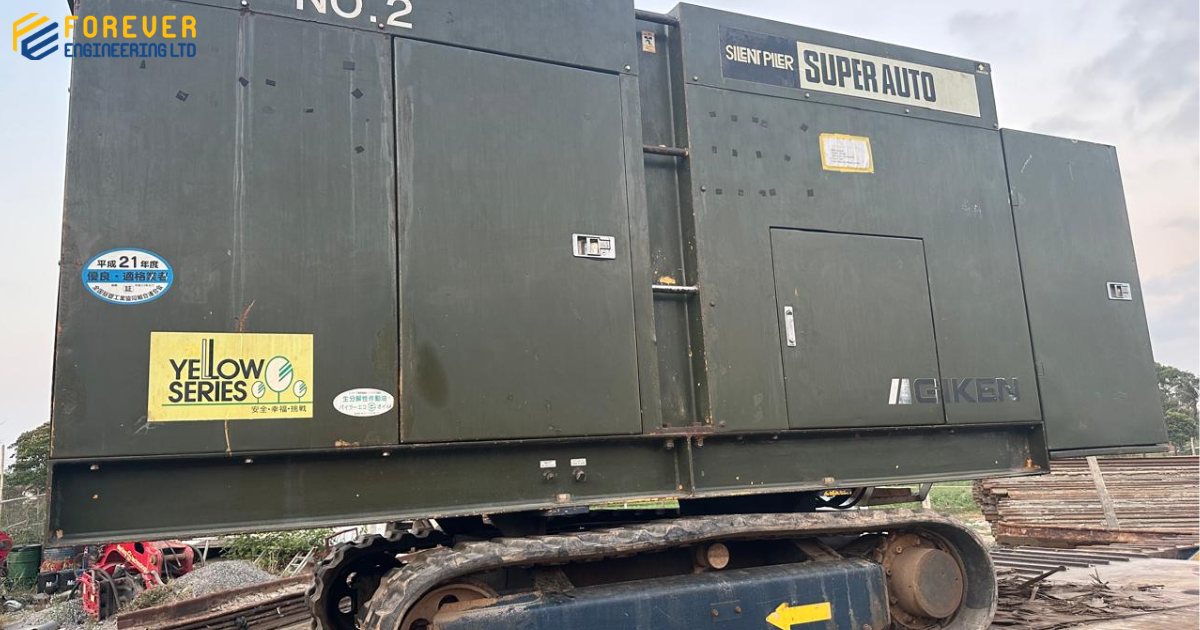
Steel Sheet Piles Using a Silent Piler Machine is an important topic for construction teams looking for a quieter way to install steel sheet piles. A silent pillar uses hydraulic pressing force to push sheet piles into the ground while producing less noise and vibration than conventional impact hammer driving. This method can be useful for basement construction, excavation support, retaining walls, and urban infrastructure projects. Successful installation depends on proper site preparation, suitable sheet piles, correct machine setup, and regular alignment checks. Forever Engineering Ltd. provides sheet pile supply and driving services in Bangladesh and helps project teams consider suitable installation solutions based on their construction requirements.
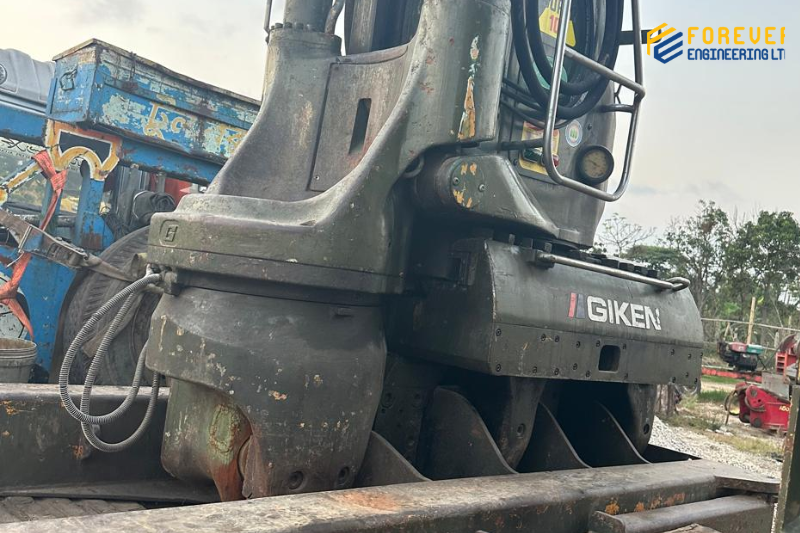
What Is a Silent Piler Machine?
A Silent Piler machine is specialized equipment designed to install sheet piles by applying hydraulic pressing force rather than using repeated hammer blows. Many systems grip previously installed piles to create the reaction force needed to press the next pile into the soil. This approach can reduce noise and vibration, making it useful at sites near homes, offices, hospitals, and existing buildings. The machine’s suitability depends on the ground conditions, pile profile, installation depth, and available working space.
How Does a Silent Piler Machine Work?
A Silent Piler works by gripping a steel sheet pile and pressing it downward using a hydraulic system. The machine is positioned along the planned sheet pile wall, and the operator controls the pressing operation while monitoring the pile’s movement. In many systems, the previously installed piles provide the reaction force required to install the next pile. After one pile reaches the required depth, the machine moves forward and continues the installation sequence. The operator checks alignment, pressing resistance, and installation depth throughout the process.
Step-by-Step Process of Installing Steel Sheet Piles Using a Silent Piler Machine
Step 1: Inspect the Site and Soil Conditions: Before installation begins, engineers review the soil investigation report, groundwater conditions, underground utilities, nearby structures, and site access. This information helps determine whether a Silent Piler is suitable for the project. Identifying possible obstructions and site restrictions early can help prevent installation delays.
Step 2: Select the Right Steel Sheet Piles: The sheet piles must meet the approved structural design and project requirements. Engineers consider pile length, profile, thickness, interlock condition, soil pressure, and excavation depth. The selected piles must also be compatible with the Silent Piler machine and suitable for the expected ground conditions.
Step 3: Prepare the Construction Area: The work area should be stable, level, and clear of unnecessary obstacles. Workers prepare safe access for the machine, arrange sheet pile storage, and confirm that the ground can support the equipment. Underground utilities must be identified before work starts, and the lifting and material handling areas should be planned carefully.
Step 4: Mark the Sheet Pile Wall Line: Surveyors mark the exact wall alignment according to the approved construction drawings. The starting point and pile positions should be checked before installation. Accurate marking helps maintain a straight wall and reduces the chance of alignment problems as more piles are installed.
Step 5: Position the First Sheet Pile: Workers lift the first sheet pile with suitable lifting equipment and position it at the marked starting point. The pile’s position and vertical alignment are checked before pressing begins. Correct placement is important because the first pile provides a reference for the following piles and their interlock connections.
Step 6: Set Up the Silent Piler Machine: The operator positions the machine and checks the hydraulic system, gripping mechanism, controls, and other essential components. The team confirms that the machine is suitable for the selected pile profile and expected ground resistance. All safety checks must be completed before the pressing operation begins.
Step 7: Press the Sheet Pile into the Ground: The machine grips the sheet pile and applies hydraulic force to push it into the soil. The operator monitors the pressing process and observes changes in resistance. The machine must be operated within its specified limits. If the pile encounters unexpected resistance, the team should assess the cause before continuing.
Step 8: Connect and Install the Next Pile: The next sheet pile is positioned so its interlock connects correctly with the previously installed pile. The operator then continues the pressing operation according to the planned installation sequence. Workers check the connection and wall alignment to help ensure that the piles form a continuous wall.
Step 9: Check Installation Depth and Alignment: During installation, workers monitor the pile depth, vertical alignment, and position. Changes in pressing resistance should also be recorded because they may indicate different soil conditions or possible obstructions. Regular checks help identify problems early and support compliance with the approved design.
Step 10: Complete the Wall and Perform Final Inspection: After all planned piles have been installed, the team checks the wall’s alignment, visible pile condition, interlock connections, and installation depth. Any significant deviation should be reviewed by the responsible engineer. The completed wall should meet the project’s design and quality requirements before the next construction stage begins.
Advantages of Installing Steel Sheet Piles Using a Silent Piler Machine
- Reduced Noise: Hydraulic pressing generally produces less noise than conventional impact hammer driving, making it useful near residential areas, offices, schools, and hospitals.
- Lower Ground Vibration: The method can reduce vibration compared with impact driving, which may benefit nearby buildings and sensitive underground services. However, monitoring may still be necessary.
- Suitable for Urban Projects: Silent Piler installation can be considered for construction sites where noise and vibration restrictions are important.
- Controlled Installation: The hydraulic system allows the operator to monitor the pressing process and respond to changes in ground resistance.
- Effective Soil Retention: Properly designed sheet pile walls can retain soil around basements, trenches, and other excavations.
- Less Disturbance to Nearby Activities: Lower noise and vibration may help reduce disturbance to people and businesses around the construction site.
Applications of Silent Piler Sheet Pile Installation
Basement Construction: Steel sheet piles can be installed to retain surrounding soil during basement excavation, especially in developed areas where buildings are close to the work site.
Excavation Support: Sheet pile walls can provide temporary or permanent soil retention for trenches, underground structures, and foundation work when designed for the project requirements.
Urban Infrastructure Projects: The method may be suitable for road improvements, underground utility installation, and other infrastructure projects where noise and vibration need to be controlled.
Retaining Wall Construction: Steel sheet piles can form retaining walls that help hold back soil and protect excavation areas when supported by an appropriate engineering design.
Waterfront and Riverbank Projects: Sheet piles may be used for suitable riverbank protection and waterfront structures, depending on the soil conditions, water levels, structural design, and equipment requirements.
Projects Near Existing Buildings: Reduced vibration can be useful when installation takes place near buildings that may be sensitive to ground disturbance. A proper risk assessment and monitoring plan may still be required.
Factors That Affect Silent Piler Installation
Soil Conditions: Soil type, density, gravel, buried materials, and underground obstructions can affect how easily the machine presses piles into the ground. A geotechnical assessment helps determine whether the method is suitable.
Sheet Pile Specifications: The length, thickness, profile, and interlock design influence machine compatibility and installation requirements. Piles must meet the approved design and be suitable for the selected equipment.
Machine Capacity: The Silent Piler must provide sufficient pressing force for the selected piles and expected ground conditions. The machine’s capacity and operating limits should be checked before installation.
Installation Depth: Deeper installations may require more time and careful monitoring. The required depth depends on the wall design, excavation depth, soil pressure, and groundwater conditions.
Site Access: Limited working space, overhead restrictions, nearby buildings, and difficult delivery routes can affect machine setup and pile handling. These conditions should be reviewed before equipment arrives.
Operator Experience: Experienced operators and proper site supervision help maintain alignment, monitor pressing resistance, and respond safely to unexpected ground conditions.
Safety Precautions During Silent Piler Installation
- Inspect the Equipment: Check the hydraulic system, hoses, gripping components, and controls before starting work. Damaged equipment should not be used until it has been assessed and repaired.
- Use Safe Lifting Procedures: Steel sheet piles can be long and heavy. Use suitable lifting equipment and approved lifting points, and keep workers away from suspended loads.
- Maintain a Safe Work Zone: Restrict access around the machine and pile handling area. Workers should wear suitable personal protective equipment and follow site safety procedures.
- Monitor Nearby Structures: Assess nearby buildings, roads, and underground utilities where required. Lower vibration does not eliminate every risk of ground movement.
- Follow Manufacturer Instructions: Machine setup, operating limits, maintenance, and emergency procedures should follow the manufacturer’s guidance.
- Respond to Unexpected Resistance: Stop and assess the situation if a pile suddenly becomes difficult to press, the machine becomes unstable, or unusual movement occurs.
Silent Piler vs Traditional Sheet Pile Installation Methods
A Silent Piler uses hydraulic pressing force, while traditional impact driving uses repeated hammer blows to install sheet piles. Silent Piler installation is often considered for sites with strict noise and vibration requirements. Impact driving may be more suitable for some ground conditions or projects where noise restrictions are less demanding. Vibratory hammers are another option and use vibration to help drive piles into the soil. The best method depends on soil conditions, pile specifications, required depth, nearby structures, site access, equipment availability, and project cost.
Common Problems During Silent Piler Installation
High Soil Resistance: Dense soil, buried materials, or underground obstructions can make pressing difficult. The team should investigate the cause and follow an approved installation procedure rather than applying uncontrolled force.
Pile Misalignment: Incorrect positioning can cause the wall to move away from the planned line or create interlock problems. Accurate surveying and regular alignment checks help reduce this risk.
Interlock Problems: Damaged or poorly connected interlocks can affect the continuity of the wall. Sheet piles should be inspected before installation, and connections should be checked during the process.
Equipment Compatibility Issues: Not every Silent Piler machine can handle every sheet pile profile or ground condition. The equipment’s capacity and compatibility should be confirmed before installation begins.
Unexpected Ground Conditions: Actual ground conditions may differ from the soil investigation results. Monitoring pressing resistance and maintaining installation records help engineers assess unexpected problems and decide whether further investigation is required.
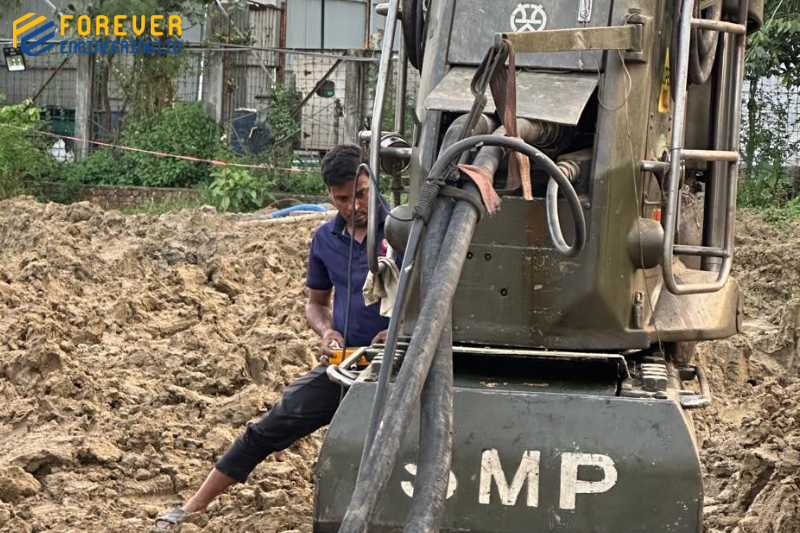
Why Choose Forever Engineering Ltd. for Sheet Pile Solutions?
Forever Engineering Ltd. provides sheet pile supply and driving services for construction projects in Bangladesh. Steel sheet piles can support excavation work, basement construction, retaining walls, and infrastructure projects when properly designed and installed. The company can discuss project requirements with contractors, consultants, and project owners to help them consider suitable sheet pile solutions. The installation method should be selected according to the soil report, structural design, site restrictions, equipment suitability, and project requirements.
Conclusion
Installing steel sheet piles using a Silent Piler machine is a useful option for construction projects where noise and vibration need to be controlled. The process includes site inspection, pile selection, preparation, machine setup, hydraulic pressing, alignment checks, and final inspection. Proper planning, suitable equipment, and skilled operation help improve installation quality and reduce avoidable delays. Before selecting this method, project teams should assess soil conditions, pile specifications, required depth, machine capacity, and nearby structures. Forever Engineering Ltd. provides sheet pile supply and driving services in Bangladesh and can discuss installation requirements for different construction projects.
Frequently Asked Questions
1. What is a Silent Piler machine used for?
A Silent Piler machine is used to install sheet piles through hydraulic pressing. It can reduce noise and vibration compared with conventional impact hammer driving.
2. Can a Silent Piler install steel sheet piles in hard soil?
This depends on the ground resistance, machine capacity, pile specifications, and presence of underground obstructions. A soil assessment and equipment review are important before selecting the method.
3. Is Silent Piler installation suitable for basement construction?
Yes, it may be suitable for installing sheet pile walls around basement excavations, particularly where noise and vibration need to be controlled. The method must meet the project’s design and site requirements.
4. Does a Silent Piler completely eliminate vibration?
No. It generally produces less vibration than impact hammer driving, but some ground movement may still occur. Monitoring may be necessary near existing buildings and sensitive underground services.
5. How is sheet pile alignment maintained during installation?
Survey markings, correct positioning of the first pile, regular verticality checks, and proper interlock connections help maintain the required wall alignment.
6. What affects the cost of Silent Piler installation?
The cost may depend on pile specifications, installation depth, soil conditions, equipment requirements, site access, project duration, and transportation. A project-specific assessment is needed for an accurate quotation.
7. Does Forever Engineering Ltd. provide sheet pile driving services?
Yes. Forever Engineering Ltd. provides sheet pile supply and driving services in Bangladesh. Project teams can discuss their site conditions and installation requirements with the company.