
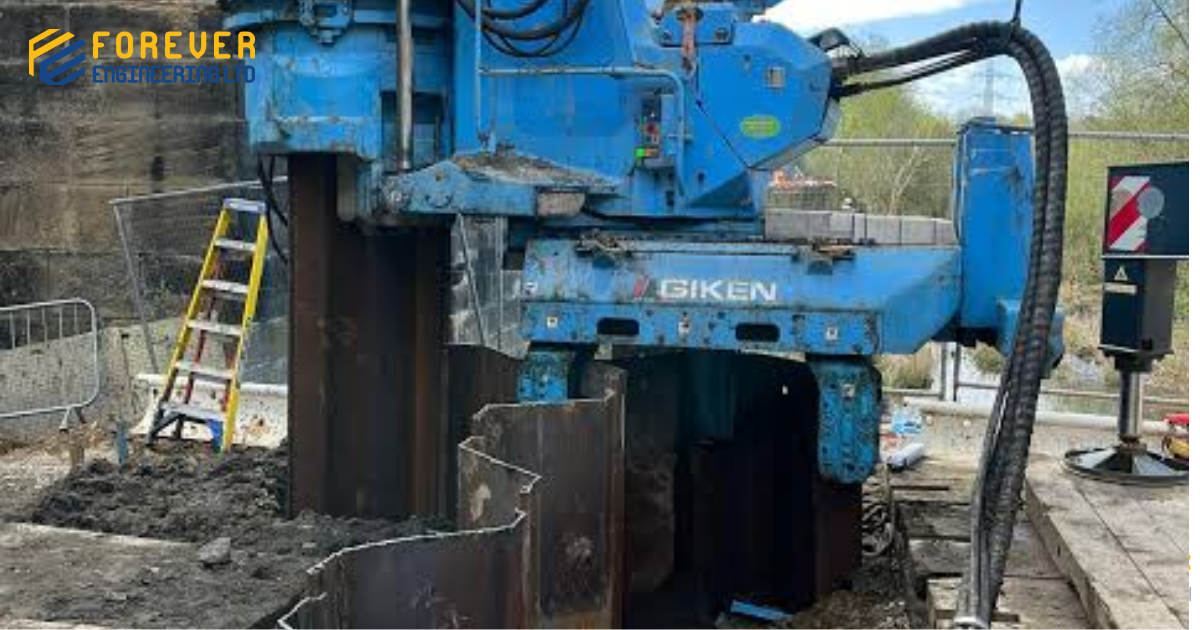
A silent piler machine for urban construction is useful for installing steel sheet piles in busy areas where noise, vibration, and limited working space are major concerns. In cities, construction often takes place near homes, offices, hospitals, roads, and existing buildings. Traditional piling methods may create noise and ground vibration that disturb nearby people or affect sensitive structures. A Silent Piler uses a press-in method to push sheet piles into the ground with much less noise and vibration than many conventional piling methods. This makes it a suitable option for certain urban construction projects. Forever Engineering Ltd. understands the importance of choosing the right sheet pile installation method according to site conditions and project requirements.
What Is a Silent Piler Machine?
A silent piler is a specialized machine that installs steel sheet piles by pressing them into the ground instead of using repeated hammer impacts. It usually grips previously installed sheet piles to gain the reaction force needed to press the next pile into the soil. This process allows the machine to install sheet piles with relatively low noise and vibration. Silent Piler machines are often considered for projects where conventional piling equipment may cause disturbance to nearby buildings or people. However, the machine must be suitable for the pile type, ground conditions, required installation depth, and available working space.
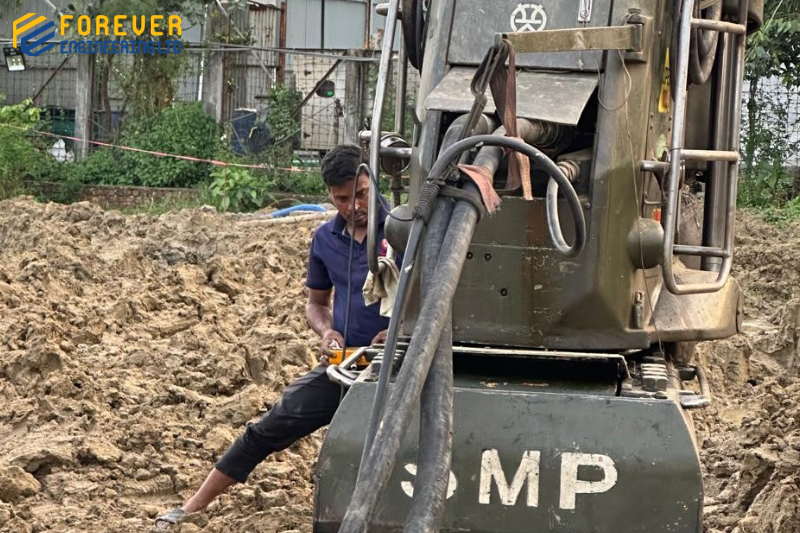
Why Is a Silent Piler Suitable for Urban Construction?
Urban construction sites often have limited space and strict requirements for noise and vibration. A Silent Piler can help address these challenges because it presses sheet piles into the ground without the repeated impact of a conventional impact hammer. This can reduce disturbance to nearby residents, businesses, and building occupants. It may also help contractors work in locations where vibration-sensitive structures are close to the installation area. The machine’s compact working arrangement can be useful on selected restricted sites, although access requirements depend on the model and installation setup. Engineers should assess the soil conditions and nearby structures before deciding whether a Silent Piler is suitable.
How Does a Silent Piler Machine Work?
A silent piler uses hydraulic force to press steel sheet piles into the soil. The machine first grips previously installed piles or uses another compatible reaction system, depending on its design. This provides the reaction force needed to push the next sheet pile downward. The operator positions the new pile, checks its alignment, and starts the pressing operation. As the pile enters the ground, the machine continues applying controlled pressure until the required depth is reached or the approved installation criteria are met. The process then continues with the next pile. Proper alignment and monitoring are important because installation problems can affect the position and connection of the sheet pile wall.
Main Benefits of a Silent Piler Machine for Urban Construction
A Silent Piler offers several benefits for projects where conventional piling methods may create difficulties.
- Low-Noise Operation: The press-in method avoids the repeated hammer impacts used by conventional impact piling. This can reduce noise disturbance in residential and commercial areas.
- Reduced Ground Vibration: Pressing piles into the ground generally creates less vibration than impact-driven installation. This can be helpful near vibration-sensitive structures, although site monitoring may still be required.
- Suitable for Busy Areas: Silent Piler machines can be useful near offices, hospitals, schools, roads, and other occupied areas where controlling construction disturbance is important.
- Accurate Pile Installation: Controlled pressing and proper guidance help the operator maintain the planned pile position. Regular alignment checks are still necessary throughout the work.
- Support for Restricted Sites: Certain Silent Piler systems can work in locations with limited access or restricted headroom. The exact space needed depends on the machine model and installation method.
- Less Disturbance to Nearby Activities: Lower noise and vibration can make it easier to manage piling work near active buildings and businesses. However, traffic, lifting operations, and other construction activities may still create disturbance.
Applications of Silent Piler Machines in Urban Areas
Silent Piler machines can be used in different city construction projects when the ground conditions and equipment requirements are suitable.
- Basement Construction: Steel sheet piles can provide soil support around basement excavations. A silent pillar may be considered when nearby buildings make noise and vibration control important.
- Building Foundation Work: Some foundation projects require sheet piles to support the surrounding soil. Press-in installation may be suitable where the site conditions and structural design allow it.
- Road and Bridge Projects: Sheet piles may be needed for excavation support, bridge-related works, and other infrastructure projects in busy areas. Lower-noise installation can help reduce disturbance to nearby road users and communities.
- Underground Utility Projects: Drainage, pipeline, and other underground works may require temporary sheet pile support. The installation method should match the excavation design and ground conditions.
- Riverbank and Waterfront Construction: Silent Piler equipment may be used for suitable sheet pile work near developed waterfront areas where noise and vibration need careful control.
Factors to Consider Before Using a Silent Pile
Choosing a silent pillar machine for urban construction requires careful assessment of the site and project design. Engineers should consider the following factors before selecting the equipment.
- Soil Conditions: The type and density of soil affect how easily the sheet piles can be pressed into the ground. Dense soil, gravel, rock, or buried obstructions may make installation difficult.
- Sheet Pile Type and Size: The machine must be compatible with the sheet pile profile, length, and dimensions. The pile design must also meet the structural requirements of the project.
- Required Installation Depth: Deeper piles may require greater pressing capacity and a suitable installation arrangement. The selected machine must be able to meet the project’s installation requirements.
- Available Working Space: Urban sites may have narrow access routes, nearby buildings, overhead restrictions, or limited space for handling long piles. These conditions should be checked before bringing equipment to the site.
- Reaction Force Requirements: Many Silent Piler systems use previously installed piles to provide the reaction force for pressing the next pile. Engineers should confirm that the machine’s operating sequence and reaction requirements suit the planned wall.
- Nearby Structures and Utilities: Buildings, underground services, roads, and existing foundations may affect the installation plan. Engineers should assess possible ground movement and arrange monitoring where necessary.
- Project Cost and Schedule: Silent Piler installation may require specialised equipment and careful preparation. Contractors should compare the overall cost, site restrictions, installation time, and potential reduction in disturbance with other suitable methods.
Silent Piler vs. Conventional Pile Driving
A silent piler and a conventional piling hammer use different methods to install sheet piles. A Silent Piler presses piles into the ground using hydraulic force, while an impact hammer drives piles through repeated impacts. A vibratory hammer uses vibration to reduce soil resistance and help the pile penetrate. Silent pillar equipment is often considered where noise and vibration must be reduced, especially near existing buildings. Conventional methods may be more suitable for other sites depending on the soil, pile type, equipment availability, and project requirements. Engineers should compare the installation methods using the actual ground investigation data and site restrictions instead of choosing based on noise alone.
Common Challenges During Silent Piler Installation
Although Silent Piler machines can be useful in urban areas, some site conditions may create installation challenges.
- High Soil Resistance: Dense soil or hard layers may prevent the pile from reaching the required depth. Engineers may need to review the soil data and consider an approved alternative installation method.
- Underground Obstructions: Buried concrete, old foundations, or large stones can block pile penetration. Further investigation may be required before deciding how to proceed.
- Pile Misalignment: If a pile moves away from the planned line, it may affect the wall position and the connection between adjacent piles. Regular alignment checks can help identify this problem early.
- Limited Access: Nearby structures, narrow roads, and overhead restrictions can make it difficult to transport and position the equipment. The site layout should be reviewed before installation begins.
- Reaction System Limitations: The machine needs a suitable reaction arrangement to press the piles. Engineers should confirm that the selected system can operate safely throughout the planned installation sequence.
Safety Precautions for Urban Silent Piler Projects
Safety planning is essential when installing sheet piles near occupied buildings, roads, and underground services.
- Check the Site Before Work: Identify underground utilities, nearby foundations, overhead obstacles, and areas where public access must be controlled.
- Inspect the Equipment: Check the machine, clamps, hydraulic connections, and operating systems before starting the work.
- Monitor Pile Alignment: Check the pile position during pressing to reduce the risk of installation errors.
- Monitor Nearby Structures: Where required, record baseline conditions and monitor ground movement or vibration during installation.
- Control the Working Area: Keep workers and the public away from moving equipment and suspended sheet piles. Use barriers and clear signs where necessary.
- Follow the Installation Plan: Operators should follow the machine manufacturer’s instructions and the approved project method. Any change to the installation procedure should be reviewed by the responsible engineer.
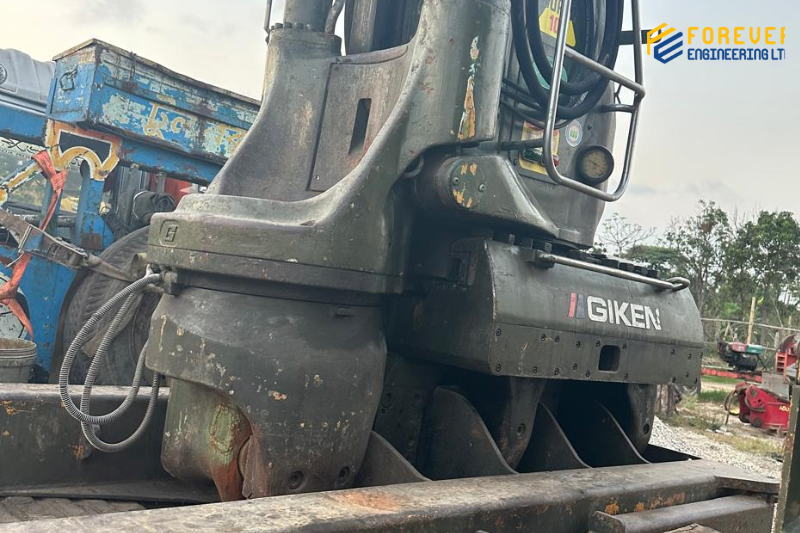
How Forever Engineering Ltd. Supports Sheet Pile Projects
Forever Engineering Ltd. understands that urban sheet pile projects require careful planning and suitable installation methods. Before selecting equipment, contractors should review the soil conditions, pile dimensions, required depth, access restrictions, and nearby structures. A Silent Piler may be suitable when reducing noise and vibration is a key project requirement, but the final choice should depend on engineering assessment and equipment compatibility. Proper planning and regular site checks can help reduce avoidable delays and support safe sheet pile installation.
Conclusion
A Silent Piler Machine for Urban Construction can be a useful option for installing steel sheet piles in busy areas where noise, vibration, and limited working space are important concerns. Its press-in method can reduce disturbance compared with many conventional piling methods. However, successful installation still depends on soil conditions, pile dimensions, machine capacity, and the surrounding environment. Engineers should assess these factors before selecting the equipment and monitor the work throughout installation. Forever Engineering Ltd. recognises the importance of suitable piling methods and careful planning for urban construction projects.
Frequently Asked Questions
- What is a Silent Piler Machine for Urban Construction?
It is a machine that presses steel sheet piles into the ground using hydraulic force. It is often considered for urban projects where noise and vibration need to be reduced.
- Why is a Silent Piler suitable for city construction?
It generally produces less noise and ground vibration than conventional impact piling, which can help reduce disturbance near occupied buildings.
- Does a Silent Piler produce zero vibration?
No. It is designed for low-vibration installation, but some ground movement and vibration may still occur depending on the soil and site conditions.
- Can a Silent Piler install sheet piles in hard soil?
Its performance depends on the soil, pile design, and machine capacity. Dense ground, rock, or underground obstructions may require further investigation or another installation method.
- Is a Silent Piler suitable for narrow construction sites?
Some models are designed for restricted working spaces, but the required access, headroom, and pile-handling space depend on the machine and project setup.
- What should engineers check before using a Silent Piler?
Engineers should review soil conditions, pile dimensions, installation depth, reaction requirements, site access, nearby structures, and equipment specifications.
- Can Silent Piler machines be used for basement construction?
Yes. They may be used to install sheet piles for basement excavation support when the machine, ground conditions, and project design are suitable.