
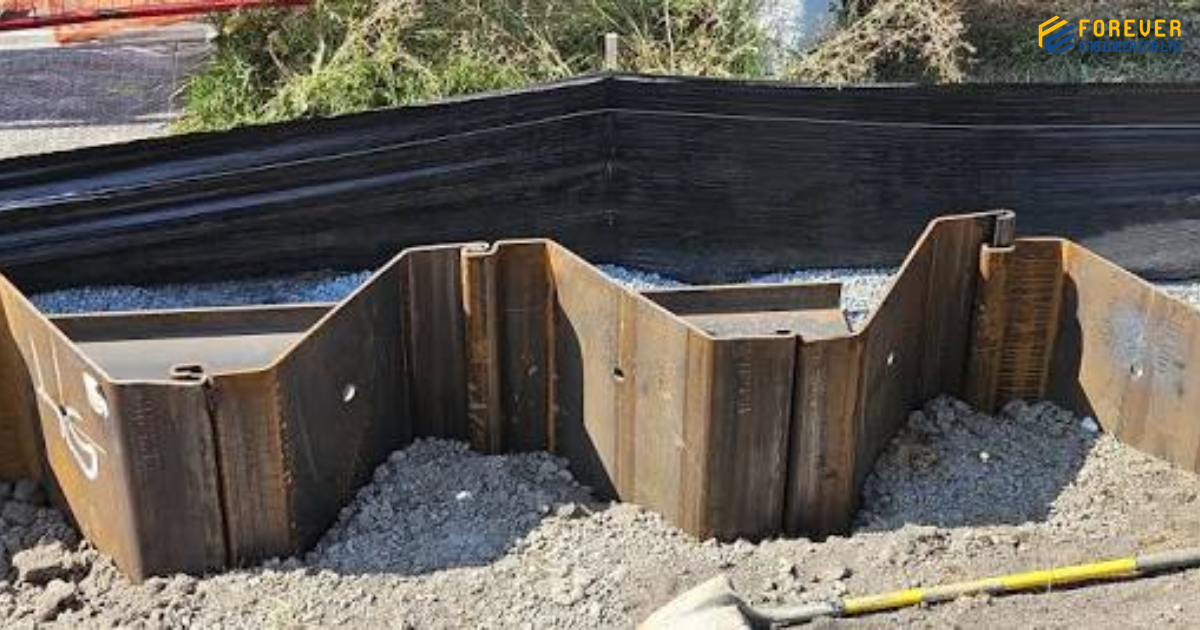
Sheet pile wall techniques involve different methods used to design, install, support, and manage sheet pile walls for construction projects. Contractors use sheet pile walls to retain soil, support excavations, control water, protect riverbanks, and create temporary or permanent retaining structures.
The right technique depends on soil conditions, excavation depth, groundwater level, wall height, nearby structures, available working space, and project requirements. Proper planning, suitable equipment, trained workers, and safe working procedures help contractors achieve a stable and effective sheet pile wall.
Steel sheet piles connect through interlocks to create a continuous wall. Contractors can use different support systems and installation methods depending on the project. The selected method can affect construction speed, wall stability, vibration, noise, and overall project efficiency.
What Is a Sheet Pile Wall?
A sheet pile wall is a continuous retaining structure made from connected sheet piles driven into the ground. Each sheet pile has interlocking edges that connect with adjacent piles to form a strong barrier. Contractors commonly use steel sheet piles because they provide high strength and can resist soil and water pressure. The embedded section of the pile provides resistance against lateral loads from the retained soil.
A sheet pile wall can support different construction applications. Contractors use these walls for excavation support, basement construction, cofferdams, bridge projects, riverbank protection, marine structures, and other infrastructure work.
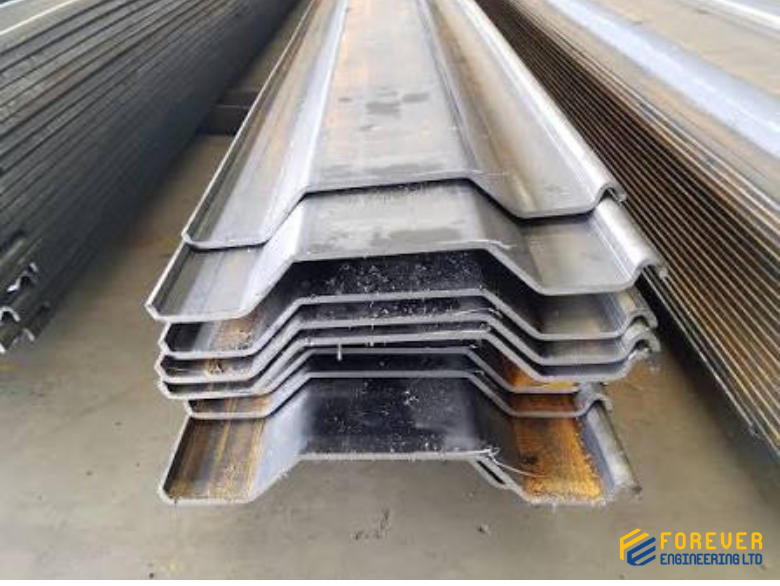
Why Are Sheet Pile Wall Techniques Important?
Proper sheet pile wall techniques help contractors select suitable wall systems and installation methods for different construction conditions. A technique that works well for a shallow excavation may not provide enough support for a deep excavation.
Benefits include:
- Provides Soil Retention: Sheet pile walls hold back soil and help maintain stable excavation sides.
- Supports Deep Excavation: Suitable support systems can help contractors manage soil pressure during deeper excavation work.
- Controls Water: Interlocked sheet piles can create a barrier that helps reduce water movement into construction areas.
- Saves Working Space: Sheet pile walls require relatively little space compared with some traditional retaining systems.
- Supports Temporary Construction: Contractors can install and later remove sheet piles for temporary excavation support and cofferdams.
- Improves Project Efficiency: Proper installation methods can help contractors complete sheet pile work within the planned construction schedule.
- Protects Nearby Structures: A properly designed wall can help control soil movement near buildings, roads, utilities, and other structures.
Common Types of Sheet Pile Wall Techniques
Different wall techniques suit different project conditions. Contractors should select the system after considering wall height, soil pressure, groundwater, excavation depth, available space, and nearby structures.
- Cantilever Sheet Pile Wall: The embedded portion of the sheet pile provides resistance against soil pressure. This technique can suit relatively shallow retaining applications.
- Anchored Sheet Pile Wall: Tie rods, ground anchors, or other anchoring systems provide additional support behind the wall. This method can suit deeper excavations.
- Braced Sheet Pile Wall: Internal struts or braces support the sheet pile wall from inside the excavation. Contractors can use this method when outside anchoring is not practical.
- Cofferdam Sheet Pile Wall: Contractors arrange sheet piles to create an enclosed area that allows construction work in or near water.
- Cellular Sheet Pile Wall: Contractors connect sheet piles into circular or diaphragm-shaped cells and fill the cells with suitable material. This system can provide strong resistance for specific marine and waterfront applications.
- Combined Wall System: Contractors can combine sheet piles with other structural elements when the project requires greater strength or special design conditions.
Step-by-Step Guide to Sheet Pile Wall Installation
- Inspect the Work Area: Workers first inspect the site, soil conditions, groundwater, nearby structures, utilities, and access conditions. This inspection helps identify possible installation risks.
- Review the Sheet Pile Design: The project team checks the required pile profile, length, thickness, wall alignment, embedment depth, and support system. The installation sequence should follow the approved construction plan.
- Prepare the Site: Workers clear the installation area and prepare stable access for cranes, piling equipment, and other machinery.
- Mark the Wall Alignment: The team marks the exact position of the sheet pile wall. Accurate alignment helps maintain the required wall location throughout installation.
- Position the First Sheet Pile: A crane lifts and positions the first sheet pile at the marked location. Workers check its verticality and alignment before driving.
- Drive the First Sheet Pile: The contractor uses a vibratory hammer, impact hammer, or hydraulic press to drive the pile into the ground.
- Install the Next Sheet Pile: Workers position the next pile beside the first one and connect its interlock with the installed pile.
- Continue Interlocking: The team continues placing and driving sheet piles while checking alignment and verticality throughout the process.
- Install Support Systems: For anchored or braced walls, workers install tie rods, anchors, walers, struts, or other support components according to the engineering design.
- Complete the Required Embedment: Contractors continue driving the piles until they reach the required depth and provide the planned resistance.
- Inspect the Wall: Workers inspect the completed wall for alignment, interlock connection, visible damage, and other installation issues.
- Begin Excavation or Construction: After the wall reaches the required condition, workers can proceed with excavation or other planned construction activities while monitoring the wall.
Vibratory Hammers for Sheet Pile Wall Installation
Vibratory hammers are widely used for sheet pile wall techniques because they can drive and extract sheet piles efficiently. These machines create rapid vibration that reduces soil resistance around the pile and helps the pile move into the ground.
A crane normally supports the vibratory hammer and controls the sheet pile during installation. The operator monitors pile movement and adjusts the installation process according to ground conditions.
Main benefits include:
- Fast Installation: Vibratory hammers can install suitable sheet piles quickly and help maintain construction productivity.
- Efficient Soil Penetration: Vibration reduces resistance around the pile and helps the pile penetrate the ground.
- Suitable for Temporary Works: Contractors can use vibratory equipment for temporary retaining walls, cofferdams, and excavation support.
- Useful for Extraction: The same equipment can help remove sheet piles after temporary construction work ends.
- Controlled Operation: Operators can monitor pile movement and adjust the process according to site conditions.
Impact Hammers for Sheet Pile Wall Installation
Impact hammers drive sheet piles into the ground through repeated blows. Contractors may select this method when the soil creates high driving resistance.
Impact driving can provide strong driving energy for difficult ground conditions. However, it can produce more noise and vibration than some other installation methods. Contractors should review nearby structures, utilities, environmental requirements, and project restrictions before selecting impact driving.
Hydraulic Press-In Technique for Sheet Pile Walls
The hydraulic press-in technique uses controlled hydraulic force to push sheet piles into the ground. Unlike impact driving, this method does not depend mainly on repeated hammer blows.
This technique can work well in areas where contractors need to control noise and vibration. It can be useful near existing buildings, roads, utilities, and other sensitive structures. The contractor should confirm that the site provides suitable conditions for the required press-in equipment.
Sheet Pile Wall Support Systems
The support system plays an important role in wall stability. Engineers select the system according to soil pressure, excavation depth, groundwater conditions, and available working space.
- Cantilever System: A cantilever wall relies mainly on the embedded portion of the sheet pile. The soil around the embedded section provides resistance against lateral movement. This system can work for suitable shallow excavations and retaining applications.
- Anchored System: An anchored sheet pile wall uses tie rods, ground anchors, or other anchor systems. These components transfer part of the wall load into the surrounding ground. Anchored systems can provide additional support for deeper excavations. The project must have enough space and suitable ground conditions for anchor installation.
- Braced System: A braced system uses internal struts or braces across the excavation. These members support the sheet pile walls and help control movement. Contractors can use internal bracing when outside anchors cannot extend into neighboring properties or restricted areas.
Sheet Pile Wall Techniques for Water Control
Sheet pile walls can help control water during construction. Contractors commonly use them for cofferdams, riverbank projects, bridge foundations, marine construction, and waterfront structures. The interlocked sheet piles create a continuous barrier that can reduce soil and water movement. However, contractors should not assume that every sheet pile wall will provide complete water tightness. For water-related projects, engineers should consider:
- Groundwater pressure
- River water level
- Tidal conditions
- Soil permeability
- Seepage
- Scour
- Required embedment depth
- Interlock condition
- Wall arrangement
Proper water control planning helps workers maintain a safer and more suitable working area.
Factors That Affect Sheet Pile Wall Techniques
Several conditions can affect the selection, installation, and performance of sheet pile wall techniques. Contractors should evaluate these factors before starting the project.
- Soil Conditions: Soil type strongly affects pile driving resistance and wall stability. Dense sand, stiff clay, gravel, and mixed ground can require different installation methods.
- Excavation Depth: Deeper excavations create higher lateral soil pressure. Engineers may need anchored or braced systems instead of a simple cantilever wall.
- Groundwater Level: High groundwater can increase pressure behind the wall and affect excavation stability.
- Wall Height: Taller retaining walls usually require greater structural capacity and suitable embedment depth.
- Pile Profile: Different sheet pile profiles have different shapes, weights, strengths, and interlock arrangements. The selected profile should match the project requirements.
- Installation Depth: The required embedment affects wall stability and installation equipment requirements.
- Nearby Structures: Buildings, roads, pipelines, and utilities may restrict vibration, noise, and equipment access.
- Available Working Space: Limited space can affect crane positioning, pile storage, anchoring, and equipment movement.
- Project Duration: Temporary and permanent walls may require different materials, protection systems, and construction approaches.
How Soil Conditions Affect Sheet Pile Wall Installation
Soil conditions strongly influence the equipment and method required for sheet pile installation.
- Soft Clay: Soft clay may allow easier pile penetration, but contractors still need to control wall movement and ground stability.
- Stiff Clay: Stiff clay can create greater driving resistance. Contractors may need suitable vibratory or impact equipment.
- Dense Sand: Dense sand can create high friction around the pile. Proper equipment selection helps achieve the required penetration.
- Loose Sand: Loose sand can move during installation and excavation. Contractors should monitor surrounding ground conditions.
- Gravel: Gravel can increase driving resistance and make installation more difficult. Contractors may require specialized equipment depending on the ground.
- Mixed Soil: Layers of clay, sand, gravel, or fill can create changing resistance during driving. Workers should monitor installation performance throughout the process.
Common Applications of Sheet Pile Walls
Sheet pile walls support many construction and infrastructure projects.
Basement Construction: Contractors use sheet pile walls to retain soil around basement excavations. The wall helps create a controlled excavation area and can reduce the risk of soil movement toward the excavation.
Cofferdam Construction: Sheet piles can create temporary enclosures in rivers, canals, and other water environments. Contractors can remove water from the enclosed area and complete foundation or structural work.
Riverbank Protection: Sheet pile walls can protect riverbanks from erosion and soil movement. Contractors install the wall along the river edge according to the project design.
Bridge Construction: Contractors use sheet piles around bridge foundations and abutments. They can also create temporary cofferdams for bridge pier construction.
Marine Construction: Sheet piles support docks, ports, seawalls, waterfront structures, and other marine projects. Engineers need to consider water pressure, corrosion, waves, and soil conditions.
Road and Infrastructure Projects: Sheet pile walls can support road widening, drainage construction, underground structures, and other infrastructure projects where space remains limited.
Challenges During Sheet Pile Wall Installation
Contractors can face different challenges when using sheet pile walls.
- High Driving Resistance: Dense soil or obstructions can make pile penetration difficult.
- Pile Damage: Excessive driving force can damage sheet piles or their interlocks.
- Poor Alignment: Incorrect positioning can affect wall quality and interlock connections.
- Ground Movement: Installation and excavation can cause movement in surrounding soil.
- Excessive Vibration: Vibratory or impact installation can affect nearby buildings and sensitive structures.
- Limited Working Space: Small sites can make crane operation and pile handling difficult.
- Underground Obstructions: Existing foundations, utilities, rocks, and other obstructions can interrupt pile installation.
Proper site investigation and installation planning can reduce many of these challenges.
Best Practices for Sheet Pile Wall Installation
Following proper practices can help contractors complete sheet pile wall techniques more safely and efficiently.
- Inspect the Site Before Installation: Workers should review soil conditions, groundwater, utilities, nearby structures, access, and working space.
- Select Suitable Sheet Piles: Contractors should match pile size, profile, thickness, length, and strength with project requirements.
- Select Suitable Equipment: The contractor should choose a vibratory hammer, impact hammer, hydraulic press, crane, and accessories according to site conditions.
- Maintain Accurate Alignment: Workers should check pile position and verticality during installation to maintain a continuous wall.
- Check Interlocks: Workers should make sure each pile properly connects with the previous pile.
- Monitor Installation Resistance: Changes in driving resistance can indicate changes in soil conditions or possible underground obstructions.
- Monitor Nearby Structures: Contractors should observe buildings, roads, utilities, and other structures during installation.
- Use Trained Operators: Only trained and authorized workers should operate cranes, hammers, and other piling equipment.
- Maintain Equipment: Regular equipment inspection and maintenance can reduce unexpected breakdowns.
- Follow the Approved Construction Plan: Workers should follow the approved installation sequence, support arrangement, and safety procedures.
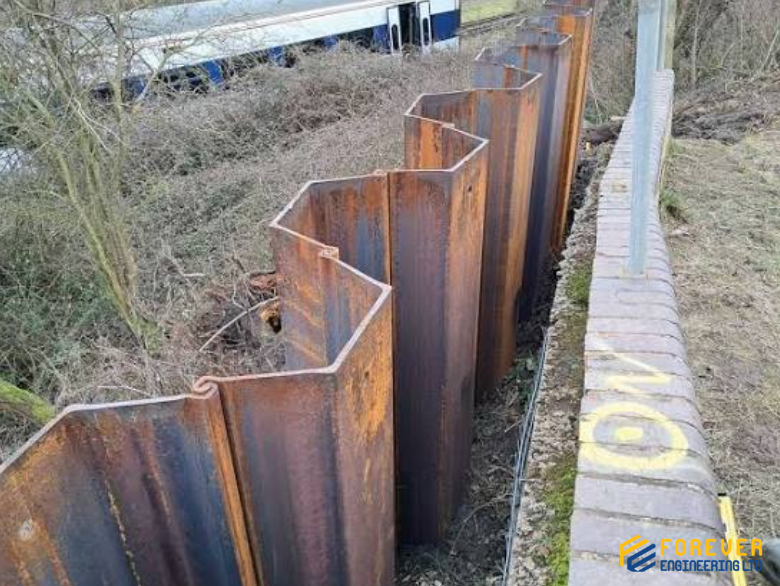
Safety Considerations During Sheet Pile Wall Installation
Sheet pile wall techniques involve heavy steel piles, cranes, hammers, lifting accessories, and construction machinery. Contractors need strong safety controls throughout the operation.
Safety measures include:
- Inspect cranes and piling equipment before use.
- Check lifting slings, shackles, hooks, and clamps.
- Establish a controlled installation area.
- Keep unauthorized workers away from lifting operations.
- Use trained and authorized equipment operators.
- Check crane ground stability before operation.
- Maintain safe clearance from power lines and other hazards.
- Use suitable personal protective equipment.
- Control pile movement during lifting and positioning.
- Monitor nearby buildings, roads, and utilities.
- Control noise and vibration where required.
- Stop work when equipment or site conditions become unsafe.
- Follow the approved lifting, installation, and safety procedures.
Proper safety planning helps protect workers, equipment, nearby structures, and the surrounding environment.
How Forever Engineering Ltd. Supports Sheet Pile Wall Projects
Forever Engineering Ltd. provides sheet pile solutions for construction projects in Bangladesh. The company supports project requirements for excavation support, retaining structures, cofferdams, riverbank protection, basement construction, marine works, and other construction applications.
- Sheet Pile Supply: Forever Engineering Ltd. provides steel sheet pile supply solutions based on project requirements. The team can help clients consider suitable pile specifications and quantities.
- Project Requirement Support: The company reviews important project information such as pile size, length, application, and site conditions to help clients plan their sheet pile requirements.
- Installation Equipment Support: Suitable piling equipment can improve installation efficiency. Project requirements help determine the appropriate equipment for the work.
- Construction Support: Forever Engineering Ltd. provides project-focused support for sheet pile applications and helps clients coordinate material and construction requirements.
Benefits of Choosing Forever Engineering Ltd.
Selecting an experienced sheet pile supplier can help contractors manage their wall construction requirements more effectively.
Reliable Sheet Pile Supply: Forever Engineering Ltd. provides steel sheet pile supply solutions for different construction projects. The company focuses on understanding project requirements before arranging suitable materials.
Project-Based Solutions: Each project has different soil conditions, wall heights, excavation depths, and site limitations. The team helps clients consider these factors when planning sheet pile solutions.
Professional Support: The company provides project-focused assistance and clear communication. This helps clients understand their material and construction requirements.
Construction Application Support: Forever Engineering Ltd. supports sheet pile requirements for excavation, retaining walls, basement construction, cofferdams, marine works, riverbank protection, and other construction projects.
Contact Forever Engineering Ltd.
Need professional sheet pile wall techniques and sheet pile solutions for your construction project?
Contact Forever Engineering Ltd. to discuss your sheet pile requirements, wall design needs, installation method, equipment requirements, site conditions, and project schedule.
Conclusion
Sheet pile wall techniques provide practical solutions for soil retention, excavation support, water control, and temporary or permanent construction works. Contractors can choose cantilever, anchored, braced, cofferdam, cellular, or combined wall systems according to project requirements.
The installation method also plays an important role. Vibratory hammers, impact hammers, and hydraulic press-in systems can provide different benefits depending on soil conditions, site restrictions, noise limits, and nearby structures.
Contractors should review soil conditions, excavation depth, groundwater, wall height, pile profile, installation depth, available space, and nearby structures before selecting a sheet pile wall technique. Proper planning, accurate installation, suitable equipment, trained operators, and continuous monitoring can improve wall performance and construction safety.
Forever Engineering Ltd. provides sheet pile supply and project support for different construction applications in Bangladesh. The company helps clients understand their sheet pile requirements and plan suitable solutions based on project conditions and construction needs.
Frequently Asked Questions
- What are sheet pile wall techniques?
Sheet pile wall techniques are methods used to design, install, support, and manage sheet pile walls for retaining soil, supporting excavations, controlling water, and protecting construction areas.
- What are the main types of sheet pile walls?
Common types include cantilever sheet pile walls, anchored sheet pile walls, braced sheet pile walls, cofferdam walls, cellular sheet pile walls, and combined wall systems.
- Which method is commonly used to install sheet piles?
Contractors commonly use vibratory hammers, impact hammers, and hydraulic press-in equipment. The right method depends on soil conditions, pile specifications, nearby structures, and project requirements.
- What is a cantilever sheet pile wall?
A cantilever sheet pile wall relies mainly on the embedded section of the pile to resist lateral soil pressure. It can suit suitable shallow retaining applications.
- When should contractors use an anchored sheet pile wall?
Contractors can use an anchored wall when additional support is required, particularly for deeper excavations. The site must provide suitable space and ground conditions for the anchor system.
- Can sheet pile walls control groundwater?
Sheet pile walls can help reduce soil and water movement. However, contractors should assess groundwater pressure, soil permeability, seepage, interlock condition, and other site factors before selecting the system.
- What soil conditions affect sheet pile installation?
Soft clay, stiff clay, dense sand, loose sand, gravel, and mixed soil can affect pile driving resistance and equipment selection.
- How can contractors reduce sheet pile installation problems?
Contractors can reduce problems by conducting a proper site investigation, selecting suitable piles and equipment, maintaining accurate alignment, checking interlocks, monitoring driving resistance, and following the approved installation plan.
- Are sheet pile walls suitable for temporary projects?
Yes. Contractors commonly use sheet pile walls for temporary excavation support, cofferdams, construction access, and other temporary works. Contractors can extract and inspect suitable piles for reuse after the project.
- Can Forever Engineering Ltd. support sheet pile wall projects?
Yes. Forever Engineering Ltd. provides sheet pile supply and project support for excavation support, retaining walls, cofferdams, basement construction, marine works, riverbank protection, and other construction applications.