
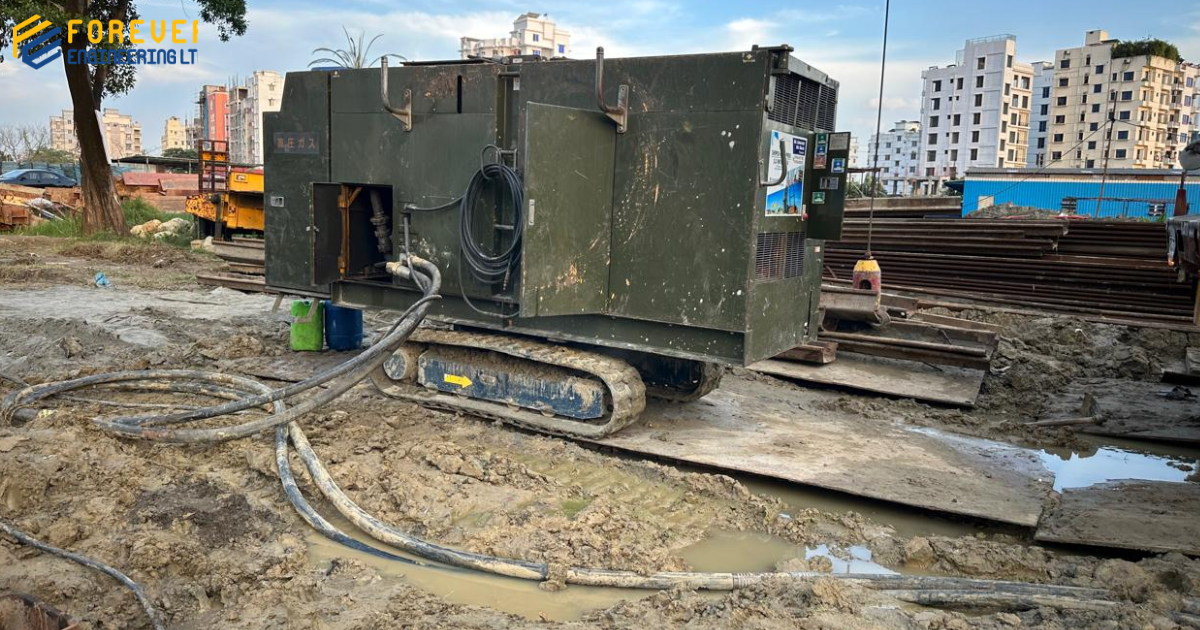
Sheet pile lifting by a silent piler machine is an important part of steel sheet pile installation. Before installing a sheet pile, workers must lift it, move it to the correct place, and prepare it for the installation process. Steel sheet piles are often long and heavy, so careful handling is necessary to prevent accidents and damage. A silent pillar is mainly used to press steel sheet piles into the ground with low noise and vibration. A suitable crane, lifting attachment, or other approved lifting system may be needed to move the piles safely, depending on the machine and site conditions. Forever Engineering Ltd. understands the importance of proper pile handling, suitable equipment, and careful planning for safe sheet pile installation.
What Is Sheet Pile Lifting by the Silent Piler Machine?
Sheet Pile Lifting by Silent Piler Machine means lifting, moving, and positioning steel sheet piles before they are pressed into the ground. First, workers unload the piles and move them from the storage area to the installation location. They use suitable lifting equipment to control the heavy steel piles during this process. Once a pile reaches the required position, the team checks its alignment and prepares it for the Silent Piler to grip. The machine then presses the pile into the ground according to the approved installation procedure. The lifting method depends on the pile’s weight, length, machine design, and site conditions. Workers must always follow the lifting plan and the equipment manufacturer’s instructions.
Why Is Proper Sheet Pile Lifting Important?
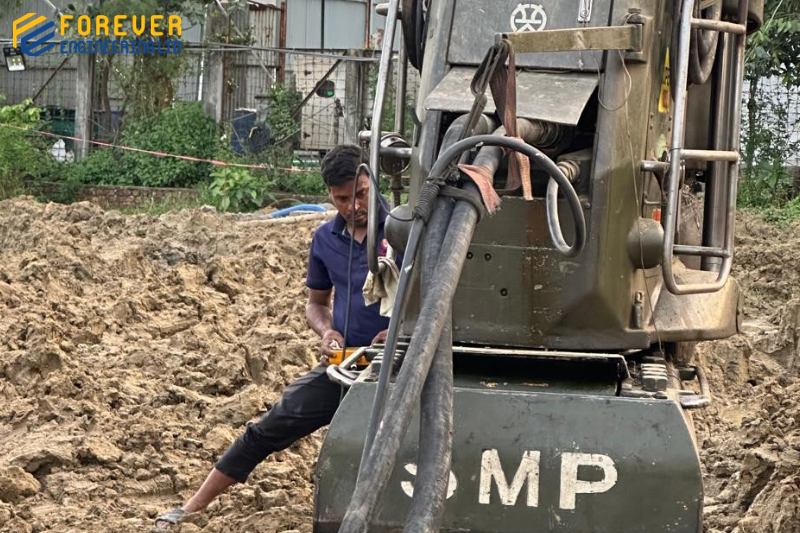
Steel sheet piles can be difficult to control because they are long, heavy, and sometimes awkward to handle. If workers use the wrong lifting equipment or attach it incorrectly, a pile may slip, swing, bend, or fall. This can cause injuries, damage nearby structures, and delay the project. Proper lifting also helps the team place each pile in the correct position before installation. If a pile is not positioned properly, it may affect the alignment of the sheet pile wall and the connection between neighboring piles. Careful handling protects workers, reduces material damage, and helps the installation team complete the work more smoothly.
How Does Sheet Pile Lifting by Silent Piler Machine Work?
The process starts with checking the steel sheet pile and preparing the lifting equipment. Workers confirm the pile’s weight and condition, then check that the crane or other lifting system can safely handle the load. Approved lifting accessories are attached according to the lifting plan. The operator then raises the pile slowly and checks that it is balanced before moving it towards the installation area. The ground crew guides the pile from a safe position and helps the operator place it at the required location. Once the pile is positioned, the team checks its alignment and prepares it for the Silent Piler’s clamping system. The operator starts pressing only after the required safety and positioning checks are complete. The exact process depends on the machine model and the approved site procedure.
Main Steps for Lifting Steel Sheet Piles
Following a clear lifting process helps workers handle steel sheet piles safely and place them correctly before installation.
- Check the Sheet Pile: Confirm the pile’s type, length, weight, and condition before lifting. Look for bending, damaged edges, or other visible problems that may affect safe handling.
- Prepare the Lifting Area: Clear unnecessary materials from the lifting path. Check the ground, nearby structures, overhead obstacles, and access route before moving the pile.
- Inspect the Lifting Equipment: Check the crane or carrier, lifting clamps, slings, shackles, and other accessories. Make sure the equipment is suitable for the load and has passed the required inspections.
- Attach the Lifting Accessories: Use approved lifting points and accessories according to the lifting plan. The connection must hold the pile securely and keep the load under control.
- Lift the Pile Slowly: Raise the pile carefully and check its balance before moving it. Avoid sudden movements that could make the pile swing or place extra stress on the lifting equipment.
- Move the Pile to the Installation Area: Follow the planned lifting route and keep people away from the moving load. Use approved methods to control the pile when required by the lifting plan.
- Position the Pile Correctly: Guide the pile towards the required location while keeping workers away from pinch points. Check the pile’s position and alignment before the Silent Piler grips it.
- Prepare for Installation: Make sure the pile is secured according to the machine’s operating procedure. The operator should begin pressing only after all required checks are complete.
Equipment Used for Sheet Pile Lifting
The equipment needed for sheet pile lifting by a silent piler machine depends on the pile size, lifting weight, machine design, and site layout. Every item must be suitable for its intended use.
- Crane or Suitable Carrier: A crane or compatible carrier may be used to lift and move steel sheet piles. Its lifting capacity must be suitable for the load and the planned working conditions.
- Lifting Clamps: Suitable lifting clamps hold the pile during handling. Workers must confirm that the clamps are designed for the pile type and are attached according to the manufacturer’s instructions.
- Slings and Shackles: These accessories connect the pile or lifting attachment to the lifting machine. Their rated capacity, condition, and compatibility must be checked before use.
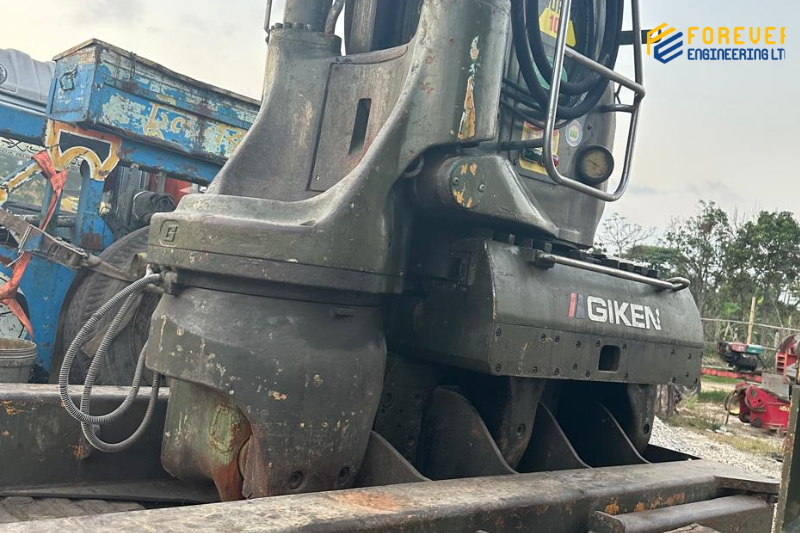
- Silent Piler Clamping System: The Silent Piler uses its clamp to grip the pile during the pressing process. Workers must not assume that this clamp can also lift the pile unless the manufacturer specifically approves it for lifting.
- Tag Lines: Tag lines may help workers guide a suspended pile from a safe position. They should be used according to the lifting plan and must not place workers near dangerous pinch points.
- Communication Equipment: Clear signals or suitable communication devices help the operator and ground crew work together. A designated signal person should guide the operator when required.
How to Position Sheet Piles Before Installation
Correct positioning helps the Silent Piler grip the pile and install it along the planned wall line. Before lifting, workers should check the pile location against the project drawings and site markings. The operator then lowers the pile slowly while the ground crew guides it from safe positions. Workers must keep their hands and feet away from sharp edges, moving steel, and gaps where they could become trapped. Once the pile reaches the installation point, the team checks its direction, vertical position, and connection with the neighboring pile. The operator follows the machine manufacturer’s procedure to grip and secure the pile. If the pile is not correctly positioned or cannot be handled safely, the team should stop and correct the problem before starting installation.
Factors to Check Before Lifting Sheet Piles
Before starting sheet pile lifting by the silent piler machine, engineers and lifting supervisors should check the site conditions and confirm that the lifting arrangement is safe.
- Pile Weight and Length: Confirm the pile’s weight and length using the available project information. Long piles may need special handling because they can bend or swing during lifting.
- Lifting Capacity: Check that the crane, lifting attachments, and accessories can safely handle the load. The crane’s capacity can change depending on its working radius and setup.
- Ground Conditions: The ground supporting the crane or carrier must be suitable for the operation. Check for soft soil, uneven surfaces, underground structures, and other conditions that may affect stability.
- Wind and Weather: Strong winds can make long steel piles difficult to control. Follow the approved site limits and stop lifting when weather conditions become unsafe.
- Working Space: Check for nearby buildings, electrical lines, vehicles, and other obstacles. Make sure there is enough space to move the pile without hitting people or structures.
- Pile Condition: Inspect the pile for bending, damaged edges, or other defects that may affect lifting or installation. Report any concerns before moving it.
- Communication: Make sure the operator, signal person, and ground crew understand the lifting sequence and signals before work begins.
Common Problems During Sheet Pile Lifting
Problems can occur when the lifting arrangement is unsuitable, the load is not balanced, or the site team does not communicate clearly. Good preparation can help prevent these issues.
- Pile Swinging: A long pile may swing when it is raised or moved. Lift it slowly, avoid sudden movements, and use an approved method to control its movement.
- Uneven Lifting: If the lifting points are unsuitable or the load is not balanced, the pile may tilt. Check the lifting arrangement and confirm the load is stable before moving it.
- Damage to the Pile: Poor handling can bend the pile or damage its edges and interlocks. Use suitable lifting accessories and avoid dragging piles across the ground.
- Incorrect Positioning: A pile may reach the installation area but fail to line up with the planned wall. Check its position and correct any problem before the Silent Piler starts pressing.
- Equipment Problems: Worn slings, damaged clamps, or faulty lifting accessories can create serious risks. Remove damaged equipment from use and replace it with suitable items.
- Poor Communication: Conflicting signals can cause unexpected movement. Agree on the signals before lifting and make sure the operator follows the appointed signal person’s instructions.
Safety Rules for Sheet Pile Lifting by Silent Piler Machine
Safety must come first when handling heavy steel sheet piles. Every worker involved in lifting should understand their role and follow the approved lifting plan.
- Inspect Equipment Before Use: Check the lifting machine, clamps, slings, shackles, and connections before starting. Do not use damaged or unsuitable equipment.
- Keep Clear of Suspended Loads: Never stand or walk under a suspended sheet pile. Keep unauthorised people away from the lifting area.
- Use Trained Workers: The operator, signal person, and lifting crew should have the training and authorisation required for their duties.
- Follow Clear Signals: Use agreed signals during lifting. The operator should know who is directing the operation and how to respond if work needs to stop.
- Avoid Pinch Points: Keep hands and feet away from pile edges, clamps, and gaps between steel piles. Guide the pile only from safe positions using approved methods.
- Check Nearby Hazards: Look for electrical lines, nearby structures, moving vehicles, and uneven ground before lifting. Maintain the required safety clearances.
- Follow Weather Limits: Stop lifting if strong wind or other weather conditions make the pile difficult to control or exceed the site’s approved limits.
- Secure the Pile Before Releasing It: Do not remove lifting accessories until the pile is safely supported or secured according to the approved procedure.
- Follow the Manufacturer’s Instructions: Use the Silent Piler and its clamping system only for approved purposes. Do not use the machine clamp as a lifting device unless the manufacturer specifically permits it.
How Forever Engineering Ltd. Supports Sheet Pile Projects
Forever Engineering Ltd. understands that safe sheet pile installation starts with proper planning and handling. Before lifting begins, the project team should check the pile dimensions, lifting arrangement, equipment capacity, ground conditions, and available working space. The lifting method must match the site requirements and the manufacturer’s instructions. After the pile is moved into position, the team should check its alignment and prepare it for the Silent Piler’s pressing operation. Good communication between engineers, operators, and lifting crews can help reduce avoidable delays and improve site safety. Every project should follow its approved lifting plan and installation procedure.
Conclusion
Sheet Pile Lifting by Silent Piler Machine requires suitable equipment, careful positioning, and clear communication between the site team. Steel sheet piles are long and heavy, so workers must check the load, lifting accessories, ground conditions, and surrounding hazards before starting. The pile should be lifted slowly, moved along a safe route, and positioned correctly before the Silent Piler begins pressing it into the ground. Regular equipment checks and trained workers help reduce the risk of accidents and pile damage. Forever Engineering Ltd. recognises the importance of careful planning and safe working methods for sheet pile installation projects.
Frequently Asked Questions
- What is Sheet Pile Lifting by Silent Piler Machine?
It is the process of lifting, moving, and positioning steel sheet piles before they are pressed into the ground using a Silent Piler system.
- Which equipment is used to lift steel sheet piles?
Depending on the site and pile size, workers may use a crane or suitable carrier, approved lifting clamps, slings, shackles, and other lifting accessories.
- Can a Silent Piler lift steel sheet piles by itself?
It depends on the machine model and the manufacturer’s instructions. The machine’s pressing clamp should not be used for lifting unless it is specifically approved for that purpose.
- Why is correct pile positioning important?
Correct positioning helps the pile follow the planned wall line and connect properly with neighbouring piles. It can also reduce installation problems.
- What safety checks are needed before lifting sheet piles?
Check the pile weight, lifting capacity, equipment condition, ground stability, weather, working space, and communication arrangements.
- How can workers prevent a sheet pile from swinging?
Lift the pile slowly, avoid sudden movements, and use approved load-control methods where required. Workers should remain in safe positions and never stand under a suspended load.
- What should workers do if a pile is damaged?
They should report the damage and have the pile checked by the responsible person before lifting or installing it. A damaged pile should not be used without approval.
- What happens after the sheet pile is positioned?
The team checks its alignment and secures it according to the approved procedure. The Silent Piler operator can then begin pressing once all required checks are complete.