
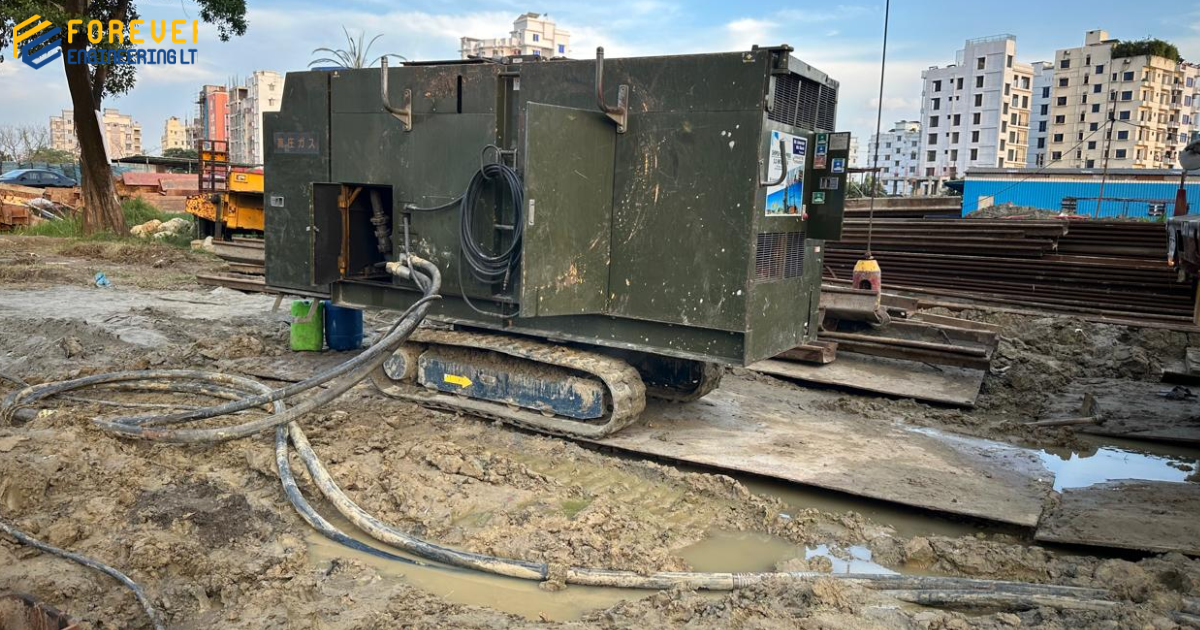
Sheet pile lifting by a silent piler machine requires proper planning, suitable lifting equipment, and careful handling. A silent pillar is a hydraulic press-in machine designed to install sheet piles with low noise and vibration.
In Bangladesh, sheet piling is used for basement construction, deep excavation, riverbank protection, and infrastructure projects. Forever Engineering Ltd. supports sheet piling projects where safe equipment handling and suitable installation methods are important.
What Is Sheet Pile Lifting by the Silent Piler Machine?
Sheet pile lifting by Silent Piler Machine refers to the process of raising, handling, positioning, and feeding sheet piles into a hydraulic press-in system. A Silent Piler uses hydraulic force to press sheet piles into the ground instead of relying mainly on impact blows or continuous vibration. Depending on the model, the machine may use previously installed piles as a reaction system to press the next pile into position. The pile lifting and feeding process may require a crane, lifting accessories, pile guides, and the Silent Piler’s dedicated handling equipment. The exact arrangement depends on the machine model, pile dimensions, site conditions, and manufacturer’s instructions. Engineers must confirm the lifting arrangement before work starts to prevent pile damage, equipment instability, and accidents.
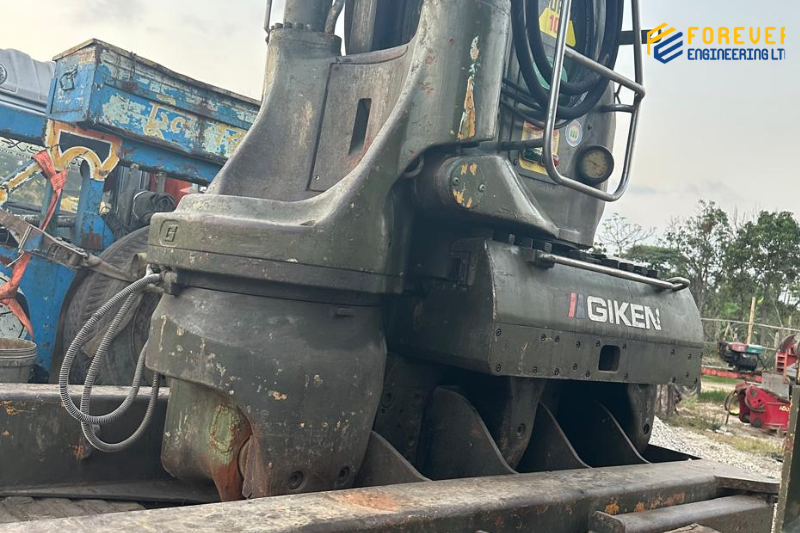
How Does a Silent Piler Machine Handle Sheet Piles?
A Silent Piler handles sheet piles through a controlled process that combines lifting equipment, positioning arrangements, and hydraulic press-in operations. The machine does not necessarily lift every pile independently, so the team must follow the specific operating procedure for the selected model.
Step 1: Preparing the Work Area: The team checks the ground, machine position, pile storage area, and access route before lifting begins. The working platform must support the machine and any lifting equipment safely.
Step 2: Inspecting the Sheet Piles: Workers check the pile length, profile, interlocks, and visible condition before lifting. Bent piles or damaged interlocks can create alignment problems during installation.
Step 3: Attaching the Lifting Equipment: The operator or lifting team connects approved lifting accessories to the designated lifting points. The accessories must have sufficient rated capacity for the pile weight and lifting arrangement.
Step 4: Raising the Sheet Pile: The crane or the machine’s approved handling system raises the pile in a controlled manner. Workers should guide the pile from a safe position and avoid standing beneath suspended loads.
Step 5: Positioning the Pile: The team aligns the pile with the installation point and checks its orientation. Correct positioning helps the pile connect with the adjacent sheet pile and follow the designed wall line.
Step 6: Feeding the Pile into the Silent Piler: The operator secures the pile using the machine’s approved clamping or feeding arrangement. The pile is then pressed into the ground according to the manufacturer’s operating procedure.
Step 7: Checking Alignment and Installation: The team monitors verticality, interlock engagement, and installation progress. Engineers check the installed pile against the approved design and project requirements.
Methods of Sheet Pile Lifting for Silent Piler Operations
Different lifting arrangements may be used to handle sheet piles during Silent Piler operations. The suitable method depends on the machine model, pile size, site access, and available lifting equipment.
Crane-Assisted Sheet Pile Lifting: A crane lifts long or heavy sheet piles and positions them near the Silent Piler. The lifting plan must consider pile weight, lifting radius, crane capacity, ground stability, and wind conditions.
Machine-Assisted Pile Handling: Some Silent Piler models include dedicated pile-handling or feeding systems. These systems help move piles into the required position, but operators must follow the model-specific instructions and capacity limits.
Vertical Pile Positioning: The lifting team raises and aligns the sheet pile vertically before feeding it into the installation system. Proper alignment helps prevent pile rotation, interlock damage, and installation difficulties.
Horizontal Pile Handling: Sheet piles are often stored and transported horizontally before being raised for installation. Workers should use suitable support points and lifting accessories to control bending, prevent uncontrolled movement, and protect the pile edges.
Restricted-Space Pile Handling: Urban projects may have limited space for cranes, pile storage, and equipment movement. Engineers should plan the lifting sequence, delivery arrangements, and exclusion zones before work begins.
What Engineers Should Know Before Lifting Sheet Piles
Engineers should check the pile specifications, lifting arrangement, machine capacity, and site conditions before starting Silent Piler operations. Proper preparation helps reduce handling risks and supports accurate installation.
Pile Weight and Dimensions: Engineers should confirm the weight, length, profile, and centre of gravity of each pile. These details help the team select suitable lifting equipment and identify the correct lifting points.
Crane Capacity and Lifting Radius: The crane must have enough rated capacity for the actual lifting configuration and radius. Engineers should also account for lifting accessories and follow the approved lifting plan.
Silent Piler Compatibility: Engineers should verify that the selected Silent Piler can handle the pile profile and dimensions. They must check the machine’s clamping arrangement, press-in capacity, and manufacturer requirements before installation.
Ground Conditions and Machine Stability: The working platform must safely support the Silent Piler, crane, and other equipment. Weak or uneven ground may require suitable platform preparation before lifting and installation begin.
Pile Alignment and Interlocks: Engineers should ensure the pile is correctly oriented before feeding it into the machine. Poor alignment can damage interlocks, cause deviation from the wall line, and create difficulties when installing adjacent piles.
Nearby Structures and Utilities: The team should identify nearby buildings, roads, underground services, and overhead obstructions. Although Silent Piler systems are designed for low-noise, low-vibration installation, site-specific risks still require assessment.
Safety Measures During Sheet Pile Lifting
Sheet pile lifting involves suspended loads, heavy machinery, and potential pinch points. Contractors should follow the approved lifting plan, manufacturer instructions, and site safety procedures.
Inspect Lifting Accessories: Check slings, shackles, hooks, lifting beams, and connection points before use. Damaged or unsuitable accessories must not be used.
Establish an Exclusion Zone: Keep unauthorised workers away from the lifting area. No worker should stand beneath a suspended pile or enter a hazardous area during machine operation.
Use Trained Operators and Signalers: Crane operators, riggers, and signalers should be trained for their assigned duties. The team should use clear communication signals throughout the lifting process.
Control Pile Movement: Use approved tag lines or other suitable controls when permitted by the lifting plan. Workers must remain clear of pinch points and never attempt to stop a swinging pile by hand.
Check Weather Conditions: Strong winds can make long sheet piles difficult to control. The lifting supervisor should follow the equipment manufacturer’s limits and stop lifting when conditions become unsafe.
Follow Machine Operating Procedures: Only authorised operators should control the Silent Piler and its handling system. Workers must keep clear of clamps, moving parts, and hydraulic equipment during operation.
Common Problems During Silent Piler Sheet Pile Lifting
Sheet pile handling can create installation problems if workers use unsuitable lifting methods or fail to prepare the work area properly.
Pile Swinging During Lifting: Long piles may swing because of wind, sudden movement, or incorrect lifting arrangements. A suitable lifting plan and controlled crane movement help reduce this risk.
Damaged Sheet Pile Interlocks: Poor handling, incorrect lifting points, or impact with nearby objects can damage the pile edges. Workers should inspect the interlocks before installation and handle piles carefully.
Incorrect Pile Alignment: A pile may not enter the installation system in the correct position if the lifting and positioning process lacks proper control. Guides and alignment checks help the team maintain the designed wall line.
Equipment Capacity Problems: A crane, lifting accessory, or machine may be unsuitable for the pile being handled. Engineers should confirm the load and equipment ratings before lifting begins.
Limited Site Access: Restricted working space can make pile delivery, storage, and positioning difficult. Advance planning helps reduce unnecessary movement and unsafe lifting operations.
Advantages of Proper Sheet Pile Lifting
Proper sheet pile lifting supports safer operations and more efficient installation. It also helps protect equipment and materials throughout the construction process.
Improved Installation Accuracy: Correct positioning helps the Silent Piler feed piles into the ground along the planned wall line. This reduces alignment problems and supports proper interlock connections.
Reduced Material Damage: Suitable lifting points and accessories help prevent bending, surface damage, and interlock deformation. This is especially important when contractors plan to reuse temporary sheet piles.
Better Site Safety: A clear lifting plan, trained workers, and controlled equipment movement help reduce the risk of dropped loads and crushing injuries.
Efficient Construction Workflow: Planning pile delivery, storage, lifting, and feeding in advance can reduce delays between installation cycles. Good coordination also helps workers use equipment more efficiently.
Suitable for Noise-Sensitive Projects: Silent Piler technology can reduce installation noise and vibration compared with conventional driving methods. However, lifting operations still create hazards and may produce noise from cranes and supporting equipment.
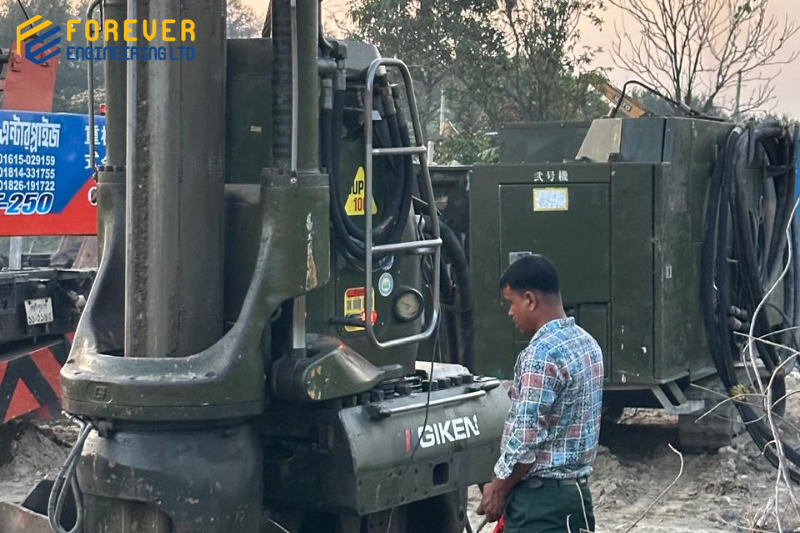
Sheet Piling Solutions by Forever Engineering Ltd.
Forever Engineering Ltd. supports sheet piling and foundation-related construction projects that require suitable installation methods, equipment planning, and careful site coordination. Silent Piler systems may be considered for projects where low-noise, low-vibration pile installation is important and the machine is compatible with the ground conditions.
Before starting work, the project team should review the geotechnical report, pile specifications, machine requirements, lifting arrangements, and site access. Proper planning helps the team manage sheet pile handling, maintain alignment, and follow the approved construction procedure.
For basement construction, excavation support, riverbank protection, and other sheet piling applications, engineers should select equipment according to the project design and manufacturer’s instructions. Safe lifting and accurate positioning remain essential throughout installation.
If you are planning a sheet piling project in Bangladesh, contact Forever Engineering Ltd. to discuss your project requirements and suitable sheet piling solutions.
Conclusion
Sheet pile lifting by Silent Piler Machine requires suitable lifting equipment, correct pile positioning, and proper coordination between the lifting team and machine operator. Crane-assisted handling, dedicated machine-feeding systems, and carefully planned positioning arrangements can support safe and efficient installation.
Engineers should check pile weight, lifting capacity, machine compatibility, ground stability, and nearby structures before starting work. They should also inspect lifting accessories, maintain exclusion zones, and follow the manufacturer’s operating procedures.
For sheet piling projects in Bangladesh, Forever Engineering Ltd. emphasises proper equipment selection, safe handling, and compliance with approved engineering requirements to support reliable construction work.
Frequently Asked Questions (FAQs)
- What is a Silent Piler machine used for?
A Silent Piler is a hydraulic press-in machine used mainly to install sheet piles with low noise and vibration. Many systems use previously installed piles as a reaction force for pressing the next pile into the ground.
- How are sheet piles lifted for Silent Piler installation?
Sheet piles may be lifted using a crane or a model-specific pile-handling system. The method depends on the machine design, pile dimensions, site conditions, and manufacturer’s instructions.
- Does a Silent Piler lift sheet piles by itself?
Some models have dedicated pile-handling or feeding systems, while others require supporting lifting equipment. The exact arrangement depends on the model and the installation procedure.
- What safety precautions are necessary during sheet pile lifting?
Workers should inspect lifting accessories, confirm crane capacity, establish exclusion zones, use trained personnel, and follow an approved lifting plan. No one should stand beneath suspended piles.
- Can a Silent Piler work near existing buildings?
Silent Piler systems are often considered for locations with strict noise and vibration limits. Engineers must still assess soil conditions, ground movement, site access, and nearby structures before choosing the method.
- Why is sheet pile alignment important during installation?
Correct alignment helps sheet piles connect through their interlocks and follow the designed wall line. Poor alignment can cause interlock damage, installation delays, and problems with the completed wall.
- What should engineers check before Silent Piler operations?
Engineers should check pile dimensions and weight, machine compatibility, lifting capacity, ground stability, site access, and nearby utilities. They should also review the approved lifting plan and installation procedure.