
What Is Sheet Pile Foundation Cost?
Sheet Pile Foundation Cost refers to the total expense of using steel sheet piles to support the ground during foundation and excavation work. Contractors use sheet piles to hold soil in place, protect nearby structures, and create a safe working area for construction. The total cost depends on the project size, sheet pile quality, installation method, soil conditions, and required installation depth. Some projects need sheet piles for temporary support, while others need them for permanent structures. Each project has different requirements, so contractors should calculate the cost based on actual site conditions rather than using a fixed rate.
What Is a Sheet Pile Foundation?
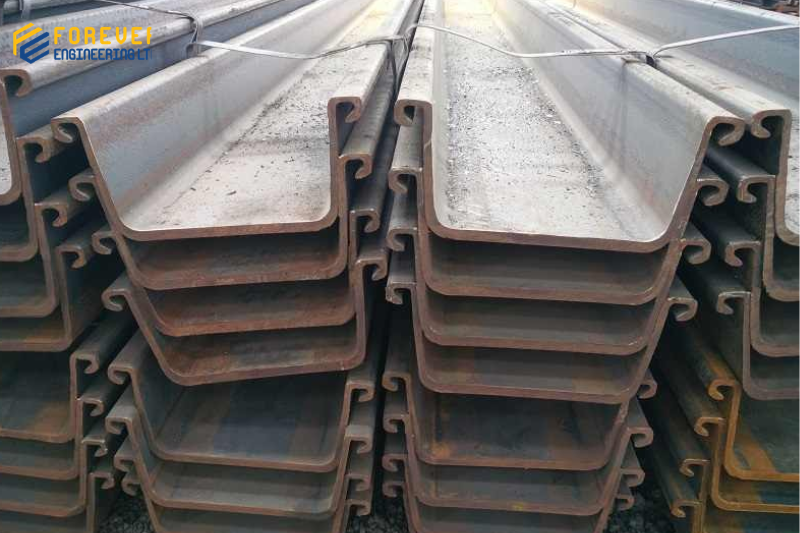
A sheet pile foundation uses connected steel sheets that contractors drive into the ground to create a strong wall. These sheets have interlocking edges that help connect one pile to another. The connected wall supports the surrounding soil and reduces the risk of ground movement during excavation. Engineers often use sheet pile foundations for basements, bridge foundations, riverbank protection, cofferdams, and deep excavation projects. Steel sheet piles work well in many soil conditions and can support both temporary and permanent construction work when engineers select and install them correctly.
Main Factors That Affect Sheet Pile Foundation Cost
Several factors affect the total sheet pile foundation cost of a construction project. Contractors should review these factors before preparing a budget or requesting a quotation.
Sheet Pile Type and Quality: Steel sheet piles come in different shapes, sizes, thicknesses, and grades. Each type has a different weight and strength. Heavy or high-strength sheet piles may cost more because they use more steel and can support higher loads. Engineers select the suitable section based on the design and project requirements.
Sheet Pile Length and Thickness: Longer and thicker sheet piles generally require more steel material. They may also need stronger equipment for installation. If the project requires deep excavation or strong soil support, engineers may recommend longer or thicker piles. The required length and thickness directly affect the material budget.
Soil Conditions: Soil conditions play an important role in foundation cost. Soft soil may allow contractors to install sheet piles with less resistance. Hard soil, dense sand, gravel, or obstructions can make installation more difficult. These conditions may increase machine time, labor costs, and equipment expenses.
Installation Method: Contractors can install sheet piles using vibratory hammers, impact hammers, hydraulic pressing systems, or other suitable methods. Each method has different equipment and operating costs. Engineers choose the method according to soil conditions, nearby structures, noise restrictions, and project requirements.
Excavation Depth and Wall Area: A deeper excavation usually requires longer sheet piles and stronger support systems. The total wall area also affects the number of piles required. Contractors should calculate the excavation perimeter and depth before estimating the material quantity and installation cost.
Transportation and Handling: Sheet piles need proper transportation from the supplier to the construction site. Long or heavy piles may require special trucks, lifting equipment, and careful unloading. Distance, road conditions, and site access can increase transportation and handling expenses.
Labor and Equipment Charges: Skilled workers and suitable machines help contractors install sheet piles safely and efficiently. The total labor and equipment cost depends on project duration, pile quantity, site conditions, and the installation method.
Sheet Pile Foundation Cost for Different Projects
The cost of a sheet pile foundation changes according to the type of construction work. Each project has different design needs, excavation depths, and ground conditions.
Basement Foundation: Basement construction often requires sheet piles to support soil around the excavation area. The cost depends on basement depth, wall length, nearby buildings, and groundwater conditions. Contractors may also need bracing or other support systems to maintain stability during excavation.
Bridge Foundation: Bridge projects may use sheet piles to create a temporary working area around foundation locations. Contractors often build cofferdams to control water and support excavation. Water depth, river conditions, and pile installation requirements can increase the project cost.
Riverbank Protection: Sheet piles help protect riverbanks from soil erosion and water movement. The cost depends on river conditions, wall height, pile length, and the required protection level. Some projects need additional structural support to handle water pressure and soil loads.
Deep Excavation: Deep excavation projects require careful ground support. Engineers may select longer sheet piles and additional bracing to control soil movement. These requirements can increase material, equipment, and installation expenses.
How to Calculate Sheet Pile Foundation Cost
Contractors can prepare an initial estimate by calculating the required sheet pile quantity and adding the related project expenses. A simple calculation can help with early budget planning.
Step 1: Calculate the Required Wall Area: Measure the total length of the sheet pile wall and its required height. Multiply these two measurements to find the total wall area. This calculation helps you understand how much sheet pile material your project needs.
Wall Area = Total Wall Length × Wall Height
Step 2: Calculate the Required Sheet Pile Quantity: Check the effective width of the selected sheet pile section. Divide the total wall length by the effective width to estimate the number of piles required. This calculation helps you plan the material quantity and avoid unnecessary purchases.
Step 3: Estimate the Material Cost: Calculate the total weight or quantity of sheet piles required for the project. Then, use the supplier’s quotation to estimate the material cost. The final price depends on the sheet pile section, steel grade, thickness, and current market conditions.
Step 4: Add Installation and Other Expenses: Include the cost of sheet pile installation, transportation, lifting, labor, and equipment rental. Some projects may also need additional support systems or special installation methods. Adding these expenses helps you estimate the total project cost more accurately.
Step 5: Review the Project Requirements: Check the structural design, soil report, excavation depth, and groundwater level before preparing the final estimate. Also, consider the available space and site access for machines and workers. These details help contractors choose the right sheet piles and prepare a realistic sheet pile foundation cost estimate.
Sheet Pile Foundation Cost: Buying vs. Renting
Contractors can purchase or rent sheet piles depending on the project duration and future requirements. Both options have advantages, but the right choice depends on the project budget and material needs.
Buying Sheet Piles: Purchasing sheet piles may suit projects that need permanent installation or require the same materials for several future projects. Contractors can keep the piles as company assets and use them again when their condition allows. However, buying requires a higher initial investment and proper storage after use.
Renting Sheet Piles: Renting can help contractors reduce the initial material investment for temporary projects. It may suit basement excavation, temporary retaining walls, cofferdams, and short-term foundation work. Contractors should check the rental period, transportation charges, installation expenses, extraction costs, and return conditions before signing an agreement.
How to Reduce Sheet Pile Foundation Cost
Contractors can manage foundation expenses through proper planning and careful material selection. The goal is to control unnecessary costs without reducing construction safety or structural performance.
Choose the Right Sheet Pile Section: Engineers should select a suitable pile section based on soil conditions, excavation depth, and design requirements. Using an unnecessarily heavy section can increase material expenses.
Plan the Installation Method: A suitable installation method can reduce machine time and improve work efficiency. Contractors should consider soil resistance, nearby structures, and site restrictions before selecting equipment.
Reuse Suitable Sheet Piles: Contractors can reuse extracted sheet piles when their condition meets the requirements of the next project. They should inspect the piles for bending, corrosion, damaged interlocks, and other defects before reuse.
Prepare the Site Properly: Clear access and proper pile storage can help workers handle materials safely. Good site preparation also reduces delays during installation.
Compare Complete Quotations: Contractors should compare material supply, transportation, installation, extraction, and other charges. A clear quotation helps them understand the actual project expense and avoid unexpected costs.
Common Mistakes When Estimating Sheet Pile Foundation Cost
A poor estimate can create budget problems during construction. Contractors should avoid common mistakes when planning a sheet pile foundation.
Ignoring Soil Conditions: Soil resistance can affect installation speed and equipment requirements. Contractors should review soil information before estimating the cost. Soft soil may allow faster installation, while hard or rocky soil can increase machine time and labour expenses. A proper soil assessment helps engineers choose the right installation method and prepare a more accurate budget.
Using the Wrong Pile Length: Incorrect sheet pile length can affect both project safety and material expenses. Engineers should select the required length based on the design, excavation depth, and ground conditions. Short piles may not provide enough support, while unnecessarily long piles can increase material and installation costs. Proper planning helps contractors avoid extra expenses and maintain structural stability.
Forgetting Additional Charges: Some estimates include only the sheet pile material price. Contractors should also consider transportation, installation, lifting, extraction, and storage when these services apply. Equipment rental, labour, and site preparation may also increase the total project cost. A complete cost estimate helps prevent unexpected expenses during construction.
Choosing Only the Lowest Price: A low quotation may not include all required services or may offer unsuitable materials. Contractors should review pile quality, technical support, and the complete scope of work before making a decision. Poor-quality materials can create installation problems and increase repair or replacement costs. Comparing complete quotations helps project owners choose a reliable solution within their budget.
Sheet Pile Foundation Solutions from Forever Engineering Ltd.
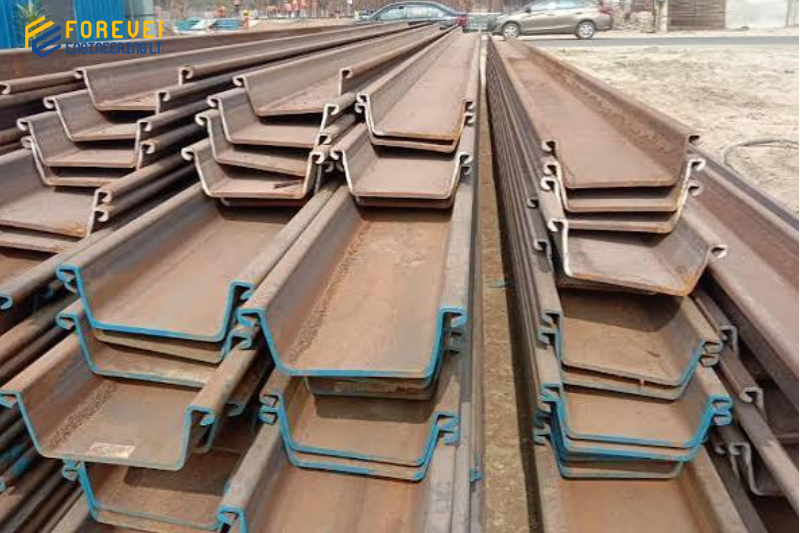
Forever Engineering Ltd. supports construction projects with sheet pile supply and project-based solutions. The company helps contractors, consultants, and project owners understand their sheet pile requirements and plan suitable foundation work. Its team can assist with material selection, project consultation, and quotation preparation based on the project scope. Before selecting sheet piles, contractors should consider excavation depth, soil conditions, structural requirements, installation methods, and project duration. Forever Engineering Ltd. can help clients review these requirements and identify suitable sheet pile options for their construction work. For sheet pile supply, project consultation, or pricing information, contact Forever Engineering Ltd. to discuss your project requirements and request a quotation.
Conclusion
Sheet Pile Foundation Cost depends on several important factors, including material quality, pile length, soil conditions, excavation depth, installation method, and transportation. Contractors should review these factors before preparing a project budget. Proper planning, suitable material selection, and efficient installation can help control expenses while maintaining construction safety. Forever Engineering Ltd. can support contractors with sheet pile supply, technical guidance, and project-based quotations for different foundation and excavation requirements.
Frequently Asked Questions
What affects the sheet pile foundation? Cost the most?
Material quantity, pile length, steel section, soil conditions, installation method, and excavation depth are among the main factors that affect the total cost.
Is sheet pile foundation suitable for basement construction?
Yes. Contractors commonly use sheet piles to support soil around basement excavations. Engineers select the suitable pile section and support system based on the site conditions and design requirements.
Is renting sheet piles cheaper than buying?
Renting may reduce the initial investment for temporary projects. Buying may be more suitable for permanent work or projects that require repeated use of the same materials. Contractors should compare the complete costs before choosing.
Can contractors reuse steel sheet piles?
Yes, contractors can reuse steel sheet piles when they remain in suitable condition. They should inspect the piles after extraction and confirm that the materials meet the next project’s requirements.
How can I get a sheet pile foundation cost quotation?
You can contact Forever Engineering Ltd. with your project details, including required pile length, wall area, excavation depth, location, and installation requirements. These details help the company prepare a project-based quotation.