
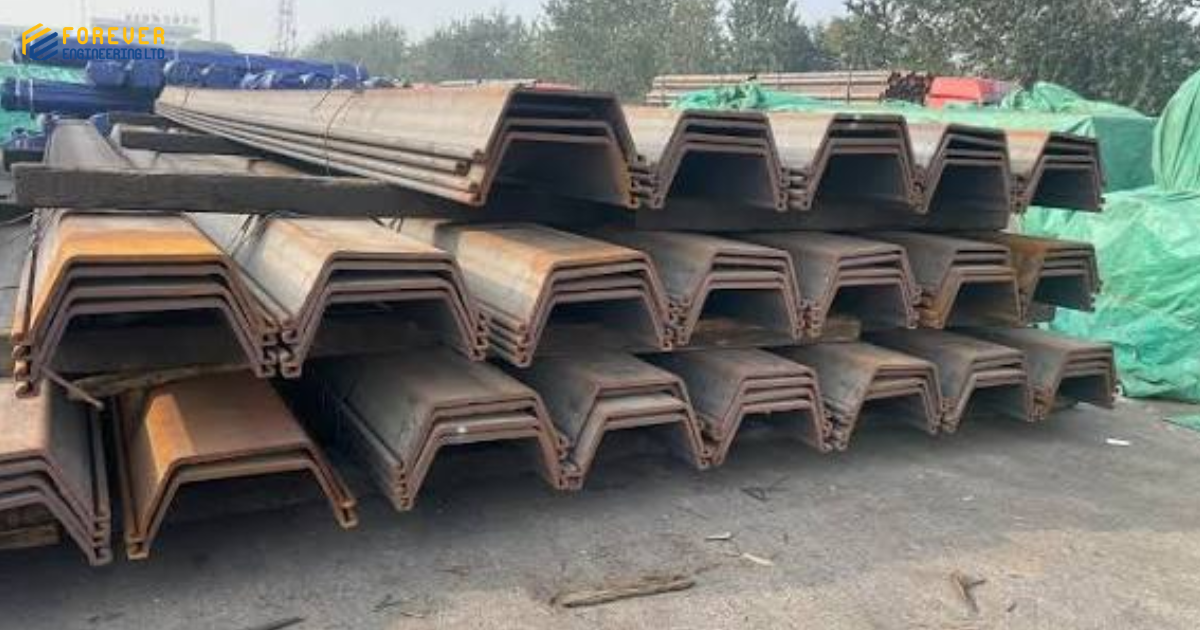
Sheet piles are an important part of modern construction projects. They provide temporary or permanent support for deep excavations, retaining walls, bridge foundations, riverbank protection, marine structures, and basement construction. A properly designed and installed sheet pile wall keeps the surrounding soil stable and protects nearby structures. However, if engineers do not plan, design, or install the sheet piles correctly, the retaining wall may fail and create serious safety risks.
Sheet pile failure can lead to soil collapse, water leakage, project delays, expensive repairs, and damage to nearby buildings. Most sheet pile failures happen because of poor engineering, unsuitable materials, incorrect installation methods, or unexpected ground conditions. The good news is that many of these problems can be prevented through proper planning, quality materials, and professional engineering.
Forever Engineering Ltd. provides reliable sheet pile solutions for construction projects across Bangladesh. Our experienced engineers carefully study every project before selecting the best sheet pile system. We follow industry standards, use high-quality steel sheet piles, and apply proven installation methods to reduce the risk of sheet pile failure.
This guide explains the common causes of sheet pile failure, the warning signs, effective prevention methods, and how professional engineering helps create safe and durable retaining structures.
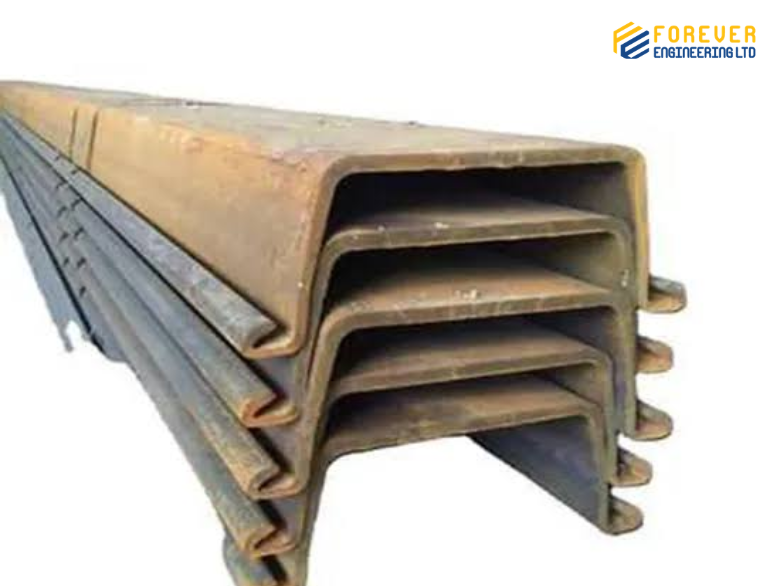
What Is Sheet Pile Failure?
Sheet pile failure occurs when a sheet pile wall cannot perform its intended function safely. Instead of supporting the surrounding soil and water pressure, the wall may bend, move, crack, leak, or collapse.
Failure does not always mean that the wall completely falls down. Even small movements, excessive bending, damaged interlocks, or water leakage can indicate that the sheet pile system is not performing properly. If engineers do not solve these problems quickly, they can become serious structural failures.
A successful sheet pile wall depends on proper engineering design, quality materials, correct installation, and continuous inspection throughout the project.
Why Is Preventing Sheet Pile Failure Important?
Preventing sheet pile failure protects workers, nearby buildings, and the overall construction project. A stable sheet pile wall allows excavation work to continue safely while reducing unnecessary costs and delays.
Improves Construction Safety
A strong sheet pile wall supports the surrounding soil and prevents sudden collapse during excavation. This creates a safer working environment for construction workers and heavy equipment.
Protects Nearby Structures
Construction often takes place near roads, buildings, and underground utilities. Preventing sheet pile failure reduces soil movement and protects nearby structures from damage.
Reduces Construction Costs
Repairing a failed retaining wall is expensive and time-consuming. Proper engineering and installation help avoid unnecessary repair costs and project delays.
Supports Long-Term Performance
A well-designed sheet pile system continues to perform safely for many years. Proper prevention methods improve durability and reduce future maintenance requirements.
Builds Client Confidence
Successful projects increase client confidence and demonstrate the contractor’s commitment to quality construction and professional engineering.
Common Causes of Sheet Pile Failure
Many different factors can cause sheet pile failure. Understanding these causes helps engineers prevent problems before construction begins.
Poor Soil Investigation
One of the most common causes of sheet pile failure is an incomplete soil investigation. Every construction site has different soil conditions. Engineers must understand the soil strength, groundwater level, and bearing capacity before designing the retaining wall. Without accurate soil information, the selected sheet pile may not provide enough support for the project.
Incorrect Engineering Design
A poor engineering design can cause excessive bending, wall movement, or structural failure. Engineers must calculate soil pressure, water pressure, structural loads, and embedment depth before construction begins. Proper design ensures that the retaining wall remains stable under all expected conditions.
Low-Quality Sheet Piles
Using poor-quality steel sheet piles increases the risk of failure. Weak materials may bend, crack, or corrode much faster than high-quality steel. Choosing certified sheet piles improves durability and structural performance.
Improper Installation
Even high-quality sheet piles can fail if workers install them incorrectly. Poor alignment, insufficient driving depth, or damaged interlocks reduce the strength of the retaining wall. Professional installation ensures that every sheet pile performs as designed.
High Groundwater Pressure
Groundwater creates additional pressure on the retaining wall. If engineers do not include groundwater conditions in the design, the wall may move or leak during excavation. Proper drainage and engineering calculations help control groundwater pressure
More Common Causes of Sheet Pile Failure
Several additional factors can increase the risk of sheet pile failure. Engineers must evaluate every condition before construction begins to ensure the retaining wall remains safe and stable.
Insufficient Embedment Depth
The embedment depth is the portion of the sheet pile driven below the excavation level. If the sheet piles are not installed deep enough, they may not provide sufficient resistance against soil pressure. This can cause the retaining wall to tilt, move, or fail during excavation.
Engineers calculate the required embedment depth based on soil conditions, excavation depth, and groundwater level. Proper calculations improve wall stability and reduce construction risks.
Damaged Interlocks
The interlocks connect each sheet pile to form a continuous retaining wall. If the interlocks become damaged during transportation, handling, or installation, they may not connect properly.
Weak interlocks allow water to pass through the wall and reduce the overall structural strength. Careful inspection before installation helps identify damaged interlocks and prevents future problems.
Corrosion of Steel Sheet Piles
Steel sheet piles used in marine environments, rivers, or areas with high groundwater levels may experience corrosion over time. Severe corrosion reduces the thickness and strength of the steel, making the retaining wall weaker.
Applying protective coatings and carrying out regular inspections help extend the service life of steel sheet piles.
Heavy Structural Loads
Buildings, bridges, and industrial facilities create large external loads on retaining walls. If engineers underestimate these loads during design, the sheet pile wall may bend or move excessively.
Proper structural analysis ensures the selected sheet pile system can safely support the expected loads.
Poor Construction Supervision
Construction quality depends on proper supervision throughout the installation process. Without experienced engineers on site, workers may install sheet piles incorrectly or overlook important quality issues.
Professional supervision helps maintain construction quality and ensures the work follows the approved engineering design.
Warning Signs of Sheet Pile Failure
Early detection allows engineers to solve problems before they become serious. Construction teams should monitor the retaining wall throughout the project and report any unusual changes immediately.
Excessive Wall Movement
Visible movement or leaning of the retaining wall is one of the first signs of sheet pile failure. Engineers should investigate the cause immediately to prevent further movement.
Soil Settlement
If the ground behind the retaining wall begins to sink or settle, it may indicate that the sheet pile system is losing stability.
Water Leakage
Water flowing through the interlocks or around the sheet pile wall often indicates damaged connections or excessive groundwater pressure.
Cracks in Nearby Structures
Cracks appearing in nearby buildings, roads, or pavements may result from excessive ground movement caused by an unstable sheet pile wall.
Bent Sheet Piles
Visible bending or deformation suggests that the sheet piles are carrying more load than they were designed to support.
How to Prevent Sheet Pile Failure
Proper planning and professional engineering significantly reduce the risk of sheet pile failure. Following proven construction practices improves safety and long-term performance.
Conduct a Detailed Soil Investigation
A complete geotechnical investigation provides important information about soil strength, groundwater level, and bearing capacity. Engineers use this data to design a stable sheet pile system.
Use High-Quality Steel Sheet Piles
Always choose certified steel sheet piles from a trusted supplier. High-quality materials provide better strength, durability, and corrosion resistance.
Prepare a Professional Engineering Design
Experienced engineers should perform detailed calculations before construction begins. Proper design includes soil pressure analysis, structural loads, groundwater conditions, and embedment depth.
Follow Correct Installation Procedures
Workers should install sheet piles according to the approved engineering drawings. Proper alignment, driving depth, and interlock engagement improve wall stability.
Inspect Sheet Piles Before Installation
Engineers should inspect every sheet pile for cracks, bends, corrosion, and damaged interlocks before installation. Replacing defective materials prevents future problems.
Monitor Construction Progress
Continuous monitoring during installation helps engineers identify issues early. Regular inspections improve construction quality and reduce project risks.
Best Practices for Safe Sheet Pile Construction
Successful sheet pile projects follow established engineering practices from planning through completion.
Use Experienced Engineers
Professional engineers understand soil behavior, structural design, and installation methods. Their knowledge helps create safe and efficient retaining structures.
Select the Right Equipment
Modern piling equipment improves installation accuracy and reduces damage to sheet piles during driving.
Follow Safety Standards
Construction teams should always follow approved engineering procedures and workplace safety regulations to protect workers and nearby properties.
Maintain Quality Control
Regular quality inspections ensure that materials and workmanship meet project specifications throughout construction.
Perform Final Inspection
A complete inspection after installation confirms that the retaining wall is properly aligned, structurally stable, and ready for long-term service
Why Choose Forever Engineering Ltd. for Reliable Sheet Pile Solutions?
Forever Engineering Ltd. is one of the trusted companies for sheet pile engineering, supply, and installation services in Bangladesh. We have years of experience in delivering reliable sheet pile solutions for residential, commercial, industrial, marine, and infrastructure projects. Our team understands that every construction project has different challenges. That is why we provide customized engineering solutions that match the specific requirements of each client.
We begin every project with a detailed site evaluation and engineering analysis. Our experienced engineers study the soil condition, groundwater level, excavation depth, and structural loads before selecting the most suitable sheet pile system. This careful planning helps reduce the risk of sheet pile failure and improves the overall quality of construction. We use high-quality steel sheet piles that meet industry standards. Our modern equipment and skilled workforce ensure accurate installation and dependable performance. Throughout every project, we maintain strict quality control and safety procedures to deliver long-lasting results. Whether you need sheet pile solutions for basement construction, bridge foundations, riverbank protection, cofferdam construction, marine structures, or industrial developments, Forever Engineering Ltd. is committed to providing safe, efficient, and cost-effective engineering services across Bangladesh.
Our Approach to Preventing Sheet Pile Failure
Preventing sheet pile failure requires careful planning and professional execution. At Forever Engineering Ltd., we follow a systematic process to minimize risks and improve construction quality.
Detailed Site Investigation
We begin every project with a complete site investigation. Our engineers evaluate soil conditions, groundwater levels, nearby structures, and project requirements before preparing the engineering design.
Professional Engineering Design
Our engineering team performs detailed structural calculations to determine the correct sheet pile profile, embedment depth, and support system. Accurate design improves wall stability and reduces construction risks.
High-Quality Materials
We use premium-quality steel sheet piles that provide excellent strength, durability, and corrosion resistance. Quality materials improve the long-term performance of retaining structures.
Skilled Installation Team
Our trained professionals follow approved installation methods to ensure correct alignment, driving depth, and interlock engagement. Proper installation reduces the possibility of sheet pile failure.
Continuous Quality Inspection
We inspect the sheet piles before, during, and after installation. Continuous monitoring allows our engineers to identify and solve potential problems before they affect the project.
Ongoing Technical Support
Our support continues throughout the construction process. We work closely with contractors, consultants, and project owners to ensure every stage of the project meets engineering standards and client expectations.
Industries That Benefit from Reliable Sheet Pile Solutions
Many industries depend on properly designed sheet pile systems to complete construction safely.
Residential Construction
Sheet piles provide temporary support during basement excavation and foundation work. They protect nearby houses and reduce soil movement.
Commercial Buildings
Large commercial projects require stable excavation support. Proper sheet pile engineering helps contractors complete deep foundations safely and efficiently.
Industrial Facilities
Factories and warehouses often require deep excavation for heavy foundations. Strong sheet pile systems improve stability and protect nearby structures.
Bridge Construction
Bridge foundations built near rivers require durable sheet pile systems that resist soil and water pressure during construction.
Marine Projects
Ports, jetties, docks, and seawalls require sheet piles that can withstand harsh environmental conditions and continuous water exposure.
Riverbank Protection
Sheet piles help prevent soil erosion and protect valuable land along rivers and canals. Proper engineering improves the long-term stability of riverbanks.
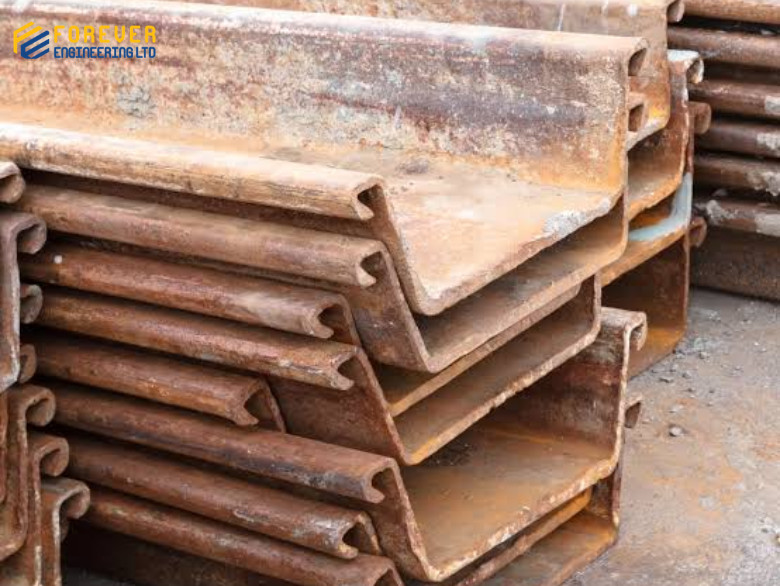
Get a Free Quotation from Forever Engineering Ltd.
If you are planning a construction project and need reliable sheet pile solutions, Forever Engineering Ltd. is ready to assist you. Our experienced engineers will evaluate your project requirements and recommend the most suitable sheet pile system based on soil conditions, excavation depth, and structural design.
Contact Forever Engineering Ltd. for professional engineering consultation, premium-quality steel sheet pile supply, expert installation, and dependable technical support across Bangladesh. Request your free quotation and let our experienced team help you complete your project safely, efficiently, and within budget.
Conclusion
Sheet pile failure can cause serious safety risks, project delays, and costly repairs if it is not properly addressed. Most failures occur because of poor planning, incorrect engineering design, low-quality materials, improper installation, or inadequate site investigation. Fortunately, these problems can be prevented by following professional engineering practices and maintaining strict quality control throughout the project.
Forever Engineering Ltd. provides complete sheet pile engineering, supply, and installation services for construction projects across Bangladesh. Our experienced engineers focus on careful planning, accurate design, quality materials, and professional installation to deliver safe and durable retaining structures. Whether your project involves basement construction, bridge foundations, marine structures, or riverbank protection, we are committed to helping you achieve reliable and long-lasting results.
Frequently Asked Questions (FAQs)
1. What is sheet pile failure?
Sheet pile failure occurs when a sheet pile wall cannot safely support soil pressure, groundwater pressure, or structural loads. It may result in wall movement, bending, water leakage, or collapse.
2. What are the main causes of sheet pile failure?
The most common causes include poor soil investigation, incorrect engineering design, low-quality sheet piles, improper installation, damaged interlocks, corrosion, excessive groundwater pressure, and insufficient embedment depth.
3. How can sheet pile failure be prevented?
You can prevent sheet pile failure by conducting proper soil investigations, preparing professional engineering designs, using high-quality steel sheet piles, following correct installation methods, and performing regular quality inspections.
4. What are the warning signs of sheet pile failure?
Common warning signs include wall movement, soil settlement, water leakage, bent sheet piles, damaged interlocks, and cracks in nearby structures.
5. Why is professional engineering important for sheet pile projects?
Professional engineering ensures the sheet pile system is properly designed, safely installed, and capable of resisting soil pressure, groundwater pressure, and structural loads throughout its service life.