
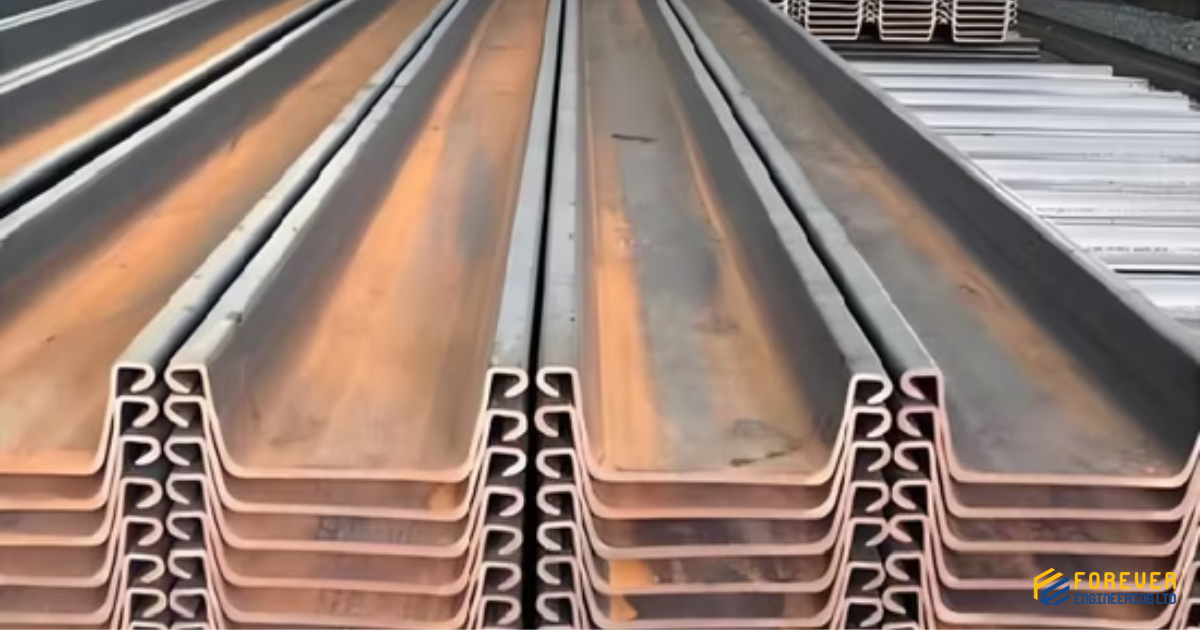
Sheet pile extraction involves removing installed sheet piles from the ground after temporary construction work ends or when a project requires wall removal. Contractors commonly extract sheet piles from temporary retaining walls, cofferdams, basement excavations, bridge projects, riverbank works, and other construction applications.
The right extraction method depends on soil conditions, pile length, pile profile, installation depth, surrounding structures, available working space, and project requirements. Proper planning, suitable equipment, trained operators, and safe working procedures help contractors remove sheet piles efficiently while reducing damage to the piles and surrounding ground.
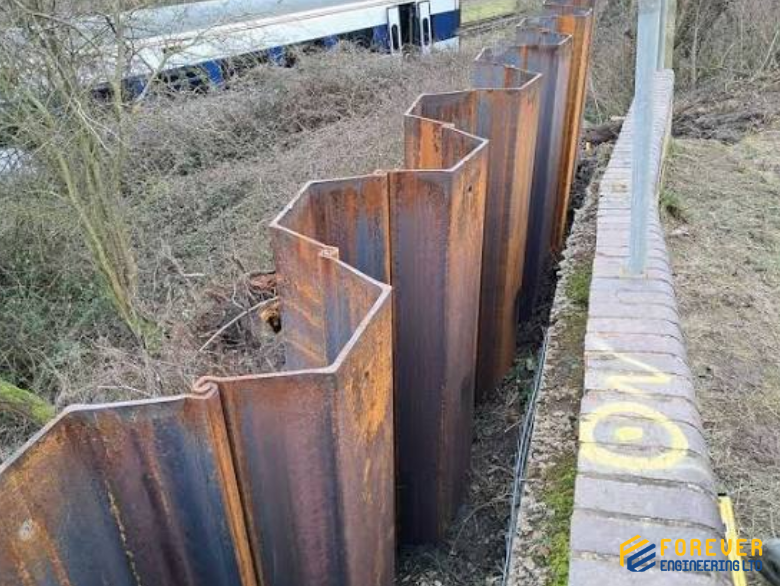
Steel sheet piles connect through interlocks to form continuous walls. During extraction, contractors need to release the pile from surrounding soil and control its movement during lifting. The selected extraction method can affect working speed, vibration, noise, equipment requirements, and overall project efficiency.
What Is Sheet Pile Extraction?
Sheet pile extraction is the process of removing installed sheet piles from the ground after they have completed their intended purpose. Contractors normally extract temporary sheet piles when excavation, foundation, cofferdam, or other construction work reaches the required stage.
A sheet pile remains connected to adjacent piles through interlocks. The extraction process must therefore control the pile carefully to avoid excessive movement, interlock damage, or sudden release during lifting.
Contractors can extract sheet piles using vibratory hammers, hydraulic extraction equipment, cranes, or other suitable machinery. The selected equipment depends on the pile size, embedment depth, soil resistance, and site conditions.
Why Is Sheet Pile Extraction Important?
Proper sheet pile extraction helps contractors complete temporary construction work safely and efficiently. A suitable extraction method can also help preserve reusable sheet piles and reduce unnecessary disturbance to the surrounding ground.
Benefits include:
- Supports Temporary Construction: Contractors can remove sheet piles after temporary retaining or cofferdam work ends.
- Allows Site Reuse: Removing temporary sheet piles helps contractors prepare the area for the next construction stage.
- Supports Pile Reuse: Careful extraction can help preserve suitable steel sheet piles for future projects.
- Reduces Material Waste: Reusable piles can provide value on later construction projects.
- Improves Project Efficiency: Suitable extraction equipment can help contractors complete removal work within the planned schedule.
- Controls Ground Disturbance: Proper extraction procedures can help contractors monitor soil movement around the pile.
- Supports Safe Demobilization: Controlled removal allows workers to dismantle temporary sheet pile structures in an organized way.
Common Sheet Pile Extraction Methods
Different methods suit different project conditions. Contractors should select the extraction technique after considering pile dimensions, embedment depth, soil resistance, nearby structures, working space, and available equipment.
- Vibratory Extraction: A vibratory hammer applies rapid vibration to reduce soil resistance around the pile and help pull it from the ground.
- Hydraulic Extraction: Hydraulic equipment applies controlled pulling force to remove sheet piles from the soil.
- Crane-Assisted Extraction: A crane can lift the pile after suitable equipment releases the pile from surrounding soil.
- Combined Extraction Method: Contractors can combine vibration, hydraulic force, and crane lifting when the site requires additional control.
- Progressive Extraction: Workers remove piles in a planned sequence to maintain stability and control movement around the temporary structure.
Step-by-Step Guide to Sheet Pile Extraction
- Inspect the Work Area: Workers first inspect the sheet pile wall, surrounding ground, excavation, nearby structures, utilities, and access conditions.
- Review the Extraction Plan: The project team checks pile length, profile, embedment depth, interlock condition, extraction sequence, and required equipment.
- Confirm That Extraction Can Begin: Contractors should make sure the temporary structure has completed its purpose and that removing the piles will not create unacceptable ground or structural movement.
- Prepare the Work Area: Workers clear unnecessary materials and prepare stable access for cranes, extraction equipment, and other machinery.
- Inspect the Sheet Pile: Workers check the exposed pile head, interlocks, visible damage, and connection conditions before starting extraction.
- Position the Extraction Equipment: The operator positions the vibratory hammer, hydraulic extractor, or other suitable equipment securely over the selected sheet pile.
- Connect the Pile: Workers connect the extraction equipment to the sheet pile using suitable clamps, lifting accessories, or other approved connections.
- Release Soil Resistance: The operator uses the selected equipment to reduce the soil resistance around the pile and begin controlled movement.
- Extract the Sheet Pile: The equipment gradually pulls the sheet pile upward while workers monitor its movement and surrounding ground conditions.
- Control the Pile During Lifting: A crane or other suitable equipment can help control the pile after it becomes free from the ground.
- Remove the Next Sheet Pile: Contractors continue extraction according to the approved sequence while checking the wall and surrounding area.
- Inspect and Store the Piles: Workers inspect extracted piles for damage, clean them when required, and store suitable piles for future use.
Vibratory Hammers for Sheet Pile Extraction
Vibratory hammers are widely used for sheet pile extraction because they can both drive and remove suitable sheet piles. The machine creates rapid vibration that reduces resistance between the pile and surrounding soil. A crane normally supports the vibratory hammer and controls the pile during extraction. The operator monitors pile movement and adjusts the extraction process according to ground conditions.
Main benefits include:
- Fast Extraction: Vibratory hammers can remove suitable sheet piles efficiently.
- Reduced Soil Resistance: Vibration helps reduce friction around the pile during extraction.
- Suitable for Temporary Works: Contractors can use vibratory equipment when removing temporary retaining walls and cofferdams.
- Useful for Reuse: Controlled extraction can help reduce damage to suitable steel sheet piles.
- Efficient Equipment Use: The same vibratory equipment can often support both installation and extraction work.
- Controlled Operation: Operators can monitor pile movement and adjust the process according to site conditions.
Hydraulic Equipment for Sheet Pile Extraction
Hydraulic extraction equipment uses controlled pulling force to remove sheet piles from the ground. Contractors may use hydraulic systems when they need controlled extraction or when site conditions make vibration less suitable.
Hydraulic equipment can be useful near buildings, roads, utilities, and other sensitive areas where contractors need to manage vibration. The contractor should confirm that the available equipment can provide enough extraction force for the pile and soil conditions.
Crane-Assisted Sheet Pile Extraction
Cranes play an important role in many sheet pile extraction operations. A crane can support extraction equipment, control the pile during lifting, and move extracted piles to a safe storage location.
However, contractors should not rely on uncontrolled crane pulling to remove deeply embedded sheet piles. The extraction method should use suitable equipment and follow the approved lifting and extraction plan. Workers should check crane capacity, ground stability, lifting accessories, pile weight, working radius, and surrounding hazards before operation.
Sheet Pile Extraction Equipment
The right equipment helps contractors remove sheet piles safely and efficiently. Equipment selection depends on pile specifications, soil conditions, extraction depth, and site restrictions.
Common equipment includes:
- Vibratory Hammer: Creates vibration that helps reduce soil resistance and pull sheet piles upward.
- Hydraulic Extractor: Applies controlled hydraulic pulling force to remove sheet piles.
- Crane: Supports extraction equipment, controls piles during lifting, and transports extracted piles.
- Sheet Pile Clamps: Connect extraction equipment to the pile and help transfer pulling force.
- Lifting Slings and Shackles: Help workers safely connect piles to cranes and other lifting equipment.
- Guide Equipment: Helps control pile movement during extraction and lifting.
- Supporting Machinery: Excavators and other site equipment may assist with access, handling, and transportation where suitable.
Factors That Affect Sheet Pile Extraction
Several conditions can affect the selection, efficiency, and safety of sheet pile extraction. Contractors should evaluate these factors before starting the work.
- Soil Conditions: Soil type strongly affects the resistance around the sheet pile. Dense sand, stiff clay, gravel, and mixed soil can make extraction more difficult.
- Pile Length: Longer piles normally have more surface contact with surrounding soil, which can increase extraction resistance.
- Embedment Depth: Deeply embedded piles can require greater extraction force and suitable equipment.
- Pile Profile: Different profiles have different shapes, weights, and interlock arrangements. The extraction equipment should match the pile specifications.
- Pile Condition: Damaged or deformed piles may require additional care during extraction.
- Interlock Condition: Interlocked piles can affect the extraction sequence and movement of adjacent piles.
- Groundwater: Groundwater conditions can affect soil behavior and excavation stability during extraction.
- Nearby Structures: Buildings, roads, utilities, and pipelines may require controlled extraction methods.
- Available Working Space: Limited space can affect crane positioning, pile storage, equipment movement, and lifting operations.
- Project Requirements: Temporary works, permanent structures, reuse plans, and site restoration requirements can affect the extraction approach.
How Soil Conditions Affect Sheet Pile Extraction
Soil conditions strongly influence the equipment and method required for sheet pile removal.
- Soft Clay: Soft clay may provide lower extraction resistance, but workers should still monitor ground movement during removal.
- Stiff Clay: Stiff clay can create greater resistance around the pile and may require suitable extraction equipment.
- Dense Sand: Dense sand can create significant friction around the pile and may increase extraction force requirements.
- Loose Sand: Loose sand can move during extraction. Contractors should monitor surrounding ground conditions.
- Gravel: Gravel can increase extraction resistance and make pile removal more difficult.
- Mixed Soil: Layers of clay, sand, gravel, or fill can create changing resistance during extraction. Operators should monitor equipment performance throughout the process.
Common Applications of Sheet Pile Extraction
Sheet pile extraction supports many temporary construction and infrastructure projects.
1. Temporary Excavation Support: Contractors can remove sheet piles after completing basement excavation, foundation work, or underground construction.
2. Cofferdam Construction: Contractors can extract sheet piles after completing bridge foundations, marine works, or other construction inside a temporary water enclosure.
3. Bridge Construction: Temporary sheet piles used around bridge foundations can be removed after the required structural work reaches the appropriate stage.
4. Riverbank Projects: Contractors may extract temporary sheet piles after completing riverbank construction, protection, or related works.
5. Basement Construction: Sheet piles used as temporary excavation support can be removed after permanent structural elements provide the required support.
6. Marine Construction: Temporary sheet pile structures used for waterfront and marine work can be extracted after construction activities finish.
Challenges During Sheet Pile Extraction
Contractors can face different challenges during sheet pile removal.
- High Extraction Resistance: Dense soil or deep embedment can make pile removal difficult.
- Pile Damage: Excessive extraction force can damage sheet piles or their interlocks.
- Pile Deformation: Improper handling can bend or deform extracted piles.
- Ground Movement: Removing piles can affect surrounding soil and nearby structures.
- Excessive Vibration: Vibratory extraction can affect sensitive buildings, utilities, and other structures.
- Limited Working Space: Small sites can make crane operation and pile handling difficult.
- Underground Obstructions: Rocks, foundations, utilities, and other obstructions can prevent smooth extraction.
- Interlock Problems: Damaged or tightly connected interlocks can make individual pile removal difficult.
Proper site investigation and extraction planning can reduce many of these challenges.
Best Practices for Sheet Pile Extraction
Following proper practices can help contractors complete sheet pile extraction more safely and efficiently.
- Inspect the Site Before Extraction: Workers should review soil conditions, groundwater, utilities, nearby structures, access, and working space.
- Review the Extraction Sequence: Contractors should establish a suitable removal sequence before equipment starts pulling the piles.
- Select Suitable Equipment: The contractor should choose a vibratory hammer, hydraulic extractor, crane, clamps, and lifting accessories according to site conditions.
- Check the Pile Condition: Workers should inspect pile heads, interlocks, and visible damage before connecting extraction equipment.
- Maintain Controlled Movement: Operators should extract piles gradually instead of applying uncontrolled pulling force.
- Monitor Surrounding Ground: Workers should observe soil movement, settlement, and other changes during extraction.
- Monitor Nearby Structures: Contractors should observe buildings, roads, utilities, and other sensitive structures.
- Use Trained Operators: Only trained and authorized workers should operate cranes, extraction equipment, and lifting machinery.
- Maintain Equipment: Regular equipment inspection and maintenance can reduce unexpected breakdowns.
- Follow the Approved Construction Plan: Workers should follow the approved extraction sequence, lifting procedure, and safety requirements.
Safety Considerations During Sheet Pile Extraction
Sheet pile extraction involves heavy steel piles, cranes, vibratory hammers, lifting accessories, and construction machinery. Contractors need strong safety controls throughout the operation.
Safety measures include:
- Inspect cranes and extraction equipment before use.
- Check lifting slings, shackles, hooks, clamps, and other accessories.
- Establish a controlled extraction area.
- Keep unauthorized workers away from lifting operations.
- Use trained and authorized equipment operators.
- Check crane ground stability before operation.
- Maintain safe clearance from power lines and other hazards.
- Use suitable personal protective equipment.
- Control pile movement during lifting and extraction.
- Monitor nearby buildings, roads, pipelines, and utilities.
- Control noise and vibration where required.
- Keep workers away from suspended loads.
- Stop work when equipment or site conditions become unsafe.
- Follow approved lifting, extraction, and safety procedures.
Proper safety planning helps protect workers, equipment, nearby structures, and the surrounding environment.
How Forever Engineering Ltd. Supports Sheet Pile Projects
Forever Engineering Ltd. provides sheet pile solutions for construction projects in Bangladesh. The company supports project requirements for excavation support, retaining structures, cofferdams, riverbank protection, basement construction, marine works, and other construction applications.
- Sheet Pile Supply: Forever Engineering Ltd. provides steel sheet pile supply solutions based on project requirements.
- Project Requirement Support: The company helps clients consider pile size, length, application, and site conditions when planning sheet pile requirements.
- Installation and Extraction Support: Suitable equipment and proper planning can improve sheet pile installation and extraction efficiency.
- Construction Support: Forever Engineering Ltd. provides project-focused support for sheet pile applications and helps clients coordinate material and construction requirements.
Benefits of Choosing Forever Engineering Ltd.
Selecting an experienced sheet pile supplier can help contractors manage their sheet pile requirements more effectively.
- Reliable Sheet Pile Supply: Forever Engineering Ltd. provides steel sheet pile supply solutions for different construction projects.
- Project-Based Solutions: Each project has different soil conditions, pile depths, excavation requirements, and site limitations. The team helps clients consider these factors when planning sheet pile solutions.
- Professional Support: The company provides project-focused assistance and clear communication to help clients understand their material and construction requirements.
- Construction Application Support: Forever Engineering Ltd. supports sheet pile requirements for excavation, retaining walls, basement construction, cofferdams, marine works, riverbank protection, and other construction projects.
Contact Forever Engineering Ltd.
Need professional sheet pile extraction and sheet pile solutions for your construction project?
Contact Forever Engineering Ltd. to discuss your sheet pile requirements, extraction method, equipment requirements, site conditions, pile specifications, and project schedule.
Conclusion
Sheet pile extraction provides a practical way to remove temporary steel sheet piles after construction work reaches the required stage. Contractors can use vibratory hammers, hydraulic extraction equipment, cranes, and suitable lifting accessories according to project conditions. The extraction method plays an important role in project efficiency and safety. Contractors should review soil conditions, pile length, embedment depth, pile profile, interlock condition, groundwater, available space, and nearby structures before selecting an extraction method. Proper planning, suitable equipment, controlled extraction, trained operators, and continuous monitoring can help contractors remove sheet piles safely while reducing damage and unnecessary ground disturbance.
Forever Engineering Ltd. provides sheet pile supply and project support for different construction applications in Bangladesh. The company helps clients understand their sheet pile requirements and plan suitable solutions based on project conditions and construction needs.
Frequently Asked Questions
- What is sheet pile extraction?
Sheet pile extraction is the process of removing installed sheet piles from the ground after temporary construction work or other planned activities are complete.
- What equipment is used for sheet pile extraction?
Contractors commonly use vibratory hammers, hydraulic extraction equipment, cranes, sheet pile clamps, lifting slings, shackles, and other suitable accessories.
- Which method is commonly used to extract sheet piles?
Vibratory extraction is commonly used for suitable sheet piles because vibration can reduce soil resistance and help pull the pile from the ground. The right method depends on soil conditions, pile specifications, and site restrictions.
- Can sheet piles be reused after extraction?
Yes. Suitable steel sheet piles can be inspected, handled, and stored for potential reuse after extraction. Their condition should be checked before using them on another project.
- What factors affect sheet pile extraction?
Soil conditions, pile length, embedment depth, pile profile, interlock condition, groundwater, nearby structures, working space, and equipment capacity can affect extraction.
- Can sheet pile extraction affect nearby structures?
Yes. Extraction can cause vibration or ground movement. Contractors should assess nearby buildings, roads, utilities, and other structures before selecting the extraction method.
- How can contractors make sheet pile extraction safer?
Contractors can improve safety by inspecting equipment, planning the extraction sequence, using suitable lifting accessories, controlling the work area, using trained operators, monitoring nearby structures, and following approved safety procedures.
- Can vibratory hammers extract sheet piles?
Yes. Vibratory hammers can be used for both installation and extraction of suitable sheet piles. The equipment should match the pile and ground conditions.
- When should contractors remove temporary sheet piles?
Contractors should remove temporary sheet piles when the temporary structure has completed its purpose and the project design confirms that extraction will not create unacceptable ground or structural movement.
- Can Forever Engineering Ltd. support sheet pile projects?
Yes. Forever Engineering Ltd. provides sheet pile supply and project support for excavation support, retaining walls, cofferdams, basement construction, marine works, riverbank protection, and other construction applications.