
What Is Sheet Pile Driving Rate per Meter?
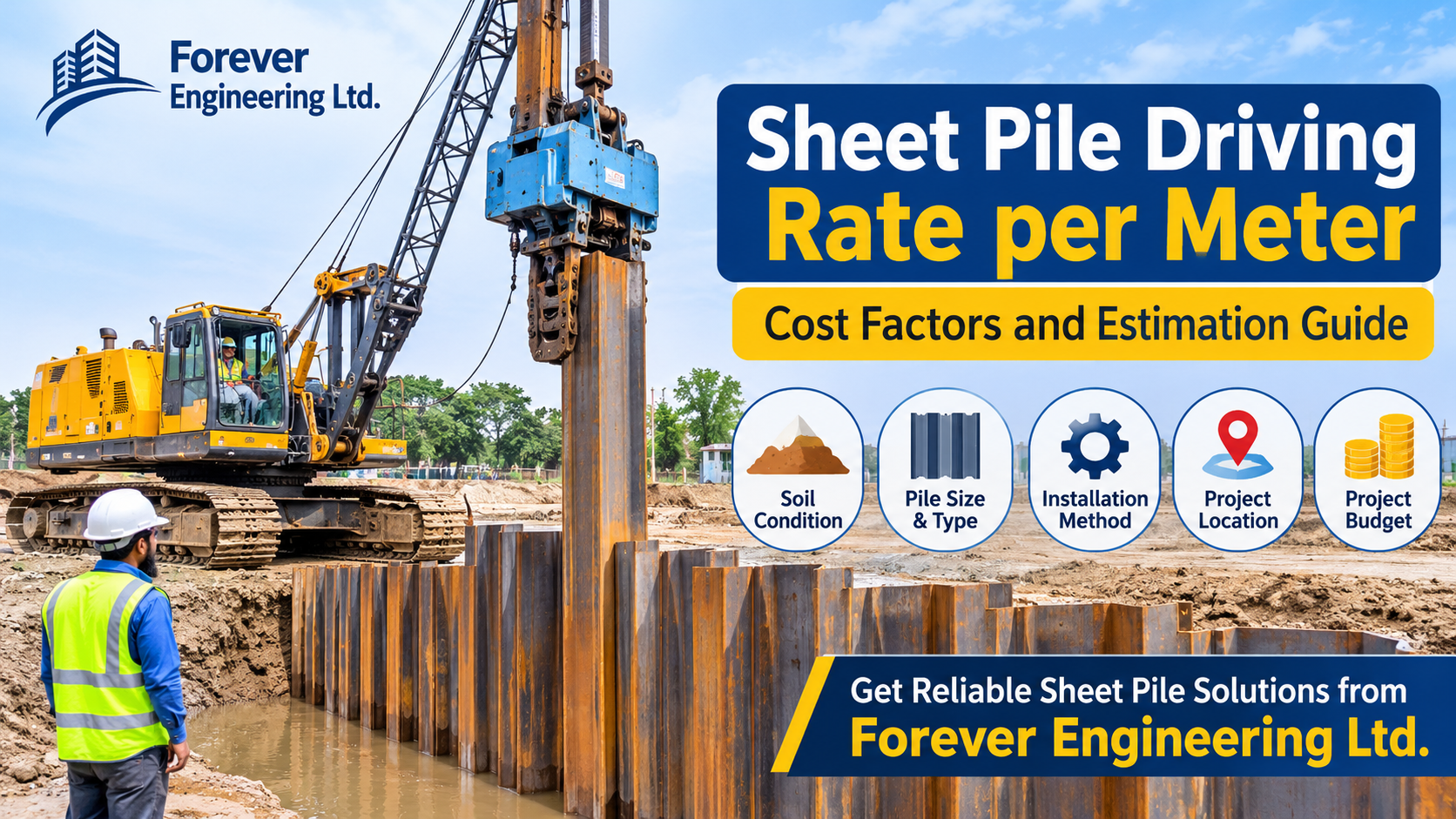
Sheet Pile Driving Rate per Meter refers to the charge for installing steel sheet piles into the ground using suitable machinery and equipment. Contractors use this rate to estimate the installation budget for retaining walls, basement construction, deep excavation, riverbank protection, and other foundation projects. The actual driving charge depends on soil conditions, pile length, installation depth, equipment type, project location, and total quantity. It is also important to understand whether the quotation is based on a running meter, square meter, or another measurement unit. Before starting work, contractors should confirm the measurement method and included services with the installation company.
What Is the Average Sheet Pile Driving Rate per Meter?
There is no single fixed sheet pile driving rate per meter for every construction project in Bangladesh. The charge changes according to the selected sheet pile section, driving depth, soil resistance, installation method, equipment requirements, and site conditions. Some contractors quote installation charges per running meter, while other schedules measure sheet pile driving by the projected wall area in square meters. For this reason, contractors should not compare two quotations without checking their measurement units and scope of work. A reliable quotation should clearly mention the installation method, equipment, labour, mobilization, and any additional charges.
Factors Affecting Sheet Pile Driving Rate per Meter
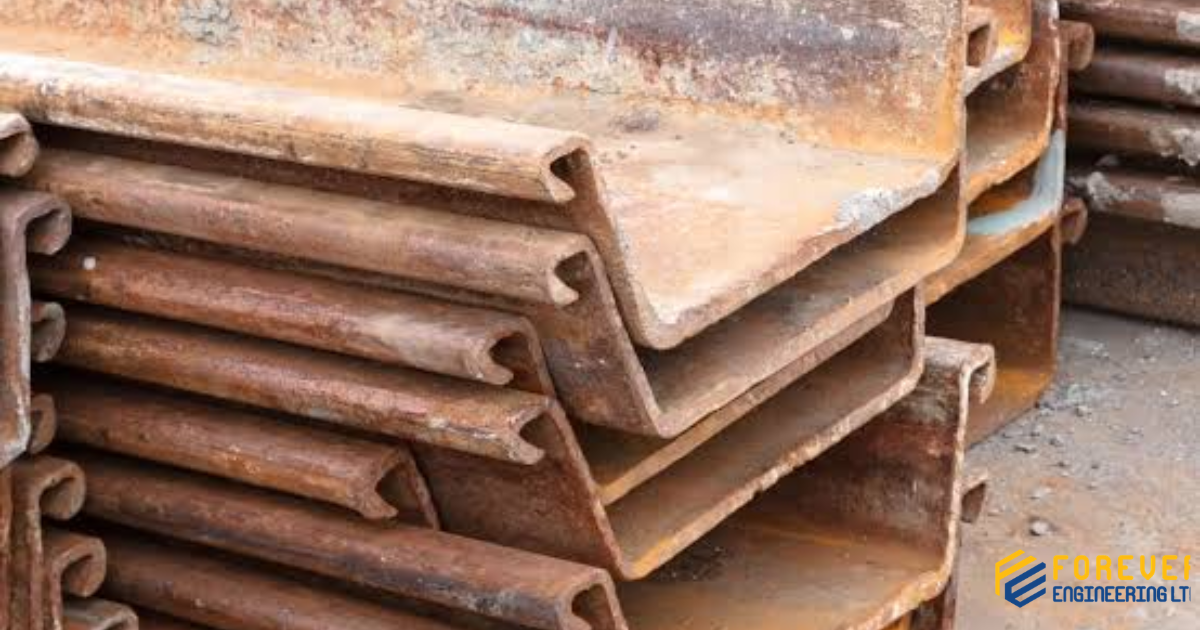
Several technical and site-related factors affect the total installation charge. Understanding these factors helps contractors prepare a realistic project budget and avoid unexpected expenses during construction.
- Soil Condition: Soil resistance has a direct effect on driving work. Soft soil may allow easier installation, while dense sand, gravel, stiff clay, or hard layers may require more powerful equipment and additional driving time.
- Driving Depth: The required installation depth affects the time and equipment needed for the work. Deeper sheet piles may require longer installation periods and more careful monitoring.
- Sheet Pile Size and Weight: Larger and heavier sheet piles may require higher-capacity cranes, lifting equipment, and suitable hammers. Their weight and profile can affect handling and installation productivity.
- Installation Method: Vibratory hammer, impact hammer, and hydraulic press-in methods have different equipment and operating requirements. The selected method can change the overall installation charge.
- Project Location: Transportation, equipment movement, road access, and mobilization distance can increase project expenses. Remote sites or locations with limited access may require additional planning.
- Total Quantity: The number of piles can affect the overall quotation. Larger projects may allow better equipment utilisation, while small projects may have higher costs per unit because of fixed mobilization expenses.
- Nearby Structures: Buildings, roads, underground utilities, and other existing structures may require careful installation control. Special methods or monitoring can increase the project cost.
- Working Conditions: Limited space, restricted working hours, groundwater, and difficult site access can reduce installation speed and increase labour or equipment requirements.
Different Sheet Pile Driving Methods and Their Costs
The Sheet Pile Driving Rate per Meter depends partly on the installation method used for the project. Engineers and contractors select a suitable method after reviewing soil conditions, pile specifications, project depth, and nearby structures.
Vibratory Hammer Installation: A vibratory hammer uses vibration to reduce soil resistance and drive steel sheet piles into the ground. It is commonly used for many soft and medium soil conditions and can support faster installation when the site is suitable. The total charge depends on equipment capacity, pile size, driving depth, and working conditions.
Impact Hammer Installation: An impact hammer drives sheet piles into the ground through repeated blows. This method may be suitable for certain soil conditions where vibration-based installation is not effective enough. However, contractors must consider noise, vibration, nearby structures, and the required hammer capacity before selecting this method.
Hydraulic Press-In Installation: Hydraulic press-in equipment pushes sheet piles into the ground using controlled hydraulic pressure. It can be useful in locations where noise and vibration need to be reduced, such as busy urban areas or sites near existing buildings. Equipment availability, site access, and installation speed can affect the total charge.
How to Calculate Sheet Pile Driving Rate per Meter
Calculating the Sheet Pile Driving Rate per Meter helps contractors estimate the total installation cost before starting construction work. To calculate the estimated driving charge, multiply the agreed rate per meter by the total measured installation length. However, contractors must first confirm whether the quotation is based on running meters or square meters because the calculation method will be different for each unit.
Estimated Sheet Pile Driving Cost = Driving Rate per Meter × Total Driving Length
For example, if the agreed sheet pile driving rate per meter is BDT 2,500 and the total sheet pile driving length is 200 meters, the estimated installation cost will be BDT 2,500 × 200 = BDT 500,000. This is a hypothetical example for calculation purposes, not a confirmed market rate or quotation from Forever Engineering Ltd. The final cost may also include equipment mobilization, transportation, labor, taxes, and other additional expenses depending on the project requirements.
Running Meter vs. Square Meter Measurement for Sheet Pile Driving Rate per Meter
Understanding the measurement unit is important when calculating the sheet pile driving rate per meter and comparing installation quotations. A running meter measures the length of the installed sheet pile wall, while a square meter measures the projected wall area using its width and height. Some official rate schedules measure steel sheet pile driving based on the projected wall area in square meters. Therefore, a rate quoted per square meter cannot be directly compared with a rate quoted per running meter. Contractors should confirm the measurement method, pile depth, and work scope before approving a quotation to ensure an accurate cost comparison and project budget.
What Is Included in Sheet Pile Driving Charges?
When comparing the sheet pile driving rate per meter, contractors should understand which services are included in the quoted driving charge. The included services can vary from one contractor to another. Some quotations cover only the sheet pile driving operation, while others include equipment, machine operators, labour, and related site activities. Before accepting a quotation, contractors should check the included services and any additional charges to estimate the total installation cost accurately.
- Equipment Charges: Confirm whether the quotation includes the crawler crane, vibratory hammer, impact hammer, hydraulic press-in equipment, and other required machinery.
- Labour and Operators: Check whether machine operators, riggers, helpers, foremen, and other required workers are included.
- Mobilization and Demobilization: Confirm whether transporting machinery to the project site and removing it after completion are included in the price.
- Pile Handling and Positioning: Check whether lifting, moving, placing, and positioning the sheet piles are part of the agreed work.
- Alignment and Installation Checks: Confirm whether the contractor will check pile alignment, verticality, interlocking, and installation quality.
- Additional Work: Ask whether cutting, welding, corner connections, obstruction removal, or special installation arrangements will be charged separately.
How to Get an Accurate Sheet Pile Driving Rate per Meter Quotation
Getting an accurate Sheet Pile Driving Rate per Meter quotation requires clear information about the project and installation requirements. A detailed project description helps an installation company understand the work, estimate equipment and labour costs, and prepare a suitable price. Contractors should share the main project details before requesting a quotation.
- Share Project Location: Provide the exact project area so the contractor can estimate transportation, equipment movement, and mobilization requirements.
- Provide Pile Specifications: Mention the sheet pile type, width, thickness, length, weight, and total quantity required for the project.
- Explain Soil Conditions: Share the available soil investigation report or site information so the contractor can understand the expected driving resistance.
- Mention Installation Depth: Clearly state the required driving depth and excavation level to help determine the suitable machinery and installation process.
- Confirm Measurement Units: Specify whether you need the quotation per running meter, square meter, or another agreed unit.
- Request a Detailed Quotation: Ask for a breakdown of equipment, labour, transportation, mobilization, installation, and additional charges.
Ways to Reduce Sheet Pile Driving Rate per Meter Costs
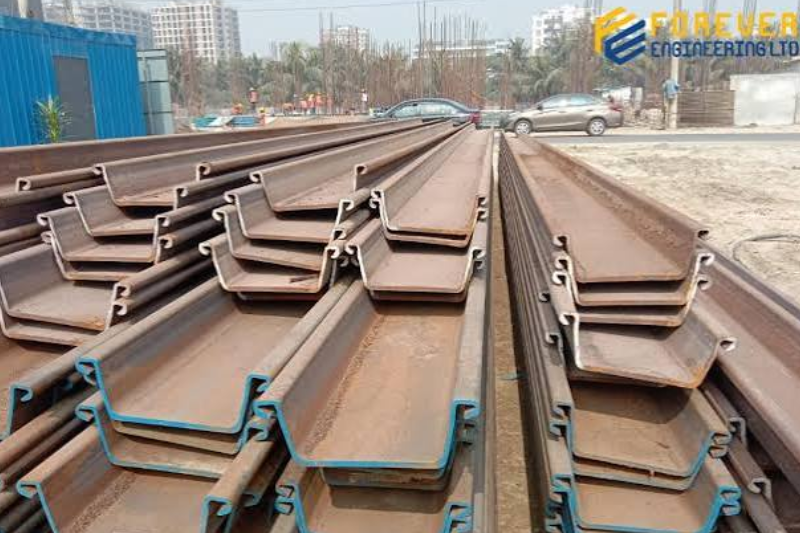
Managing the Sheet Pile Driving Rate per Meter requires proper planning and careful selection of equipment and installation methods. Good planning can help contractors control installation expenses without compromising the required engineering standards. Before starting the work, project teams should review the design, site conditions, equipment requirements, and installation sequence.
- Select the Right Installation Method: Choose equipment based on soil conditions, pile specifications, and nearby structures to avoid unnecessary installation delays.
- Prepare the Site Properly: Provide suitable access, working space, and equipment positioning areas before machinery arrives at the site.
- Confirm Pile Specifications: Check pile dimensions and quantity before ordering or arranging installation to reduce handling problems and material delays.
- Plan Equipment Mobilization: Coordinate the installation schedule to reduce unnecessary machine movement and idle time.
- Maintain Proper Alignment: Use suitable guides and regular checks to reduce installation errors, correction work, and delays.
- Compare Complete Quotations: Compare the scope of work, measurement units, equipment, and additional charges instead of selecting a contractor based only on the lowest rate.
Sheet Pile Driving Support from Forever Engineering Ltd.
Sheet Pile Driving Rate per Meter is an important consideration when planning construction and foundation projects. Forever Engineering Ltd. aims to provide competitive driving rates at more affordable prices than many other market options while maintaining dependable service and proper project support. We understand that every project has different soil conditions, excavation depths, pile specifications, and installation requirements. Our team works to provide cost-effective solutions based on your project needs without compromising the required quality and engineering standards. Whether you need sheet piles for basement construction, retaining walls, deep excavation, riverbank protection, or infrastructure development, we can help you review your requirements and prepare a suitable project-based quotation. Contact Forever Engineering Ltd. for competitive pricing, reliable service, and professional assistance with your sheet pile requirements.
Conclusion
Sheet Pile Driving Rate per Meter depends on several factors, including soil conditions, driving depth, pile size, installation method, equipment, labour, and project location. Contractors should also confirm whether the quotation uses running meters or square meters because these measurement units are not interchangeable. A detailed quotation helps project owners understand the complete installation cost and plan their budget more accurately. Proper equipment selection, site preparation, and installation planning can also help reduce delays and unnecessary expenses. For sheet pile supply and project assistance, contact Forever Engineering Ltd. to discuss your construction requirements.
Frequently Asked Questions (FAQs)
- What is the Sheet Pile Driving Rate per Meter?
It is the installation charge for driving steel sheet piles into the ground. The rate depends on pile specifications, soil conditions, driving depth, equipment, and project requirements.
- What factors affect sheet pile driving charges?
The main factors include soil resistance, pile size, installation depth, equipment type, project location, total quantity, and site access.
- Which machine is commonly used for sheet pile driving?
A vibratory hammer is commonly used for driving steel sheet piles. Impact hammers and hydraulic press-in machines may also be selected depending on site conditions and project requirements.
- Is sheet pile driving measured per running meter or square meter?
It depends on the quotation or applicable rate schedule. Some contractors quote per running meter, while certain official schedules measure the projected wall area in square meters.
- Does the driving charge include sheet pile material costs?
Not always. Some quotations cover installation only, while others may include material supply and related services. Contractors should confirm the scope before accepting the quotation.
- Can soil conditions increase sheet pile driving costs?
Yes. Dense sand, stiff clay, gravel, and hard soil layers may require more powerful equipment, additional time, or special installation methods.
- How can I get an accurate sheet pile driving quotation?
Share your project location, pile specifications, quantity, installation depth, soil information, and required measurement unit with the contractor. This information helps prepare a more suitable quotation.