
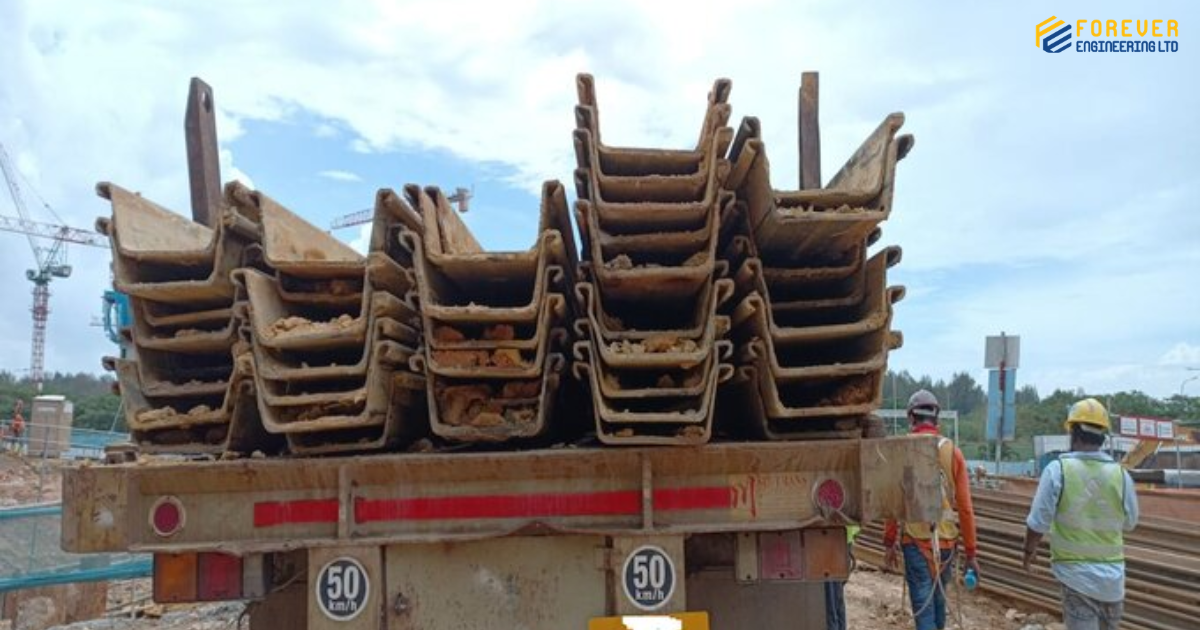
Sheet pile driving contractor provides professional sheet pile installation services for construction and infrastructure projects. Contractors install steel sheet piles into the ground to create retaining walls, excavation support, cofferdams, riverbank protection, basement support, bridge foundations, and other structures.
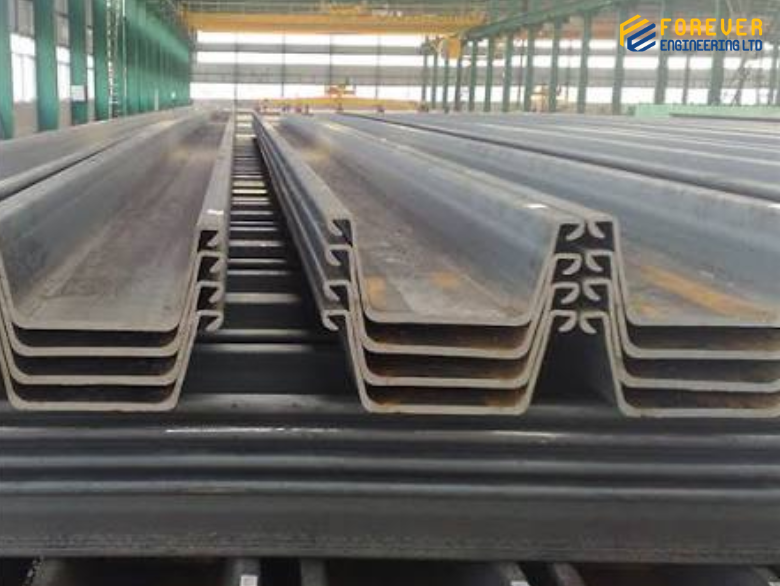
Steel sheet piles connect through interlocks to form a continuous wall. A professional contractor uses suitable equipment such as vibratory hammers, impact hammers, or hydraulic press-in systems based on soil conditions, pile length, installation depth, site access, and project requirements.
Choosing an experienced sheet pile driving contractor can help contractors, engineers, consultants, and project owners achieve accurate installation, better site control, and efficient construction.
What Is a Sheet Pile Driving Contractor?
A sheet pile driving contractor specializes in installing sheet piles into the ground to create strong and continuous walls. The contractor manages important activities such as site preparation, pile handling, equipment selection, pile positioning, driving, alignment checks, and installation monitoring.
The contractor may also support sheet pile extraction when the project uses temporary sheet pile structures.
Sheet pile driving contractors work on different types of construction projects, including deep excavation, basement construction, bridge foundations, cofferdams, marine structures, riverbank protection, and retaining walls.
Why Is a Sheet Pile Driving Contractor Important?
Professional sheet pile installation requires proper equipment, trained workers, accurate positioning, and suitable installation methods. A qualified sheet pile driving contractor can manage these requirements according to the project conditions.
Benefits include:
- Professional Installation: Experienced workers install sheet piles according to the required alignment and depth.
- Suitable Equipment: Contractors select equipment based on soil conditions and project requirements.
- Accurate Alignment: Proper alignment helps create a continuous and effective sheet pile wall.
- Better Site Management: Contractors coordinate cranes, piling equipment, workers, and sheet pile handling.
- Support for Difficult Soil: Suitable installation methods can help manage high driving resistance.
- Improved Safety: Proper lifting and piling procedures help reduce construction risks.
- Efficient Construction: Proper planning and equipment selection can help reduce unnecessary delays.
Main Services Provided by a Sheet Pile Driving Contractor
A professional sheet pile driving contractor can provide different services according to the project requirements.
- Sheet Pile Installation: Contractors install steel sheet piles to create retaining walls, excavation support, cofferdams, and other structures.
- Sheet Pile Cofferdam Construction: Contractors install interconnected sheet piles around a work area near water to create a controlled construction zone.
- Excavation Support: Sheet pile walls can retain surrounding soil during basement and deep excavation projects.
- Riverbank Protection: Contractors install sheet piles to support riverbanks and protect construction areas from soil movement and water-related conditions.
- Bridge Foundation Support: Sheet piles can create temporary work areas around bridge piers and foundations.
- Basement Construction: Contractors use sheet pile walls to support excavations and help control surrounding soil movement.
- Sheet Pile Extraction: Contractors can remove temporary sheet piles after completing the required construction work.
Sheet Pile Driving Equipment
The right equipment helps contractors install sheet piles efficiently and safely.
- Vibratory Hammer: A vibratory hammer creates rapid vibration around the sheet pile. This vibration can reduce soil resistance and help the pile penetrate the ground. Contractors commonly use vibratory hammers for sheet pile installation and extraction.
- Impact Hammer: An impact hammer drives the sheet pile through repeated blows. Contractors may use this equipment when the ground creates high driving resistance.
- Hydraulic Press-In Equipment: Hydraulic press-in equipment pushes sheet piles into the ground using controlled hydraulic force. This method can help reduce noise and vibration in sensitive locations.
- Crane: A crane lifts, positions, and supports sheet piles during installation. Contractors should use a crane with suitable lifting capacity and stable ground support.
- Lifting Accessories: Slings, shackles, hooks, clamps, and other lifting accessories help workers handle sheet piles during lifting and positioning.
Factors That Affect Sheet Pile Driving
Several conditions can affect sheet pile installation.
- Soil Conditions: Soil type affects pile penetration and driving resistance. Clay, sand, gravel, and mixed soil can create different installation conditions.
- Pile Length: Longer piles may require greater lifting capacity and suitable driving equipment.
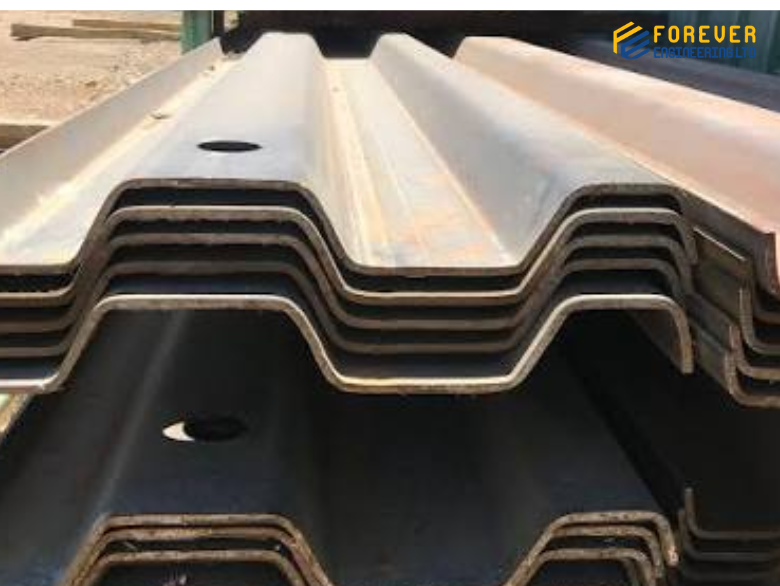
- Pile Profile: Different profiles provide different strength, stiffness, weight, and interlock characteristics.
- Installation Depth: The required penetration depth affects installation time and equipment selection.
- Groundwater: Groundwater can affect excavation stability and water control requirements.
- Site Access: Limited working space can make crane positioning, pile storage, and equipment movement difficult.
- Nearby Structures: Buildings, roads, utilities, and bridges can restrict installation methods and require vibration control.
- Project Requirements: The required wall type, excavation depth, construction schedule, and application can affect the installation plan.
Step-by-Step Sheet Pile Driving Process
A professional sheet pile driving contractor follows a planned installation process.
- Inspect the Site: Workers review soil conditions, groundwater, access, nearby structures, utilities, and other site conditions.
- Review the Project Requirements: The project team checks pile profile, length, thickness, alignment, embedment depth, and wall arrangement.
- Prepare the Site: Contractors prepare stable access for cranes, piling equipment, sheet pile storage, and workers.
- Mark the Sheet Pile Alignment: Workers mark the exact position of the sheet pile wall according to the approved layout.
- Position the First Sheet Pile: A crane lifts the first pile and positions it at the required location. Workers check alignment and verticality.
- Drive the First Pile: Contractors use a suitable vibratory hammer, impact hammer, or hydraulic press-in system to drive the pile.
- Position the Next Sheet Pile: Workers position the next pile and connect its interlock with the installed pile.
- Continue Installation: The team continues installing interconnected piles along the planned wall alignment.
- Check Alignment and Interlocks: Workers regularly check pile position, verticality, and interlock connections.
- Install Support Systems: Contractors install walers, struts, tie rods, anchors, or other support systems when required by the design.
- Complete the Construction Work: After installing the sheet pile wall, workers can continue with excavation, foundation, bridge, cofferdam, or other construction activities.
- Extract Temporary Piles: Contractors can extract suitable temporary sheet piles after completing the required work.
Soil Conditions for Sheet Pile Driving
Soil conditions strongly affect sheet pile installation.
- Soft Clay: Soft clay can allow easier pile penetration. However, contractors should monitor wall movement and ground stability during excavation.
- Stiff Clay: Stiff clay can create higher driving resistance. Contractors may need suitable piling equipment to achieve the required penetration.
- Dense Sand: Dense sand can create high friction around the sheet pile and increase driving resistance.
- Loose Sand: Loose sand can move during excavation and water removal. Contractors should monitor surrounding ground conditions.
- Gravel: Gravel can make sheet pile installation difficult. Contractors may need specialized equipment depending on the site conditions.
- Mixed Soil: Mixed soil can create changing driving resistance at different depths. A proper site investigation helps contractors prepare for these conditions.
Applications of Sheet Pile Driving
A sheet pile driving contractor can support many construction applications.
- Retaining Wall Construction: Sheet piles create continuous walls that can retain soil and provide support along construction sites.
- Basement Construction: Contractors can use sheet piles to support deep excavations for basements and underground structures.
- Cofferdam Construction: Sheet piles can form temporary enclosures around construction areas in rivers, canals, and other water environments.
- Bridge Construction: Contractors can use sheet piles around bridge foundations and piers to create controlled working areas.
- Riverbank Protection: Sheet pile walls can help protect riverbanks and support areas affected by soil movement and water conditions.
- Marine Construction: Contractors use sheet piles for waterfront foundations, marine structures, docks, and other water-related construction.
- Industrial Construction: Sheet pile walls can support excavation and foundation work for industrial buildings and infrastructure projects.
Challenges During Sheet Pile Driving
Contractors can face several challenges during sheet pile installation.
- High Driving Resistance: Dense soil, gravel, rocks, and underground obstructions can make installation difficult.
- Pile Damage: Excessive driving force can damage the sheet pile or its interlocks.
- Poor Alignment: Incorrect positioning can affect the performance of the wall.
- Ground Movement: Excavation and pile installation can affect surrounding soil.
- Excessive Vibration: Pile driving vibration can affect nearby buildings, roads, and utilities.
- Limited Working Space: Small construction sites can restrict equipment movement.
- Water Conditions: Groundwater, river flow, and changing water levels can create additional challenges.
- Equipment Limitations: Unsuitable equipment can reduce installation efficiency.
Proper site investigation, equipment selection, installation planning, and monitoring can help contractors manage these challenges.
Best Practices for Sheet Pile Driving
Following proper practices can improve sheet pile installation.
- Inspect the Site Before Installation: Review soil, groundwater, nearby structures, utilities, access, and other site conditions.
- Select Suitable Sheet Piles: Match pile profile, thickness, length, and strength with project requirements.
- Select Suitable Equipment: Choose vibratory, impact, or hydraulic press-in equipment according to the soil and site conditions.
- Maintain Accurate Alignment: Check pile position and verticality during installation.
- Check Interlocks: Ensure that each sheet pile properly connects with the adjacent pile.
- Monitor Driving Conditions: Observe driving resistance and installation progress throughout the work.
- Control Vibration: Use suitable installation methods when nearby structures or utilities require vibration control.
- Follow the Installation Sequence: Maintain the approved installation sequence to achieve proper wall alignment and stability.
- Inspect Equipment: Check cranes, hammers, lifting accessories, and other equipment before operation.
- Follow the Approved Construction Plan: Workers should follow approved installation, lifting, excavation, and safety procedures.
Safety Considerations During Sheet Pile Driving
Sheet pile driving involves heavy steel piles, cranes, piling hammers, lifting equipment, and construction activities. Contractors need proper safety controls throughout the project.
Safety measures include:
- Inspect cranes and piling equipment before use.
- Check slings, shackles, hooks, and lifting clamps.
- Establish a controlled work zone.
- Use trained and authorized equipment operators.
- Check crane ground stability.
- Maintain safe clearance from power lines.
- Use suitable personal protective equipment.
- Control sheet pile movement during lifting.
- Keep unauthorized workers away from lifting operations.
- Monitor nearby structures and utilities.
- Control noise and vibration where required.
- Provide safe access to the work area.
- Stop work when site or equipment conditions become unsafe.
How Forever Engineering Ltd. Supports Sheet Pile Projects
Forever Engineering Ltd. provides sheet pile solutions for construction projects in Bangladesh. The company supports sheet pile requirements for cofferdams, excavation support, bridge projects, riverbank protection, marine works, basement construction, and other applications.
- Sheet Pile Supply: Forever Engineering Ltd. provides steel sheet pile supply solutions according to project requirements.
- Project Requirement Support: The company can help clients consider pile size, length, application, quantity, and site conditions.
- Installation Equipment Support: Project conditions help determine the suitable equipment and installation method for sheet pile driving.
- Construction Support: Forever Engineering Ltd. provides project-focused support for different sheet pile applications and construction requirements.
Benefits of Choosing Forever Engineering Ltd.
Selecting an experienced sheet pile company can help contractors manage their project requirements more effectively.
- Reliable Sheet Pile Supply: Forever Engineering Ltd. provides steel sheet pile solutions for construction and infrastructure projects.
- Project-Based Solutions: Each project has different soil conditions, excavation depths, site restrictions, and construction requirements. The company focuses on project needs when supporting sheet pile requirements.
- Professional Support: Clear communication and project-focused assistance help clients understand their sheet pile material and construction requirements.
- Wide Construction Applications: Forever Engineering Ltd. supports sheet pile requirements for retaining walls, cofferdams, excavation support, bridge construction, marine projects, riverbank protection, basement construction, and other applications.
Contact Forever Engineering Ltd.
Need a reliable sheet pile driving contractor for your construction project?
Contact Forever Engineering Ltd. to discuss your sheet pile requirements, project location, pile specifications, installation method, equipment needs, site conditions, and construction schedule.
Conclusion
A sheet pile driving contractor provides professional installation support for retaining walls, excavation support, cofferdams, bridge foundations, riverbank protection, basement construction, marine projects, and other construction applications.
The success of sheet pile driving depends on proper site investigation, suitable pile selection, accurate alignment, correct installation equipment, sufficient embedment, and trained workers. Contractors should also consider soil conditions, groundwater, nearby structures, working space, vibration, and project requirements before starting installation.
Vibratory hammers, impact hammers, and hydraulic press-in systems provide different installation options. Contractors should select the suitable method according to the ground and site conditions.
Forever Engineering Ltd. provides steel sheet pile supply and project support for construction projects in Bangladesh. The company helps clients manage their sheet pile requirements according to project conditions and construction needs.
Frequently Asked Questions
1. What is a sheet pile driving contractor?
A sheet pile driving contractor specializes in installing steel sheet piles into the ground. Contractors use suitable piling equipment to create retaining walls, excavation support, cofferdams, and other structures.
2. What equipment does a sheet pile driving contractor use?
Contractors commonly use vibratory hammers, impact hammers, hydraulic press-in equipment, cranes, and lifting accessories for sheet pile installation.
3. Can sheet piles be installed in hard soil?
Yes. Contractors can use suitable equipment and installation methods when the ground creates high driving resistance. The contractor should assess site conditions before selecting the equipment.
4. How deep can sheet piles be driven?
The required depth depends on the project design, soil conditions, water conditions, pile specifications, and required wall performance. Engineers should determine the required embedment depth for each project.
5. Can sheet piles be removed after installation?
Yes. Contractors can extract suitable sheet piles when they serve as temporary structures. Vibratory equipment can assist with both installation and extraction.
6. Where are sheet piles used?
Sheet piles are used for retaining walls, basement construction, deep excavation support, cofferdams, bridge foundations, riverbank protection, marine construction, industrial projects, and other applications.
7. What affects sheet pile driving?
Soil conditions, pile profile, pile length, installation depth, groundwater, site access, nearby structures, vibration limits, equipment, and project requirements can affect sheet pile driving.
8. How do I choose a sheet pile driving contractor in Bangladesh?
Consider the contractor’s experience, equipment availability, understanding of soil and site conditions, safety practices, project support, and ability to meet the required construction schedule.
9. Does Forever Engineering Ltd. provide sheet pile solutions?
Yes. Forever Engineering Ltd. provides steel sheet pile supply and project support for cofferdams, excavation support, bridge construction, marine works, riverbank protection, and other construction applications in Bangladesh.