
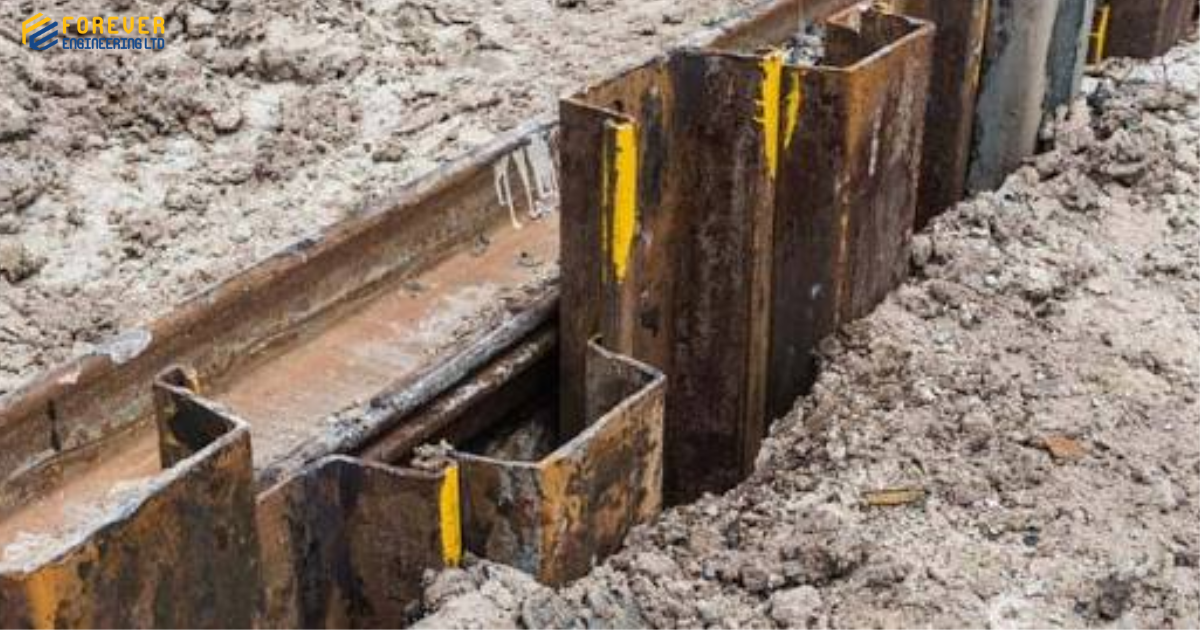
Sheet pile walls play an important role in modern construction projects. They provide temporary and permanent support for deep excavations, retaining walls, bridge foundations, riverbank protection, marine structures, and basement construction. However, the performance of a sheet pile wall depends on one important factor, which is proper sheet pile design. A well-planned sheet pile design ensures that the retaining wall can safely resist soil pressure, groundwater pressure, and structural loads. It also helps reduce construction risks, improve project safety, and control construction costs. Every project has different ground conditions, so engineers must prepare a design that matches the specific site requirements. In Bangladesh, many construction projects take place in soft soil and areas with high groundwater levels. These conditions require professional engineering and accurate design calculations. A strong sheet pile design improves stability and supports safe construction in challenging environments.
Forever Engineering Ltd. provides professional sheet pile design services for residential, commercial, industrial, and infrastructure projects across Bangladesh. Our experienced engineers carefully study every project before preparing a reliable design that meets engineering standards and project requirements. This complete guide explains everything you need to know about sheet pile design, including its importance, design process, key design factors, applications, and why Forever Engineering Ltd. is a trusted partner for sheet pile engineering solutions.
What Is Sheet Pile Design?
Sheet pile design is the engineering process of planning and calculating a sheet pile wall before construction begins. Engineers determine the correct sheet pile profile, length, thickness, embedment depth, and support system based on project requirements.
The design process includes soil analysis, groundwater evaluation, structural load calculations, and safety checks. These calculations help ensure that the sheet pile wall remains stable during excavation and throughout its service life. A proper sheet pile design also helps engineers select the most suitable steel sheet pile profile while avoiding unnecessary material costs.
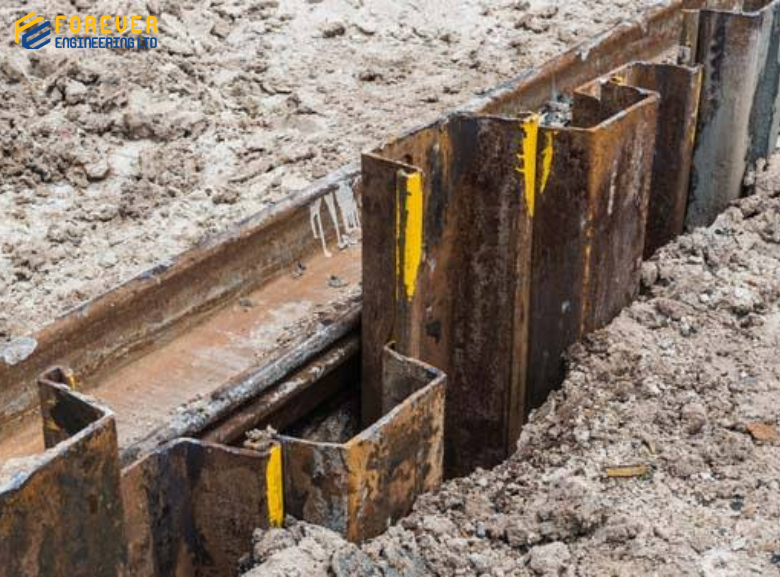
Why Is Sheet Pile Design Important?
Proper sheet pile design is one of the most important steps in any retaining wall project. A good design improves safety, increases efficiency, and supports long-term structural performance.
Improves Structural Stability
A professionally designed sheet pile wall can safely resist soil pressure, water pressure, and external loads. This reduces wall movement and improves the stability of the entire construction project.
Increases Construction Safety
Proper design protects workers, nearby buildings, roads, and underground utilities during excavation. It also reduces the possibility of soil collapse and water leakage.
Reduces Construction Costs
Accurate engineering calculations help contractors use the correct amount of steel without unnecessary waste. This controls material costs while maintaining structural strength.
Supports Faster Construction
A detailed engineering design provides clear installation instructions. Contractors can complete the work more efficiently because they follow approved drawings and engineering calculations.
Improves Long-Term Performance
A well-designed sheet pile wall remains strong for many years. It performs better under changing soil conditions and requires less maintenance during its service life.
Key Elements of Sheet Pile Design
There are a number of engineering factors that combine to make a successful sheet pile design. These are given below:
Soil Investigation
Engineers begin by studying the soil conditions at the project site. Soil type, density, strength, and bearing capacity all affect the sheet pile design. A detailed soil investigation provides the information needed for accurate engineering calculations.
Groundwater Analysis
Groundwater creates additional pressure on retaining walls. Engineers evaluate groundwater levels and include this information in the design to improve wall stability and reduce water leakage.
Structural Load Calculation
Every retaining wall supports different loads depending on the project type. Engineers calculate soil pressure, surcharge loads, traffic loads, and building loads before selecting the sheet pile system.
Embedment Depth
The embedment depth is the portion of the sheet pile driven below the excavation level. Engineers calculate the required depth to prevent wall movement and maintain structural stability.
Sheet Pile Profile Selection
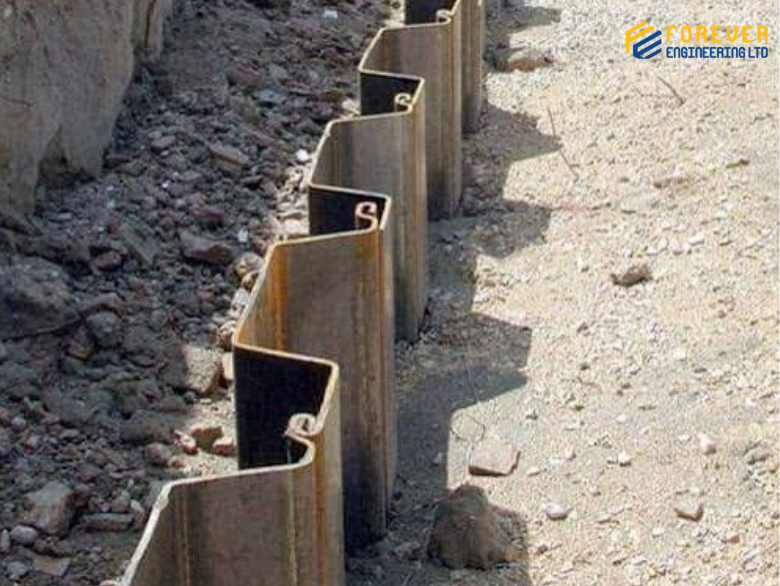
Different projects require different sheet pile profiles. Engineers compare U-type, Z-type, and other profiles before selecting the most suitable option based on strength, efficiency, and project requirements.
Types of Sheet Pile Design
Different construction projects require different sheet pile designs.
Cantilever Sheet Pile Design
Cantilever sheet pile walls are suitable for shallow excavations where soil pressure is relatively low. These walls rely on embedment depth to remain stable without additional support systems.
Anchored Sheet Pile Design
Anchored sheet pile walls use tie rods and anchors to increase structural stability. Engineers commonly use this design for deep excavations, waterfront projects, and large retaining structures.
Braced Sheet Pile Design
Braced sheet pile walls use internal supports to resist soil pressure. This design is common in deep basement construction and confined urban construction sites.
Permanent Sheet Pile Design
Permanent sheet pile walls remain part of the completed structure. Engineers select durable materials and corrosion protection systems to increase service life.
Temporary Sheet Pile Design
Temporary sheet pile walls provide excavation support during construction and are removed after the project is complete. They offer a cost-effective solution for short-term applications.
Sheet Pile Design Process Step by Step
A professional sheet pile design follows a systematic engineering process. Every step helps improve safety, efficiency, and construction quality.
Step 1: Site Investigation
Engineers visit the project site to understand ground conditions, nearby structures, groundwater levels, and construction requirements. A detailed site investigation helps identify possible challenges before work begins.
Step 2: Soil Testing
Soil testing provides information about soil strength, density, moisture content, and bearing capacity. Engineers use these results to prepare accurate engineering calculations.
Step 3: Load Analysis
The engineering team calculates soil pressure, groundwater pressure, traffic loads, and structural loads that will act on the sheet pile wall.
Step 4: Sheet Pile Selection
Based on the engineering calculations, engineers select the appropriate sheet pile profile, thickness, and length. The selected sheet pile must provide enough strength while remaining cost-effective.
Step 5: Structural Design
Engineers prepare detailed engineering drawings and structural calculations. They determine the embedment depth, wall height, and support system needed for safe construction.
Step 6: Safety Verification
Before construction starts, engineers verify that the design meets project requirements and engineering standards. They also review possible risks and recommend safety measures.
Step 7: Installation Planning
The final step is preparing the installation plan. Engineers determine the driving method, equipment, installation sequence, and quality control procedures.
Applications of Sheet Pile Design
Professional sheet pile design is used in many construction projects across Bangladesh.
Basement Construction
Deep basement excavation requires carefully designed sheet pile walls to support surrounding soil and protect nearby buildings.
Bridge Foundations
Bridge construction often takes place near rivers. Proper sheet pile design provides safe excavation support and improves foundation stability.
Riverbank Protection
Sheet pile walls help prevent erosion and stabilize riverbanks. Engineers design these walls to resist changing water levels and flowing currents.
Marine Construction
Ports, docks, jetties, and seawalls require durable sheet pile systems that can withstand continuous water exposure and heavy operational loads.
Cofferdam Construction
Engineers design sheet pile cofferdams to create dry working areas inside rivers and lakes. Proper design reduces water leakage and improves worker safety.
Industrial Projects
Factories, warehouses, and power plants often require deep excavation support. Professional sheet pile design ensures stable foundations for heavy industrial structures.
Common Mistakes to Avoid in Sheet Pile Design
Avoiding design mistakes improves project safety and reduces construction costs.
Ignoring Soil Investigation
Without proper soil information, engineers cannot prepare an accurate sheet pile design. Different soil types have different strength and stability. If engineers skip the soil investigation, they may choose the wrong sheet pile system. This can lead to wall movement, settlement, and costly construction problems during the project.
Underestimating Groundwater Pressure
Ignoring groundwater conditions may cause wall movement, water leakage, or structural failure. High groundwater pressure increases the force acting on the sheet pile wall. Engineers should always include groundwater analysis in the design to ensure the retaining wall remains safe and stable throughout construction.
Choosing the Wrong Sheet Pile Size
Using sheet piles that are too small may reduce structural stability, while oversized sheet piles increase project costs. Engineers should calculate the required size based on soil conditions, excavation depth, and structural loads. Selecting the correct sheet pile size improves safety, efficiency, and cost control.
Incorrect Embedment Depth
Insufficient embedment depth reduces the wall’s resistance to soil pressure and may lead to instability. Engineers must calculate the proper embedment depth before construction begins. A correctly embedded sheet pile wall provides better support and helps prevent excessive movement during excavation.
Poor Installation Planning
Even a good design can fail if contractors do not follow proper installation procedures. Poor planning may result in incorrect alignment, damaged interlocks, or insufficient driving depth. A detailed installation plan helps the construction team complete the work safely, efficiently, and according to the engineering design.
Benefits of Professional Sheet Pile Design
Professional engineering provides many advantages throughout the construction process.
Better Structural Performance
A properly designed sheet pile wall safely supports soil and groundwater pressure throughout its service life.
Improved Construction Safety
Professional design reduces the risk of excavation failure and protects workers and nearby structures.
Cost Savings
Accurate engineering calculations help reduce material waste and avoid expensive design changes during construction.
Faster Project Completion
Detailed engineering drawings allow contractors to complete installation more efficiently.
Longer Service Life
A well-designed sheet pile system performs reliably for many years with minimal maintenance.
Why Choose Forever Engineering Ltd. for Sheet Pile Design?
Forever Engineering Ltd. is one of the trusted companies for sheet pile design, supply, and installation services in Bangladesh. We provide complete engineering solutions for residential, commercial, industrial, marine, and infrastructure projects. Our experienced engineers carefully evaluate every project and prepare reliable sheet pile designs that meet engineering standards and client requirements.
We understand that every construction site has different soil conditions, groundwater levels, and structural challenges. That is why we never use the same design for every project. Our engineering team studies the site carefully before selecting the most suitable sheet pile profile, length, and support system. We use high-quality steel sheet piles, modern engineering software, and advanced construction equipment to deliver safe and durable retaining structures. From planning to final installation, our team works closely with clients to ensure every project is completed successfully. Whether your project involves basement construction, bridge foundations, riverbank protection, cofferdam construction, or marine structures, Forever Engineering Ltd. provides dependable sheet pile design services throughout Bangladesh.
Sheet Pile Design Process at Forever Engineering Ltd.
At Forever Engineering Ltd., we follow a professional engineering process to ensure every sheet pile project is safe, efficient, and cost-effective.
Initial Project Consultation
Our engineers discuss your project requirements, construction challenges, and technical needs. This helps us understand the project before preparing the design.
Site Investigation
We inspect the project location and evaluate soil conditions, groundwater levels, nearby buildings, and underground utilities. Accurate site information helps us prepare a safe engineering design.
Engineering Analysis
Our engineering team performs detailed calculations for soil pressure, groundwater pressure, structural loads, and wall stability. These calculations ensure the sheet pile system performs safely.
Design Preparation
We prepare complete engineering drawings, design reports, and installation recommendations. Every design follows industry standards and project specifications.
Material Selection
Our engineers recommend the best steel sheet pile profile based on project requirements, durability, and budget. We always focus on quality and long-term performance.
Technical Support During Installation
Our team provides engineering support throughout the installation process. We monitor alignment, driving depth, and construction quality to ensure the design is correctly implemented.
Industries That Use Professional Sheet Pile Design
Professional sheet pile design is suitable for many construction sectors. Those sectors are:
- Residential Building Projects
- Commercial Buildings
- Industrial Factories
- Warehouse Construction
- Bridge Foundations
- Highway and Flyover Projects
- Riverbank Protection
- Coastal Protection Projects
- Port and Jetty Construction
- Marine Engineering
- Basement Excavation
- Cofferdam Construction
- Water Treatment Plants
- Power Plant Projects
Each industry has different engineering requirements. Proper sheet pile design helps improve safety, stability, and construction efficiency.
Call Forever Engineering Ltd. for Expert Sheet Pile Design Services
If you are planning a construction project, choosing the right sheet pile design is essential for safety and long-term performance. Forever Engineering Ltd. has the experience, technical knowledge, and engineering expertise to deliver reliable sheet pile solutions for projects across Bangladesh. Our engineers will study your project requirements, recommend the best sheet pile system, and prepare a professional design that meets your construction goals.
Call Forever Engineering Ltd. today at +880 1711-457346 to speak with our engineering team and request a free quotation for your upcoming project.
Conclusion
A well-planned sheet pile design is the foundation of a safe and successful construction project. Proper engineering improves structural stability, protects nearby structures, controls construction costs, and supports long-term performance. Every project requires careful planning, accurate calculations, quality materials, and professional installation to achieve the best results.
Forever Engineering Ltd. is committed to delivering high-quality sheet pile design services throughout Bangladesh. Our experienced engineers, modern equipment, and customer-focused approach help clients complete projects safely, efficiently, and within budget. Whether you are building a basement, bridge, retaining wall, marine structure, or industrial facility, our team is ready to provide dependable engineering solutions.
Frequently Asked Questions (FAQs)
1. What is Sheet Pile Design?
Sheet pile design is the engineering process of planning and calculating a sheet pile wall to ensure it can safely resist soil pressure, groundwater pressure, and structural loads.
2. Why is sheet pile design important?
A proper sheet pile design improves construction safety, increases wall stability, reduces project costs, and extends the service life of the retaining structure.
3. Which projects require sheet pile design?
Sheet pile design is commonly used for basement construction, bridge foundations, riverbank protection, marine structures, cofferdams, industrial facilities, ports, and highway projects.
4. What factors affect sheet pile design?
Important factors include soil condition, groundwater level, excavation depth, structural loads, project location, and the selected sheet pile profile.
5. Why choose Forever Engineering Ltd. for Sheet Pile Design?
Forever Engineering Ltd. offers experienced engineers, customized engineering solutions, high-quality steel sheet piles, professional installation support, and reliable technical services for construction projects across Bangladesh.