
What Is Sheet Pile Deflection?
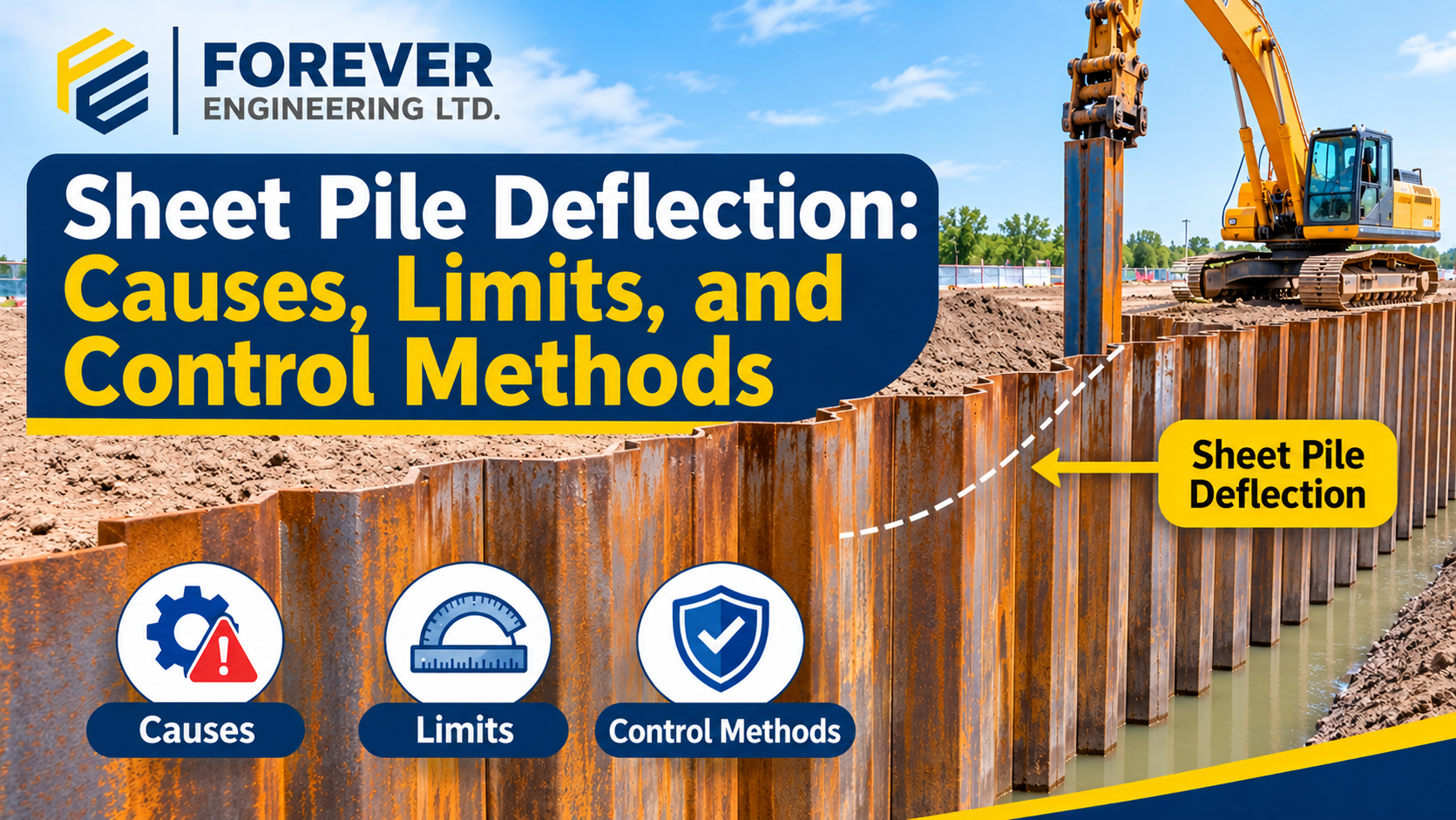
Sheet pile deflection means the sideways movement or bending of a sheet pile wall when it faces pressure from soil or water. During excavation, the soil around the construction area pushes against the sheet pile wall. This pressure can make the wall move or bend slightly from its original position. A small amount of movement may happen during normal construction, but too much movement can create serious problems. It may affect the stability of the excavation and damage nearby buildings, roads, or underground pipes. Engineers need to understand how much the wall may move and take proper steps to control it. Good design, correct installation, and regular checking help keep the sheet pile wall stable during construction.
Why Is Sheet Pile Deflection Important in Construction?
Sheet pile deflection is important because sheet pile walls are often installed near existing buildings, roads, and underground pipes. If the wall moves too much, the surrounding ground may settle and cause cracks in buildings or damage to nearby utilities. Excessive movement can also reduce the wall’s ability to support soil safely during excavation. It may affect the performance of anchors and braces and create extra work for the construction team. Proper design, suitable pile selection, and regular monitoring help control wall movement and protect nearby structures. These steps also support safer excavation and better construction performance.
Common Causes of Sheet Pile Deflection
Sheet Pile Deflection can occur during excavation or installation due to soil pressure, groundwater, weak soil, or improper support. The common causes are explained below:
High Soil Pressure: Soil behind the sheet pile wall pushes against the wall and creates pressure. This pressure usually increases when the excavation becomes deeper. Heavy soil, nearby buildings, and construction equipment can also increase the pressure. If the wall is not strong enough to resist the load, it may bend more than expected. Engineers should study the soil and select a suitable sheet pile section before starting the work.
Groundwater Pressure: Water in the soil can create extra pressure on the sheet pile wall. When the water level is high, the wall may face pressure from both soil and water. This can increase wall movement if the design does not consider the water conditions properly. Engineers should check the groundwater level before excavation. Proper water control may be needed to reduce pressure and support safe construction.
Insufficient Embedment Depth: Embedment depth means the part of the sheet pile that remains below the excavation level inside the ground. This buried part helps the wall stay in position and resist pressure. If the pile does not go deep enough, the wall may move or bend more easily. Engineers should calculate the required depth based on soil conditions, excavation depth, and wall design. Correct embedment helps improve wall stability.
Weak or Loose Soil: Soft clay, loose sand, and other weak soils may not provide enough support to the sheet pile wall. These soils can move more easily when pressure is applied. As excavation continues, the wall may bend because the surrounding soil cannot provide enough resistance. A soil investigation helps engineers understand the ground condition before choosing the pile size and installation method.
Poor Installation Alignment: Sheet piles should be installed in the correct line and position. If the piles are not properly aligned, the wall may become uneven. Poor alignment can also create problems with the connections between piles. These problems may affect the wall’s strength and increase movement during excavation. Regular alignment checks during installation help prevent such issues.
Heavy Loads Near the Wall: Heavy vehicles, cranes, construction materials, and nearby buildings can add pressure to the soil behind the sheet pile wall. This extra pressure may cause the wall to move more than expected. Contractors should avoid placing heavy equipment or materials too close to the excavation edge unless the design allows it. Proper site planning helps reduce unnecessary pressure on the wall.
What Is the Allowable Sheet Pile Deflection Limit?
The allowable sheet pile deflection limit is the maximum wall movement accepted by the project design. This limit depends on soil conditions, excavation depth, wall type, and nearby structures. Engineers calculate the expected movement by considering wall height, pile size, soil pressure, and the support system. Some projects also use warning and action levels to identify excessive movement and decide when further checks are needed. When sheet pile walls are installed near buildings, roads, or underground pipes, even small movements can cause damage. Therefore, engineers should set suitable movement limits and monitor the wall regularly to maintain stability and protect nearby structures.
How to Measure and Monitor Sheet Pile Deflection
Monitoring Sheet Pile Deflection helps engineers understand how much the wall is moving during construction. Regular checks can help find problems early and keep the wall stable.
Inclinometer Monitoring: An inclinometer is a tool that measures how much a sheet pile wall moves sideways below the ground. It helps engineers find out where the wall is bending and how much it has moved. They can take readings at different times and compare the results to see if the movement is increasing.
Survey Measurements: Engineers use survey tools to check the position of the sheet pile wall. First, they record its original position. Then, they take new measurements during construction and compare them with the first readings. This helps them understand whether the wall has moved from its planned position.
Checking Nearby Buildings and Ground: Engineers should check nearby buildings, roads, and open ground for signs of movement. They look for wall cracks, ground sinking, or other changes around the excavation area. These signs may show that the sheet pile wall is moving and affecting nearby areas. Regular checks help find problems early.
Regular Site Inspection: Site engineers should regularly check the sheet pile wall and its support system. They should look for bending, loose connections, water leakage, or changes in the nearby ground. If they notice anything unusual, they should inform the responsible engineer. Regular inspection records also help the team track changes during construction.
Methods to Control Sheet Pile Deflection
Proper planning, suitable pile selection, and correct installation help control sheet pile deflection. The following methods can reduce wall movement and improve stability during excavation.
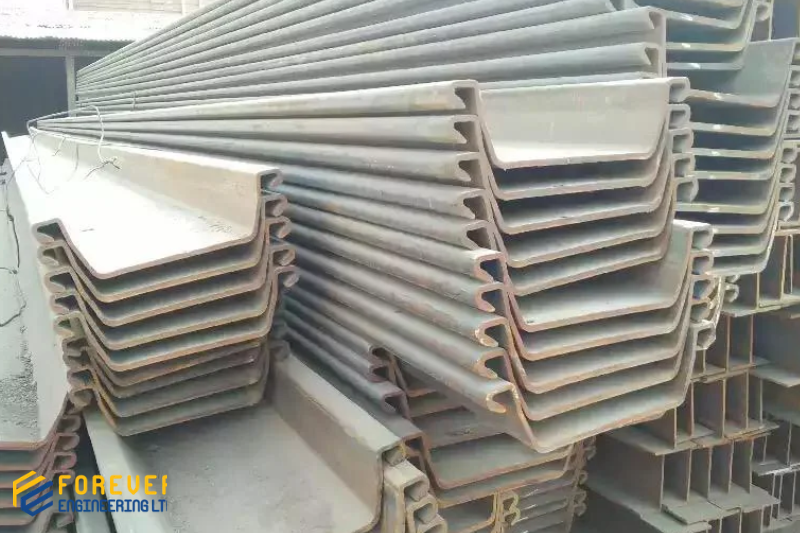
Select the Correct Sheet Pile Section: Sheet piles are available in different profiles, thicknesses, and sizes. The correct section should be selected according to the soil pressure, excavation depth, and required wall strength. A pile that is too weak may bend more under pressure. Engineers should check the design requirements before selecting the material. Proper selection helps the wall carry the expected load safely.
Provide Proper Embedment Depth: The sheet pile should be installed deep enough into the ground according to the approved design. The buried part of the pile helps resist soil pressure and keeps the wall in position. If the depth is not sufficient, the wall may move more during excavation. Engineers should calculate the required depth based on the soil condition and project requirements.
Use Anchors or Bracing: Anchors and braces provide extra support to sheet pile walls. They help reduce the movement of the wall when soil pressure increases. Anchors may connect the wall to a stronger area of ground, while braces support the wall from inside the excavation. The correct support system should be selected by the project engineer.
Follow the Correct Excavation Sequence: Excavation should be carried out in planned stages. Removing too much soil at once can increase pressure on the sheet pile wall and cause greater movement. Contractors should follow the approved excavation plan and install the required supports at the correct stage. A controlled excavation process helps the wall remain stable.
Control Groundwater: High groundwater levels can increase pressure on the sheet pile wall. In some projects, engineers may need to use suitable dewatering or drainage methods to manage the water level. However, groundwater control should be planned carefully because removing too much water may affect nearby soil and buildings. The method should follow the project design and site conditions.
Keep Heavy Loads Away from the Excavation Edge: Heavy equipment, vehicles, and stored materials can increase pressure near the sheet pile wall. Placing these loads too close to the excavation may cause additional movement. Contractors should follow the site loading plan and keep heavy materials in suitable areas. Proper load management helps reduce pressure on the wall.
Sheet Pile Deflection During Installation
Sheet Pile Deflection can occur during driving or pressing when piles are not installed correctly. Poor alignment, unsuitable equipment, high driving resistance, or damaged interlocks can cause piles to move away from their planned positions. These installation problems may affect the wall’s straightness, connection, and overall stability. Therefore, the installation team should maintain proper alignment, use suitable equipment, monitor driving resistance, and check interlocks to reduce unwanted movement and ensure correct installation.
Common Mistakes That Increase Sheet Pile Deflection
Several mistakes during planning and installation can increase sheet pile deflection. Contractors should avoid the following issues to maintain wall stability and prevent unnecessary movement.
Ignoring Soil Investigation: Soil conditions have a direct effect on sheet pile wall movement. If engineers do not have enough soil information, they may select an unsuitable pile section or embedment depth. A proper soil investigation helps identify the ground condition and groundwater level. This information supports a safer and more suitable design.
Excavating Too Deep Too Quickly: Removing soil beyond the planned excavation stage can increase pressure on the sheet pile wall. If the required support is not installed, the wall may bend more than expected. Contractors should follow the approved excavation sequence and check the support system before moving to the next stage.
Choosing an Unsuitable Pile: Selecting a pile only because it is cheaper can create problems if it does not meet the design requirements. The pile must have the required strength, thickness, and length for the project. Engineers should confirm the specifications before ordering the material. Proper selection helps avoid unnecessary replacement or repair.
Skipping Wall Monitoring: Without regular monitoring, the site team may not notice increasing wall movement. This can make it difficult to identify a problem at an early stage. Engineers should record measurements and compare them with the design limits. Regular monitoring supports better construction control.
Ignoring Early Warning Signs: Unusual bending, cracks in nearby structures, or sudden ground movement should not be ignored. These signs may indicate that the wall is facing greater pressure than expected. The site team should report the problem and arrange an engineering review. Early action can help prevent more serious damage.
Sheet Pile Deflection Support from Forever Engineering Ltd.
Forever Engineering Ltd. provides sheet pile supply and project support for excavation, basement construction, foundation work, and riverbank protection. The company helps customers select suitable sheet piles based on their project needs.
Sheet Pile Deflection can be affected by soil conditions, pile size, excavation depth, and the support system. Forever Engineering Ltd. helps customers understand their material requirements and plan their sheet pile projects properly. For sheet pile supply, project consultation, or pricing information, contact Forever Engineering Ltd. to discuss your requirements and request a quotation.
Final Thoughts on Sheet Pile Deflection
Sheet Pile Deflection refers to the sideways movement or bending of a sheet pile wall due to soil and water pressure. Excessive movement can affect excavation safety, wall stability, and nearby structures. Proper pile selection, correct installation, suitable support, and controlled excavation help reduce this risk. Engineers should also monitor wall movement throughout construction and take action when necessary. With careful planning and regular inspection, sheet pile walls can provide safe and reliable support for different construction projects.
Frequently Asked Questions
What are the main reasons for sheet pile deflection?
Sheet Pile Deflection can happen because of soil pressure, groundwater pressure, weak soil, insufficient embedment, or heavy loads near the wall. Poor installation and a lack of support can also increase wall movement.
Can a sheet pile wall bend during construction?
Yes, a sheet pile wall may move or bend slightly when it faces soil and water pressure. However, the movement should remain within the limits set by the project engineer. Excessive movement needs investigation.
How do you check sheet pile wall movement?
Engineers can use inclinometer tools and survey instruments to measure wall movement. They may also check nearby buildings and ground conditions to understand whether the excavation is affecting the surrounding area.
What is the best way to control sheet pile deflection?
Sheet Pile Deflection can be reduced by selecting the correct pile section, providing proper embedment depth, using suitable anchors or braces, controlling groundwater, and following the approved excavation sequence.
Which soil conditions can increase sheet pile deflection?
Soil type affects how much pressure the wall faces and how much support the ground provides. Soft or loose soil may allow more movement than stronger soil. Engineers should check soil conditions before designing the wall.
When should sheet pile deflection be monitored?
Engineers should monitor wall movement during installation and excavation. Regular checks help identify unexpected movement early so the site team can take suitable action before the problem becomes serious.