

Scaffolding supply and installation is an important part of building construction, industrial work, and infrastructure projects in Bangladesh. Scaffolding provides temporary working platforms that help workers reach elevated areas and complete tasks such as brickwork, plastering, painting, concrete work, and building maintenance.
Choosing the right scaffolding system is important for worker safety, project quality, and construction speed. Contractors need suitable materials, proper installation, safe access, and reliable support throughout the project. Forever Engineering Ltd. provides scaffolding sales, rental, erection, dismantling, and related project support in Bangladesh.
What Is Scaffolding Supply and Installation?
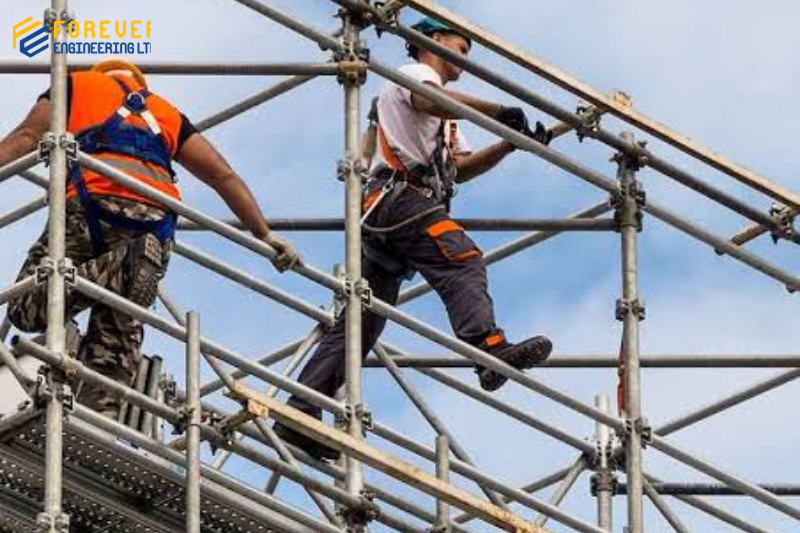
Scaffolding Supply and Installation refers to providing scaffolding materials and setting them up at a construction site according to project requirements. The supply stage includes selecting the right scaffolding type, frames, tubes, platforms, couplers, braces, and safety accessories.
The installation stage includes preparing the supporting ground, assembling the components, providing safe access, installing required guardrails, and checking the completed structure before use. Scaffolding should be installed by trained workers according to the design, load requirements, and site conditions.
Main Services Include:
- Scaffolding Supply: Providing suitable scaffolding materials and components for construction projects.
- Scaffolding Installation: Assembling the scaffolding system according to the project plan and safety requirements.
- Scaffolding Rental: Providing scaffolding for a specific period to help control project costs.
- Scaffolding Sales: Supplying equipment for contractors who need scaffolding for long-term or repeated use.
- Component Supply: Providing frames, tubes, couplers, base plates, platforms, braces, and other required parts.
- Technical Support: Helping contractors select a suitable system based on work type, height, load, and site conditions.
- Dismantling Services: Removing scaffolding safely after the work is complete.
- Safety Inspection: Checking the installed system for stability, access, and visible defects before use.
Why Is Scaffolding Supply and Installation Important?
Proper scaffolding helps workers complete construction activities at different heights. It provides access to working areas and can support tools and materials within the permitted load limits.
Good planning also helps reduce installation errors, missing components, delays, and unnecessary costs. The scaffolding system must match the type of work, building height, ground condition, and expected load.
Proper Scaffolding Helps With:
- Worker Access: Scaffolding provides working platforms that allow workers to reach elevated areas.
- Work Efficiency: Suitable platforms help workers complete construction tasks with better access to tools and materials.
- Construction Quality: Proper access helps workers complete plastering, painting, brickwork, and other tasks more carefully.
- Safety Planning: Correct installation helps reduce risks related to unstable platforms, falls, and unsuitable access.
- Project Scheduling: Timely supply and installation can help construction teams follow the work schedule.
- Material Organization: Proper platforms and storage arrangements can help workers manage permitted tools and materials.
- Cost Control: Accurate planning helps prevent unnecessary material orders, repeated transportation, and installation delays.
Scaffolding Supply and Installation Services by Forever Engineering Ltd.
Forever Engineering Ltd. provides scaffolding sales and rental services for construction projects in Bangladesh. Its services include scaffolding design, erection, dismantling, and on-site project support.
The right scaffolding solution depends on the project size, working height, type of construction, load requirements, and site conditions. Contractors should share their project details before selecting the system and confirming the required materials.
What Types of Scaffolding Are Used in Construction?
Different scaffolding systems suit different construction activities. A supplier should help the contractor select a system based on the building layout, working height, load, access needs, and installation conditions.
Common Scaffolding Types Include:
- Frame Scaffolding: This system uses connected frames and braces. Workers commonly use it for building construction, plastering, painting, and repair work.
- Cuplock Scaffolding: Cuplock scaffolding uses a locking connection system to join vertical and horizontal members. It can suit projects that require repeated scaffold sections.
- Ringlock Scaffolding: Ringlock systems use connection points that allow different members to join in several directions. They can suit complex layouts and large construction projects.
- Tube and Clamp Scaffolding: This system uses individual tubes and clamps. It offers flexibility for unusual building shapes and areas with limited access.
- Kwikstage Scaffolding: Kwikstage is a modular system designed for organized assembly and repeated use in suitable construction work.
- Mobile Scaffolding: Mobile scaffolding uses wheels or casters so workers can move the structure when the design and site conditions allow it.
- Suspended Scaffolding: Suspended systems hang from an approved support structure and provide access to elevated building surfaces for suitable work.
- Heavy-Duty Scaffolding: Heavy-duty systems are selected for applications with higher loads, but the design and permitted capacity must be checked before use.
What Factors Affect Scaffolding Supply and Installation?
Several factors affect the materials, installation method, project duration, and total cost. Contractors should review these details before requesting a quotation.
- Project Size: Large projects usually require more scaffolding components, longer installation time, and more detailed planning.
- Working Height: Taller structures may require additional bracing, access systems, ties, and engineering checks.
- Scaffolding Type: Different systems have different components, connection methods, and installation needs.
- Load Requirements: The system must suit the combined loads from workers, tools, materials, and equipment.
- Ground Conditions: The supporting surface must be able to carry the scaffold loads. Soft or uneven ground may need suitable preparation.
- Site Layout: Limited space, nearby structures, overhead services, and access restrictions can affect installation.
- Material Quantity: The number of frames, tubes, platforms, braces, couplers, and accessories affects the supply cost.
- Installation Labour: The size and complexity of the scaffold influence the number of trained workers and the time needed.
- Rental Duration: Rental costs depend on the agreed period and the quantity of equipment supplied.
- Transportation: Delivery costs can vary with distance, load size, vehicle requirements, and site access.
- Safety Requirements: Guardrails, safe access, ties, braces, and other required protective components can affect the total project cost.
- Dismantling and Return: The time and labor needed to dismantle and return rented equipment should be included in project planning.
What Is Included in Scaffolding Supply and Installation?
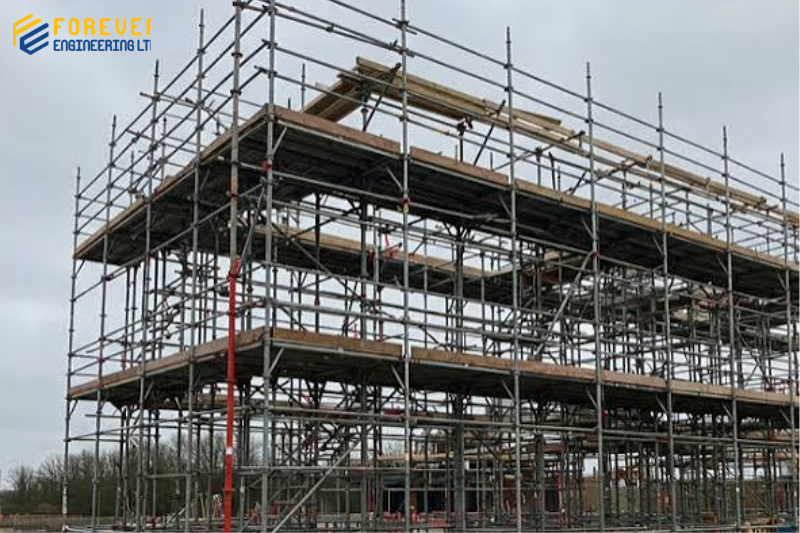
A complete scaffolding arrangement needs the correct materials, proper assembly, and suitable safety features. The exact components depend on the selected system and the approved design.
Main Components and Activities Include:
- Standards: Vertical members carry loads through the scaffolding structure.
- Ledgers: Horizontal members connect the standards and support the scaffold arrangement.
- Transoms: These members provide support for platforms and connect parts of the scaffold.
- Base Plates and Sole Boards: Suitable bases help spread loads and support the scaffold on the ground.
- Braces: Bracing helps improve stability and reduce unwanted movement.
- Platforms: Platforms provide working surfaces for construction tasks.
- Guardrails and Toe Boards: These help reduce fall risks and prevent tools or materials from falling from working platforms.
- Access Ladders or Stairways: Suitable access systems help workers reach working levels safely.
- Couplers and Connectors: These join compatible scaffold components where required.
- Installation and Inspection: Trained workers assemble the scaffold, and a competent person checks it before use and as required during the project.
- Dismantling: The scaffold is removed in a planned and controlled way after the work is complete.
How Does Scaffolding Supply and Installation Work?
The process starts with understanding the project requirements and ends with safe dismantling when the scaffolding is no longer needed. Proper coordination between the supplier, installation team, and site management helps prevent delays.
Follow These Steps:
- Review the Project Requirements: Identify the building type, working height, construction activities, expected loads, and project duration.
- Inspect the Site: Check ground conditions, available space, access routes, nearby structures, and possible overhead hazards.
- Select the Scaffolding Type: Choose a suitable system according to the project layout, working conditions, and design requirements.
- Prepare the Material List: Calculate the required frames, tubes, platforms, braces, couplers, bases, and safety accessories.
- Confirm the Supply Arrangement: Decide whether to buy or rent the scaffolding and confirm the quantity, price, and supply period.
- Arrange Transportation: Plan delivery vehicles, unloading equipment, and site access before materials arrive.
- Prepare the Ground: Ensure that the supporting surface is stable and suitable for the expected loads. Use appropriate base arrangements where required.
- Check the Components: Inspect materials for visible damage, defects, or missing parts before installation.
- Install the Scaffolding: Trained workers assemble the system according to the approved design and the manufacturer’s instructions.
- Install Safety Features: Provide required guardrails, toe boards, braces, ties, platforms, and safe access arrangements.
- Inspect Before Use: A competent person checks the completed scaffold and confirms that it is safe for the intended work.
- Monitor During Use: Inspect the system as required and after events that could affect its stability. Do not change the structure without proper authorization.
- Dismantle the Scaffolding: After the work is finished, trained workers remove the components in a controlled sequence.
- Return or Store the Materials: Check the components, arrange the return of rented items, or store purchased materials safely for future use.
Scaffolding Supply and Installation Applications in Bangladesh
Scaffolding supports many construction and maintenance activities across Bangladesh. The system should match the work type, building design, access needs, and site conditions.
Common Applications Include:
- Residential Buildings: Scaffolding provides access for brickwork, plastering, painting, and exterior finishing.
- Commercial Buildings: Contractors use scaffolding for construction and finishing work in offices, shops, and commercial complexes.
- High-Rise Buildings: Suitable systems provide access to elevated work areas when properly designed and installed.
- Industrial Projects: Scaffolding supports maintenance and construction activities in factories, warehouses, and industrial facilities.
- Bridge Construction: Suitable scaffolding can provide access for construction, repair, and maintenance tasks.
- Road and Infrastructure Projects: Temporary platforms help workers reach elevated or difficult work areas.
- Interior Work: Mobile or other suitable systems can support ceiling work, painting, and interior repairs.
- Exterior Painting: Scaffolding gives workers access to exterior walls and other elevated surfaces.
- Plastering and Brickwork: Working platforms help workers complete wall construction and finishing tasks.
- Building Renovation: Scaffolding can support repairs, surface preparation, cleaning, and restoration work.
- Maintenance Projects: Suitable systems provide temporary access for inspection and repair activities.
How Can You Reduce Scaffolding Supply and Installation Costs?
Careful planning can help control the total cost without reducing essential safety requirements. Contractors should compare the full service cost rather than focusing only on the price of individual components.
Consider These Factors:
- Estimate the Quantity Correctly: Accurate measurements help avoid ordering too much or too little equipment.
- Choose a Suitable System: Select scaffolding based on the actual project requirements rather than choosing a system that is unnecessarily complex.
- Compare Supplier Quotations: Compare material quality, quantity, delivery, installation, rental duration, and dismantling charges.
- Plan Delivery in Advance: Coordinated delivery can reduce waiting time, extra vehicle trips, and site delays.
- Consider Rental for Short Projects: Renting may be suitable when scaffolding is only needed for a limited period.
- Consider Buying for Repeated Use: Purchasing may provide better value for contractors who use the same type of scaffolding regularly.
- Prepare the Site Early: Clear access and suitable ground conditions can help reduce installation delays.
- Protect the Materials: Proper handling and storage help prevent damage and replacement costs.
- Coordinate Work Schedules: Align installation and dismantling with the construction schedule to avoid paying for unused rental periods.
- Keep Safety Components: Do not remove required safety features to reduce costs. Plan for them in the initial quotation.
How Does Forever Engineering Ltd. Support Scaffolding Projects?
Forever Engineering Ltd. offers scaffolding sales and rental, along with design, erection, dismantling, and on-site project management services.
For a project quotation, contractors should provide details such as the site location, required height, work type, estimated quantity, project duration, and whether installation or dismantling support is needed. These details help the supplier understand the work and prepare a suitable proposal.
Benefits of Choosing Professional Scaffolding Supply and Installation
Professional supply and installation can help construction teams plan access, manage equipment, and reduce avoidable delays. The benefits depend on selecting the right system and following safe work procedures.
Key Benefits Include:
- Suitable Equipment: The system can be selected according to the project’s work type and height.
- Better Planning: A clear material list helps reduce missing components and supply delays.
- Safer Access: Properly installed platforms and access systems support safer working conditions.
- Improved Productivity: Workers can reach work areas more easily when the scaffold is suitable.
- Reduced Delays: Coordinated supply and installation help keep construction activities on schedule.
- Cost Control: Accurate planning can reduce unnecessary transportation, rental, and replacement costs.
- Technical Assistance: Professional support can help identify suitable equipment and installation needs.
- Flexible Options: Buying or renting allows contractors to choose according to project duration and budget.
- Organized Dismantling: Planned removal helps protect workers and recover equipment safely.
- Better Equipment Management: Inspection, storage, and maintenance help keep reusable components in suitable condition.
Safety During Scaffolding Supply and Installation
Scaffolding safety begins before materials reach the site. The system must be suitable for the work, correctly assembled, and inspected before workers use it.
Important Safety Measures Include:
- Use Trained Workers: Scaffolding should be erected, changed, and dismantled by trained workers under suitable supervision.
- Check the Ground: The supporting surface and base arrangements must be suitable for the scaffold loads.
- Inspect Materials: Do not use damaged or unsuitable components.
- Follow the Design: Assemble the system according to the approved design and manufacturer’s instructions.
- Install Bracing and Ties: Provide the required stability features to prevent unwanted movement.
- Provide Edge Protection: Install suitable guardrails and toe boards where required.
- Maintain Safe Access: Provide proper ladders or stairways for workers.
- Control Loads: Never exceed the permitted load capacity of the scaffold or platform.
- Inspect Before Use: A competent person should check the scaffold before use and after changes or events that may affect safety.
- Keep Platforms Clear: Remove unnecessary materials and maintain clear access routes.
- Consider Weather: Wind, rain, and other conditions can affect stability and safe working practices.
- Prevent Unauthorized Changes: Workers should not remove braces, ties, platforms, or other structural components without authorization.
- Dismantle Carefully: Remove components in a controlled sequence and keep people away from hazardous areas.
Why Choose Forever Engineering Ltd. for Scaffolding Supply and Installation?
Forever Engineering Ltd. provides scaffolding sales and rental solutions for different construction requirements in Bangladesh. The company also lists design, erection, dismantling, and on-site project management among its scaffolding services.
Key Reasons to Consider Forever Engineering Ltd. Include:
- Supply and Rental Options: Contractors can discuss whether buying or renting is suitable for their project.
- Installation Support: The company lists scaffolding erection and dismantling among its services.
- Different Scaffolding Systems: Available solutions include several types of scaffolding and related accessories.
- Project-Based Planning: The required system can be discussed according to project height, work type, and site conditions.
- Technical Assistance: Contractors can share their requirements to discuss suitable scaffolding solutions.
- Quotation Support: Project details help the team prepare a quotation for the required materials and services.
Contact Forever Engineering Ltd. for Scaffolding Supply and Installation
If you need Scaffolding Supply and Installation for a residential building, commercial project, industrial facility, or infrastructure work, selecting the right system is important for safe and efficient construction.
Contact Forever Engineering Ltd. to discuss scaffolding sales, rental, installation, dismantling, and project requirements. Share your project details to request a quotation based on the required equipment and services.
Phone: +880 1894 615871 / +880 1894 615872
Email: info@foreverengineeringltd.com
Conclusion
Scaffolding Supply and Installation plays an important role in construction projects across Bangladesh. The right scaffolding system provides access to elevated work areas and supports activities such as brickwork, plastering, painting, building construction, and maintenance.
Before selecting a supplier, contractors should consider the scaffolding type, working height, load requirements, material quality, installation method, delivery, rental period, and safety features. Proper planning and inspection can help reduce delays and support safer construction work.
Forever Engineering Ltd. offers scaffolding sales, rental, erection, dismantling, and related project support. Contact the company to discuss your requirements and request a quotation for your project.
Frequently Asked Questions
1. What is Scaffolding Supply and Installation?
Scaffolding Supply and Installation means providing the required scaffolding materials and assembling them at a construction site according to project requirements and safety procedures.
2. What types of scaffolding are available in Bangladesh?
Common types include frame, cuplock, ringlock, tube and clamp, kwikstage, mobile, and suspended scaffolding. The suitable type depends on the work, height, load, and site conditions.
3. How much does scaffolding supply and installation cost in Bangladesh?
The cost depends on the scaffolding type, quantity, working height, rental duration, delivery distance, installation labour, and required accessories. A project-specific quotation provides a more useful estimate.
4. Should I rent or buy scaffolding?
Renting may suit short-term projects, while buying may be more practical for contractors who use scaffolding regularly. Compare the full cost, storage needs, maintenance, and expected future use.
5. Does scaffolding installation require trained workers?
Yes. Trained workers should erect, alter, and dismantle scaffolding under suitable supervision. The completed system should be inspected by a competent person before use.
6. What components are required for scaffolding installation?
Depending on the system, components may include standards, ledgers, transoms, braces, platforms, couplers, base plates, access ladders, guardrails, and toe boards.
7. How long does scaffolding installation take?
The time depends on the project size, height, system type, site access, material quantity, and installation conditions. A supplier or installation team can estimate the time after reviewing the project details.
8. Can scaffolding be used for high-rise buildings?
Yes. Suitable scaffolding systems can provide access for high-rise construction when properly designed, installed, tied, inspected, and used within their permitted limits.
9. Why is scaffolding inspection important?
Inspection helps identify damaged components, unstable arrangements, missing safety features, and other problems before they cause an accident. Inspections should follow the project requirements and applicable safety rules.
10. Does Forever Engineering Ltd. provide scaffolding supply and installation services?
Forever Engineering Ltd. lists scaffolding sales, rental, design, erection, dismantling, and on-site project management among its services. Contact the company to confirm the services and equipment available for your project.