
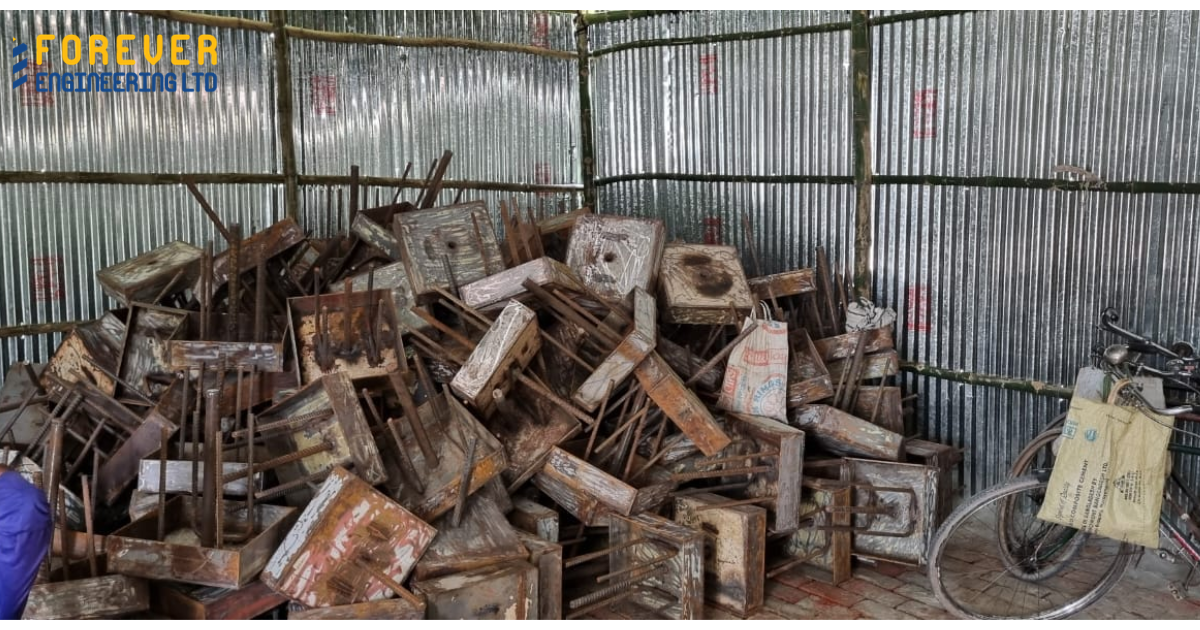
Precast pile joint plate manufacturing is an important part of precast concrete pile production and foundation construction. These steel components help connect precast pile sections when a project requires a longer pile made from multiple sections. Proper material selection, accurate fabrication, and quality inspection help ensure that the joint plates meet the approved project specifications.
Precast concrete piles are widely used in residential buildings, commercial structures, industrial facilities, bridges, and infrastructure projects. When contractors need to join two pile sections, the joint plates and connecting components must match the pile design. Incorrect dimensions, unsuitable materials, or poor welding can create connection problems during installation.
Forever Engineering Ltd. supports construction and foundation projects in Bangladesh. Understanding the manufacturing process, material requirements, quality checks, and supply arrangements for precast pile joint plates can help contractors plan their projects and select suitable components.

What Is Precast Pile Joint Plate Manufacturing?
Precast pile joint plate manufacturing involves preparing steel plates and related components for use in precast concrete pile connections. The process may include material selection, cutting, drilling, fitting, welding, finishing, and inspection according to approved drawings.
The exact manufacturing method depends on the pile dimensions and joint design. Some systems use steel plates with specific connection details, while others may include additional fabricated components. Manufacturers must follow the approved engineering specifications instead of using one standard design for every project.
Main Purposes of Precast Pile Joint Plates Include:
- Connecting Pile Sections: Joint plates form part of the connection system used to join precast concrete pile sections.
- Supporting Load Transfer: A properly designed joint helps transfer the forces required by the structural design.
- Maintaining Alignment: Accurate dimensions help the pile sections fit together correctly.
- Supporting Installation: Suitable joint components help contractors connect pile sections according to the approved procedure.
- Improving Quality Control: Standardized manufacturing and inspection help reduce fabrication errors.
Why Is Precast Pile Joint Plate Manufacturing Important?
Precast pile joint plates must match the pile design and perform as intended during installation and throughout the structure’s service life. The quality of the plates, their connection details, and the installation process all affect joint performance. A well-planned manufacturing process helps maintain consistent dimensions and reduces the risk of incorrect fitting. It also allows manufacturers or suppliers to check material quality and fabrication details before delivering the components to the construction site.
Key benefits of proper manufacturing include:
- Accurate Dimensions: Correct measurements help the joint components fit the pile sections as intended.
- Consistent Material Quality: Approved steel specifications help ensure that components meet project requirements.
- Reliable Fabrication: Controlled cutting, drilling, and welding help reduce manufacturing defects.
- Better Installation Planning: Correctly fabricated components can help reduce delays caused by fitting problems.
- Improved Project Coordination: Clear drawings and quality records help contractors coordinate pile production and installation.
Materials Used in Precast Pile Joint Plate Manufacturing
Material selection is one of the first steps in manufacturing precast pile joint plates. Steel grade, plate thickness, and other material properties must meet the approved engineering design and project specifications. The correct material depends on the joint configuration, expected forces, fabrication requirements, and applicable standards. Contractors should not change the steel grade or plate thickness without approval from the responsible engineer.
Common Materials and Components Include:
- Steel Plates: These form the main body of the joint plate. Their grade and thickness must match the approved drawings.
- Additional Steel Components: Some joint designs require extra plates, lugs, or other fabricated parts.
- Welding Consumables: Suitable welding materials are selected according to the base steel and approved welding procedure.
- Protective Coatings: Coatings may be required when the project specifications call for additional surface protection.
- Identification Materials: Labels or markings help identify plate sizes, batches, and project requirements during storage and delivery.
Material certificates and inspection records should be checked when the project specifications require them.
Precast Pile Joint Plate Manufacturing Process
A controlled manufacturing process helps ensure that the finished plates match the approved drawings. Each step should follow the specified dimensions, tolerances, material requirements, and quality procedures.
Main Manufacturing Steps Include:
Step 1: Review the Engineering Drawings: Check the pile dimensions, plate size, thickness, steel grade, hole positions, connection details, and required tolerances before production begins.
Step 2: Select the Steel Material: Choose steel that meets the specified grade and thickness. Verify the material documents where required by the project.
Step 3: Mark the Plate Dimensions: Mark the required shape, length, width, and cutting lines according to the approved fabrication drawings.
Step 4: Cut the Steel Plate: Cut the material using a suitable process. Check the edges for excessive roughness, deformation, and other visible defects.
Step 5: Drill or Prepare Connection Features: Create holes, slots, or other features where the joint design requires them. Measure their positions carefully.
Step 6: Fit the Components: Position the plate and additional joint parts according to the drawing. Proper fit-up helps maintain the required joint geometry.
Step 7: Complete the Welding: Where welding is specified, follow an approved welding procedure and use suitable consumables. Qualified personnel should carry out the work when required.
Step 8: Inspect the Fabricated Plate: Check the plate dimensions, connection features, alignment, and weld quality against the specified acceptance criteria.
Step 9: Complete Finishing Work: Remove sharp edges and weld spatter where required. Apply any specified protective treatment.
Step 10: Prepare the Plates for Supply: Identify, organize, and protect the finished plates to reduce damage and prevent mix-ups during storage and transportation.
What Factors Affect Precast Pile Joint Plate Specifications?
Every construction project may require different joint plate dimensions and connection details. Specifications should reflect the approved pile design, structural requirements, and installation conditions.
- Pile Size: The pile cross-section affects the space available for the joint and the required plate arrangement.
- Plate Thickness: The engineer determines the required thickness based on the joint design, forces, material properties, and applicable standards.
- Steel Grade: The selected steel must meet the strength and fabrication requirements stated in the project specifications.
- Joint Configuration: The connection design determines the shape, number, and arrangement of the joint components.
- Welding Requirements: Weld size, length, type, and inspection requirements must follow the approved design and welding procedure.
- Dimensional Tolerances: Plate dimensions and hole positions must remain within the specified limits to support proper fitting.
- Reinforcement Arrangement: The joint details must coordinate with the pile reinforcement cage and pile-end construction.
- Installation Method: The method used to handle, drive, and connect the pile sections may affect the required connection details.
- Project Standards: Applicable codes, drawings, and technical specifications guide the manufacturing and acceptance process.
- Quantity Requirements: The order quantity affects production planning, inspection, packaging, and delivery arrangements.
Quality Control in Precast Pile Joint Plate Manufacturing
Quality control helps confirm that the finished components meet the project’s technical requirements. Inspection should take place during material selection, fabrication, welding, and final preparation. Visual appearance alone cannot confirm that a joint plate meets all requirements. Dimensional checks, material verification, and the specified weld inspections help identify problems before the components reach the construction site.
Important Quality Checks Include:
- Material Verification: Confirm the steel grade and thickness against the purchase specification and material records.
- Dimensional Inspection: Measure plate length, width, thickness, hole positions, and other critical features.
- Fit-Up Inspection: Check that the components align and fit according to the approved drawings.
- Weld Inspection: Inspect welds using the visual or additional testing methods required by the project.
- Surface Inspection: Look for cracks, excessive distortion, damaged edges, and other unacceptable defects.
- Batch Identification: Maintain traceability and inspection records where the project requires them.
- Final Acceptance: Release the components only after they meet the applicable acceptance criteria.
The inspection plan should follow the approved project specifications and the responsible engineer’s requirements.
How to Choose a Precast Pile Joint Plate Manufacturer or Supplier
Selecting a suitable manufacturer or supplier helps contractors obtain components that match the project design and delivery schedule. The lowest price may not provide the best value if the products fail to meet the required specifications. Before placing an order, share complete technical details and confirm what the supplier can manufacture or supply.
Important Factors to Consider Include:
- Technical Drawings: Provide approved drawings that show the plate dimensions, thickness, steel grade, and joint details.
- Manufacturing Capability: Confirm that the manufacturer can produce the required shapes, holes, and connection features accurately.
- Material Quality: Ask how the supplier verifies the steel grade and thickness.
- Welding Quality: If welding is required, confirm how welding procedures and inspection requirements are controlled.
- Quality Documents: Ask about material certificates, inspection reports, and other documentation required by the project.
- Order Quantity: Confirm that the supplier can meet the required quantity and production schedule.
- Delivery Arrangements: Discuss packaging, transportation, site access, and the expected delivery date.
- Quotation Details: Check whether the quotation includes materials, fabrication, inspection, packaging, transportation, and any additional charges.
How to Estimate Precast Pile Joint Plate Manufacturing Costs
The cost of precast pile joint plate manufacturing depends on the specifications and amount of fabrication required. An accurate quotation needs more information than the plate dimensions alone.
Main Cost Factors Include:
- Steel Grade and Thickness: Material type and thickness affect the amount and cost of steel required.
- Plate Dimensions: Larger plates or special shapes may require more material and processing time.
- Cutting and Drilling: Complex shapes and connection features may increase fabrication costs.
- Welding and Assembly: The joint design determines the amount of welding and assembly work required.
- Inspection Requirements: Additional testing or documentation may affect the total price.
- Order Quantity: Larger orders may change material purchasing and production planning.
- Packaging and Transportation: Delivery distance, handling requirements, and packaging affect the final supply cost.
- Delivery Schedule: Urgent production or special delivery arrangements may affect the quotation.
For an accurate estimate, provide the approved drawings, steel grade, plate thickness, quantity, inspection requirements, and delivery location. Compare quotations using the same specifications to make a fair assessment.
Common Mistakes to Avoid During Manufacturing and Supply
Small errors in drawings, material selection, or communication can lead to fabrication problems and construction delays. Careful planning helps reduce these risks.
- Using Unapproved Drawings: Outdated or incomplete drawings may result in plates that do not fit the pile joint.
- Selecting the Wrong Steel Grade: Material that does not meet the design requirements can affect the intended joint performance.
- Ignoring Dimensional Tolerances: Incorrect dimensions or hole positions can create fitting problems during installation.
- Changing Plate Thickness Without Approval: Unapproved changes may affect the connection design.
- Skipping Quality Checks: Missing inspections can allow fabrication defects to reach the site.
- Poor Delivery Planning: Late deliveries or inadequate packaging can disrupt pile production and installation schedules.
How Forever Engineering Ltd. Supports Construction Projects
Forever Engineering Ltd. supports construction and foundation projects in Bangladesh. For projects involving precast pile joint plates, the required materials and fabrication details should be confirmed against the approved project specifications.
Contractors can prepare the pile dimensions, joint drawings, steel grade, plate thickness, required quantity, inspection requirements, and delivery schedule before discussing their needs with the company. These details help clarify the request and determine the appropriate supply arrangements. If your project requires precast pile joint plates, contact Forever Engineering Ltd. to discuss the technical requirements and confirm the company’s current manufacturing or supply capabilities for the specified components.
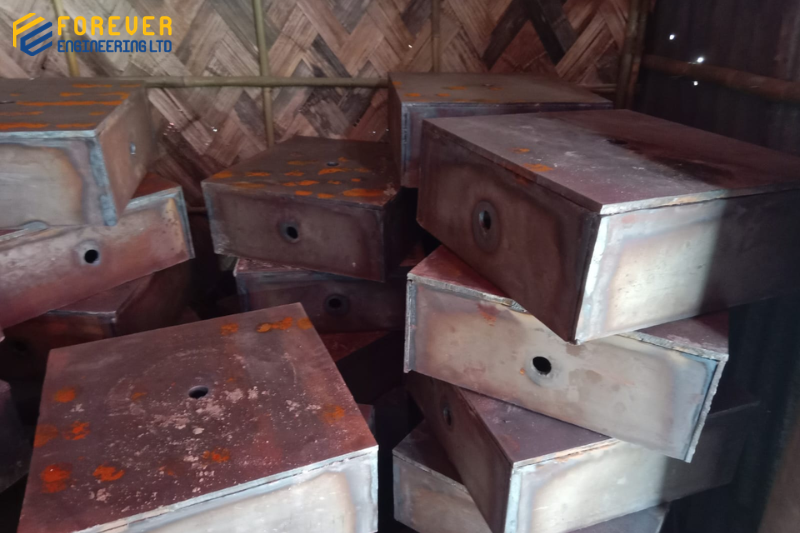
Contact Forever Engineering Ltd. for Precast Pile Joint Plate Requirements
Precast pile joint plates must match the approved pile design and meet the required material and quality specifications. Clear planning helps contractors manage fabrication, inspection, and delivery more effectively. Contact Forever Engineering Ltd. to discuss your foundation project requirements and ask about available supply options. Share the approved drawings, plate dimensions, steel grade, quantity, and delivery location to support a project-specific quotation.
Website: https://foreverengineeringltd.com/
Conclusion
Precast pile joint plate manufacturing involves material selection, accurate cutting, drilling, fitting, welding where required, finishing, and quality inspection. Each stage must follow the approved drawings and project specifications to ensure that the components suit the intended pile connection. Before ordering, contractors should confirm the plate dimensions, steel grade, thickness, connection details, inspection requirements, and delivery schedule. Comparing quotations based on the same technical specifications also helps prevent misunderstandings and unexpected costs.
Forever Engineering Ltd. supports construction and foundation projects in Bangladesh. Contact the company to discuss your project requirements and confirm the available options for precast pile joint plate supply.
Frequently Asked Questions
1. What is precast pile joint plate manufacturing?
Precast pile joint plate manufacturing is the process of preparing steel plates and related components for precast concrete pile connections. It may include cutting, drilling, fitting, welding, finishing, and inspection.
2. What materials are used in precast pile joint plates?
Steel is commonly used, but the required steel grade and plate thickness depend on the approved joint design and project specifications.
3. How are precast pile joint plates manufactured?
The process generally includes reviewing drawings, selecting steel, marking dimensions, cutting, drilling, fitting, welding where required, inspection, finishing, and preparation for delivery.
4. Why is quality control important for pile joint plates?
Quality control helps confirm that the components meet the required dimensions, material specifications, connection details, and welding acceptance criteria.
5. What affects precast pile joint plate manufacturing costs?
Costs depend on steel grade, thickness, dimensions, fabrication work, welding, inspection, order quantity, packaging, and transportation.
6. Can precast pile joint plates be manufactured to custom specifications?
Custom fabrication may be possible depending on the manufacturer’s capabilities. The required dimensions and connection details should come from approved engineering drawings.
7. What information is needed to request a quotation?
Provide the approved drawings, plate dimensions, steel grade, thickness, quantity, inspection requirements, and delivery location.
8. Should joint plates be inspected before delivery?
Yes. They should be checked against the approved specifications, including dimensions, material requirements, connection details, and applicable welding inspections.
9. Are all precast pile joint plates the same?
No. Their dimensions, thickness, material, and connection details vary according to the pile design and project requirements.
10. How can Forever Engineering Ltd. help with precast pile joint plates?
Contact Forever Engineering Ltd. to discuss your project requirements and confirm whether the company can manufacture or supply the required components. Providing complete technical specifications helps the company review your request.