
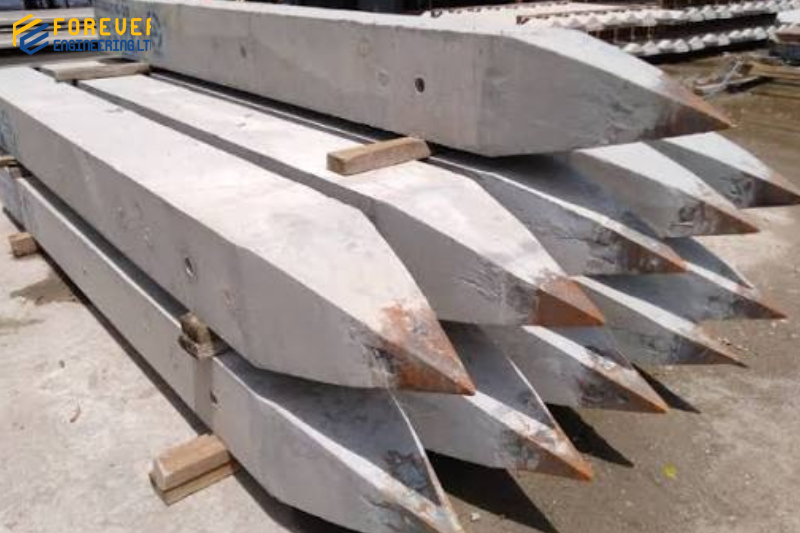
What Is Precast Pile Concrete Grade?
Precast pile concrete grade refers to the strength of the concrete used to manufacture precast piles. It indicates how much compressive stress the concrete can withstand after curing under specified testing conditions. Concrete grades are commonly expressed in MPa, which means megapascal. For example, concrete with a characteristic compressive strength of 40 MPa is designed to reach that specified strength under the relevant testing standard. The required grade depends on the structural design, ground conditions, pile dimensions, and expected loads.
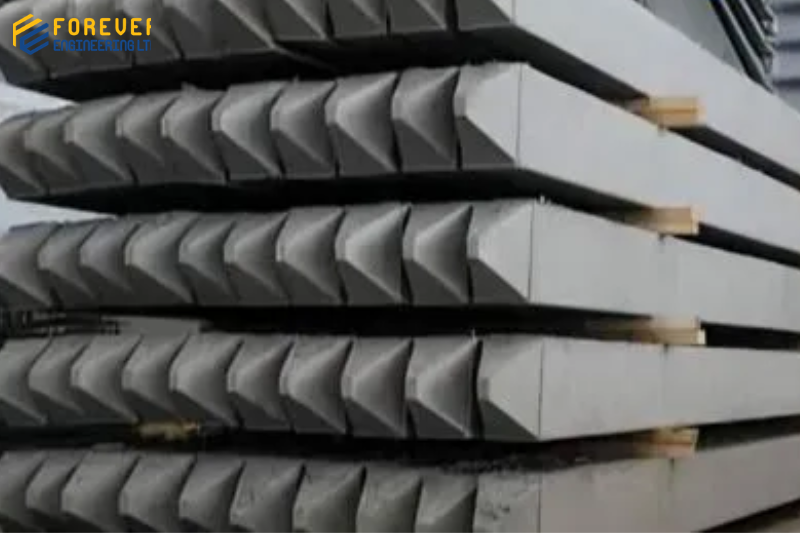
Why Is Concrete Grade Important for Precast Piles?
Concrete grade directly affects the performance of a precast pile during handling, transportation, installation, and service. A suitable grade helps the pile resist compressive loads and reduces the risk of damage when it is lifted or driven into the ground. Selecting concrete with the required strength also supports long-term foundation performance. However, a higher grade alone does not guarantee a strong pile. Proper reinforcement, curing, manufacturing quality, and installation practices are equally important.
Common Concrete Grades Used in Precast Piles
Different concrete grades may be used for precast piles depending on the project design and local construction standards. The following examples provide a general idea of concrete strength levels.
- C30 Concrete: Concrete with a characteristic strength of 30 MPa may be suitable for certain applications when approved by the structural design. Its suitability depends on the pile’s loading and installation requirements.
- C35 Concrete: A 35 MPa concrete mix may be considered for projects that require moderate to high concrete strength. Engineers must confirm that it meets the design and durability requirements.
- C40 Concrete: Concrete with a characteristic compressive strength of 40 MPa can be suitable for demanding foundation applications where the design requires this strength level.
- C50 Concrete: Higher-strength concrete may be specified for heavily loaded piles or special foundation conditions. The mix design, production process, and quality testing must be carefully controlled.
Factors to Consider When Choosing Precast Pile Concrete Grade
Choosing the right concrete grade requires more than comparing strength numbers. Engineers should review the complete foundation design and the conditions in which the piles will be manufactured, installed, and used.
- Building Load: The expected structural load helps determine the strength required from each pile. Heavy buildings and industrial structures may need piles designed for higher loads.
- Soil Conditions: Soil type, groundwater level, and the presence of aggressive chemicals can affect pile design and durability. A geotechnical investigation helps engineers select an appropriate foundation system.
- Pile Dimensions: The length, width, diameter, and cross-sectional area of a pile influence its structural capacity. The concrete grade must work with the pile dimensions and reinforcement design.
- Installation Method: Precast piles may be installed using impact hammers or other suitable piling equipment. The concrete must have adequate strength to resist handling and installation stresses.
- Reinforcement Design: Steel reinforcement helps a pile resist bending and tensile stresses. Concrete grade, reinforcement quantity, and detailing should be designed together.
- Durability Requirements: Piles exposed to aggressive groundwater, chemicals, or other harsh conditions may require specific concrete composition and protective measures, not just a higher strength grade.
How to Choose the Right Precast Pile Concrete Grade
The selection process should follow the approved structural design, geotechnical recommendations, and relevant construction standards. These steps can help project teams make an informed decision.
Step 1: Review the Structural Design: Check the building loads, foundation layout, pile capacity, and design specifications. These details establish the initial concrete strength requirements.
Step 2: Study the Soil Investigation Report: Review soil layers, groundwater conditions, and other site information. This helps the engineer understand the environment in which the pile will operate.
Step 3: Confirm the Required Concrete Strength: The structural engineer should specify the concrete grade based on the calculated stresses, applicable design code, and expected installation conditions.
Step 4: Check the Reinforcement Details: Review the steel reinforcement, cover, spacing, and connection details. These components must work with the concrete to provide the required structural performance.
Step 5: Verify the Mix Design: The concrete mix should be prepared using suitable cement, aggregates, water, and approved admixtures. The mix design must meet the specified strength and workability requirements.
Step 6: Test and Approve the Concrete: Carry out the required concrete strength tests and production quality checks. Piles should only be handled or installed when they have reached the specified strength required for that operation.
Concrete Grade and Precast Pile Load Capacity
Concrete grade is one factor that affects the load-bearing capacity of a precast pile. Higher concrete compressive strength can increase the concrete section’s resistance to compression, but the pile’s overall capacity also depends on its dimensions, reinforcement, slenderness, ground conditions, and installation method. Engineers must consider both the structural capacity of the pile and the resistance provided by the surrounding soil. Therefore, the concrete grade should never be selected using building load alone without proper structural and geotechnical calculations.
Importance of Quality Control in Precast Pile Manufacturing
Quality control helps ensure that precast piles meet the specified strength and dimensional requirements. Manufacturers should use approved mix designs, maintain consistent batching, compact the concrete properly, and follow suitable curing procedures. Concrete samples should be tested at the required ages, and manufacturing records should be maintained. The piles should also be inspected for cracks, surface defects, dimensional accuracy, and reinforcement-related issues before delivery. These checks help reduce the risk of weak piles and installation problems.
Common Mistakes When Selecting Concrete Grade
Some mistakes can affect pile performance even when the specified concrete grade appears suitable.
- Choosing a Grade Without Engineering Calculations: Selecting a grade based only on general recommendations may not meet the project’s actual loading requirements.
- Ignoring Curing Requirements: Concrete needs proper curing to develop its intended strength. Poor curing can reduce performance and increase the risk of defects.
- Using Strength as the Only Selection Factor: Durability, reinforcement, pile dimensions, handling stresses, and soil conditions must also be considered.
- Installing Piles Too Early: Lifting or driving piles before they reach the required strength can cause cracking or other damage.
- Skipping Quality Tests: Without appropriate testing and inspection, it is difficult to confirm whether the concrete meets the specified requirements.
Precast Pile Concrete Grade for Different Construction Projects
The required concrete grade can vary between residential buildings, commercial developments, industrial facilities, bridges, and infrastructure projects. A low-rise building may have different foundation demands from a high-rise structure or a heavily loaded industrial facility. Similarly, piles used in aggressive soil or groundwater conditions may need special durability measures. Forever Engineering Ltd. encourages project teams to follow the approved design and technical specifications rather than choosing a concrete grade based only on the type of building.
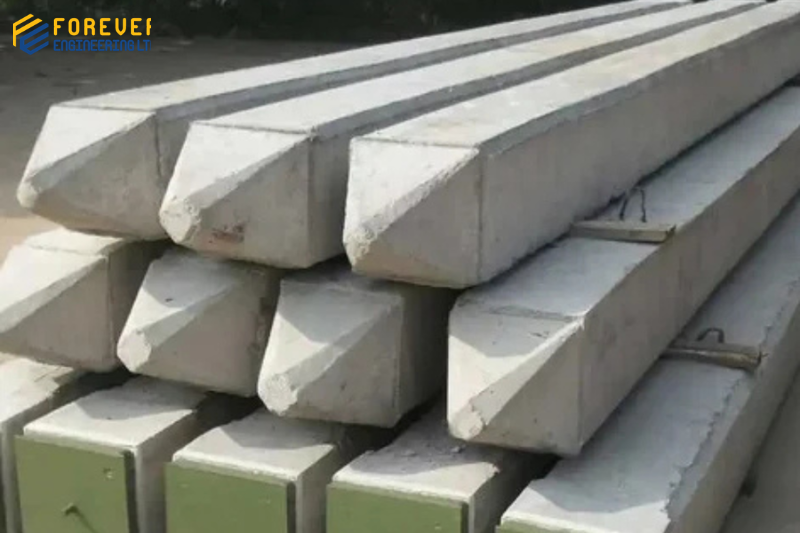
How Forever Engineering Ltd. Supports Foundation Projects
Forever Engineering Ltd. recognizes the importance of reliable foundation solutions for construction projects. Proper pile selection involves reviewing project requirements, expected loads, ground conditions, and installation needs. By considering these factors during foundation planning, project teams can make better decisions about pile specifications and construction quality. For precast pile requirements or foundation-related project discussions, contact Forever Engineering Ltd. through its website: https://foreverengineeringltd.com/.
Conclusion
Choosing the right precast pile concrete grade is essential for building a safe and durable foundation. The correct grade depends on structural loads, soil conditions, pile dimensions, reinforcement, durability needs, and installation methods. Proper mix design, curing, testing, and inspection are also necessary to achieve the required concrete strength. With careful engineering and quality control, project teams can reduce pile damage risks and improve foundation performance. Forever Engineering Ltd. supports informed foundation planning by recognizing the importance of suitable pile specifications and reliable construction practices.
Frequently Asked Questions (FAQs)
1. What is the best concrete grade for precast piles?
There is no single best grade for every precast pile. The required grade depends on structural loads, pile dimensions, reinforcement, soil conditions, installation stresses, and the applicable design standards.
2. Does a higher concrete grade always mean a stronger pile?
Higher compressive strength can improve one aspect of pile performance, but overall capacity also depends on reinforcement, pile dimensions, concrete quality, soil resistance, and installation conditions.
3. How is precast pile concrete strength tested?
Concrete strength is commonly checked through compressive strength tests on prepared concrete specimens, following the relevant testing standard. Additional inspections and quality checks may be required during pile production.
4. Why is curing important for precast piles?
Curing helps concrete develop strength and durability by maintaining suitable moisture and temperature conditions. Poor curing can affect strength development and increase the risk of defects.
5. Can the same concrete grade be used for every foundation project?
No. Each project has different structural loads, soil conditions, environmental exposure, and installation requirements. The concrete grade should be specified by the responsible engineer for the particular project.