
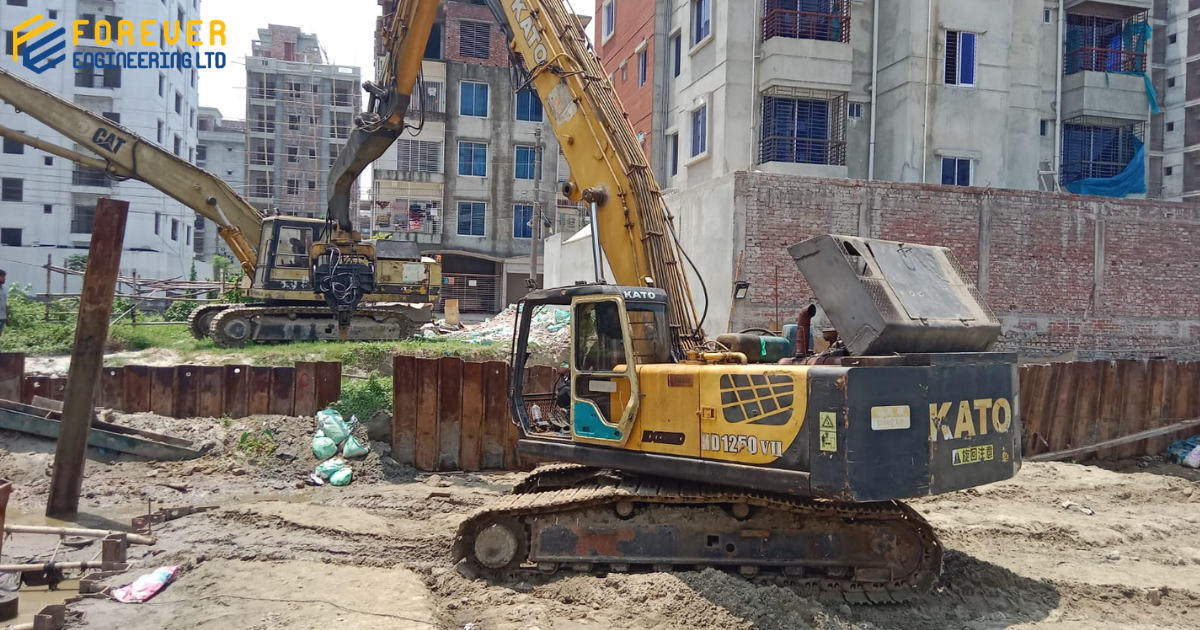
What Is an LHV Machine for Sheet Pile Installation?
An LHV machine for sheet pile installation is a type of piling equipment used to place steel sheet piles into the ground. Depending on its model and configuration, the machine may use hydraulic or mechanical systems to hold, position, drive, or extract sheet piles. These piles connect through interlocks to form a continuous wall that supports surrounding soil during construction. The machine’s working principle, installation capacity, and available functions depend on its specifications. Therefore, contractors should check the equipment’s capabilities and confirm that it is suitable for the selected sheet pile profile, installation depth, and ground conditions before starting a project.
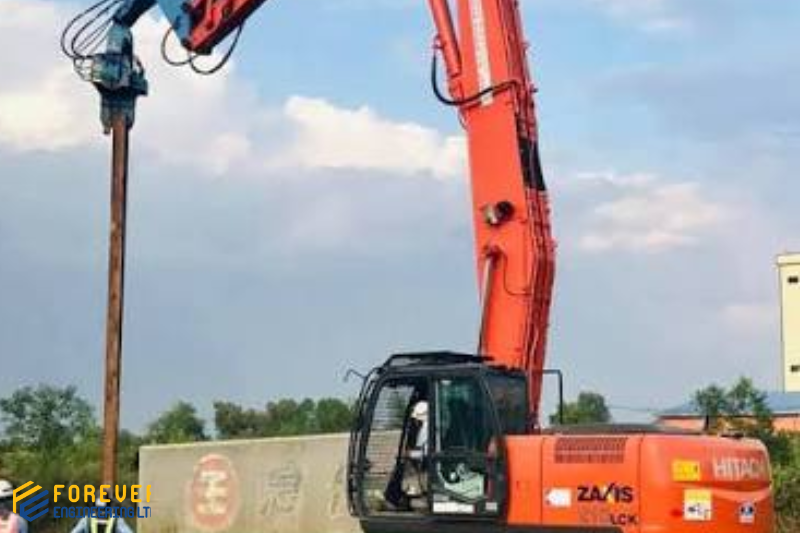
Applications of LHV Machines for Sheet Pile Installation
An LHV machine may be suitable for different construction applications when its technical capabilities match the project requirements. Sheet piles installed with appropriate equipment can provide temporary or permanent ground support for excavation and infrastructure work.
- Basement Construction: Sheet pile walls help support surrounding soil during basement excavation and foundation work.
- Deep Excavation: Contractors use sheet piles to retain soil around deep construction areas and reduce the risk of ground movement.
- Road and Bridge Projects: Sheet piles may support excavation for bridge foundations, drainage systems, and other infrastructure work.
- Pipeline Installation: Temporary sheet pile walls can provide ground support during underground pipeline and utility installation.
- Riverbank Protection: Properly designed sheet pile walls can help protect selected riverbanks and control soil movement.
- Industrial Construction: Sheet piles can support excavation work for industrial buildings, underground facilities, and equipment foundations.
The suitability of an LHV machine depends on the soil profile, pile dimensions, required installation depth, site access, and the approved construction design.
Site Preparation Before LHV Sheet Pile Installation
Proper site preparation helps ensure safe machine operation and accurate sheet pile placement. Before starting the installation process, contractors should inspect the working area, prepare the ground, mark the pile positions, and check that the equipment is suitable for the site.
- Ground Preparation: The working platform should be level and stable enough to support the machine and related equipment. Soft or uneven ground may require improvement before work begins.
- Survey and Marking: Surveyors should mark the sheet pile wall line and individual pile positions according to the approved construction drawings.
- Machine Inspection: The operator should check the machine, hydraulic components, clamps, connections, and other essential parts before operation.
- Sheet Pile Inspection: Steel sheet piles should be checked for bending, damaged edges, and interlock problems that could affect installation.
- Site Access and Utilities: The team should confirm safe access for the machine and sheet piles while identifying underground utilities, overhead hazards, and nearby structures.
Completing these checks before installation helps reduce delays and supports better work quality.
Sheet Pile Positioning Using an LHV Machine
Sheet pile positioning involves placing each steel pile at the correct location before driving it into the ground. The installation team first checks the marked position against the construction drawings. The pile is then lifted using suitable handling equipment and placed into the machine’s holding or guiding system. The operator and workers carefully adjust the pile’s position and orientation to ensure that it follows the planned wall line and connects correctly with the adjoining pile. Workers must remain clear of suspended loads and moving machine parts throughout the operation. Accurate positioning is important because errors at the beginning can affect the alignment of the entire sheet pile wall.
Sheet Pile Alignment During Installation
Alignment is an important part of the LHV machine for the sheet pile installation process because every pile must follow the designed wall line and maintain the required vertical position or inclination. Poor alignment can cause problems with interlock connections and affect later excavation work. The installation team should check the pile’s horizontal position and verticality before and during driving. Suitable guide frames, measuring tools, or monitoring systems can help identify deviations early. Workers should also confirm that the interlocks connect properly with adjoining piles. If a pile begins to move away from the required position, the team should stop and correct the issue according to the approved installation method. The permitted alignment tolerance should follow the project specifications.
LHV Machine for Sheet Pile Installation: Step-by-Step Process
The installation process depends on the machine model, soil conditions, sheet pile type, and approved construction method. The following steps describe a general process that should be adjusted according to the equipment manufacturer’s instructions.
Step 1: Position the Machine: Place the machine on a prepared working platform and check its stability. Confirm that it is correctly positioned along the planned sheet pile wall.
Step 2: Lift the Sheet Pile: Use suitable lifting equipment to move the pile into position. Handle it carefully to avoid damage to the steel profile and interlocks.
Step 3: Secure and Align the Pile: Place the pile into the machine’s holding or guiding system. Check its position, orientation, and connection with the adjoining pile before starting installation.
Step 4: Start the Driving Process: Operate the machine according to the manufacturer’s instructions and the approved installation method. The pile should be driven using a procedure suitable for the equipment and ground conditions.
Step 5: Monitor Penetration: Check the pile’s progress, installation depth, and alignment. If unexpected resistance or movement occurs, investigate the cause before continuing.
Step 6: Reach the Required Depth: Continue installation until the pile reaches the depth specified in the approved design. Record relevant details and inspect the pile before moving to the next position.
Step 7: Continue Along the Wall: Repeat the process for the remaining piles while checking alignment and interlock connections to maintain a consistent wall line.
Following a planned sequence helps contractors monitor installation quality and identify problems before they affect other piles.
Factors Affecting LHV Machine Performance
Several factors influence the performance of an LHV machine for sheet pile installation. Contractors should consider these conditions before selecting equipment and preparing the installation plan.
- Soil Conditions: Dense sand, stiff clay, gravel, and other soil types can create different levels of resistance during installation.
- Sheet Pile Dimensions: The pile’s length, thickness, profile, and weight affect handling requirements and machine suitability.
- Installation Depth: Deeper installation may require greater equipment capacity and more detailed planning.
- Machine Capacity: The machine must be suitable for the selected sheet pile profile and the expected ground resistance.
- Site Access: Limited space, nearby buildings, and underground utilities can affect machine positioning and the installation sequence.
- Operator Experience: Trained operators and regular alignment checks help reduce avoidable installation problems.
Engineers should assess these factors before work begins. If the machine encounters unexpected resistance, the site team should investigate the cause instead of applying uncontrolled force.
Sheet Pile Extraction Using an LHV Machine
Sheet pile extraction is the process of removing steel sheet piles from the ground after their temporary use is complete. It may be required after basement construction, pipeline installation, or other projects where the retaining wall is not intended to remain in place. Before extraction, the engineer should confirm that removing the piles will not affect nearby structures, ground stability, or completed construction work. The team should prepare a stable working area, secure the pile with suitable extraction equipment, and remove it according to the manufacturer’s instructions. If a pile does not move as expected, workers should investigate the cause before continuing. After removal, the pile should be inspected for bending and interlock damage, while any remaining ground gaps should be treated according to the project requirements.
Safety Precautions for LHV Machine Operation
Safety is essential during site preparation, pile positioning, driving, and extraction. Contractors should follow the approved method statement, equipment instructions, and site safety procedures to protect workers and nearby structures.
- Use Trained Operators: Only qualified and authorized personnel should operate the machine and control lifting activities.
- Inspect Equipment: Check hydraulic systems, clamps, lifting accessories, and connections before starting work.
- Control the Lifting Area: Keep workers away from suspended sheet piles and moving machine components.
- Check Ground Stability: Ensure the working platform can safely support the machine and related equipment.
- Monitor Nearby Structures: Assess potential ground movement and risks to adjacent buildings and underground utilities.
- Wear Protective Equipment: Workers should use safety helmets, suitable footwear, gloves, and other required protective equipment.
- Stop Unsafe Operations: Stop work if the machine becomes unstable, alignment changes unexpectedly, or equipment faults occur.
Following these precautions helps reduce accidents and supports safe, organized installation work.
Benefits of Using an LHV Machine for Sheet Pile Installation
A suitable LHV machine can help contractors manage sheet pile installation in a controlled and organized manner. Its actual benefits depend on the machine model, soil conditions, and installation method.
- Accurate Positioning: Suitable holding and guiding systems can help workers position piles along the planned wall line.
- Organized Installation: A planned sequence helps the team manage positioning, driving, inspection, and progress records.
- Support for Construction Projects: Depending on its capabilities, the machine may be suitable for excavation support, foundation work, and selected infrastructure projects.
- Potential Pile Reuse: Properly extracted and inspected sheet piles may be reused when their condition and project specifications allow it.
- Better Work Planning: Checking machine capacity and ground conditions before installation helps reduce avoidable delays and technical problems.
Contractors should confirm the machine’s specifications rather than assume that every LHV model can perform the same operations.
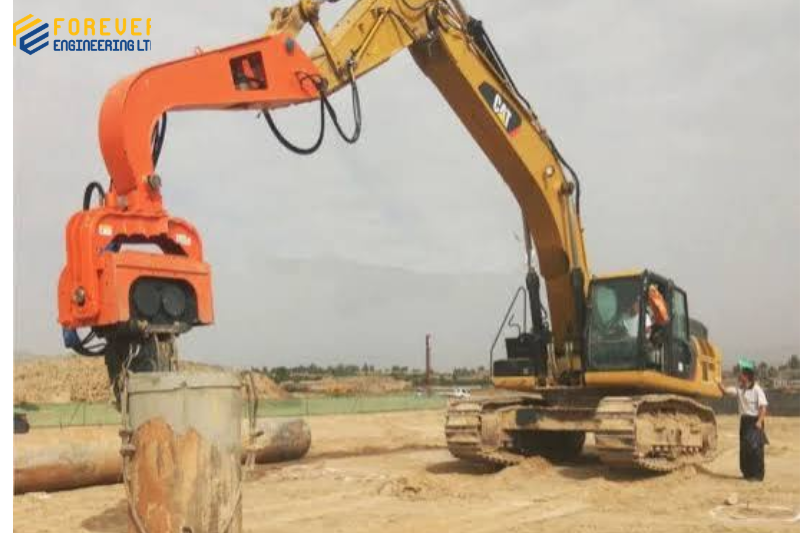
Why Choose Forever Engineering Ltd. for Sheet Pile Solutions?
Forever Engineering Ltd. provides sheet pile solutions and technical support for construction and foundation projects. Selecting suitable sheet piles and installation equipment is important for excavation support, basement construction, and infrastructure development. Before starting a project, contractors should consider soil conditions, pile dimensions, installation depth, site access, and the technical requirements of the structure. These details help determine the most suitable installation approach and reduce avoidable problems during construction. Forever Engineering Ltd. can help contractors and project owners discuss their sheet pile requirements and explore suitable options for their projects. For sheet pile supply, project consultation, or technical guidance, contact Forever Engineering Ltd. to discuss your construction needs.
Conclusion
An LHV Machine for Sheet Pile Installation can support construction projects when the equipment is suitable for the site and operated according to the approved procedure. Proper site preparation, accurate positioning, continuous alignment checks, controlled driving, and safe extraction all contribute to successful sheet pile work. Engineers and contractors should assess soil conditions, machine capacity, pile dimensions, and site limitations before starting installation. Regular inspection and careful monitoring also help reduce alignment problems and improve site safety. Forever Engineering Ltd. supports construction and foundation projects with sheet pile solutions and technical guidance to help contractors plan their work effectively.
Frequently Asked Questions (FAQs)
What is an LHV Machine for Sheet Pile Installation?
An LHV machine for sheet pile installation is piling equipment used to position and install steel sheet piles in the ground. Its specific working method and capabilities depend on the machine model and configuration.
What are the main steps in sheet pile installation?
The main steps include site preparation, survey marking, pile positioning, alignment checks, driving, and final inspection. The process should follow the approved installation method and equipment instructions.
Why is alignment important during sheet pile installation?
Correct alignment helps maintain the planned wall line, supports proper interlock connections, and reduces problems during excavation and construction.
Can an LHV machine be used for sheet pile extraction?
Some machine models or configurations may support sheet pile extraction. Contractors should confirm the equipment’s capabilities and assess site conditions before removing piles.
What factors affect LHV machine performance?
Soil conditions, sheet pile dimensions, installation depth, machine capacity, site access, and operator experience can all affect installation performance.
Who provides sheet pile solutions for construction projects?
Forever Engineering Ltd. provides sheet pile solutions and technical support for construction and foundation projects. Contact the company to discuss your project requirements.