
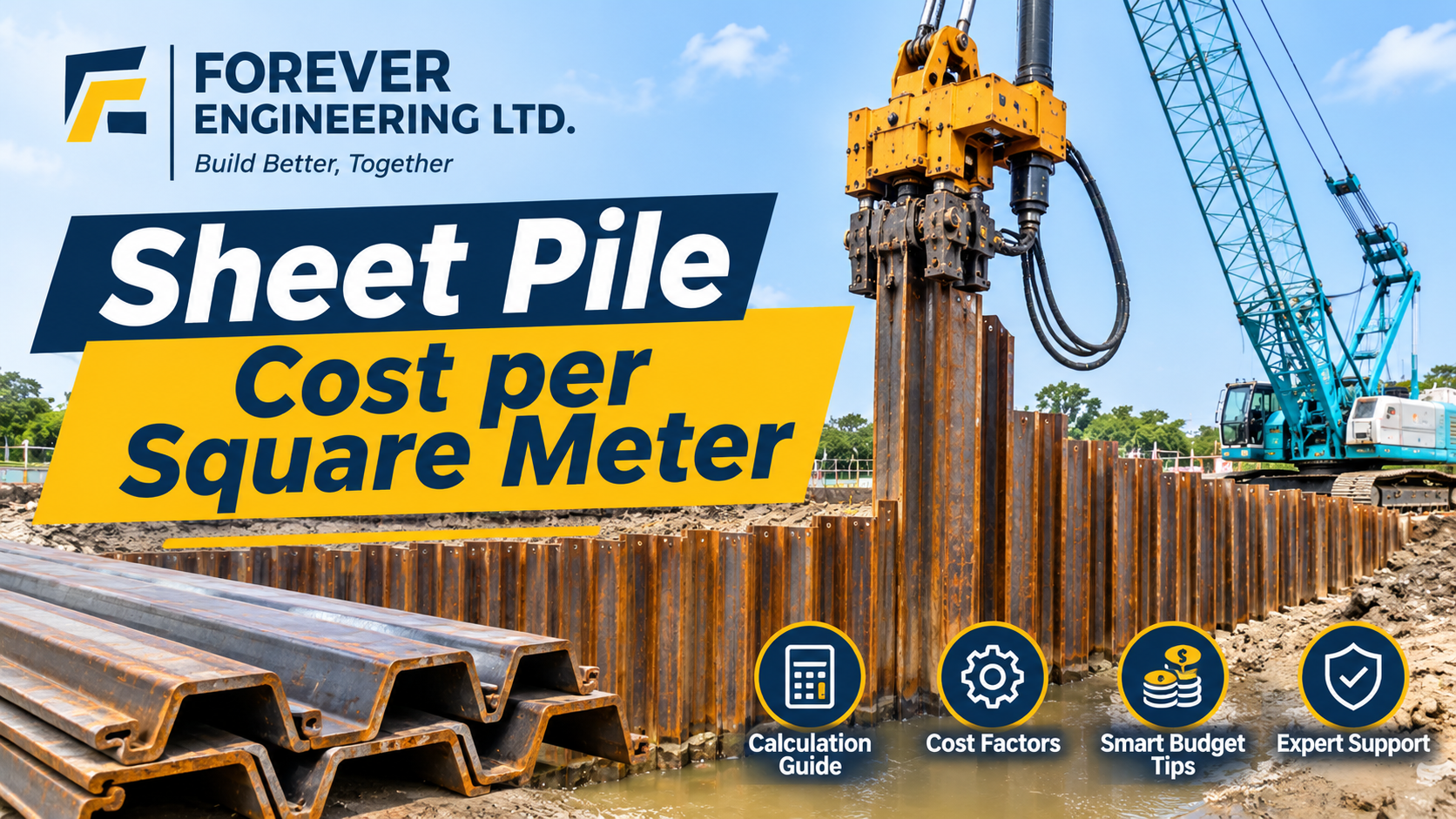
What Is the Sheet Pile Cost per Square Meter?
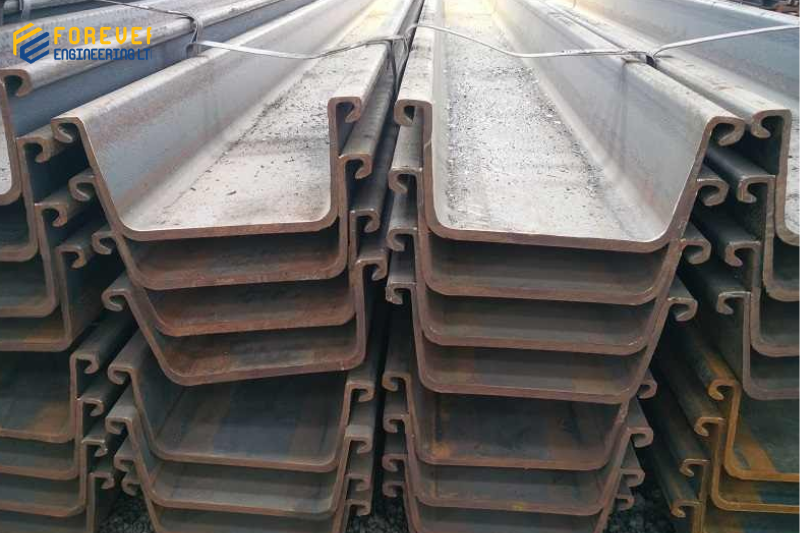
Sheet Pile Cost per Square Meter means the estimated expense of constructing a sheet pile wall for each square meter of its wall face. Contractors and project owners use this measurement to understand the possible budget for excavation support, basement construction, riverbank protection, cofferdams, and retaining walls. The cost usually depends on the type of sheet pile, steel weight, thickness, wall height, soil conditions, and installation requirements. Some quotations cover only the steel material, while others include supply and installation. Therefore, it is important to understand what the quoted rate includes before comparing prices. Steel sheet piles are long, interlocking steel sections that contractors install in the ground to hold soil in place. They create a strong barrier around construction areas and help reduce soil movement during excavation. Engineers select suitable sheet piles according to ground conditions, excavation depth, water pressure, and project design. The correct selection helps maintain safety and prevents unnecessary material and installation expenses.
How Is Sheet Pile Cost per Square Meter Calculated?
Contractors usually calculate the wall area first and then estimate the total project cost. The basic wall area depends on the total wall length and the required wall height. After finding the area, they divide the estimated project cost by the total square meters.
Wall Area Formula: Total Wall Length × Wall Height
Cost per Square Meter Formula: Total Sheet Pile Project Cost ÷ Total Wall Area
For example, suppose a project requires a sheet pile wall that is 40 meters long and 5 meters high. The total wall area will be 40 × 5 = 200 square meters.
If the estimated total project cost is BDT 2,000,000, the cost per square meter will be 2,000,000 ÷ 200 = BDT 10,000 per square meter
This is only a simple calculation example, not a current market rate. The actual cost depends on the selected sheet pile specifications, installation method, site conditions, and included services. Contractors should use a detailed quotation to prepare the final project budget.
Factors That Affect Sheet Pile Cost per Square Meter
Several factors can change the cost of a sheet pile wall. A small difference in pile specifications or site conditions can affect material requirements, equipment use, and installation time. Contractors should review these factors before preparing an estimate.
Sheet Pile Type and Profile: Different sheet pile profiles have different shapes, weights, and structural properties. Common options include U-type, Z-type, and straight-web sheet piles. Each type serves different project requirements and may have a different material price. Engineers should select the profile according to the wall design, soil pressure, and required strength. Choosing a suitable profile helps control material expenses while providing the required support.
Sheet Pile Thickness and Weight: Thickness and weight directly affect the amount of steel used in each pile. Heavier sections generally cost more because they contain more steel per meter. However, engineers should not select a thinner pile only to reduce the initial material cost. The pile must safely resist the pressure from soil, water, and nearby loads. Proper specification helps avoid structural problems and unnecessary expenses during construction.
Wall Height and Excavation Depth: The required wall height and excavation depth affect the total sheet pile quantity and project budget. Deeper excavations may require longer piles because a portion of each pile must remain below the excavation level to provide ground support. Longer piles can increase material, lifting, and installation expenses. Engineers should calculate the required penetration depth based on the design and soil conditions. Accurate measurement helps contractors estimate the total cost more clearly.
Soil and Ground Conditions: Soil conditions can make sheet pile installation easier or more difficult. Soft soil may allow piles to enter the ground with less resistance, while dense soil, gravel, or hard layers can require more time and stronger equipment. Groundwater conditions can also affect the design and installation process. Contractors should review soil investigation reports before selecting the pile type and installation method. Proper soil assessment helps reduce unexpected costs and installation delays.
Installation Method: The selected installation method can affect the cost per square meter. Contractors may use vibratory hammers, impact hammers, or hydraulic press-in systems depending on the project requirements. Each method needs different machinery, operators, and working arrangements. For example, a press-in system may be useful near sensitive buildings where vibration control is important. Engineers should select a suitable method based on soil resistance, nearby structures, and site limitations.
Project Size and Quantity: The total wall area and number of sheet piles can influence the overall project rate. Large projects may allow contractors to use equipment and labour more efficiently over a longer period. Small projects may have higher costs per square meter because equipment mobilization and setup expenses are spread over a smaller area. Contractors should calculate the complete wall area before requesting quotations. Accurate quantity planning helps suppliers and contractors prepare more suitable prices.
Site Location and Accessibility: The project location can affect transportation, equipment delivery, and labour arrangements. Sites with narrow roads, limited working space, or difficult access may require additional handling and special equipment arrangements. Long-distance transportation can also increase material delivery expenses. Contractors should inspect the site before preparing the final quotation. Good access planning helps reduce delays and unnecessary costs.
Sheet Pile Material Cost vs. Installation Cost
The sheet pile material cost and installation cost are two different parts of the project budget. Material cost covers the steel piles, while installation cost covers the work and equipment needed to place them in the ground. Some suppliers provide both services in one quotation, but others calculate them separately.
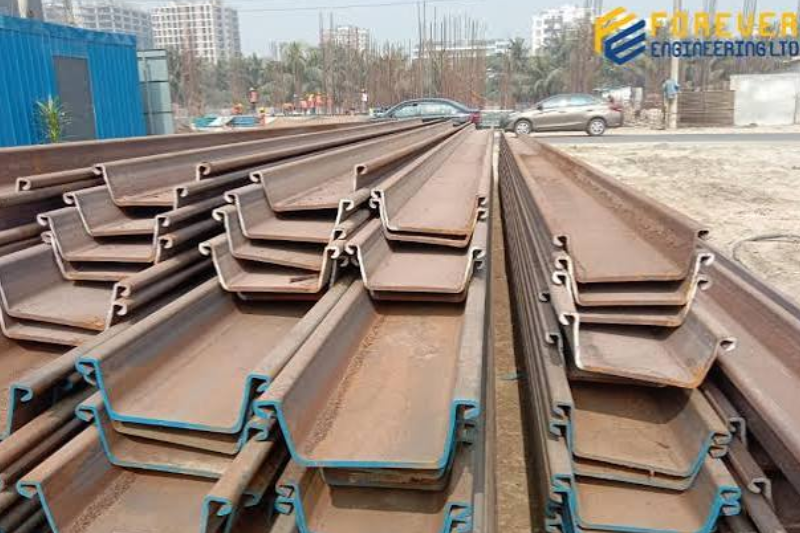
Sheet Pile Material Cost: This cost mainly depends on the pile profile, thickness, steel grade, weight, length, and required quantity. Heavier sections generally need more steel, which can increase the material price. Contractors should also check whether the quotation includes loading, unloading, and delivery. Comparing the same specifications helps project owners understand the actual material price.
Sheet Pile Installation Cost: Installation cost covers the machinery, labour, and activities required to drive or press the piles into the ground. It may include a crane, vibratory hammer, impact hammer, pile clamp, skilled operators, and supporting workers. Soil resistance and installation depth can increase the working time and equipment requirements. Contractors should confirm which services are included before accepting a quotation.
Additional Expenses to Consider in the Total Cost
The total sheet pile cost per square meter may include several expenses beyond material supply and installation. These costs can vary depending on the project location, construction schedule, and service requirements.
Transportation and Delivery: Sheet piles must reach the construction site before installation begins. Delivery expenses depend on the pile length, total quantity, distance, and type of transport vehicle. Long or heavy piles may require special transportation arrangements. Contractors should check whether delivery, loading, and unloading are included in the quotation. Proper delivery planning helps prevent delays and extra handling costs.
Equipment Mobilization: Contractors need to transport cranes, hammers, and other machinery to the construction site. This process is called mobilization, while removing the equipment after the work is complete is called demobilization. The cost depends on equipment size, travel distance, and project duration. Small projects may face higher mobilization costs per square meter. Proper scheduling helps reduce unnecessary equipment movement.
Pile Extraction: Some temporary sheet pile projects require the piles to be removed after construction. Extraction may need special equipment and additional working time, especially when the piles have remained in the ground for a long period. Soil resistance and pile condition can affect the extraction process. Contractors should confirm whether extraction is included in the project quotation. If the piles can be reused safely, proper inspection and storage may help reduce future material expenses.
Site Preparation and Safety: Some sites need ground preparation, working platforms, access arrangements, and safety equipment before installation begins. These activities may increase the total project budget. Contractors should also arrange proper lifting zones and safe working space for machinery and workers. Good site preparation helps reduce accidents, equipment problems, and construction delays.
How to Reduce Sheet Pile Cost per Square Meter
Project owners can manage construction expenses through proper planning and suitable material selection. Reducing unnecessary work and equipment delays can help control the cost without compromising safety.
Select the Right Sheet Pile Specification: Choose the pile profile, thickness, and length according to the engineering design. Avoid using oversized sections when the project does not require them. At the same time, do not select weaker piles just because they have a lower price. Engineers should check soil pressure, excavation depth, and water conditions before finalizing the specifications. The correct selection helps balance material expenses and structural safety.
Choose a Suitable Installation Method: Review the soil conditions and site limitations before selecting the installation equipment. The wrong method can increase machine time, labour expenses, and the risk of installation problems. A suitable method helps contractors complete the work more efficiently. Engineers should also consider nearby buildings, roads, and underground utilities. Proper method selection can improve both cost control and site safety.
Plan Material Delivery and Equipment Use: Arrange sheet pile delivery according to the project schedule. Delayed materials can keep machinery and workers waiting at the site. Contractors should also plan equipment mobilization and working hours carefully. A clear schedule reduces idle time and unnecessary transport expenses. Good coordination between the supplier and installation team helps keep the project moving.
Compare Complete Quotations: Request quotations based on the same pile specifications, wall area, and project requirements. Check whether each quotation includes material supply, transportation, installation, mobilization, and extraction where needed. A lower price may not cover all the required services. Comparing the complete project cost helps owners choose a suitable supplier and contractor. This approach also reduces the chance of unexpected charges later.
Common Mistakes When Estimating Sheet Pile Cost per Square Meter
A cost estimate can become inaccurate when contractors overlook important project details. These mistakes may increase the budget or create problems during construction.
Using Only the Wall Length: Wall length alone cannot show the full wall area. Contractors must also consider the required wall height when calculating the square meters. Ignoring height can lead to an incorrect quantity and budget. Accurate measurements help prepare a more reliable estimate.
Ignoring the Required Pile Depth: The visible wall height is not always the same as the total pile length. Sheet piles usually need additional penetration below the excavation level to provide proper support. If contractors ignore this requirement, they may underestimate material and installation costs. Engineers should follow the approved design when selecting pile lengths.
Mixing Material and Installation Rates: Some quotations show only the steel material price, while others include installation services. Comparing these rates without checking the included work can lead to a wrong decision. Contractors should separate material, installation, transportation, and other expenses during the calculation. A clear cost breakdown makes price comparison easier.
Not Considering Site Conditions: Soil resistance, groundwater, nearby structures, and site access can affect the work. Ignoring these conditions may lead to additional equipment and labour expenses later. Contractors should review the site information before finalizing the budget. Proper planning helps reduce unexpected costs during installation.
Sheet Pile Cost per Square Meter Support from Forever Engineering Ltd.
Forever Engineering Ltd. provides sheet pile supply and project support for different construction requirements. The company works with contractors, consultants, and project owners who need sheet pile solutions for excavation support, basement construction, foundation work, riverbank protection, and other infrastructure projects.
The Sheet Pile Cost per Square Meter can vary based on pile specifications, wall dimensions, soil conditions, and installation requirements. Forever Engineering Ltd. helps customers understand these project factors and plan suitable sheet pile solutions. By reviewing the required pile size, quantity, and site conditions, customers can discuss their needs and request a project-based quotation.
For sheet pile supply, project consultation, or pricing information, contact Forever Engineering Ltd. to discuss your construction requirements.
Conclusion
Sheet Pile Cost per Square Meter depends on the wall area, pile type, steel thickness, weight, soil conditions, installation method, and project requirements. Contractors should also include transportation, equipment mobilization, labour, and extraction when these services apply. A proper cost calculation helps project owners understand the full budget before construction begins. Instead of choosing a supplier based only on the lowest price, compare the material quality, service scope, and technical support. Forever Engineering Ltd. can help customers discuss their sheet pile requirements and find suitable solutions for their construction projects.
Frequently Asked Questions (FAQs)
How do I calculate the sheet pile cost per square meter?
First, calculate the wall area by multiplying the total wall length by the wall height. Then divide the estimated total project cost by the wall area. Make sure the total cost includes all services you want to measure.
What factors affect sheet pile cost per square meter?
The main factors include sheet pile type, thickness, weight, steel grade, wall height, soil conditions, installation method, transportation, and equipment requirements.
Does the cost per square meter include installation?
Not always. Some quotations cover only the sheet pile material, while others include installation and related services. Always check the quotation details before comparing rates.
Is sheet pile cost the same for every project?
No. Each project has different wall dimensions, soil conditions, pile specifications, and installation requirements. These differences can change the total cost per square meter.
Can soil conditions increase sheet pile installation costs?
Yes. Hard or dense soil may require stronger machinery and more installation time. This can increase labour and equipment expenses.
How can I get an accurate sheet pile cost estimate?
Provide the supplier with the wall length, wall height, required pile specifications, quantity, project location, and installation requirements. A detailed quotation based on these details can provide a more accurate estimate.