
What Are Sheet Pile Installation Charges?
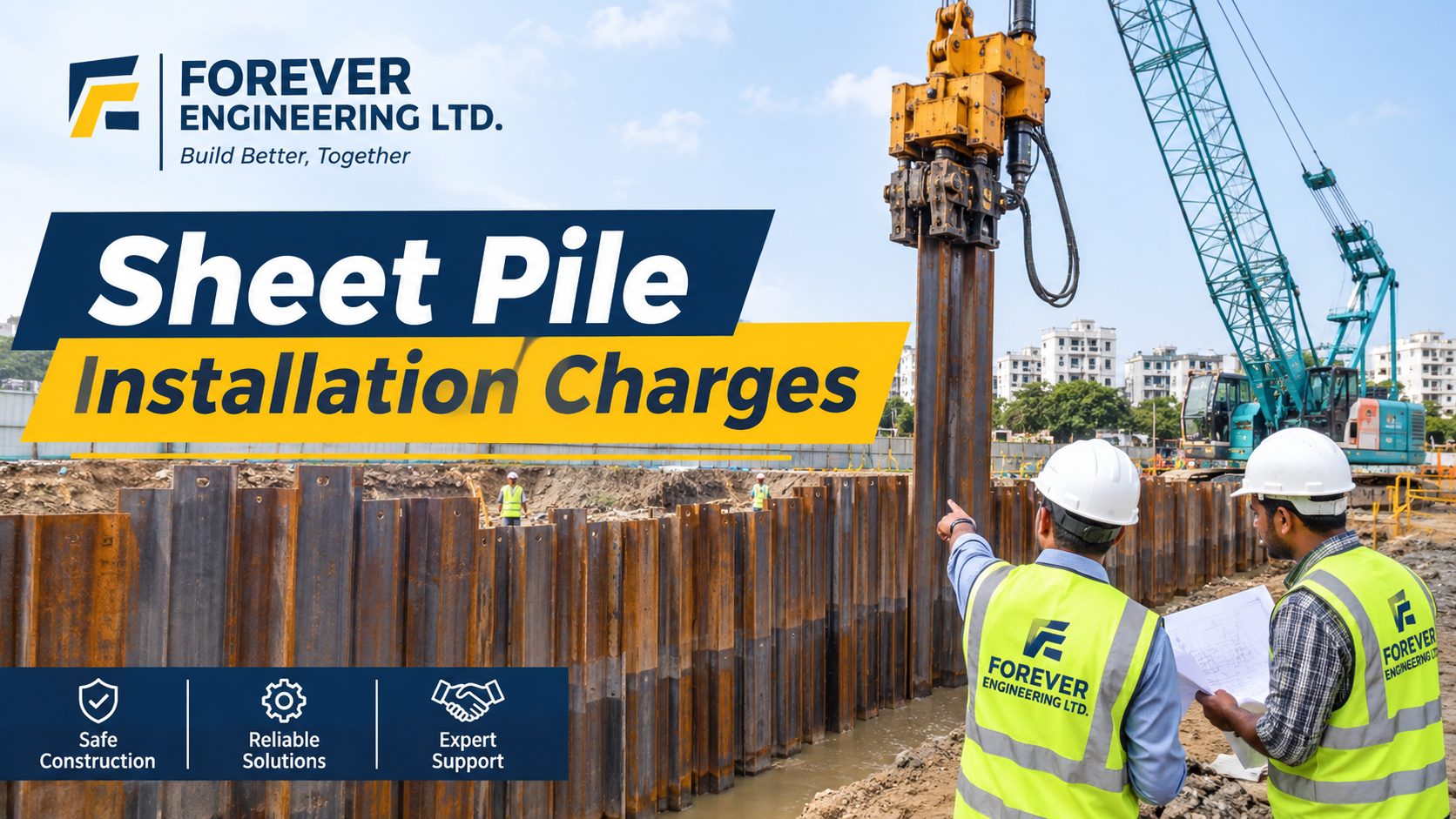
Sheet Pile Installation Charges refer to the total cost of installing steel sheet piles at a construction site. These charges may include labor, machinery, transportation, lifting, pile driving, and other related services. The final cost depends on the project size, soil conditions, pile specifications, and installation method. Contractors usually prepare an estimate after reviewing the project requirements. A clear understanding of installation charges helps project owners plan their budgets and avoid unexpected expenses during construction. Steel sheet piles are widely used for excavation support, basement construction, riverbank protection, cofferdams, and retaining walls. They help hold soil in place and protect construction areas from ground movement. Proper installation is important because poorly installed piles may create safety risks and increase project expenses. Before starting work, engineers and contractors should check the design, site conditions, and required equipment to prepare a suitable installation plan.
Factors That Affect Sheet Pile Installation Charges
Several factors influence the total cost of sheet pile installation. Contractors should consider the following factors before preparing a quotation.
- Soil Conditions: Soil conditions have a direct effect on sheet pile installation charges. Soft soil usually allows piles to enter the ground more easily, while dense soil, gravel, or hard layers may increase resistance. Contractors may need stronger equipment or additional installation time in difficult ground conditions. A proper soil investigation helps engineers understand the ground before selecting the installation method. This information also helps contractors prepare a more realistic cost estimate and reduce unexpected delays.
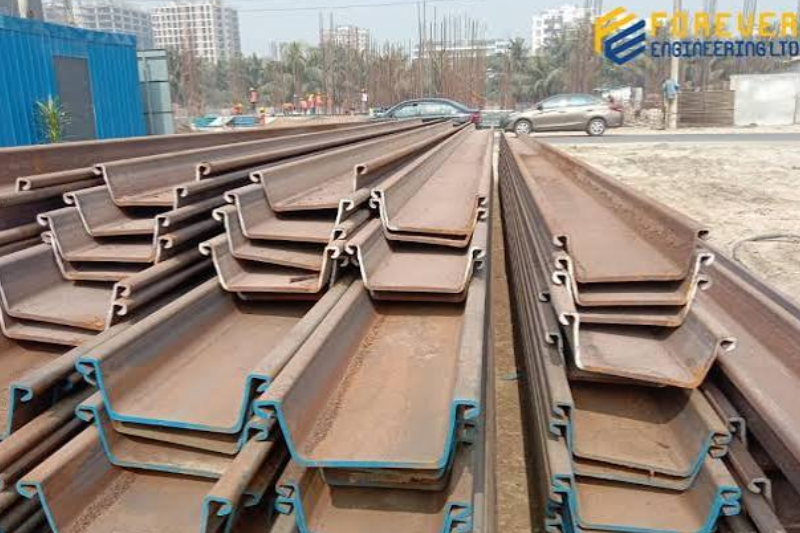
- Sheet Pile Length and Thickness: The length and thickness of sheet piles can affect installation expenses. Longer piles may require larger lifting equipment and more careful handling during installation. Thick or heavy piles may also need stronger machinery to drive them into the ground. Engineers should select pile dimensions according to the project design and required soil support. The correct size helps maintain structural safety while controlling unnecessary equipment and labor costs.
- Installation Method: Contractors can install sheet piles using different methods based on the site and project requirements. Vibratory hammer installation is common for many soil conditions, while impact hammering may be suitable for piles that need additional driving force. Press-in installation can help reduce noise and vibration in sensitive areas. Each method requires different equipment, operators, and working time. Selecting the right method helps improve installation efficiency and manage the overall budget.
- Project Size and Wall Length: The total sheet pile wall length can influence the installation budget. Large projects may require more piles, machinery, labour, and working hours. However, a larger project may allow contractors to plan equipment use more efficiently. Small projects can sometimes have higher installation charges per meter because mobilization and setup costs remain similar. Contractors should review the total wall area and project schedule before estimating the charges.
- Site Access and Working Space: A construction site with limited access may increase installation expenses. Narrow roads, nearby buildings, underground utilities, and restricted working areas can make equipment movement difficult. Contractors may need additional lifting arrangements or smaller machines to complete the work safely. Poor access can also increase loading, unloading, and material handling time. Proper site planning helps reduce these difficulties and supports smooth installation.
- Equipment and Labor Requirements: Sheet pile installation requires suitable machinery and trained operators. Equipment size, rental duration, operator charges, and maintenance requirements can affect the total cost. Some projects may also need crane support, welding workers, rigging teams, and additional site labour. Contractors should confirm which services are included in the quotation. A clear equipment and labour plan helps avoid extra charges during installation.
Common Sheet Pile Installation Methods and Their Charges
The installation method plays an important role in determining the total project cost. Contractors should choose a method that suits the pile type, soil condition, site environment, and construction schedule.
- Vibratory Hammer Installation: A vibratory hammer uses vibration to reduce soil resistance and drive sheet piles into the ground. This method is widely used for temporary excavation support, cofferdams, and riverbank protection. It can provide good installation speed in suitable soil conditions. The charges depend on machine size, pile length, soil resistance, and working time. Contractors should also check nearby structures before using vibration-based equipment.
- Impact Hammer Installation: An impact hammer drives sheet piles into the ground through repeated blows. Contractors may use this method when soil resistance makes vibratory installation difficult. The equipment requires proper setup, skilled operators, and suitable safety arrangements. Installation charges can increase when the piles need more driving time or when the ground contains hard layers. Engineers should check noise and vibration limits before selecting this method for urban construction.
- Press-In Installation: Press-in equipment pushes sheet piles into the ground using hydraulic force. This method can reduce noise and vibration compared with some traditional driving methods. It is useful for projects near existing buildings, roads, or other sensitive structures. The equipment may require special planning and suitable site access. Although the initial equipment cost can be higher, the method may provide important benefits where noise and vibration control is necessary.
How to Calculate Sheet Pile Installation Charges
Contractors often estimate installation charges based on the total pile length, wall area, or number of piles. The calculation method depends on the quotation and project requirements. A simple estimate can help project owners understand the expected installation budget.
Step 1: Calculate the Total Wall Length: Measure the complete length of the sheet pile wall according to the project drawing. Include every section that requires installation. Accurate measurement helps contractors estimate the required pile quantity and working time.
Step 2: Confirm the Required Pile Length: Check the design depth and the required penetration below the excavation level. The selected pile length should meet the engineering requirements. Proper length selection helps avoid material waste and installation problems.
Step 3: Check the Installation Rate: Ask the contractor for the installation charge per meter, per pile, or according to the agreed project scope. Confirm whether the rate includes machinery, labor, and other services. A clear rate helps prepare a more accurate budget.
Step 4: Add Other Project Expenses: Include transportation, equipment mobilization, lifting, site preparation, and any additional services that are not covered by the installation rate. These expenses can affect the final project cost. Reviewing them in advance helps prevent budget differences.
Step 5: Prepare the Final Estimate: Add the installation charges and all applicable expenses to calculate the expected total. Keep a reasonable allowance for possible site difficulties or changes in the work. A complete estimate helps project owners manage their construction budget.
Additional Costs That Affect Sheet Pile Installation Charges
The total sheet pile installation charges may include more than the main installation service. Some projects require additional work before, during, or after sheet pile installation. Project owners and contractors should review the quotation carefully and confirm which services are included. Understanding these additional costs helps avoid unexpected expenses and supports better project planning.
- Transportation and Delivery: Sheet piles must reach the construction site before installation begins. Transportation charges depend on pile length, quantity, delivery distance, and vehicle requirements. Long piles may need special transport arrangements, which can increase delivery expenses. Contractors should confirm whether transportation is included in the sheet pile installation charges or billed separately. Proper delivery planning helps reduce delays and unnecessary costs.
- Equipment Mobilization: Mobilization covers the movement of machinery and equipment to the project site, while demobilization includes removing the equipment after the work is complete. These charges may be significant for small projects or sites located far from the equipment source. Contractors should consider machine size, transport distance, and project duration when estimating the cost. Proper scheduling helps reduce unnecessary equipment movement and control installation expenses.
- Pile Extraction: Some projects require sheet piles to be removed after construction. Extraction charges depend on pile length, soil resistance, machine requirements, and the condition of the piles. Difficult ground conditions may increase extraction time and equipment use. Contractors should confirm whether pile extraction is included in the sheet pile installation charges or treated as a separate service. Clear agreement helps prevent additional costs after installation.
- Site Preparation and Safety: The construction site may require ground preparation, working platforms, access arrangements, and safety measures before installation. These activities can add to the total project budget. Contractors should prepare the site properly so machinery can operate safely and workers can complete their tasks efficiently. Good site preparation reduces the risk of delays, equipment problems, and damage during sheet pile installation.
How to Reduce Sheet Pile Installation Charges
Project owners and contractors can manage installation expenses through proper planning. The goal should be to control costs without reducing the quality or safety of the work.
Choose the Correct Installation Method: Select the installation method according to soil conditions, pile specifications, and site limitations. The wrong method can increase machine time and labor expenses. Engineers should review the project requirements before choosing the equipment. A suitable method helps improve installation speed and reduce unnecessary costs.
Prepare the Site Before Installation: Clear the working area and arrange proper access for machinery and materials. Remove obstacles that may delay equipment movement. Prepare suitable working platforms where required. Good site preparation helps contractors complete the work more efficiently and avoid extra charges.
Plan Material Delivery Properly: Arrange sheet pile delivery according to the installation schedule. Delayed delivery can keep machinery and workers waiting at the site. Poor storage may also damage piles or create handling difficulties. Proper delivery planning helps reduce downtime and unnecessary expenses.
Use Suitable Sheet Pile Specifications: Select piles that meet the design requirements without choosing unnecessarily heavy or oversized sections. Engineers should consider excavation depth, soil pressure, and structural safety before finalizing the pile specification. Suitable pile selection can help control material handling and installation costs.
Compare Complete Quotations: Review quotations from different contractors based on the same project scope. Check whether the price includes equipment, labour, transportation, and other required services. The lowest quotation may not always provide the best value. A complete comparison helps project owners make a better decision.
Common Mistakes When Estimating Sheet Pile Installation Charges
Many construction projects face unexpected expenses because contractors overlook important details during cost planning.
Ignoring Soil Conditions: Soil resistance can affect installation speed and equipment requirements. Contractors should review soil information before estimating the cost. Hard or dense soil may require additional machine time and stronger equipment. A proper soil assessment helps engineers select a suitable installation method and prepare a realistic budget.
Using the Wrong Pile Length: Incorrect pile length can affect both safety and material expenses. Engineers should select the required length based on the design, excavation depth, and ground conditions. Short piles may not provide enough support, while unnecessarily long piles can increase material and installation costs. Proper planning helps maintain structural stability and avoid extra expenses.
Forgetting Additional Charges: Some estimates include only the sheet pile material price. Contractors should also consider transportation, installation, lifting, extraction, and storage when these services apply. Equipment rental, labour, and site preparation may also increase the total project cost. A complete estimate helps prevent unexpected expenses during construction.
Choosing Only the Lowest Price: A low quotation may not include all required services or may offer unsuitable materials. Contractors should review pile quality, technical support, and the complete scope of work before making a decision. Poor-quality materials can create installation problems and increase repair or replacement costs. Comparing complete quotations helps project owners choose a reliable solution within their budget.
How Forever Engineering Ltd. Helps Manage Sheet Pile Installation Charges
Forever Engineering Ltd. provides sheet pile supply and project support for different construction needs, including excavation support, basement construction, foundation work, and riverbank protection. The company works with contractors, consultants, and project owners to help them find suitable sheet pile solutions for their projects. Sheet Pile Installation Charges depend on several factors, such as soil conditions, pile size, installation methods, and site requirements. Forever Engineering Ltd. helps customers understand these factors and plan their projects according to their technical and budget needs. Proper planning and suitable material selection can help reduce unnecessary expenses and make installation work more efficient.
For sheet pile supply, project consultation, or pricing information, contact Forever Engineering Ltd. to discuss your project requirements and request a quotation.
Conclusion
Sheet pile installation charges depend on several important factors, including soil conditions, pile length, installation method, project size, equipment, and labour requirements. Transportation, mobilization, extraction, and site preparation may also affect the final budget. Contractors should review the complete project scope before accepting an installation quotation. Proper planning and suitable material selection help reduce unnecessary expenses and improve construction efficiency. Forever Engineering Ltd. can support project owners and contractors with sheet pile supply and project-based solutions for different construction needs.
Frequently Asked Questions (FAQs)
What are sheet pile installation charges?
Sheet pile installation charges are the expenses related to installing steel sheet piles at a construction site. They may include machinery, labour, pile driving, lifting, and other related services.
What factors affect sheet pile installation cost?
The main factors include soil conditions, pile length, pile thickness, installation method, project size, equipment requirements, and site access.
Are sheet pile material prices included in installation charges?
Not always. Some quotations cover installation services only, while others include both material supply and installation. Contractors should confirm the complete scope before finalizing the price.
Does sheet pile installation include extraction?
Extraction may be included in the project agreement or charged separately. Project owners should confirm this service before starting the work.
How can I reduce sheet pile installation expenses?
You can manage expenses by selecting suitable pile specifications, preparing the site properly, choosing the right installation method, and comparing complete quotations from contractors.