
Sheet piles are widely used in construction projects to support soil, protect excavation areas, and prevent water from entering the worksite. Contractors can choose between new and used sheet piles based on their project needs and budget. However, choosing the right option is not always easy. New sheet piles offer unused materials, while used sheet piles can help reduce material costs.
When comparing new vs. used sheet piles, contractors should consider more than just the purchase price. The condition of the piles, project requirements, soil conditions, expected service life, and installation needs are also important. A low-cost option may not always be the right choice if the sheet piles are damaged or unsuitable for the project.
Forever Engineering Ltd. helps customers understand the important factors involved in selecting sheet piles for different construction works. This guide explains the differences between new and used sheet piles so contractors can make a suitable choice for their projects.
What Are New Sheet Piles?
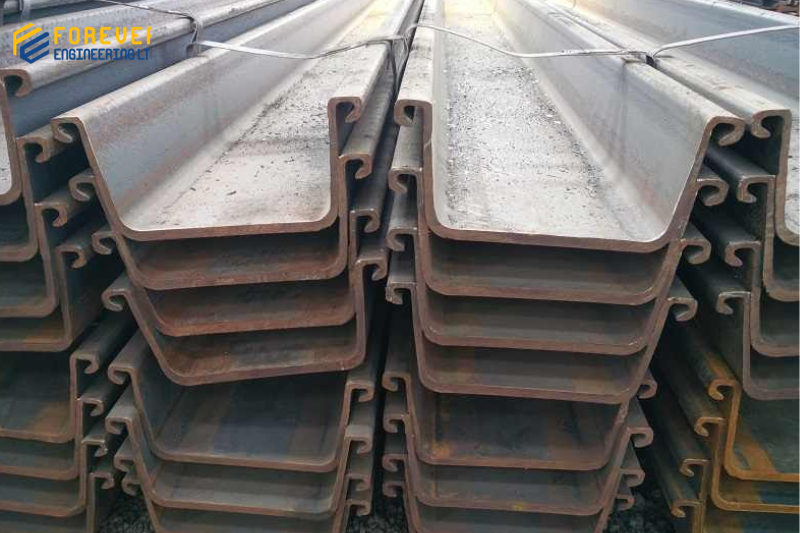
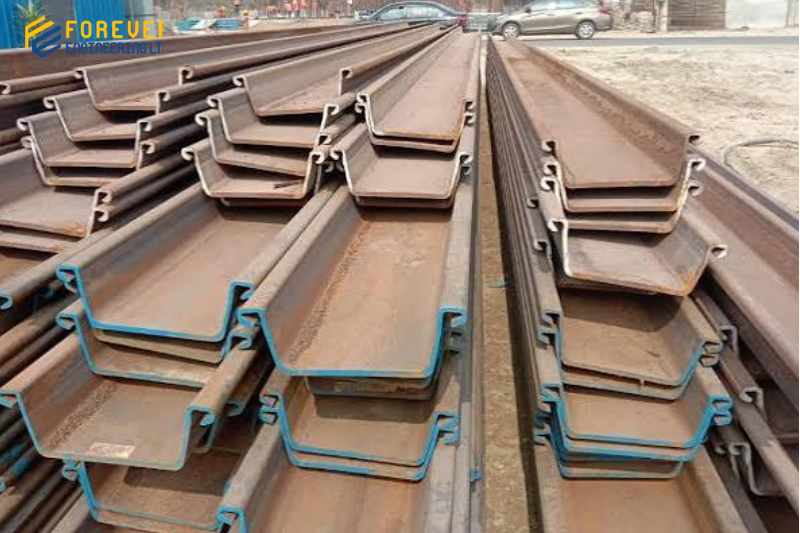
New sheet piles are steel piles that have not been used in any previous construction project. They come in unused condition and are available in different sizes, thicknesses, lengths, and profiles. Contractors often choose new sheet piles when they need materials with a known condition for important construction work. New sheet piles are commonly used in basement construction, deep excavation, riverbank protection, cofferdams, and infrastructure projects. Since these piles have not been used before, there is usually less concern about damage from previous installation or removal. However, contractors should still check the material specifications and quality before using them.
What Are Used Sheet Piles?
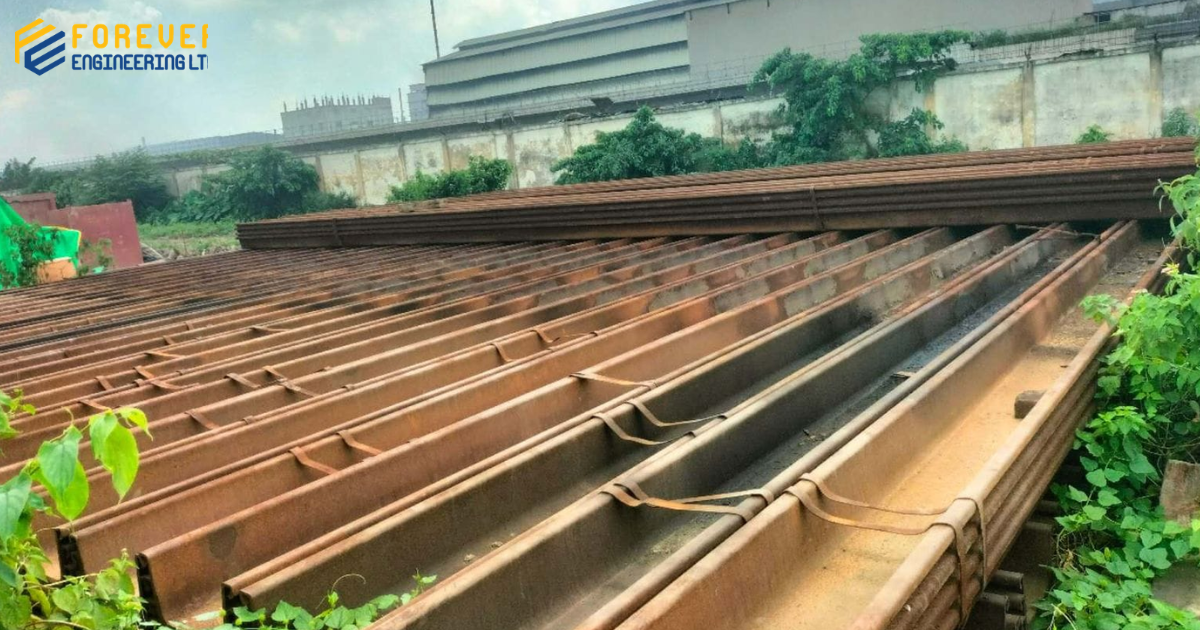
Used sheet piles are steel piles that have already been used in previous construction projects. After the work is complete, these piles may be removed, checked, and prepared for another project. They can be a suitable option when their condition meets the new project’s requirements. However, not all used sheet piles are suitable for reuse. Some may have bends, cracks, damaged interlocks, rust, or other problems from earlier use. These issues can affect installation and performance. Therefore, contractors should inspect used sheet piles carefully before purchasing or renting them.
New vs Used Sheet Piles: Main Differences
New and used sheet piles can both be used for construction work, but there are some important differences.
- Material Condition: New sheet piles have not been used before, while used sheet piles may have marks, rust, bends, or other damage from previous projects.
- Initial Cost: New sheet piles usually require a higher investment. Used sheet piles may cost less, depending on their condition and specifications.
- Expected Service Life: New sheet piles generally have more available service life. The remaining service life of used piles depends on their previous use and current condition.
- Quality Checking: New piles still need quality checks, but used piles require careful inspection for damage and wear.
- Project Suitability: New piles may be preferred for projects with strict material requirements. Good-quality used piles may work for projects where their condition meets the design needs.
Benefits of Using New Sheet Piles
New sheet piles can be a suitable choice for projects where material condition and long-term use are important. They also give contractors more control over selecting the required specifications.
- Unused Material: New sheet piles have no history of previous installation or removal, which reduces concerns about earlier damage.
- Better Condition: They are generally free from damage caused by previous construction work, although proper inspection is still necessary.
- Suitable for Long-Term Use: New piles may be a good option when the project requires materials for long-term use or repeated applications.
- Specification Choice: Contractors can select the required size, thickness, length, and profile according to the project design.
- Less Repair Work: New sheet piles usually need less repair before installation compared with damaged or worn used piles.
Benefits of Using Used Sheet Piles
Used sheet piles can help contractors manage project costs when the available materials are in good condition. They may be useful for temporary construction work where the piles do not need to remain in place permanently.
- Lower Purchase Cost: Used sheet piles can be less expensive than new ones, helping contractors reduce their initial material investment.
- Useful for Temporary Work: They may be suitable for temporary excavation support, cofferdams, and other short-term construction projects.
- Reuse of Materials: Using suitable used sheet piles gives steel materials another chance to serve a construction purpose.
- Budget Flexibility: Contractors may be able to manage their project budget more easily when suitable used piles are available at a lower price.
- Suitable for Different Projects: Depending on their condition and strength, used sheet piles may be used for several types of construction work.
What Should You Check Before Choosing Used Sheet Piles?
Before choosing used sheet piles, contractors should inspect their condition carefully. A low purchase price does not always mean lower project expenses. Damaged piles may create problems during transportation, installation, and removal.
- Rust and Corrosion: Check the steel surface for heavy rust or corrosion. Severe corrosion may reduce the thickness and strength of the material.
- Bends and Damage: Look for bent sections, cracks, dents, and other visible damage that may affect installation.
- Interlock Condition: Check the edges and interlocks carefully. Damaged interlocks can make it difficult to connect the piles properly and form a continuous wall.
- Thickness: Compare the actual thickness with the required project specifications. Heavy wear or corrosion may affect the usable section.
- Previous Use: Ask about the previous application of the sheet piles when this information is available. Their earlier use may help you understand their condition.
- Project Requirements: Make sure the used piles meet the design, soil, and structural requirements of your project.
How to Choose the Right Sheet Piles for Your Project
The right choice depends on the type of construction work, site conditions, and project budget. Contractors should understand their requirements before deciding between new and used sheet piles.
Project Duration: For temporary work, suitable used sheet piles may be a practical option. For projects requiring long-term use, new piles may be worth considering.
Soil Conditions: Hard soil, soft soil, and mixed ground conditions can affect sheet pile installation. Choose piles that can meet the project requirements and installation conditions.
Required Strength: Check the design requirements before selecting the material. The sheet pile profile, thickness, and section properties should match the expected loads and ground conditions.
Budget: Compare the total project cost instead of looking only at the material price. Transportation, installation, extraction, inspection, and possible repair costs should also be considered.
Installation Method: The selected sheet piles should be suitable for the planned installation method, such as vibratory hammer driving, impact driving, or press-in installation.
Common Mistakes to Avoid When Buying Sheet Piles
Choosing sheet piles without proper planning can lead to extra expenses and delays. Contractors should avoid these common mistakes:
- Choosing Only by Price: Do not select sheet piles only because they are cheaper. Check their condition and suitability first.
- Ignoring Interlock Damage: Damaged interlocks can cause connection problems during installation and may affect the sheet pile wall.
- Not Checking Specifications: Always compare the pile size, thickness, length, and profile with the project requirements.
- Ignoring Transportation Costs: The cost of moving sheet piles to the construction site can affect the total budget.
- Skipping Inspection: Never assume that used sheet piles are ready for reuse without checking their condition.
- Choosing the Wrong Installation Method: The equipment and installation method should be suitable for the selected sheet piles and site conditions.
New vs Used Sheet Piles: Which Option Should You Choose?
There is no single answer for every construction project. New sheet piles may be a better choice when the project needs unused materials, specific specifications, or long-term performance. They can also reduce concerns about damage from previous use. On the other hand, used sheet piles may be suitable when the project has a limited budget and the available piles are in good condition. They can be useful for temporary construction work, but proper inspection is important before making a decision. Before choosing either option, contractors should compare the material condition, total cost, project duration, and technical requirements. This helps them select sheet piles that are suitable for the work without creating unnecessary expenses.
Sheet Pile Solutions from Forever Engineering Ltd.
Forever Engineering Ltd. understands that every construction project has different sheet pile requirements. Some projects may need new sheet piles, while others may be able to use suitable used materials. The right selection depends on the project design, soil conditions, installation method, and budget. Before making a decision, contractors should check the required pile specifications and understand the condition of the available materials. For sheet pile supply, project consultation, or pricing information, customers can contact Forever Engineering Ltd. to discuss their project requirements and find a suitable solution.
Conclusion
Choosing between new and used sheet piles depends on your project needs, budget, and required material condition. New sheet piles offer unused materials and more control over specifications, while used sheet piles can reduce initial costs when they are in good condition. When comparing new vs. used sheet piles, always check the material quality, interlocks, thickness, and project requirements before making a decision. Proper selection can help contractors avoid installation problems, control expenses, and complete construction work more efficiently. Forever Engineering Ltd. can help customers understand their sheet pile requirements and select a suitable option for their projects.
Frequently Asked Questions (FAQs)
1. What is the main difference between new and used sheet piles?
New sheet piles have not been used in previous projects, while used sheet piles have already been installed and removed. Their condition and cost can be different.
2. Are used sheet piles suitable for construction projects?
Yes, used sheet piles can be suitable if they are in good condition and meet the project’s design and safety requirements. Proper inspection is important before reuse.
3. Are new sheet piles more expensive than used sheet piles?
New sheet piles usually have a higher initial cost. Used sheet piles may cost less, depending on their condition, size, and availability.
4. What should I check before buying used sheet piles?
Check for rust, corrosion, bends, cracks, damaged interlocks, and changes in thickness. Also make sure the piles match your project requirements.
5. Can used sheet piles be used for temporary excavation support?
Yes, suitable used sheet piles can be used for temporary excavation support if they meet the required strength and design conditions.
6. Which sheet piles are better for long-term projects?
New sheet piles may be a suitable option for long-term projects because they have not been used before. However, the final choice should depend on the project design and material specifications.