
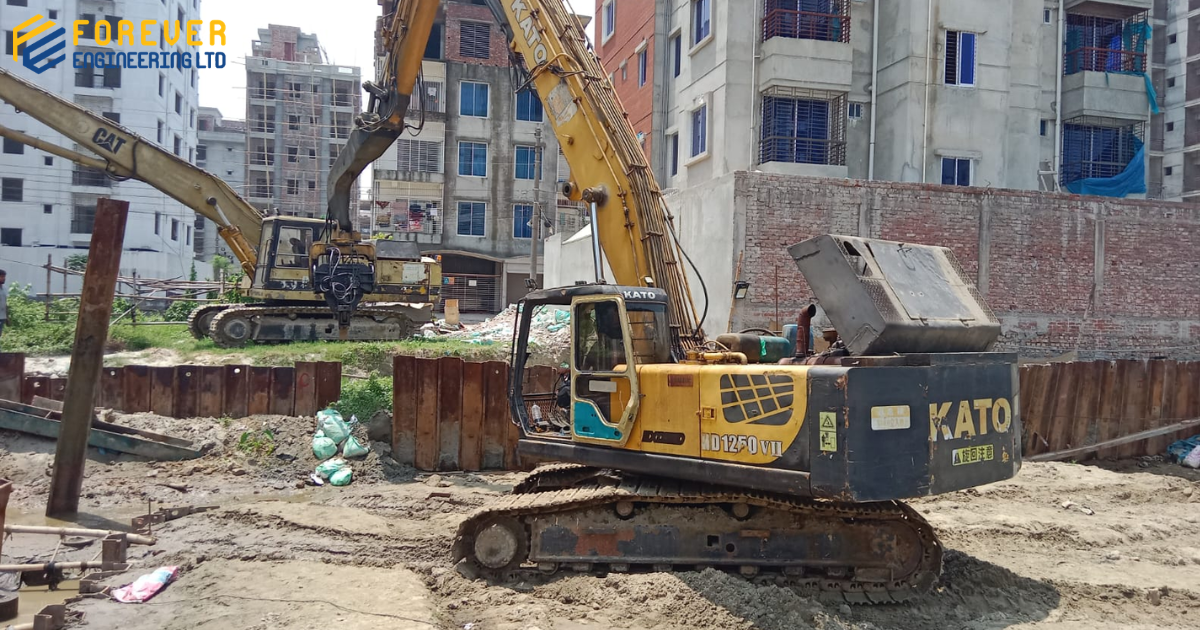
What Is an LHV Machine?
An LHV machine is a hydraulic vibratory piling attachment used to drive suitable piles into the ground and, with compatible equipment, extract them when needed. It is usually connected to an excavator that provides the required hydraulic power and supports the machine during operation. The LHV attachment has a vibrating mechanism and a clamp that holds the pile securely. When the machine starts, the vibration helps reduce soil resistance, allowing the pile to penetrate the ground. LHV machines may be used for sheet pile installation, temporary retaining walls, excavation support, and other suitable piling work. The exact applications depend on the machine model, pile type, and ground conditions.
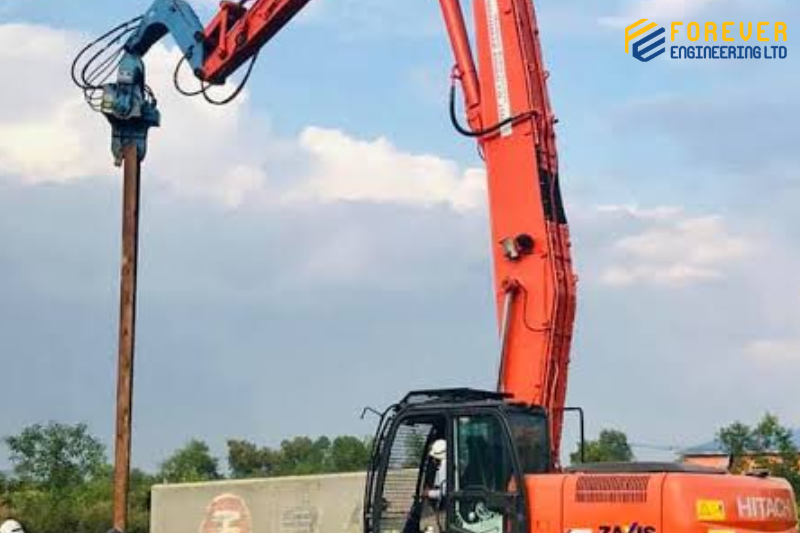
LHV Working Principle: How Does It Work?
The LHV working principle involves converting hydraulic power into vibration and transferring that vibration to the sheet pile. The excavator supplies hydraulic oil at the pressure and flow rate required by the attachment. This hydraulic power drives the motor inside the LHV machine, which rotates eccentric weights to produce vibration. The clamp holds the sheet pile so that the vibration can pass from the machine into the steel pile. The vibration reduces friction between the pile surface and the surrounding soil, helping the pile move downward under the combined effects of vibration and controlled force. The operator monitors the pile’s position and penetration during installation. The machine must operate within its specified limits to maintain safe and effective performance.
Main Components of an LHV Machine
Understanding the main components helps engineers check machine compatibility, inspect equipment, and understand how the attachment performs during sheet pile driving.
- Hydraulic Motor: The hydraulic motor converts energy from pressurised hydraulic oil into mechanical movement. It drives the vibrating mechanism inside the attachment.
- Vibrating Mechanism: This part contains rotating eccentric weights that generate vibration. The vibration is transferred to the sheet pile to help reduce soil resistance.
- Clamping System: The clamp grips the sheet pile during installation. It must match the pile profile and have enough capacity to hold the pile securely.
- Hydraulic Hoses and Connections: These parts carry hydraulic oil between the excavator and the LHV attachment. They must be compatible with the machine’s pressure and flow requirements and checked regularly for leaks or damage.
- Excavator or Carrier Machine: The excavator supports the attachment and supplies hydraulic power. Its hydraulic output, operating weight, and lifting capacity must meet the attachment manufacturer’s requirements.
- Control System: The operator uses the machine’s controls to start, stop, and manage the attachment according to the manufacturer’s operating procedure.
Step-by-Step Working Process of an LHV Machine
The LHV machine follows a planned process to position and drive each sheet pile. Proper preparation and alignment help reduce installation problems.
- Step 1: Site Preparation: The team checks the soil information, installation drawings, access area, and ground stability. Underground utilities and nearby structures should also be considered before work begins.
- Step 2: Machine Setup: The operator positions the excavator on stable ground and checks the hydraulic connections, attachment, and clamp. The machine must be suitable for the planned pile size and installation conditions.
- Step 3: Pile Positioning: Workers position the sheet pile along the planned wall line. The operator uses the excavator to bring the attachment into the correct position.
- Step 4: Clamping the Sheet Pile: The LHV clamp grips the pile securely. The operator confirms that the pile is correctly held and aligned before starting the vibrating mechanism.
- Step 5: Starting the Vibration: Hydraulic oil powers the motor, causing the eccentric weights to rotate. This creates vibration that passes through the clamp into the sheet pile.
- Step 6: Driving the Pile: The vibration helps reduce soil resistance while the operator guides the pile into the ground. The team monitors penetration, vertical alignment, and machine performance throughout the process.
- Step 7: Checking the Final Depth: When the pile reaches the required depth, the operator stops the machine according to the operating procedure. The team checks the pile’s position before moving on to the next pile.
How Hydraulic Power Creates Vibration
Hydraulic power is a key part of the LHV machine’s operation. The excavator supplies pressurized hydraulic oil through compatible hoses to the attachment’s motor. The motor turns the eccentric weights inside the vibrating unit. Because the weights rotate around an offset center, they create a repeated force that produces vibration. The vibrating unit transfers this force through the clamp to the sheet pile. The vibration helps reduce friction along the pile surface, making penetration easier in suitable ground conditions. Engineers should check the required hydraulic flow and pressure against the manufacturer’s specifications because incorrect settings can reduce performance or damage the equipment.
How Vibration Helps Drive Sheet Piles
When a steel sheet pile moves into the ground, the surrounding soil creates resistance along its surface and at its tip. The vibration produced by an LHV machine helps reduce some of this resistance, allowing the pile to move downward under controlled operating force. The result depends on the soil type, pile dimensions, vibration characteristics, and machine capacity. Loose sand and some softer soils may allow easier penetration, while dense soil, gravel, rock, or buried concrete can create major difficulties. Vibration does not guarantee that every pile will reach the required depth. Engineers should review the soil investigation report and monitor the actual installation results.
Factors That Affect LHV Machine Performance
The performance of an LHV machine depends on several site and equipment conditions. Engineers should review these factors before selecting an attachment for a sheet pile project.
- Soil Type: Loose sand and soft soil may offer less resistance than dense sand, stiff clay, or gravel. Ground investigation data helps engineers decide whether the method is suitable.
- Sheet Pile Size and Weight: Longer or heavier piles may require different equipment capacity. The clamp must fit the pile profile and transfer vibration effectively.
- Required Installation Depth: As a pile moves deeper, soil resistance may increase. The machine must be suitable for the expected depth and ground conditions.
- Hydraulic Flow and Pressure: The excavator must provide the hydraulic output required by the LHV attachment. Insufficient or unsuitable hydraulic supply can affect machine performance.
- Pile Alignment: A pile that starts at an angle may experience additional resistance and create problems with neighboring piles. Proper positioning and regular alignment checks are important.
- Nearby Structures: Vibration can affect nearby buildings, roads, and underground services. Engineers should assess the risk and consider monitoring or another installation method when necessary.
LHV Machine vs. Conventional Vibratory Hammer
Both an LHV machine and a conventional vibratory hammer use vibration to help drive sheet piles, but their mounting arrangements and site requirements may differ. An LHV attachment is commonly mounted on an excavator, which can help with positioning in sites where access is restricted. Conventional vibratory hammers may be used with cranes or other compatible piling rigs, depending on the equipment design. The best option depends on pile dimensions, ground conditions, available working space, hydraulic or lifting capacity, and project requirements. Engineers should compare the technical specifications of the actual machines rather than assuming that one type will always provide better performance.
Applications of LHV Machines in Construction
LHV machines may be used in different construction projects when the attachment, pile type, and soil conditions are suitable.
- Basement Excavation: Sheet piles can help retain soil around basement excavations and provide temporary ground support when designed for the project.
- Roadside Construction: An excavator-mounted attachment may be useful at sites with limited working space, provided there is enough room for safe operation.
- Riverbank Protection: Suitable sheet piles can be installed for riverbank protection and retaining works based on the project’s design and ground conditions.
- Temporary Retaining Walls: Sheet piles may be used to support soil during excavation and other temporary construction activities.
- Pile Extraction: Compatible LHV equipment can also be used to help remove suitable sheet piles after temporary works are complete. The extraction sequence must be planned to avoid affecting ground stability or nearby structures.
Common Problems During LHV Machine Operation
Understanding common problems helps the site team identify issues early and avoid unnecessary delays.
- Slow Pile Penetration: Dense soil, buried obstructions, or unsuitable equipment may slow the pile. The team should investigate the cause instead of applying uncontrolled force.
- Hydraulic Problems: Leaking hoses, incorrect hydraulic settings, or insufficient flow can affect the attachment’s performance. Inspect the system and follow the manufacturer’s requirements.
- Pile Misalignment: Poor positioning can cause the pile to lean or move away from the planned line. Check alignment regularly during installation.
- Clamp Slippage: An unsuitable or incorrectly fitted clamp may fail to grip the pile securely. Stop the operation and check the clamp and pile profile before continuing.
- Unexpected Refusal: If the pile stops penetrating, the team should review the soil conditions, pile condition, and machine performance. Any change in installation method should be approved by the responsible engineer.
Safety Precautions When Using an LHV Machine
Safe operation is important because the attachment combines vibration, heavy steel piles, hydraulic power, and excavator movement.
- Inspect Before Use: Check the attachment, clamp, hydraulic hoses, connections, and excavator according to the manufacturer’s instructions.
- Check Machine Compatibility: Confirm that the excavator meets the attachment’s hydraulic and operating requirements.
- Secure the Pile: Make sure the clamp holds the pile properly before starting vibration.
- Keep Workers Clear: Maintain a safe working zone around the excavator and moving pile. Never allow workers to stand under a suspended load.
- Monitor Alignment and Resistance: Watch for unusual movement, unexpected resistance, or changes in machine performance. Stop work if an unsafe condition develops.
- Follow the Operating Manual: Do not exceed the machine’s rated limits or change hydraulic settings without proper authorisation.
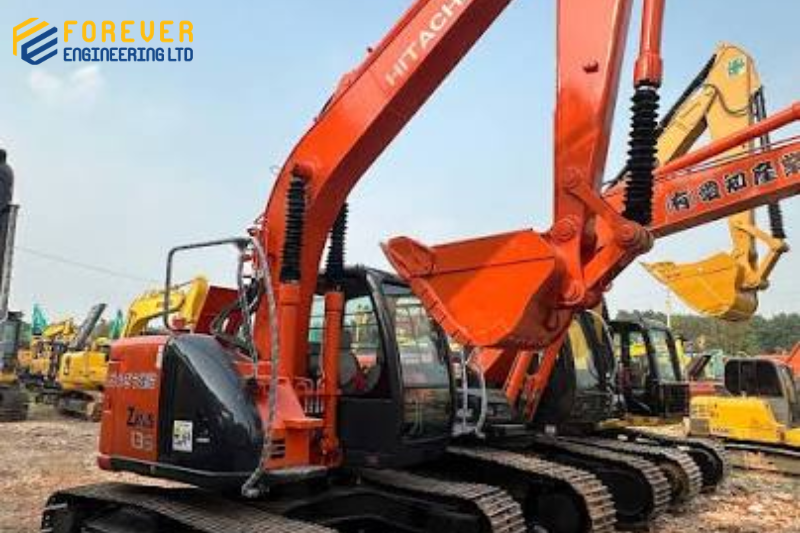
How Forever Engineering Ltd. Supports Sheet Pile Projects
Forever Engineering Ltd. understands that successful sheet pile installation depends on proper planning, suitable equipment, and careful site management. Engineers and contractors need to consider the soil profile, pile dimensions, required depth, machine capacity, and nearby structures before selecting an installation method. Understanding the LHV Working Principle helps project teams assess whether an excavator-mounted hydraulic vibratory attachment is suitable for their work. Reviewing the equipment specifications and monitoring installation performance can also help reduce avoidable problems during construction.
Conclusion
The LHV working principle is based on hydraulic power, rotating eccentric weights, and vibration to help drive sheet piles into the ground. The excavator supplies hydraulic power, the motor creates vibration, and the clamp transfers that vibration to the pile. Actual performance depends on soil conditions, pile size, installation depth, and machine capacity. Engineers should check equipment compatibility, maintain proper alignment, and monitor the installation process carefully. Forever Engineering Ltd. recognizes the importance of suitable piling methods and proper planning for sheet pile construction projects.
Frequently Asked Questions
- What is the LHV Working Principle?
The LHV working principle uses hydraulic power to create vibration, which is transferred to a sheet pile to help reduce soil resistance during installation.
- How does an LHV machine create vibration?
Hydraulic oil powers a motor that rotates eccentric weights inside the attachment. Their rotation produces vibration that passes through the clamp into the pile.
- What is the role of the clamp in an LHV machine?
The clamp holds the sheet pile securely and transfers vibration from the attachment to the pile.
- Can an LHV machine drive sheet piles in hard soil?
Performance depends on the machine capacity, pile design, and ground conditions. Dense soil, rock, or buried obstructions may require further investigation or a different installation method.
- What hydraulic requirements should engineers check?
Engineers should compare the excavator’s hydraulic flow and pressure with the attachment manufacturer’s specifications and check that the connection system is compatible.
- Can an LHV machine extract sheet piles?
Compatible LHV equipment can help extract suitable sheet piles. The extraction method and sequence should be planned according to ground conditions and the project’s safety requirements.
- Why is alignment important during LHV pile driving?
Correct alignment helps the pile follow the planned wall line and reduces the risk of leaning, additional resistance, and interlock problems.