
What Is Silent Piler Sheet Pile Installation?
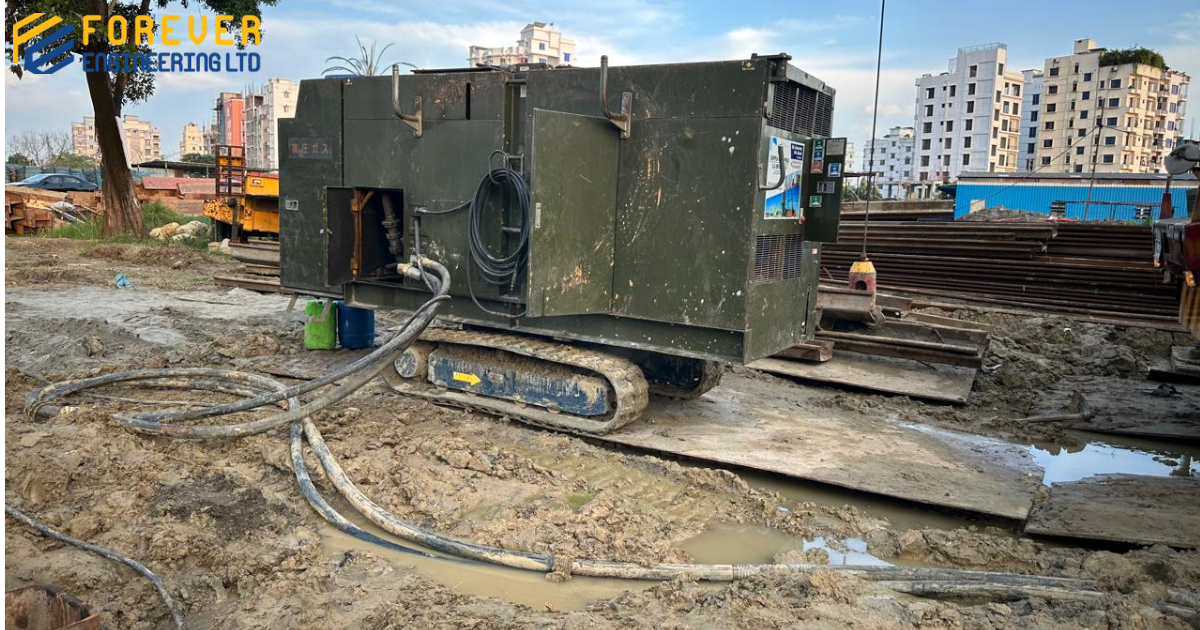
Silent pillar sheet pile installation is a pressing method that uses hydraulic force to push steel sheet piles into the soil. The machine grips the installed piles and uses them as support while pressing the next pile into the ground. This process allows the machine to move forward as installation continues. It is especially useful in areas where noise and vibration must be controlled, although the machine still requires suitable ground conditions and enough working space.
How Does a Silent Piler Machine Work?
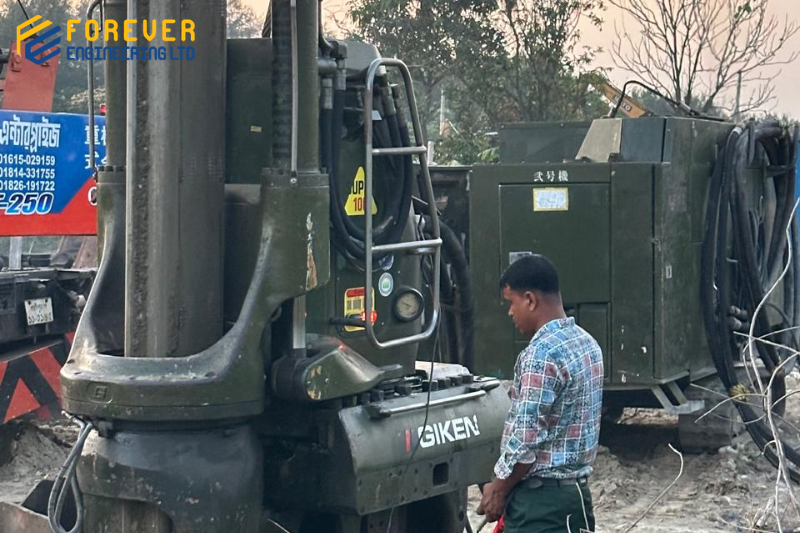
A silent pillar machine uses a hydraulic system to generate the force needed to press sheet piles into the ground. First, the machine is positioned and secured using its gripping system. It then holds the sheet pile and applies steady pressure to push it downward. After the pile reaches the required depth, the machine releases it and moves to the next position. The process continues until the sheet pile wall is complete. The exact working method depends on the machine model, pile specifications, soil conditions, and site requirements.
Step-by-Step Process of Silent Piler Sheet Pile Installation
The Silent Pile Sheet Pile Installation process involves several important stages. Following these steps helps improve installation accuracy, work efficiency, and site safety.
Step 1: Site Inspection and Preparation: Before installation begins, the project team checks the soil conditions, ground level, nearby structures, and available working space. The team also confirms the planned sheet pile wall alignment and checks whether the site is suitable for the selected machine.
Step 2: Selecting the Right Sheet Piles: Engineers select sheet piles based on the project design, required wall depth, soil pressure, and structural needs. The pile dimensions and interlocking sections must match the approved specifications to create a properly connected wall.
Step 3: Positioning the Silent Piler Machine: The machine is placed at the starting point of the sheet pile wall. Operators check the machine’s stability, gripping system, and hydraulic components before beginning the pressing operation.
Step 4: Lifting and Positioning the Sheet Pile: A suitable lifting machine or handling system moves the sheet pile into position. Workers guide the pile carefully and align it with the planned wall line before the machine grips it.
Step 5: Checking Alignment and Verticality: The operator and site team check that the sheet pile is positioned correctly. Proper alignment is important because an incorrectly positioned pile can affect the interlocking connection and make the remaining installation more difficult.
Step 6: Pressing the Sheet Pile into the Ground: The Silent Piler uses hydraulic pressure to push the sheet pile into the soil. Operators monitor the pressing process and check the pile’s movement to identify unexpected resistance or alignment problems.
Step 7: Connecting and Installing the Next Pile: The next sheet pile is positioned so that its interlocking edge connects with the previous pile. The machine then presses it into the ground, and the process continues along the planned wall line.
Step 8: Final Inspection and Quality Checking: After installation, the project team checks the wall alignment, pile depth, interlocking connections, and overall installation quality. Any problems must be reviewed and corrected according to the approved project requirements.
Site Preparation for Silent Piler Sheet Pile Installation
Proper site preparation helps the Silent Piler machine operate safely and efficiently. Before bringing the equipment to the working area, the project team should review the following factors.
- Soil Conditions: Soil investigation helps engineers understand ground resistance and identify layers that may affect pressing. Hard layers, underground obstructions, or unsuitable ground conditions may require a different installation plan.
- Working Platform: The machine needs a stable platform that can safely support its weight and operating forces. The platform must be prepared according to the equipment requirements and site conditions.
- Installation Line: The sheet pile wall alignment should be marked before work starts. Clear marking helps operators position each pile correctly and maintain the planned wall layout.
- Nearby Buildings and Utilities: Existing buildings, underground pipes, cables, and other structures should be identified before installation. This information helps the project team assess risks and select suitable working methods.
Sheet Pile Positioning and Alignment
Correct positioning is an important part of silent pillar sheet pile installation. Each pile must be placed along the approved wall line and connected properly to the previous pile. Poor alignment can create gaps, installation difficulties, and problems with the completed wall. Engineers and operators should check the position throughout the pressing process rather than waiting until the wall is finished.
Important alignment checks include:
- Verticality: Check that each sheet pile remains as close as required to the specified vertical position during pressing. Early correction helps prevent alignment errors from affecting later piles.
- Wall Line: Confirm that the piles follow the planned wall alignment. Regular checks help maintain the correct layout around excavations, foundations, and other structures.
- Interlocking Connections: Make sure the edges of adjoining sheet piles connect properly. Correct connections help create a continuous wall and reduce the risk of gaps between piles.
Advantages of Silent Piler Sheet Pile Installation
Silent Piler Sheet Pile Installation offers several benefits for construction projects where conventional pile-driving methods may cause excessive disturbance.
- Low Noise Levels: The hydraulic pressing method generally produces less installation noise than conventional impact driving. This makes it useful for projects near homes, offices, hospitals, and other noise-sensitive locations.
- Reduced Ground Vibration: The method avoids the strong impact and continuous vibration associated with some traditional installation techniques. This can help reduce disturbance to nearby structures, although site-specific vibration assessment may still be necessary.
- Suitable for Urban Construction: Many city construction sites have limited space and nearby buildings. A suitable silent piling system can help contractors install sheet piles while controlling noise and vibration.
- Controlled Installation: Hydraulic pressing allows operators to monitor the pile’s movement and pressing resistance. This helps the team identify installation difficulties and maintain better control over the process.
- Useful for Sensitive Locations: The method can be considered for projects where vibration control is important. Engineers should still assess soil conditions, nearby structures, access, and machine requirements before selecting it.
Factors to Consider Before Choosing a Silent Piler
Not every construction site is suitable for silent piler sheet pile installation. Engineers should review several factors before selecting the equipment and installation method.
- Soil Conditions: The type and strength of the soil affect how easily sheet piles can be pressed into the ground. Hard soil layers, buried obstructions, or other difficult ground conditions may limit the method or require additional measures.
- Sheet Pile Specifications: The pile profile, length, weight, and interlocking design must be compatible with the selected machine. Engineers should confirm these details before arranging equipment for the project.
- Machine Compatibility: Different Silent Piler models have different operating capacities and gripping requirements. The selected machine must suit the sheet piles and the expected ground resistance.
- Site Access: The site must have enough space for equipment delivery, positioning, and operation. The project team should also consider lifting arrangements and the movement of sheet piles around the work area.
- Nearby Structures: Existing buildings and underground services should be considered during planning. A site assessment helps engineers decide whether the method is appropriate and what monitoring may be needed.
Safety Precautions During Silent Piler Sheet Pile Installation
Safety must remain a priority throughout the installation process. Operators, lifting crews, and site supervisors should follow the approved method statement and the machine manufacturer’s instructions.
- Inspect the Equipment: Check the hydraulic system, gripping components, hoses, lifting equipment, and safety devices before work begins. Any damaged or faulty component should be addressed before operation.
- Secure the Sheet Pile: Ensure the sheet pile is properly supported and controlled during lifting and positioning. Workers should remain clear of suspended loads and avoid standing in potential pinch points.
- Maintain a Safe Working Area: Keep unauthorized people away from the machine and installation zone. Clear communication between operators, signalers, and ground workers helps reduce the risk of accidents.
- Monitor Installation Conditions: Watch for unexpected resistance, machine instability, pile movement, or changes in nearby ground conditions. Stop the operation and seek technical advice if an unsafe condition develops.
- Follow Operating Instructions: Only trained and authorized personnel should operate the machine. The team should follow the approved installation sequence and the safety procedures established for the project.
Silent Piler vs Hydraulic Vibratory Hammer
A Silent Piler and a hydraulic vibratory hammer both help install steel sheet piles, but they work in different ways. A Silent Piler uses hydraulic pressing force to push piles into the soil, while a vibratory hammer uses vibration to reduce soil resistance and help drive the piles downward. Silent Piler systems are often considered for sites where noise and vibration need to be minimized. Vibratory hammers may be suitable for projects where their installation speed and ground conditions offer practical advantages. The best choice depends on soil conditions, sheet pile specifications, site restrictions, project costs, and nearby structures.
Why Proper Planning Matters for Silent Piler Sheet Pile Installation
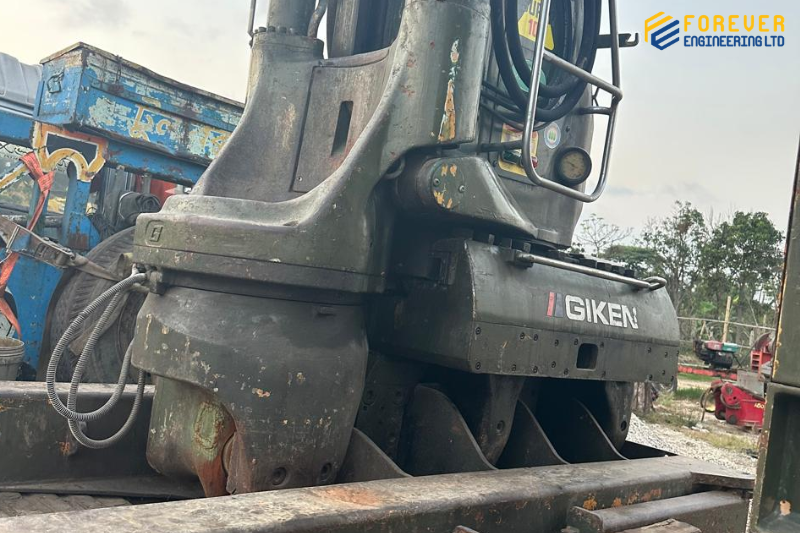
Proper planning helps prevent delays, alignment problems, and equipment-related difficulties during silent piler sheet pile installation. Engineers should review the soil investigation report, confirm the required pile depth, select compatible machinery, and prepare a clear installation sequence before work begins. They should also consider nearby structures, underground utilities, lifting requirements, and site access. Forever Engineering Ltd. supports sheet pile supply and installation projects in Bangladesh, helping project teams consider suitable installation methods based on their construction requirements.
Conclusion
Silent Piler Sheet Pile Installation is a useful method for projects that require controlled sheet pile installation with reduced noise and vibration. The process includes site preparation, sheet pile selection, machine positioning, pile alignment, hydraulic pressing, and final quality inspection. Each stage requires proper planning and attention to safety.
Choosing the right machine and installation method depends on soil conditions, pile specifications, site access, and nearby structures. Forever Engineering Ltd. provides sheet pile supply and installation services in Bangladesh for different construction requirements. Contact the company to discuss your project needs and identify a suitable sheet pile installation solution.
Frequently Asked Questions (FAQs)
1. What is Silent Piler Sheet Pile Installation?
Silent pillar sheet pile installation is a method that uses hydraulic pressure to push steel sheet piles into the ground. It is often selected for projects where noise and vibration need to be reduced.
2. How does a silent pillar machine work?
A Silent Piler grips the sheet pile and applies hydraulic force to press it into the soil. It then moves along the wall line and repeats the process with the next pile.
3. What are the main advantages of silent pillar sheet pile installation?
The main advantages include low installation noise, reduced ground vibration, controlled pressing, and suitability for certain urban or vibration-sensitive construction sites.
4. Can a Silent Piler install sheet piles in hard soil?
The result depends on the soil layers, machine capacity, pile specifications, and ground obstructions. Engineers should assess the site before deciding whether a Silent Piler is suitable.
5. Is Silent Piler installation suitable for residential areas?
It may be suitable for residential areas because it generally produces less noise and vibration than impact driving. However, the project team must still assess site access, nearby buildings, and local working restrictions.
6. What should be checked before Silent Pile Sheet Pile Installation?
The team should check soil conditions, pile specifications, machine compatibility, site access, wall alignment, nearby structures, and safety requirements before starting work.
7. Does Forever Engineering Ltd. provide sheet pile installation services?
Yes. Forever Engineering Ltd. provides sheet pile supply and installation services in Bangladesh. Contact the company to discuss your project requirements and suitable installation options.