
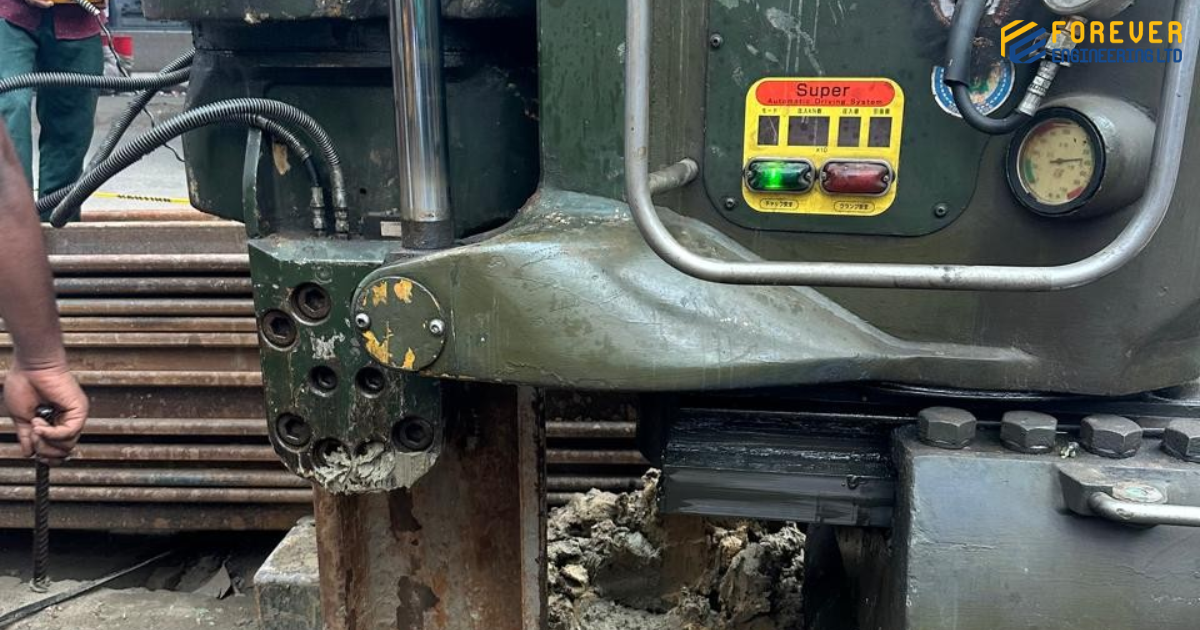
A Silent Piler Machine for Sheet Pile Driving is a specialized machine used to install steel sheet piles into the ground with very low vibration and noise compared with conventional impact driving methods. It uses hydraulic press-in force to push sheet piles into the soil. This method can be useful for construction projects in busy urban areas, near existing buildings, and at sites where vibration control is important. Sheet piles are widely used for basement construction, deep excavation support, retaining walls, riverbank protection, cofferdams, and infrastructure projects. The right installation method depends on soil conditions, pile dimensions, required depth, site access, and nearby structures. Contractors must also plan how to lift, position, and handle sheet piles safely during installation.
Forever Engineering Ltd. provides sheet pile solutions for construction and foundation projects in Bangladesh. Project owners and contractors can contact the company to discuss their sheet pile requirements, installation planning, and suitable project solutions.
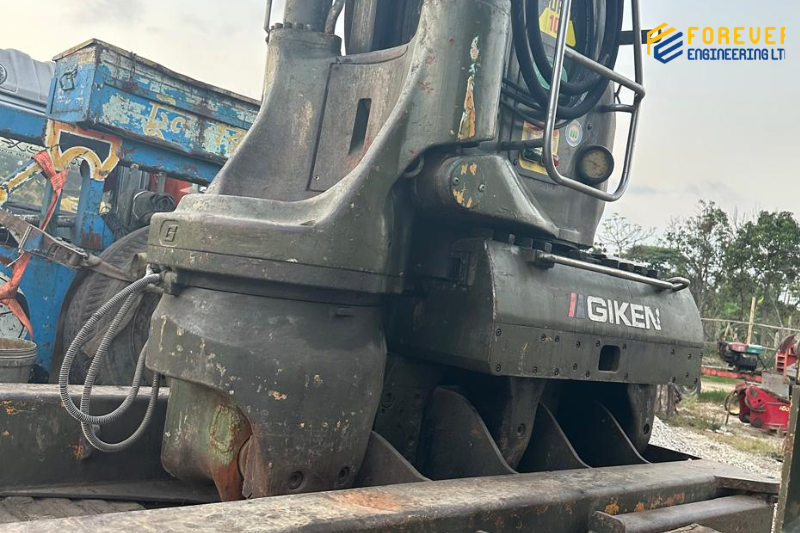
What Is a Silent Piler Machine for Sheet Pile Driving?
A silent pillar is a hydraulic press-in machine that installs sheet piles by applying controlled static force. Instead of relying mainly on repeated impact blows or strong vibration, the machine presses a pile into the ground. Many systems use previously installed piles to provide the reaction force needed to press the next pile into position. This method can help reduce noise and vibration during installation. However, the machine’s performance depends on soil resistance, pile type, installation depth, and the selected equipment model. Contractors should review site conditions before deciding whether a silent piler is suitable for a project.
Main Features of a Silent Piler Machine
- Low-Vibration Installation: A Silent Piler uses static hydraulic pressure to install sheet piles instead of relying on conventional impact driving. This can reduce vibration-related disturbance near sensitive buildings, roads, utilities, and other structures, although site monitoring may still be necessary.
- Hydraulic Press-In System: The machine uses hydraulic power to apply force to the sheet pile. The required pressing capacity depends on the soil resistance, pile dimensions, and installation depth, so contractors must select equipment that suits the project.
- Controlled Pile Positioning: The machine grips and presses the sheet pile into the ground while the operator monitors its position. Proper alignment checks help reduce installation errors and keep the sheet pile wall close to the planned layout.
- Compact Working Arrangement: Some silent piler systems can work in restricted construction areas where large conventional equipment may be difficult to use. However, the available working space, machine configuration, lifting arrangements, and access route must be checked before mobilization.
- Suitable for Sensitive Locations: Silent piling can be useful near hospitals, schools, residential buildings, and other areas where noise and vibration limits matter. Contractors should still assess ground movement, settlement risk, and other possible effects on nearby structures.
How Does a Silent Piler Machine Work?
A Silent Piler installs sheet piles through a controlled hydraulic pressing process. Depending on the equipment model, the machine may grip previously installed piles to create the reaction force required for pressing the next pile. The operator then controls the pressing operation and checks the pile’s alignment and progress. The exact working arrangement varies by machine model and site conditions. Some systems also use a service crane or other lifting equipment to move sheet piles into position before the machine grips them.
Working Process of a Silent Piler Machine
- Machine Positioning: The machine is positioned on a suitable working platform and aligned with the planned sheet pile wall. The team checks ground stability, access, nearby structures, and equipment clearances before starting the installation work.
- Pile Gripping: The machine grips the sheet pile using a suitable clamping system. The operator must confirm that the pile is correctly held before pressing begins, because poor gripping can affect alignment and create operational risks.
- Hydraulic Pressing: The machine applies controlled hydraulic force to push the pile into the ground. The pressing process continues according to the machine’s operating procedure and the resistance encountered in the soil.
- Reaction Force: Many Silent Piler systems use previously installed piles to provide the reaction force needed for pressing. The suitability and condition of those piles must be considered because the machine depends on a stable reaction arrangement.
- Alignment Monitoring: The operator and installation team monitor pile position, verticality, and installation progress throughout the operation. Early correction of alignment problems can help prevent gaps, interlock difficulties, and errors in the completed wall.
- Final Position Check: After a pile reaches its planned depth, the team checks its position and installation records. The next pile can then be installed according to the approved sequence and the machine manufacturer’s instructions.
Sheet Pile Lifting with a Silent Piler Machine
Sheet pile lifting is an important part of the installation process because steel piles can be long, heavy, and difficult to handle. A service crane or suitable lifting equipment commonly raises and positions piles before the Silent Piler grips them. The precise lifting arrangement depends on the machine model, site layout, pile dimensions, and manufacturer’s instructions. Contractors should not assume that every Silent Piler model can independently lift and handle sheet piles in the same way. They must confirm which equipment performs each lifting and positioning task before beginning work.
Important Sheet Pile Lifting Requirements
- Suitable Crane Selection: The crane should have enough capacity for the pile weight, lifting radius, and planned lifting arrangement. Contractors must review the crane load chart and site conditions rather than selecting a crane based only on its maximum rated capacity.
- Approved Lifting Accessories: Slings, shackles, hooks, and other accessories must be suitable for the pile weight and lifting method. Workers should inspect these items before use and remove damaged or unsuitable equipment from service.
- Secure Pile Handling: The sheet pile must be secured properly before it is lifted from the storage area. Correct attachment and controlled movement help reduce the risk of slipping, swinging, or unexpected movement during lifting.
- Controlled Positioning: The crane operator and ground crew should coordinate pile movement so the pile reaches the intended position without striking the machine, nearby structures, or workers. A designated signal person should guide the lift where required.
- Safe Transfer to the Machine: The pile should be transferred to the Silent Piler’s gripping system according to the equipment manufacturer’s procedure. Workers must keep clear of pinch points and must not place themselves beneath suspended loads.
- Pile Condition Inspection: Before lifting, the team should inspect the sheet pile for visible bending, damage, or interlock problems. Damaged piles may be difficult to align or connect correctly and should be assessed before installation.
Factors That Affect Silent Piler Machine Selection
Selecting a Silent Pile Machine for Sheet Pile Driving requires more than checking machine size or hydraulic power. Contractors need to evaluate the complete project, including ground conditions, pile specifications, installation depth, access, and vibration limits. A machine that suits one site may not perform well at another site.
Key Machine Selection Factors
- Soil Conditions: Soil type and resistance affect the force required to press sheet piles into the ground. Contractors should review available geotechnical information and identify hard layers, obstructions, or other conditions that may affect installation.
- Sheet Pile Dimensions: Pile length, profile, thickness, weight, and interlock design influence the machine and gripping arrangement required. The selected equipment must be compatible with the specified piles and capable of handling the expected installation conditions.
- Required Installation Depth: Deeper sheet pile installation can increase the pressing force and handling requirements. The contractor should confirm the required penetration and embedment depth from the approved design before selecting the machine.
- Machine Pressing Capacity: The machine must provide suitable pressing force for the expected ground resistance and pile requirements. Selecting a machine without enough capacity may lead to slow progress or difficulty reaching the required depth.
- Site Access: Narrow roads, restricted entrances, overhead obstructions, and limited turning areas can affect machine and crane mobilization. Contractors should check the transport route and working area before arranging equipment delivery.
- Working Space: The site must provide enough space for the machine, service crane, sheet pile storage, and safe worker movement. Restricted sites may need a carefully planned installation sequence and a suitable machine configuration.
- Nearby Structures: Buildings, roads, pipelines, and underground utilities may limit the installation methods available. A qualified project team should assess possible ground movement and determine whether monitoring or additional protective measures are needed.
- Noise and Vibration Limits: Projects near occupied buildings or sensitive facilities may require strict control of noise and vibration. Silent piling can reduce these effects, but contractors should confirm the project’s limits and establish monitoring where necessary.
- Supporting Equipment: The installation arrangement may require a service crane, hydraulic power equipment, clamps, lifting accessories, and alignment guides. All supporting equipment should be compatible with the selected machine and included in the work plan.
- Project Schedule and Cost: Equipment availability, installation speed, transport, labor, and site restrictions can affect the project schedule and budget. Contractors should compare the full installation arrangement rather than choosing a machine based on one cost factor alone.
Step-by-Step Silent Piler Sheet Pile Installation Process
A planned installation sequence helps contractors manage equipment, pile alignment, lifting operations, and site safety. Before work begins, the team should review the design documents, machine instructions, and site-specific safety requirements. The final method should follow the approved project design and the equipment manufacturer’s procedures.
Installation Steps
Step 1: Review the Project Design: Check the approved drawings, sheet pile profile, pile length, wall layout, and required embedment depth before mobilizing equipment. This review helps the team confirm the installation sequence and identify any special requirements for the site.
Step 2: Study the Ground Conditions: Review the geotechnical report and available information about soil layers, groundwater, and possible obstructions. Understanding the ground conditions helps the project team assess whether press-in installation is suitable and whether additional measures may be needed.
Step 3: Inspect the Site: Check the access route, working platform, nearby structures, overhead hazards, and underground utilities. The team should identify restricted areas early so it can plan equipment movement and safe lifting operations.
Step 4: Select the Machine: Choose a Silent Piler model that matches the sheet pile dimensions, expected ground resistance, and required installation depth. Confirm machine compatibility, available pressing capacity, and any model-specific operating requirements before starting work.
Step 5: Prepare the Working Platform: Provide a stable and suitable area for the machine, crane, and sheet pile handling activities. The ground should be assessed for bearing capacity and levelness so the equipment can operate safely within its required limits.
Step 6: Mobilize Supporting Equipment: Arrange the crane, lifting accessories, power systems, and other equipment required by the selected installation method. Inspect the equipment and confirm that all components are compatible with the planned operation.
Step 7: Check the Sheet Piles: Inspect each pile for damage, bending, and interlock problems before installation. Piles should match the approved specifications, and any defect that could affect safe handling or installation should be assessed before use.
Step 8: Position the First Pile: Lift and position the first sheet pile using the approved lifting arrangement and guide system. The team should carefully check its position and verticality because the first pile can influence the alignment of the following piles.
Step 9: Establish the Initial Installation Arrangement: Set up the machine according to the manufacturer’s instructions and the approved method statement. Depending on the machine model, the initial arrangement may require a designated reaction system or a specific sequence to establish the pressing operation.
Step 10: Press the Sheet Pile into the Ground: Use the machine’s hydraulic system to press the pile into the ground in a controlled manner. The operator should monitor machine behavior, pile movement, and installation resistance, stopping the work if unexpected conditions appear.
Step 11: Install the Remaining Piles: Continue with the planned sequence while maintaining correct interlock engagement and alignment. Regular checks help the team identify deviations early and reduce the risk of gaps or problems as the sheet pile wall progresses.
Step 12: Inspect and Record the Installation: Check the completed pile position, verticality, and final depth against the project requirements. Record installation details and report any deviation so the responsible engineer can determine whether corrective action is needed.
Benefits of Using a Silent Piler Machine
A silent pillar can offer important advantages on projects where conventional driving methods may create unwanted noise or vibration. Its suitability still depends on ground conditions, project design, equipment availability, and the required installation performance. Contractors should compare these factors before choosing the installation method.
Main Benefits
- Reduced Vibration: The machine uses static pressing rather than conventional impact driving as its primary installation method. This can reduce vibration-related disturbance near sensitive structures, although ground movement and other site effects still require proper assessment.
- Lower Installation Noise: Silent piling can help reduce the noise associated with repeated impact driving. This can be useful in busy urban areas and near occupied buildings, but other site activities and supporting equipment may still produce noise.
- Suitable for Restricted Sites: Certain Silent Piler configurations can operate in areas where large conventional equipment may be difficult to use. Contractors must still verify the machine dimensions, crane access, pile storage area, and safe working space before mobilization.
- Controlled Installation: Hydraulic pressing allows the operator to control the force applied to the sheet pile. Monitoring pile alignment and installation progress can help the team maintain the planned wall layout and identify problems during installation.
- Useful Near Sensitive Structures: Low-vibration installation may be appropriate for projects near hospitals, schools, residential buildings, and existing infrastructure. A site-specific engineering assessment remains important because reducing vibration does not remove every risk associated with ground disturbance.
- Support for Urban Construction: Silent piling may help contractors complete sheet pile installation in locations where noise and vibration restrictions affect work planning. Early coordination with project managers and nearby stakeholders can help establish suitable working hours and monitoring arrangements.
- Potentially Better Site Control: A planned press-in operation can help organize the sequence of pile handling and installation. Proper coordination between the machine operator, crane operator, and ground crew can reduce unnecessary movement and improve overall work control.
- Project-Specific Cost Management: The method may help avoid some vibration-related restrictions or mitigation requirements in suitable locations. However, the total cost depends on equipment mobilization, machine availability, installation speed, soil conditions, and supporting equipment.
Applications of Silent Piler Machines in Construction
Silent Piler machines are most useful when contractors need to install sheet piles while controlling noise and vibration. The suitable application depends on the project design and whether the machine can achieve the required installation depth in the existing ground conditions.
Common Applications
- Urban Basement Construction: Sheet piles can provide temporary excavation support for basement construction in developed areas. Silent piling may be considered where nearby buildings and occupied properties require careful control of installation vibration.
- Deep Excavation Support: Sheet pile walls can help retain surrounding soil during excavation for foundations and underground structures. The design must account for soil pressure, groundwater, embedment, and any bracing or anchoring system required.
- Retaining Walls: Sheet piles can form retaining structures along boundaries, roads, and other areas with changes in ground level. The selected pile profile and installation method should match the required wall performance and site conditions.
- Projects Near Existing Buildings: Press-in installation may be useful where conventional driving vibration could create concerns for nearby structures. Contractors should assess the condition of surrounding buildings and establish monitoring where the project risk assessment requires it.
- Road and Infrastructure Projects: Sheet piles may support excavations for road improvements, utility work, and other infrastructure construction. The team should plan access and traffic management so equipment movement does not create unnecessary risks for workers or the public.
- Riverbank and Waterfront Works: Sheet piles can provide retaining support for riverbank protection and selected waterfront structures. Ground conditions, water levels, corrosion exposure, and the required service life must be considered when selecting the pile and installation method.
- Utility and Pipeline Excavation: Sheet piles may support temporary excavations for underground services and pipeline installation. The team must identify existing utilities and check whether the machine and lifting equipment can operate safely in the available space.
- Sensitive Commercial Locations: Silent piling may suit selected projects near offices, shops, schools, or healthcare facilities where construction disturbance must be managed. The project team should confirm local restrictions and coordinate the work to reduce disruption.
Equipment and Accessories Required for Silent Piler Installation
A silent pillar installation project often requires supporting equipment in addition to the main press-in machine. The exact arrangement depends on the machine model, pile dimensions, site layout, and installation sequence. All equipment should be selected and checked before work starts.
Main Equipment Requirements
- Silent Piler Machine: The main machine applies hydraulic force to press sheet piles into the ground. Contractors should confirm its pressing capacity, pile compatibility, operating limits, and maintenance condition before mobilization.
- Service Crane: A crane commonly lifts and positions sheet piles before the machine grips them. The crane must have adequate capacity for the planned lifting radius and load, with suitable ground support and safe clearance from hazards.
- Lifting Accessories: Slings, shackles, hooks, and related equipment help connect the pile to the lifting system. Workers should inspect the accessories and use only equipment with suitable ratings and approved configurations.
- Pile Clamps and Gripping Components: These components secure the sheet pile during pressing and must match the machine and pile profile. The team should check the gripping arrangement and follow the manufacturer’s instructions to reduce the risk of slipping or damage.
- Guide System: Guides can help maintain the planned pile position and alignment during installation. The guide arrangement should be suitable for the pile dimensions and checked as the wall progresses.
- Hydraulic Power Equipment: Some systems require a designated hydraulic power unit or other power arrangement. The team should check connections, hoses, fluid levels, and operating limits according to the manufacturer’s maintenance instructions.
- Safety Barriers and PPE: Barriers, warning signs, helmets, safety footwear, gloves, and other required protective equipment help control site risks. These measures should form part of the project safety plan rather than being treated as optional accessories.
Safety Measures During Silent Piler Operation
Silent piling involves heavy steel piles, hydraulic machinery, lifting operations, and workers operating close to moving equipment. A low-vibration method does not automatically make the operation risk-free. Contractors should use an approved method statement, trained personnel, suitable equipment, and a controlled work zone.
Important Safety Measures
- Inspect the Machine Before Use: Check the machine structure, hydraulic components, clamps, controls, and safety devices before each operation. Any defect that could affect safe operation should be reported and resolved before the machine returns to service.
- Check the Crane and Lifting Gear: Inspect the crane, slings, shackles, and other lifting accessories before handling sheet piles. Workers should verify the load weight and lifting arrangement so the equipment remains within its rated limits.
- Use Trained Operators: Only trained and authorized personnel should operate the Silent Piler, crane, and related equipment. The team should understand the communication signals and emergency procedures before lifting or pressing begins.
- Maintain a Safe Work Zone: Keep unnecessary personnel away from the machine, suspended loads, and moving sheet piles. Barriers and clear access routes help prevent workers or visitors from entering hazardous areas during installation.
- Secure Sheet Piles Properly: Confirm that each pile is attached securely before lifting and is correctly gripped before pressing. Workers must stay clear of pinch points and never stand beneath a suspended pile.
- Check Ground Stability: Assess the working platform and crane support area before mobilizing equipment. Weak or uneven ground can affect machine stability and lifting safety, so any necessary ground improvement should be completed before operation.
- Monitor Nearby Structures: Check nearby buildings, roads, utilities, and other sensitive structures according to the project risk assessment. Even when vibration is low, monitoring may be necessary to identify ground movement or other unexpected effects.
- Follow Manufacturer Instructions: Operate the machine within its specified limits and follow the correct setup, pressing, inspection, and maintenance procedures. Improvised methods can damage equipment or create hazards for the installation team.
- Use Clear Communication: The crane operator, machine operator, and ground crew should use agreed signals and communication methods. If communication becomes unclear or a worker enters the danger zone, the operation should stop until the issue is resolved.
- Stop Work When Conditions Change: Stop the operation if the machine behaves unexpectedly, the ground becomes unstable, a lifting accessory shows damage, or an unplanned obstruction appears. The responsible supervisor should review the situation before work resumes.
Common Problems During Silent Piler Installation
Silent Piler installation can face problems related to soil resistance, pile alignment, equipment setup, or restricted site access. Identifying these issues early helps the project team avoid unnecessary delays and protect equipment and materials.
Common Installation Problems
- High Soil Resistance: Dense soil, hard layers, or buried obstructions can increase the force needed to press a pile. The team should review the ground conditions and consult the responsible engineer and equipment supplier before changing the installation method.
- Pile Misalignment: A sheet pile may move away from its planned position because of incorrect initial positioning, poor guidance, or changing ground resistance. Regular alignment checks help identify the problem early, while any correction should follow the approved installation procedure.
- Interlock Difficulties: Damaged or misaligned interlocks can make it difficult to connect adjacent sheet piles correctly. Inspecting piles before installation and maintaining correct alignment can reduce these problems and help produce a more consistent wall.
- Insufficient Pressing Capacity: A machine may struggle to reach the required depth if its capacity does not match the pile and soil conditions. The contractor should reassess the equipment selection and installation plan rather than forcing the machine beyond its operating limits.
- Restricted Working Space: Limited room for the machine, crane, and pile storage can slow the installation process. A detailed site layout and planned delivery sequence can help the team use the available space safely and efficiently.
- Lifting and Handling Delays: Poor coordination, unsuitable lifting accessories, or a congested work area can delay pile positioning. Clear communication and advance inspection of the lifting arrangement help the crew prepare each pile before it is needed.
- Unexpected Ground Conditions: Actual soil conditions may differ from the information available during planning. If the machine encounters unexpected resistance or an obstruction, the team should stop and seek technical review before deciding how to proceed.
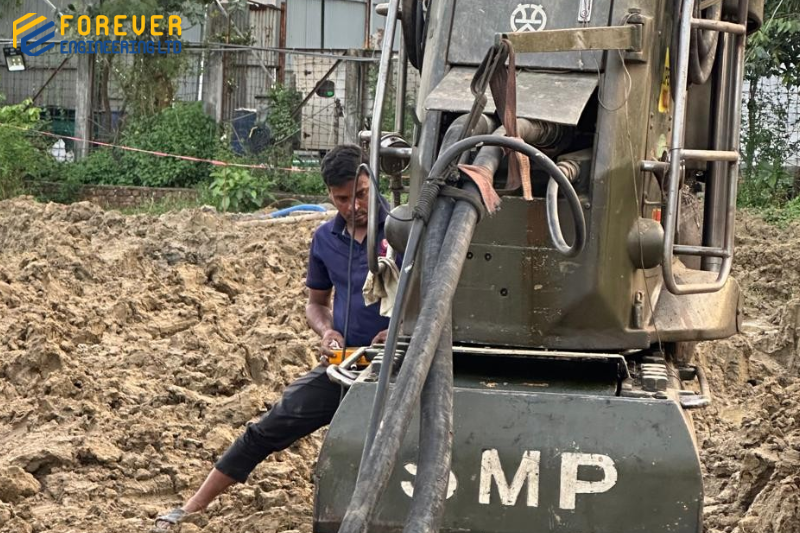
How Can Forever Engineering Ltd. Support Sheet Pile Projects?
Forever Engineering Ltd. supports sheet pile requirements for construction and foundation projects in Bangladesh. Contractors and project owners can discuss their project scope, sheet pile specifications, and installation needs with the company to understand suitable options. The availability of a specific Silent Piler machine, lifting arrangement, or installation service should be confirmed directly with the company. Providing accurate project details helps the company respond more effectively to the actual requirements.
Project Support Considerations
- Sheet Pile Requirements: Share the pile profile, dimensions, length, quantity, and intended application when discussing the project. These details help the project team understand the material requirements and identify questions that need technical review.
- Installation Planning: Provide the planned installation depth, soil information, site access details, and any noise or vibration restrictions. This information helps determine which installation methods may be suitable for further assessment.
- Equipment Availability: Confirm whether the required Silent Piler model and supporting lifting equipment are available for the planned project period. Availability should be checked before finalizing the schedule or making commitments to the construction team.
- Project Costing: Discuss the required materials, installation scope, transport, equipment mobilization, and expected work duration. A complete scope helps reduce uncertainty when preparing a project budget or requesting a quotation.
- Technical Coordination: Share drawings, site constraints, and relevant geotechnical information with the responsible technical team. This supports a more informed discussion about installation requirements and any site-specific limitations.
How Much Does Silent Piler Sheet Pile Installation Cost?
The cost of using a silent pillar depends on several project factors. There is no single price that applies to every site because machine availability, transport, ground conditions, installation depth, and project duration can vary significantly. Contractors should request a project-specific quotation instead of relying on a general estimate. They should also compare the full cost of the installation method, including supporting equipment and any site requirements.
Main Cost Factors
- Machine Rental or Service Charges: The cost depends on whether the project requires equipment rental, a specialist installation service, or another agreed arrangement. The quotation should clarify the charging basis, included working hours, and any additional charges.
- Transportation and Mobilization: Moving the machine, crane, and supporting equipment to the site can affect the total cost. Distance, access restrictions, loading requirements, and the size of the equipment should be considered during planning.
- Soil Conditions: High ground resistance or unexpected obstructions may affect installation speed and equipment requirements. Reviewing geotechnical information before work starts can help the team identify potential cost risks.
- Pile Dimensions and Quantity: Larger piles, longer piles, and greater quantities can change handling requirements and installation time. The supplier or contractor should receive accurate pile specifications when preparing the quotation.
- Installation Depth: The required depth can affect pressing time and the equipment capacity needed for the project. Contractors should confirm the design depth and embedment requirements before estimating the work.
- Supporting Equipment and Labor: Crane use, lifting accessories, trained operators, and ground crew may contribute to the overall project cost. The quotation should identify which services and equipment are included and which require separate charges.
- Site Restrictions: Limited access, nearby structures, working-hour restrictions, and monitoring requirements can affect project planning. These conditions should be disclosed early so the proposed price reflects the actual site needs.
Why Choose the Right Silent Piler Installation Method?
Choosing an appropriate installation method helps contractors balance construction requirements, safety, productivity, and site restrictions. Silent piling can be a useful option where low vibration and noise matter, but it should not be selected without checking the ground and project design.
Important Considerations
- Match the Method to the Site: Review the soil conditions, pile dimensions, required depth, and nearby structures before choosing an installation method. A site-specific assessment helps determine whether a Silent Piler can meet the project requirements.
- Review the Complete Installation Cost: Consider machine charges, crane support, transportation, labor, and expected installation time. Comparing the complete cost provides a more realistic basis for choosing between different installation methods.
- Plan for Safety: Establish a clear work sequence for lifting, gripping, pressing, and inspecting the piles. A suitable method statement and trained workforce help reduce avoidable risks during installation.
- Check Equipment Compatibility: Confirm that the machine, clamps, sheet pile profile, crane, and lifting accessories work together as required. Compatibility checks can prevent delays caused by unsuitable equipment or incorrect setup.
- Monitor Installation Quality: Check the pile position, verticality, interlock engagement, and final depth throughout the work. Consistent inspection helps the team identify deviations before they affect a larger section of the wall.
Contact Forever Engineering Ltd. for sheet pile solutions
If your project requires sheet pile supply, installation planning, or technical consultation, contact Forever Engineering Ltd. to discuss the project requirements. Share the sheet pile dimensions, installation depth, soil conditions, site location, and expected schedule to help the company understand your needs.
Ask the company to confirm the availability and suitability of any specific Silent Piler machine or lifting service before finalizing the project plan. You can also request a quotation based on the materials, equipment, and services required for your site.
Conclusion
A silent pillar machine for sheet pile driving uses controlled hydraulic force to press steel sheet piles into the ground. It can help reduce noise and vibration compared with conventional impact driving methods, making it a possible option for selected urban projects and locations near sensitive structures. Successful installation depends on soil conditions, pile dimensions, pressing capacity, lifting arrangements, site access, and the required installation depth. Contractors should also plan machine positioning, pile handling, alignment checks, equipment inspections, and worker safety before beginning the work.
Forever Engineering Ltd. supports sheet pile requirements for construction and foundation projects in Bangladesh. Contact the company to discuss your project scope, confirm the availability of suitable equipment or services, and request a quotation for your sheet pile requirements.
Frequently Asked Questions
1. What is a silent piler machine for sheet pile driving?
A silent pillar is a hydraulic press-in machine that installs sheet piles by applying controlled static force. It can reduce noise and vibration compared with conventional impact driving, depending on the machine setup and site conditions.
2. How does a Silent Piler machine install sheet piles?
The machine grips a sheet pile and uses hydraulic force to press it into the ground. Many systems use previously installed piles to provide the reaction force needed for the next pile, while the operator monitors alignment and installation progress.
3. Can a silent piler machine lift sheet piles?
The lifting arrangement depends on the specific machine model and site setup. A service crane commonly lifts and positions sheet piles before the Silent Piler grips them, so contractors should confirm the machine’s lifting capabilities and follow the manufacturer’s instructions.
4. Is Silent Piler installation suitable for urban construction?
It can be suitable for selected urban projects where noise and vibration restrictions are important. Contractors must still check soil conditions, site access, nearby structures, required depth, and other project requirements before selecting this method.
5. What factors affect Silent Piler machine selection?
Important factors include soil resistance, pile dimensions, installation depth, machine pressing capacity, site access, working space, and vibration limits. Supporting equipment and project schedule also affect the final selection.
6. Does a Silent Piler eliminate all vibration and noise?
No. Silent piling can reduce the vibration and noise associated with conventional impact driving, but it does not remove every source of construction noise or all possible ground movement. Site conditions and nearby structures should still be assessed.
7. What equipment is needed for Silent Piler installation?
The installation arrangement may include a silent piler, service crane, suitable clamps, lifting accessories, hydraulic power equipment, and alignment guides. The exact requirements depend on the machine model, sheet pile dimensions, and site conditions.
8. What safety measures are important during Silent Piler operation?
Workers should inspect the machine and lifting equipment, use trained operators, maintain a controlled work zone, secure sheet piles properly, and check ground stability. The team should also follow the manufacturer’s instructions and stop work when unsafe conditions arise.
9. How much does Silent Piler sheet pile installation cost?
The cost depends on equipment availability, machine charges, transportation, soil conditions, pile dimensions, installation depth, supporting equipment, labor, and project duration. A project-specific quotation is the best way to estimate the total cost.
10. How can Forever Engineering Ltd. help with sheet pile projects?
Forever Engineering Ltd. can discuss sheet pile requirements, project planning, technical questions, and quotation needs for construction projects in Bangladesh. Contractors should confirm the availability of any specific Silent Piler machine or installation service directly with the company.