
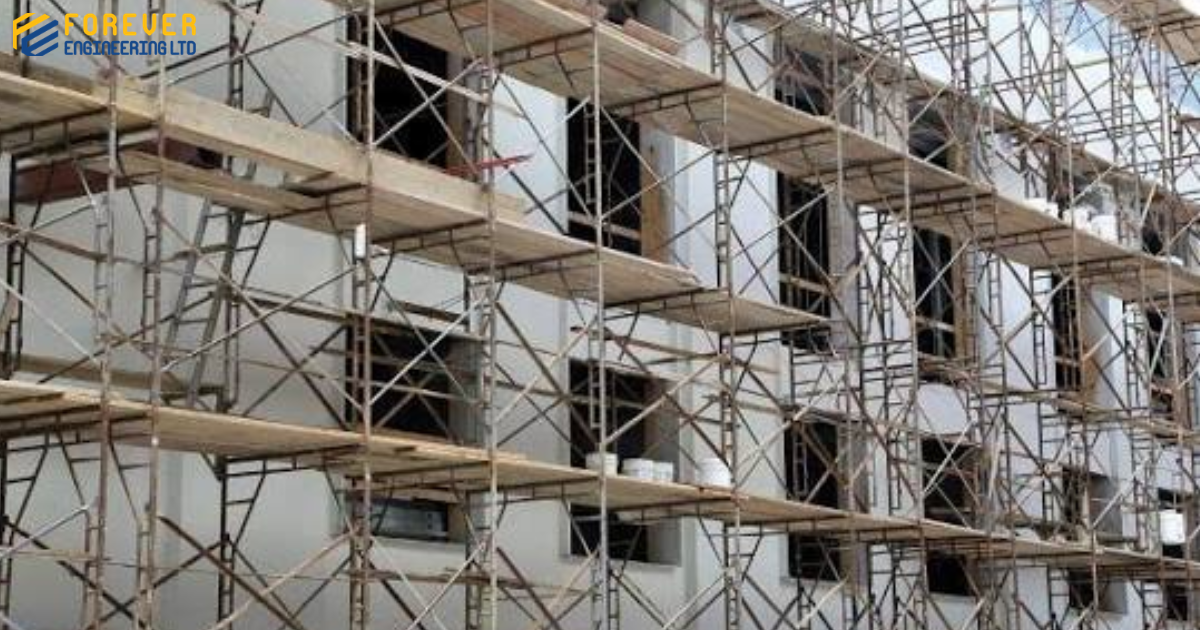
What Is Scaffolding Rental vs. Buying?
Scaffolding rental means hiring scaffolding equipment from a supplier for a specific period. The contractor pays an agreed rental charge and uses the equipment according to the rental terms. When the project or rental period ends, the equipment is usually returned to the supplier. Buying scaffolding means purchasing the equipment for repeated or long-term use. Scaffolding rental vs. buying is an important decision for construction companies, contractors, and project owners. The right choice depends on project duration, scaffolding requirements, available budget, storage space, and future construction plans. Both options have advantages, but each works better for different types of projects. The company owns the scaffolding and becomes responsible for storage, inspection, maintenance, repairs, and replacement when necessary. Both options can support construction work, but the total cost and responsibilities differ. Rental can reduce the initial investment, while buying may offer better long-term value when the company uses the equipment regularly. Before making a decision, contractors should compare the full costs, equipment quality, safety requirements, rental conditions, and expected future demand.
Why Is the Scaffolding Rental vs. Buying Decision Important?
The choice between renting and buying scaffolding affects project expenses, equipment availability, storage needs, and construction planning. A decision based only on the initial price may not provide the best result over the full project period. For example, renting may suit a contractor who needs scaffolding for a short renovation project. A company that works on several construction sites throughout the year may benefit from owning suitable equipment. The main reasons this decision matters include:
- Budget Management: Renting usually requires a lower initial payment than purchasing a complete scaffolding system. Buying requires more money at the beginning but may reduce repeated rental payments over time.
- Project Duration: Short-term projects often benefit from rental, while long-term and repeated projects may justify purchasing equipment.
- Equipment Availability: Rental suppliers may provide equipment when needed, subject to availability. Owning scaffolding gives a company more direct control over its equipment supply.
- Storage Requirements: Purchased scaffolding needs suitable storage when workers are not using it. Rental can reduce long-term storage needs after the equipment is returned.
- Maintenance Responsibilities: Owners must manage inspections, repairs, and replacement. Rental agreements may assign some maintenance responsibilities to the supplier, but the contract must clearly define these duties.
- Future Construction Plans: Companies with regular demand may gain more value from ownership, while businesses with occasional requirements may prefer renting.
A careful comparison helps contractors select an option that matches their workload and financial plans.
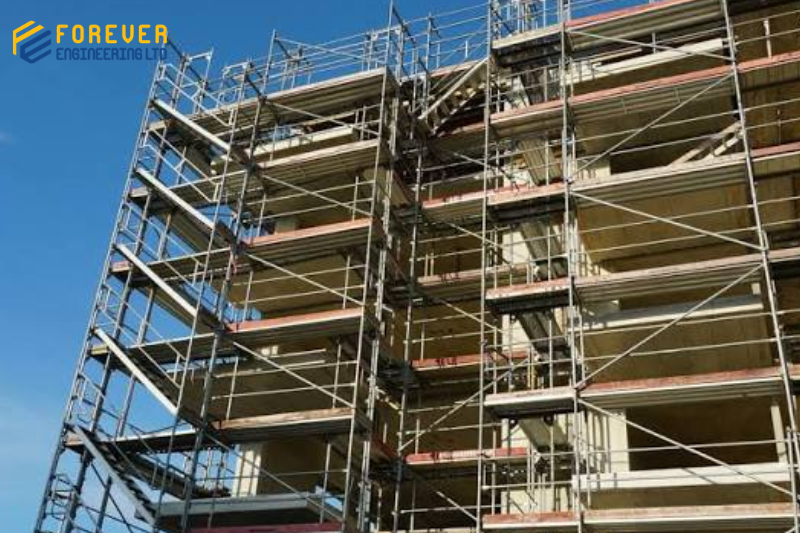
What Factors Affect Scaffolding Rental vs. Buying?
Several factors determine whether renting or purchasing scaffolding offers better value. Contractors should consider both immediate project needs and the equipment requirements of future work.
- Project Duration: A short project may not justify the cost of purchasing a full scaffolding system. For longer projects, compare the total rental charges with the purchase cost and ownership expenses.
- Frequency of Use: Companies that use scaffolding regularly may recover the purchase cost over multiple projects. Businesses with occasional needs may avoid unnecessary investment through rental.
- Scaffolding Type: Different projects require different systems, such as frame, cuplock, ringlock, or tube-and-clamp scaffolding. The selected option should match the work and load requirements.
- Quantity Required: Large projects may need many frames, standards, ledgers, braces, platforms, and accessories. Compare the cost of renting or purchasing the full quantity.
- Initial Budget: Renting can help contractors preserve working capital for materials, labor, and other construction expenses. Buying requires a larger upfront investment.
- Storage Space: Purchased equipment needs a secure, organized storage area to protect it from damage, loss, and weather exposure.
- Transportation: Delivery and collection charges can affect rental costs. Purchased scaffolding may also require transport between projects and to a storage facility.
- Maintenance and Inspection: Owners need a system for inspecting and maintaining equipment. Rental users should confirm the supplier’s maintenance arrangements and their own inspection responsibilities.
- Equipment Condition: Whether renting or buying, contractors must check the condition of frames, tubes, connections, braces, platforms, and other components before use.
- Future Demand: A company with confirmed upcoming projects may benefit from ownership. Uncertain project demand may make rental a more flexible option.
Reviewing these factors gives contractors a clearer basis for comparing costs and operational needs.
What Are the Advantages of Scaffolding Rental?
Scaffolding rental is useful when a contractor needs equipment for a limited period or does not want to invest in a large inventory. It can also help companies manage changing equipment requirements across different projects. The main advantages include:
- Lower Initial Investment: Contractors can access scaffolding without paying the full purchase price upfront. This can help preserve cash for other project expenses.
- Flexible Rental Periods: Depending on the supplier’s terms, contractors may rent equipment for a short project or a longer construction period.
- Reduced Storage Needs: Contractors can return rented equipment after use instead of storing it permanently, although they still need to manage it safely during the rental period.
- Access to Different Systems: Rental may allow a contractor to select different scaffolding types for different jobs instead of owning every system.
- Useful for Temporary Projects: Renovation, painting, maintenance, and short-term construction work may require scaffolding for only a limited time.
- Less Long-Term Ownership Work: Renting may reduce the need to maintain a large permanent inventory, although users must still inspect equipment and follow the rental agreement.
- Easier Project-Based Planning: Contractors can estimate rental needs according to the project schedule and arrange equipment delivery before work begins.
However, rental charges can accumulate over time. Contractors should also check equipment availability, delivery schedules, return conditions, damage charges, and extension fees before signing an agreement.
What Are the Disadvantages of Scaffolding Rental?
Although rental can reduce initial costs, it may create other expenses and limitations. Contractors should review the rental agreement and project schedule before choosing this option.
- Repeated Rental Payments: Long rental periods can become expensive, especially when a project faces delays or requires additional equipment.
- Availability Problems: The required scaffolding type or quantity may not be available when the project needs it. Early booking can help reduce this risk.
- Rental Period Restrictions: Some suppliers set minimum rental periods or specific return conditions. Contractors should confirm these terms before placing an order.
- Additional Charges: Delivery, collection, damage, missing components, and rental extensions may increase the final cost.
- Limited Control Over Equipment: Contractors depend on the supplier for availability and replacement arrangements if equipment problems occur.
- Coordination Requirements: Delivery and collection must match the construction schedule. Poor coordination can delay work or result in unnecessary rental charges.
For projects that continue for a long time, contractors should compare the accumulated rental cost with the cost of purchasing and maintaining their own scaffolding.
What Are the Advantages of Buying Scaffolding?
Buying scaffolding can be a suitable option for companies that use equipment frequently or manage several projects throughout the year. Ownership gives contractors more direct control over their equipment inventory and scheduling. Key advantages include:
- Long-Term Use: Purchased scaffolding can serve multiple projects when it remains suitable, safe, and well maintained.
- Reduced Repeated Rental Costs: Ownership can eliminate recurring rental payments for the equipment already purchased, although maintenance, storage, transport, and replacement costs remain.
- Greater Availability Control: Contractors can plan equipment use around their own schedules instead of depending entirely on rental stock.
- Flexible Project Allocation: The company can move its scaffolding between sites according to demand and equipment availability.
- Potential Long-Term Savings: Repeated use over several projects may make ownership more economical than renting, depending on purchase cost and total ownership expenses.
- Inventory Planning: Companies can maintain a record of equipment quantities and allocate available components to different jobs.
- Potential Resale Value: Equipment that remains in suitable condition may retain some resale value, depending on its type, age, condition, and market demand.
Buying works best when a company has a clear plan for regular use, safe storage, maintenance, and equipment management.
What Are the Disadvantages of Buying Scaffolding?
Purchasing scaffolding creates long-term responsibilities. Contractors should calculate the complete cost of ownership rather than considering only the purchase price.
- High Initial Cost: Buying a complete scaffolding system requires a larger upfront investment, particularly when the project needs a large quantity of equipment.
- Storage Requirements: The company must provide secure space to store equipment between projects and protect components from damage or loss.
- Maintenance Expenses: Owners need to inspect, clean, repair, and replace components when necessary.
- Risk of Unused Equipment: If future construction demand decreases, purchased scaffolding may remain unused for long periods.
- Transportation Costs: Moving equipment between project sites can create additional expenses and require careful planning.
- Inventory Management: The company must track components, prevent losses, and ensure that damaged or unsuitable items do not return to service.
- Changing Project Requirements: One scaffolding system may not suit every project. Additional equipment may be needed when site conditions or work requirements change.
Before buying, contractors should estimate how often they will use the equipment and whether future projects will require the same type and quantity.
Scaffolding Rental vs. Buying: Which Option Is Better for Your Project?
The better option depends on how long you need the scaffolding, how frequently you use it, and whether you have the resources to manage equipment ownership.
| Project requirement | Rental may be better | Buying may be better |
| Short construction project | Yes, when equipment is needed briefly | Usually less attractive for one-time use |
| Long-term project | Compare total rental costs | May suit extended use |
| Regular construction work | Useful for extra equipment | Often worth evaluating |
| Limited initial budget | Requires less upfront investment | Requires more initial capital |
| Limited storage space | Can reduce long-term storage needs | Requires suitable storage |
| Changing equipment needs | Flexible if suitable stock is available | May require extra purchases |
| Several ongoing projects | Can cover temporary demand | May support regular demand |
| No maintenance capacity | Check the supplier’s service terms. | Requires an ownership maintenance plan |
Use this comparison as a starting point. The final decision should consider actual quotations, equipment condition, project duration, and future demand.
How to Calculate Scaffolding Rental vs. Buying Costs
A simple cost comparison can help contractors understand which option may offer better value. The estimate should include all major expenses over the period in which the equipment will be used.
Step 1: Determine the Scaffolding Requirement: Calculate the quantity and type of scaffolding needed for the project. Include frames or standards, ledgers, braces, platforms, guardrails, access components, and required accessories.
Step 2: Confirm the Project Duration: Estimate how long the equipment will remain in use. Include possible delays, additional work, and the time required for dismantling.
Step 3: Request a Rental Quotation: Ask the supplier for rental rates and confirm the billing period, minimum rental duration, delivery, collection, extension charges, and damage conditions.
Step 4: Calculate the Total Rental Cost: Multiply the applicable rental charge by the number of billing periods, then add delivery, collection, and other confirmed charges. Use the actual rental agreement to avoid missing additional expenses.
Step 5: Request a Purchase Quotation: Obtain the purchase price for the complete equipment quantity, including the necessary components and accessories.
Step 6: Estimate Ownership Costs: Add transportation, storage, inspections, maintenance, repairs, replacement, and inventory management expenses to the purchase cost.
Step 7: Consider Reuse and Resale: Estimate whether the scaffolding will be used on future projects. If appropriate, consider a realistic resale value at the end of the planned ownership period.
Step 8: Compare the Total Costs: Compare the rental cost for the planned usage period with the total ownership cost over the same period. Make sure both estimates cover the same equipment quantity and requirements.
Step 9: Review Practical Factors: Consider equipment availability, cash flow, storage capacity, maintenance responsibilities, and project flexibility before making the final decision.
For example, if a contractor needs scaffolding for only one short project, rental may avoid a large purchase and long-term storage. If the same equipment will be used repeatedly across several projects, buying may provide better value. The actual result depends on the quotations and usage plan.
Which Scaffolding Types Can You Rent or Buy?
Contractors can rent or buy different scaffolding systems depending on the construction work, required height, working load, site layout, and safety requirements.
- Frame Scaffolding: Frame scaffolding uses connected frames and braces to create working platforms. Contractors often consider it for building construction, painting, plastering, and general maintenance.
- Cuplock Scaffolding: Cuplock systems use metal locking connections to join horizontal and vertical components. They can suit projects that require a modular arrangement and repeated assembly.
- Ringlock Scaffolding: Ringlock scaffolding uses rosette-style connection points to connect several components. It can support complex layouts when the system is designed and installed correctly.
- Tube and Clamp Scaffolding: This system uses tubes and clamps to create different arrangements. It may suit projects with irregular shapes or specific access requirements.
- Mobile Scaffolding: Mobile scaffolding includes wheels for movement across suitable surfaces. The wheels must be secured during use, and the system must follow the manufacturer’s safety requirements.
- Suspended Scaffolding: Suspended platforms hang from an overhead support system and may be used for certain facade, maintenance, and exterior work. The system requires suitable engineering, suspension arrangements, and fall protection.
The choice between renting and buying any of these systems depends on usage frequency, total cost, equipment availability, and the company’s ability to manage the equipment safely.
Safety Considerations for Rented and Purchased Scaffolding
Safety remains essential whether scaffolding is rented or purchased. Ownership does not automatically make equipment safe, and rental equipment still requires inspection before use. Important safety measures include:
- Inspect Every Component: Check frames, tubes, braces, platforms, connections, guardrails, and access components for damage, corrosion, deformation, or missing parts.
- Use Suitable Equipment: Confirm that the scaffolding system matches the work, required height, loading conditions, and site layout.
- Prepare a Stable Base: Install scaffolding on a suitable supporting surface and use the required base plates, sole boards, or other approved arrangements.
- Follow the Approved Design: Erect and alter scaffolding according to the manufacturer’s instructions and the project’s safety requirements.
- Provide Safe Access: Use appropriate ladders, stair towers, or other approved access systems. Workers should not climb unsuitable scaffold components.
- Install Edge Protection: Provide required guardrails, toe boards, and other fall-prevention measures.
- Check Load Limits: Do not exceed the permitted load for platforms, scaffold components, or the complete system.
- Use Trained Workers: Qualified and competent personnel should erect, inspect, alter, and dismantle scaffolding as required by the applicable rules and project procedures.
- Maintain Inspection Records: Keep records of inspections, repairs, and any equipment that must remain out of service.
- Clarify Rental Responsibilities: Confirm who is responsible for maintenance, repairs, replacement, and inspection under the rental agreement.
If any component is damaged or unsafe, remove it from service until a competent person confirms that it is suitable for use.
How Can Contractors Reduce Scaffolding Costs?
Contractors can manage scaffolding expenses by planning equipment requirements before work begins. Better planning also helps reduce delays, unused inventory, and avoidable rental extensions.
- Plan the Quantity: Estimate the required components from the construction drawings and work schedule. Ordering the right quantity helps prevent shortages and unnecessary costs.
- Match Equipment to the Project: Select a system that suits the work and site conditions rather than choosing equipment based only on price.
- Compare Complete Quotations: Review rental or purchase costs alongside transport, accessories, maintenance, collection, and other applicable expenses.
- Coordinate Delivery: Arrange delivery according to the construction schedule to avoid equipment sitting unused on site.
- Avoid Unnecessary Rental Extensions: Monitor project progress and arrange dismantling and return when the equipment is no longer required, while maintaining safe access for ongoing work.
- Maintain Purchased Equipment: Regular inspection, suitable storage, and timely repair can help extend the useful life of owned equipment.
- Track Inventory: Keep records of components issued to each site and returned after use to reduce losses.
- Plan Future Demand: Review upcoming projects before deciding whether to rent additional equipment or expand the company’s own inventory.
These steps help contractors make better financial decisions without compromising worker safety.
How Forever Engineering Ltd. Can Help With Scaffolding Requirements
Forever Engineering Ltd. supports construction-related equipment requirements in Bangladesh. Contractors comparing scaffolding rental and buying should first identify the type of scaffolding, quantity, working height, project duration, and site conditions. A clear list of requirements helps the project team compare available options and estimate the costs involved. Contractors should also review delivery arrangements, equipment condition, safety components, and any maintenance responsibilities before confirming an order.
Forever Engineering Ltd. can discuss project requirements and provide information about suitable equipment solutions and quotations. The final selection should reflect the construction plan, applicable safety requirements, and the expected duration of use.
Why Choose Forever Engineering Ltd. for Construction Equipment Support?
Choosing a supplier or service provider requires more than comparing prices. Contractors should understand the equipment requirements, scope of supply, delivery arrangements, and support available for their projects. When discussing scaffolding requirements with Forever Engineering Ltd., consider these points:
- Project-Based Discussion: Share details about the type of construction, working height, quantity, and expected usage period.
- Equipment Planning: Identify the required scaffolding system and supporting components before preparing the final equipment list.
- Quotation Review: Ask for a clear breakdown of applicable costs and confirm what the quotation includes.
- Delivery Coordination: Discuss the site location, access, unloading arrangements, and required delivery date.
- Safety Requirements: Confirm that the selected equipment and its components meet the project’s applicable specifications and safety needs.
Clear communication helps contractors understand the scope and plan equipment use more effectively.
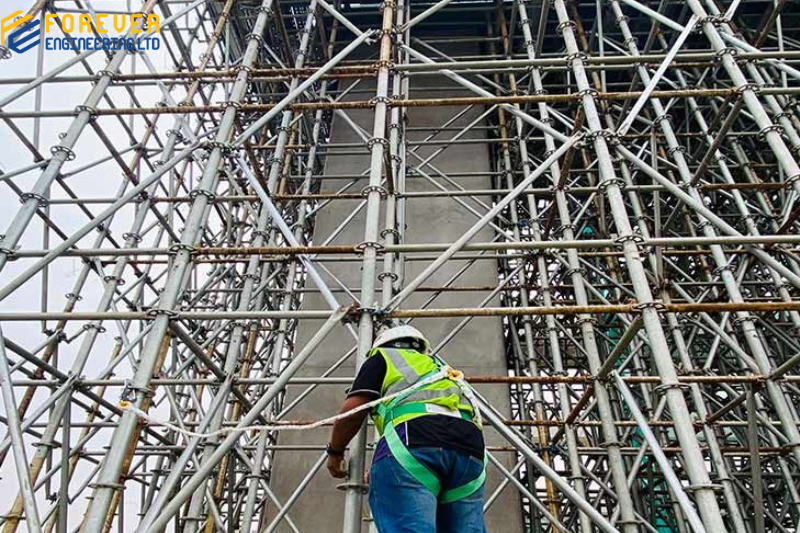
Contact Forever Engineering Ltd. for scaffolding requirements
Choosing between scaffolding rental and buying can affect your project budget, equipment availability, and long-term construction plans. Rental may suit short-term work or changing requirements, while buying may provide better value for companies that use the same equipment regularly.
Forever Engineering Ltd. can discuss your construction equipment requirements and help you explore suitable options based on your project needs.
- Phone: +880 1894 615871, +880 1894 615872
- Email: info@foreverengineeringltd.com
- Website: https://foreverengineeringltd.com/
Contact Forever Engineering Ltd. to discuss your project requirements and request a quotation for suitable construction equipment solutions.
Conclusion
Scaffolding rental vs. buying depends on project duration, equipment quantity, budget, storage capacity, maintenance responsibilities, and future construction demand. Renting can reduce the initial investment and suit short-term projects, while buying can offer long-term value when contractors use the equipment frequently. Before making a decision, compare rental charges with the complete cost of ownership. Include transport, storage, maintenance, equipment condition, and any additional fees. Also make sure the selected scaffolding system meets the project’s design and safety requirements.
Forever Engineering Ltd. can discuss your construction equipment requirements and provide information to help you plan your project. A clear equipment list and project schedule will make it easier to compare options and prepare a practical budget.
Frequently Asked Questions
What is the difference between scaffolding rental and buying?
Scaffolding rental means hiring equipment for an agreed period, while buying means purchasing and owning the equipment. Rental usually requires less initial investment, whereas buying may offer better value when the equipment is used regularly.
Is renting scaffolding cheaper than buying?
Renting may cost less for short-term projects because it avoids a large upfront purchase. For repeated or long-term use, buying may become more economical. The result depends on rental rates, purchase costs, maintenance, storage, and how often the equipment is used.
When should a contractor buy scaffolding?
Buying may suit contractors who need the same scaffolding system regularly, have sufficient storage space, and can manage maintenance and inspections. They should compare the total ownership cost with the expected rental cost before purchasing.
What costs should I include when comparing rental and buying?
Include rental charges, delivery, collection, purchase price, transport, storage, maintenance, repairs, replacement, and any relevant fees. Also consider how long the equipment will be used and whether it can be reused on future projects.
Which scaffolding types can contractors rent or buy?
Depending on supplier availability, contractors may rent or buy frame, cuplock, ringlock, tube-and-clamp, mobile, or suspended scaffolding. The correct system depends on the project design, work requirements, and safety conditions.
Does rented scaffolding still need inspection?
Yes. Rented scaffolding must be checked before use and inspected according to the applicable safety procedures. Contractors should confirm the equipment’s condition and follow the rental agreement and project safety requirements.
What should I check before renting scaffolding?
Check the equipment type, quantity, condition, rental period, delivery and collection charges, extension fees, damage conditions, and maintenance responsibilities. Make sure the equipment meets the project’s working and safety requirements.
Can buying scaffolding reduce long-term construction costs?
It can, especially when the company uses the equipment across several projects. However, savings depend on the purchase price, maintenance, storage, transport, replacement costs, and future demand.
How can Forever Engineering Ltd. help with scaffolding requirements?
Forever Engineering Ltd. can discuss construction equipment requirements, provide information about suitable options, and help clients request project-based quotations according to their needs.
How can I contact Forever Engineering Ltd.?
You can call +880 1894 615871 or +880 1894 615872, email info@foreverengineeringltd.com, or visit https://foreverengineeringltd.com/ to discuss your construction equipment requirements.