
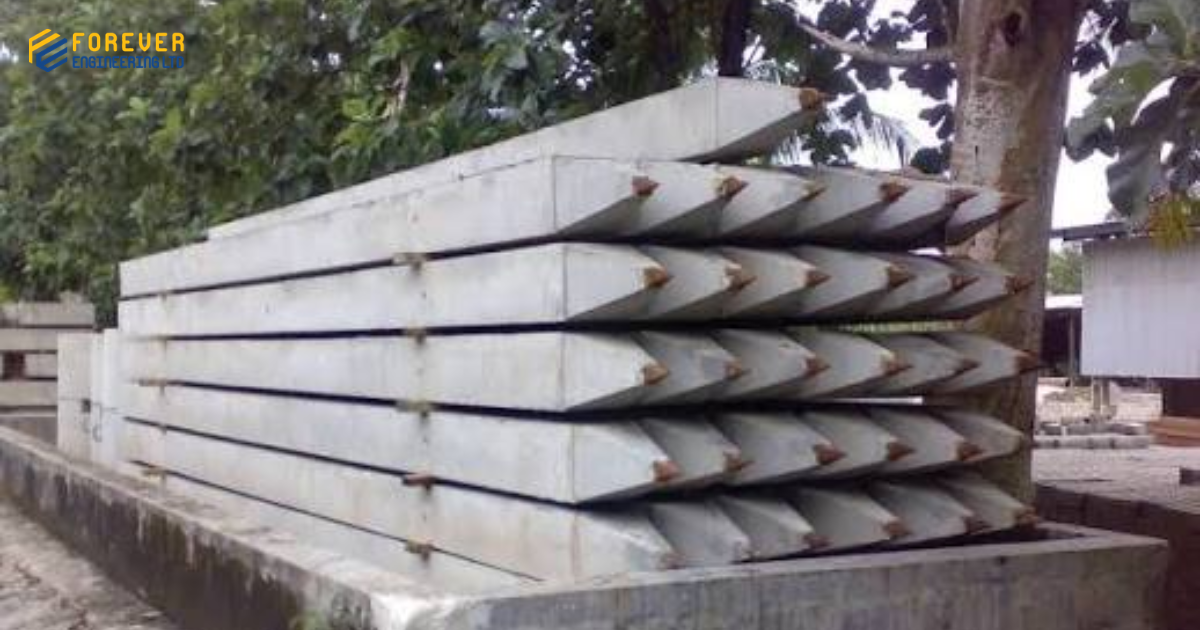
Precast pile curing is an important process that helps concrete piles develop strength and durability before transportation and installation. Proper curing keeps concrete moist and supports cement hydration, which helps the pile achieve the required strength. Without proper curing, precast piles may develop cracks, surface defects, or reduced durability.
Precast piles are widely used in building foundations, bridges, industrial structures, and infrastructure projects. Their quality depends on several factors, including concrete mix design, reinforcement, casting methods, curing conditions, and handling practices. A well-managed curing process helps ensure that piles meet the required quality standards before they reach the construction site.
Forever Engineering Ltd. supports construction and foundation project requirements in Bangladesh. Understanding the precast pile curing process helps contractors and project owners plan pile production, quality control, transportation, and installation more effectively.
What Is the Precast Pile Curing Process?
The precast pile curing process involves maintaining suitable moisture and temperature conditions after concrete casting so the concrete can gain strength. During this period, cement reacts with water through a process called hydration. This reaction helps the concrete develop its strength and durability.
Workers usually cast precast piles in prepared molds with the required reinforcement. After placing and compacting the concrete, they begin the appropriate curing method according to the concrete mix, production system, and project specifications. Curing time varies depending on the concrete mix, temperature, moisture conditions, pile dimensions, and curing method. A pile should not be lifted, transported, or installed until it reaches the strength required for that activity, as confirmed by the relevant quality-control procedures.
Why Is Precast Pile Curing Important?
Proper curing plays a major role in precast pile quality. It supports concrete strength development and helps reduce defects that may affect the pile during handling or service.
- Strength Development: Proper curing provides the moisture and conditions needed for cement hydration. This helps the concrete develop the strength specified in the project design.
- Crack Prevention: Maintaining suitable moisture conditions helps reduce the risk of early-age cracking caused by moisture loss and shrinkage. However, curing alone cannot prevent every type of crack.
- Improved Durability: Well-cured concrete can provide better resistance to environmental exposure when the concrete mix and construction practices also meet the required standards.
- Better Surface Quality: Proper curing supports a more consistent concrete surface and helps reduce defects caused by premature drying.
- Safer Handling: Piles must reach the specified handling strength before workers lift or transport them. Proper curing and strength testing help determine when the piles are ready.
- Reliable Foundation Performance: Consistent curing supports the quality of the finished pile, which is important for foundation construction and long-term structural performance.
What Are the Main Methods of Precast Pile Curing?
The suitable curing method depends on the concrete mix, production facility, available equipment, project requirements, and required production speed. Each method must provide appropriate conditions for the concrete to develop strength.
- Water Curing: Water curing keeps the concrete surface wet through controlled watering or other suitable methods. Workers must ensure that the concrete does not dry out during the required curing period.
- Wet Covering: Workers cover the concrete with suitable wet materials, such as wet hessian or other approved coverings, to reduce moisture loss. The coverings need regular checks to keep them sufficiently moist.
- Plastic Sheet Curing: Plastic sheets or suitable curing covers help reduce moisture evaporation from the concrete surface. Workers must place and secure the covers properly to limit moisture loss.
- Membrane Curing: A suitable curing compound forms a protective layer that reduces moisture evaporation. The compound must be compatible with the project requirements and any later surface treatment.
- Steam Curing: Some precast production facilities use controlled steam curing to accelerate early strength development. The temperature increase, holding period, and cooling process must follow an approved procedure to avoid damaging the concrete.
The production team should select the method according to the concrete mix design and applicable specifications. Faster curing does not automatically mean better long-term concrete quality, so temperature and moisture control remain important.
How Long Does Precast Pile Curing Take?
The curing time for precast piles depends on the concrete mix, ambient temperature, humidity, pile size, and curing method. There is no single curing period that applies to every pile.
Concrete commonly continues to gain strength over several days and weeks. A period of around 28 days is often used as a reference for specified concrete compressive strength, but this does not mean every precast pile must wait exactly 28 days before handling or installation. Some piles may reach the required handling strength earlier, while others may need more time.
Steam curing can accelerate early strength development when the process is properly controlled. However, the production team must confirm the required strength through the project’s approved testing and quality-control procedures.
Before lifting, transporting, or installing a pile, workers should check the specified strength requirement and relevant test results. They should not rely only on the number of days since casting.
What Factors Affect Precast Pile Curing?
Several factors influence how concrete develops strength during curing. Contractors and manufacturers should control these factors to maintain consistent pile quality.
- Concrete Mix Design: The cement type, water-cement ratio, aggregates, and approved admixtures influence hydration and strength development. The mix should meet the project specifications.
- Temperature: Temperature affects the rate of cement hydration. Very low or excessively high temperatures can interfere with strength development and may require special curing controls.
- Moisture Availability: Concrete needs suitable moisture for hydration. If the surface dries too early, strength development and surface quality may suffer.
- Curing Method: Water curing, wet coverings, membrane curing, and steam curing provide different levels of moisture and temperature control. The method should suit the production process.
- Pile Dimensions: Large pile sections may require additional temperature monitoring, especially when heat builds up inside the concrete. The curing plan should consider the pile’s size and shape.
- Concrete Quality: Correct batching, mixing, placing, and compaction affect the concrete before curing begins. Curing cannot correct every problem caused by a poor mix or improper casting.
- Handling Time: Lifting or moving a pile too early can cause cracks or damage. The pile should reach the specified strength before the relevant handling activity.
- Quality Control: Proper records, concrete test results, and curing inspections help confirm whether the pile meets the required standards.
What Is the Step-by-Step Precast Pile Curing Process?
A consistent curing procedure helps the production team maintain concrete quality from casting to final handling. The exact process should follow the approved mix design, production method, and project requirements.
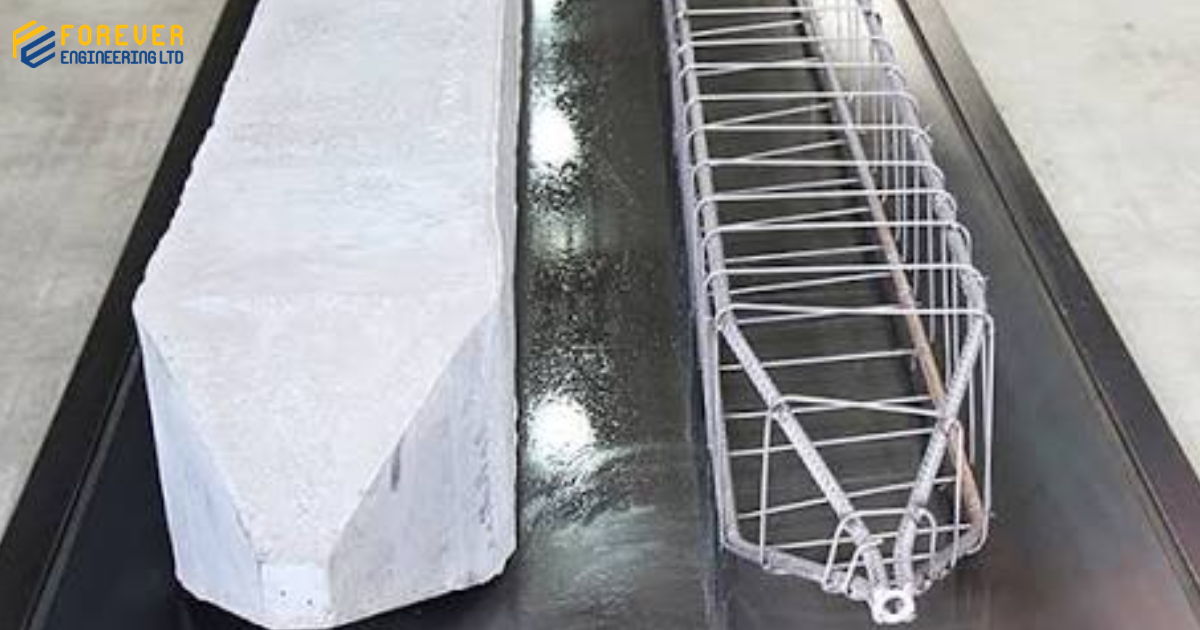
Step 1: Prepare the Mould: Clean the mould and check its dimensions, condition, and alignment before placing the reinforcement cage. Ensure that the mould and reinforcement arrangement match the approved drawings.
Step 2: Place the Concrete: Pour the approved concrete mix into the mould and compact it using the specified method. Proper placement and compaction help reduce voids and other concrete defects.
Step 3: Finish the Concrete Surface: Finish the exposed surface as required and protect the fresh concrete from rapid moisture loss, rain, or other conditions that could affect the early setting process.
Step 4: Begin the Curing Process: Apply the selected curing method at the appropriate time. Maintain suitable moisture and temperature conditions according to the approved procedure.
Step 5: Maintain Curing Conditions: Continue curing for the required period and inspect the concrete regularly. For water or wet-covering methods, ensure that the concrete does not dry out prematurely.
Step 6: Monitor Temperature When Required: For steam curing or large pile sections, monitor temperature according to the approved curing plan. Avoid uncontrolled heating and rapid cooling that may cause thermal damage.
Step 7: Check Concrete Strength: Review the required concrete test results and production records. Confirm that the pile has reached the specified strength for the next stage of work.
Step 8: Inspect the Finished Pile: Check the pile for visible cracks, surface defects, damaged edges, and other signs of poor quality. Record any defects and arrange an engineering review when necessary.
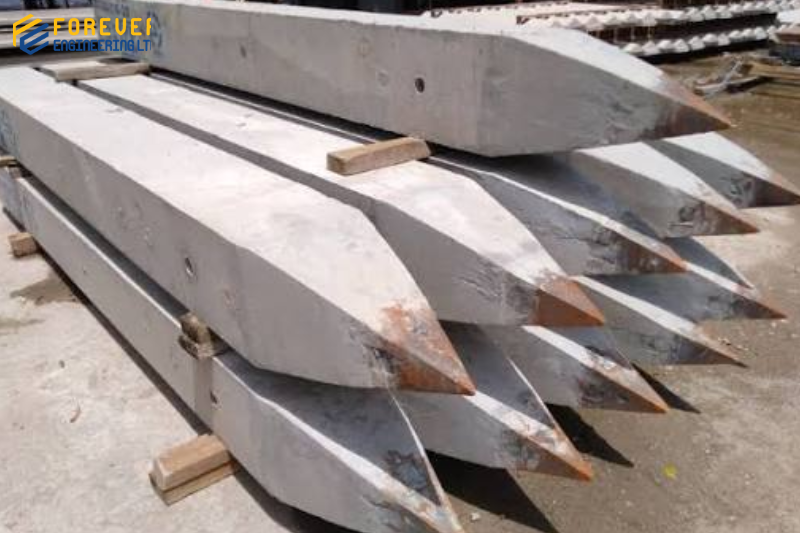
Step 9: Lift and Store the Pile Safely: Use the approved lifting points and handling method. Store the pile on suitable supports at the specified locations to prevent bending, cracking, or other damage.
Step 10: Prepare the Pile for Transportation: Confirm that the pile meets the required handling strength and that transportation arrangements will support it correctly. Protect the pile from damage during loading and delivery.
How Does Curing Affect Precast Pile Quality Control?
Quality control helps confirm that precast piles meet the required design and production specifications. Curing is one part of this process, alongside concrete testing, dimensional checks, reinforcement inspection, and proper handling. Manufacturers should maintain records of the concrete mix, casting date, curing method, curing conditions, and test results. These records help the production team identify problems and confirm when piles are ready for handling. Concrete strength tests should follow the applicable project requirements. Visual inspection can identify surface defects and visible cracks, but it cannot confirm the full internal quality or load capacity of a pile. Additional testing may be necessary when specified by the engineer.
Forever Engineering Ltd. can be approached to discuss foundation project requirements and the information needed when planning precast pile supply. Project owners should confirm the applicable quality-control requirements with the responsible engineer and supplier before accepting piles for construction.
What Problems Can Occur During Precast Pile Curing?
Poor curing conditions can affect concrete quality and may lead to defects that require further inspection or corrective action.
- Premature Drying: When the concrete loses moisture too quickly, it may develop surface cracking and reduced surface quality. Maintaining suitable moisture helps lower this risk.
- Insufficient Strength: Concrete may fail to reach the required strength if the mix, curing conditions, or production process does not meet the specifications. Test results should guide decisions about handling and use.
- Thermal Cracking: Uncontrolled temperature changes, particularly during accelerated curing, may create temperature differences within the concrete. An approved temperature-control procedure helps reduce this risk.
- Surface Defects: Poor compaction, unsuitable finishing, or inadequate curing may contribute to surface voids and other defects. The production team should identify the cause before deciding on corrective measures.
- Handling Damage: Lifting a pile before it reaches the required strength or using incorrect lifting points can cause cracks or breakage. Approved lifting procedures and strength checks help protect the pile.
- Inconsistent Quality: Differences in curing time, moisture, temperature, and production practices may cause variations between piles. Standard procedures and clear records help improve consistency.
If a pile shows serious cracks, unexpected deformation, or other significant defects, it should be reviewed by a qualified engineer before transportation or installation.
How Can You Improve Precast Pile Curing Quality?
Manufacturers and contractors can improve curing quality by controlling the production process and following consistent procedures.
- Follow the Approved Mix Design: Use the specified materials and concrete proportions. Changes to the mix should receive the required technical approval.
- Start Curing at the Correct Time: Begin curing according to the concrete mix and production method. Delayed curing can allow excessive moisture loss.
- Maintain Moisture: Use a suitable curing method and check that exposed surfaces remain protected during the required period.
- Control Temperature: Monitor temperature where required, particularly during steam curing or when large pile sections may develop significant internal heat.
- Train Production Workers: Make sure workers understand concrete placement, curing procedures, inspection requirements, and safe handling practices.
- Keep Accurate Records: Record casting dates, curing conditions, inspections, and test results. These records help trace the quality of individual piles.
- Inspect Before Handling: Check the pile’s condition and confirm the required strength before lifting, transporting, or installing it.
- Maintain Suitable Storage: Place piles on approved supports and follow the specified stacking and lifting arrangements to reduce the risk of damage.Why Is Precast Pile Curing Important for Construction Projects?
Precast pile curing supports the quality and reliability of foundation work. Piles must withstand lifting, transportation, installation, and the loads imposed during service. Proper curing helps concrete develop the strength and durability required by the project design.
For building, bridge, industrial, and infrastructure projects, consistent curing procedures can help reduce defects and improve production control. They also help the supplier provide records that show how the piles were produced and tested.
However, curing is only one part of pile quality. Reinforcement, concrete mix design, mould preparation, casting, dimensional accuracy, lifting, storage, and installation must also meet the applicable specifications.
How Does Forever Engineering Ltd. Support Foundation Projects?
Forever Engineering Ltd. supports construction and foundation project requirements in Bangladesh. When planning a precast pile project, clients should confirm the pile dimensions, design requirements, concrete specifications, reinforcement details, quality-control procedures, and delivery schedule.
Providing accurate project information helps the supplier understand the required pile specifications and delivery arrangements. Clients should also clarify the inspection records, testing requirements, handling conditions, and acceptance criteria before the piles arrive at the site.
For project-specific requirements, consult the responsible structural or geotechnical engineer and confirm that the proposed piles meet the approved foundation design.
Contact Forever Engineering Ltd. for Foundation Project Support
Planning precast pile work requires attention to concrete quality, curing, handling, transportation, and installation. Understanding these requirements helps contractors prepare for a more organized foundation project.
Contact Forever Engineering Ltd. to discuss your foundation project requirements and request relevant information about pile supply and planning. Share the project location, pile specifications, quantity, and delivery schedule so the requirements can be reviewed more clearly.
Conclusion
The Precast Pile Curing Process helps concrete piles develop the strength and durability required before handling, transportation, and installation. Suitable curing methods include water curing, wet coverings, plastic sheets, membrane curing, and controlled steam curing.
Curing time depends on the concrete mix, temperature, moisture, pile dimensions, and production method. Manufacturers should follow approved procedures, monitor curing conditions, review test results, and inspect piles before handling. Proper curing, combined with good casting and quality control, supports reliable precast pile production.
Forever Engineering Ltd. can be approached to discuss foundation project requirements and precast pile planning in Bangladesh. Always confirm pile strength, handling requirements, and acceptance criteria with the responsible engineer and supplier.
Frequently Asked Questions
1. What is the Precast Pile Curing Process?
The Precast Pile Curing Process involves maintaining suitable moisture and temperature conditions after casting so the concrete can develop strength and durability. The curing method depends on the concrete mix, production system, and project specifications.
2. How long does precast pile curing take?
Curing time depends on the concrete mix, temperature, moisture, and curing method. Around 28 days is commonly used as a reference for specified concrete strength, but piles may reach their required handling strength earlier or later. Testing and project requirements should guide the decision.
3. What are the common methods of precast pile curing?
Common methods include water curing, wet coverings, plastic sheet curing, membrane curing, and controlled steam curing. The suitable method depends on the production process and required concrete performance.
4. Why is curing important for precast piles?
Curing supports cement hydration and concrete strength development. It also helps reduce the risk of premature drying and related surface defects when performed correctly.
5. Can precast piles be transported before 28 days?
A pile may be transported before 28 days if it has reached the specified handling strength and meets the approved handling requirements. The decision should be based on the project specifications and relevant test results, not age alone.
6. Does steam curing improve precast pile production?
Controlled steam curing can accelerate early strength development and help production facilities shorten certain production stages. However, the temperature and curing cycle must be managed carefully to protect concrete quality.
7. What causes cracks in precast piles during curing?
Cracks may result from rapid moisture loss, temperature changes, unsuitable concrete, poor compaction, or other production problems. The cause should be assessed before the pile is accepted for use.
8. How can manufacturers check precast pile quality?
Manufacturers can review concrete test results, curing records, dimensions, reinforcement details, and visible surface conditions. Additional testing may be required by the project specification or responsible engineer.
9. Can poor curing affect foundation performance?
Poor curing can reduce concrete quality and may affect the pile’s ability to meet its specified requirements. Proper curing should be combined with suitable design, casting, handling, and installation procedures.
10. How can Forever Engineering Ltd. help with precast pile projects?
Forever Engineering Ltd. can be approached to discuss foundation project requirements, pile specifications, supply planning, and related project information. Clients should share their drawings and technical requirements to support a project-specific discussion.