
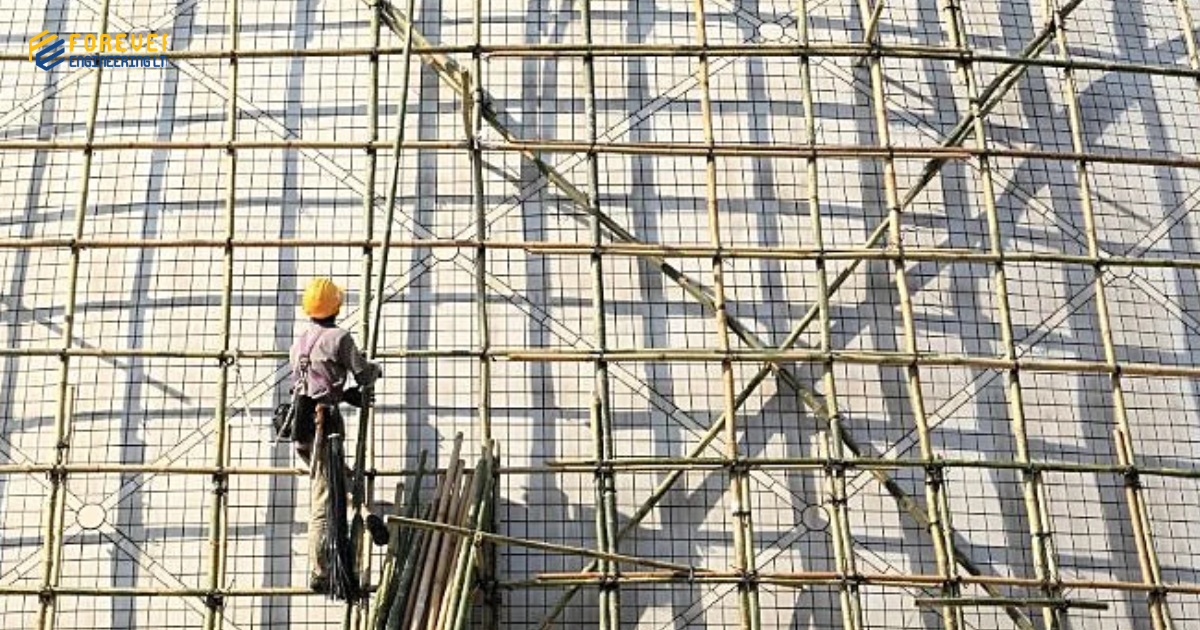
Scaffolding Rental in Bangladesh is a practical option for Bangladeshi construction companies, contractors, and building owners who need temporary working platforms for a limited period. Renting scaffolding helps construction teams access higher areas, support different work activities, and manage equipment costs without purchasing every component. Scaffolding is widely used in residential buildings, commercial projects, factories, renovation work, and large construction sites. The right scaffolding system depends on building height, load requirements, work type, site conditions, and project duration. Proper selection also helps workers perform their tasks more safely and efficiently.
Forever Engineering Ltd. supports construction and foundation-related project requirements in Bangladesh. Contractors planning scaffolding work can review their equipment needs, project duration, delivery arrangements, and safety requirements before requesting a rental quotation.

What Is Scaffolding Rental in Bangladesh?
Scaffolding rental means hiring temporary structures and related equipment for construction, repair, maintenance, painting, plastering, and other work at height. Instead of buying scaffolding for a single project, contractors can rent the required components for an agreed period. Rental arrangements may include scaffolding frames, steel tubes, braces, platforms, couplers, base plates, and other accessories, depending on the system and supplier. The rental price and availability depend on the equipment type, quantity, rental duration, delivery location, and project requirements.
Why Is Scaffolding Rental Important for Construction Projects?
Construction projects often need temporary access to elevated work areas. Renting suitable scaffolding can help contractors arrange the equipment they need without making a large initial purchase.
- Lower Initial Investment: Renting scaffolding reduces the need to purchase a complete equipment set before work begins. This can help contractors manage cash flow, especially when the project has a limited duration.
- Flexible Rental Period: Contractors can discuss rental terms based on the expected project schedule. This is useful when scaffolding is needed only for specific construction stages or temporary work.
- Suitable Equipment for Different Projects: Different scaffolding systems support different types of work. Contractors can select a suitable arrangement based on building height, work requirements, available space, and expected loads.
- Reduced Storage Responsibilities: Renting can reduce the need to store scaffolding equipment after a project ends. However, contractors should confirm who is responsible for collection, return transport, and any storage requirements during the rental period.
- Better Project Planning: Knowing the equipment quantity and rental period helps contractors organize work schedules and budgets. Early planning can also reduce delays caused by equipment shortages or late delivery.
What Types of Scaffolding Can Be Rented in Bangladesh?
The appropriate scaffolding system depends on the construction activity, required height, working conditions, and load requirements. Contractors should confirm the available system and its suitability before finalizing a rental arrangement.
- Frame and Brace Scaffolding: This system uses connected frames and diagonal braces to create a temporary working structure. It is commonly used for suitable building construction, plastering, painting, and maintenance tasks where the system meets the project requirements.
- Ringlock Scaffolding: Ringlock scaffolding uses connection points that allow compatible components to connect in different configurations. It can be useful for complex construction layouts and projects that need a flexible modular system.
- Cuplock Scaffolding: Cuplock scaffolding uses a cup-based connection system to secure compatible horizontal members to vertical standards. Contractors may consider it for building work and other projects where the system is suitable for the required layout and loads.
- Tube and Coupler Scaffolding: This system uses steel tubes connected by suitable couplers. It offers flexibility for different layouts, but it requires correct component selection, proper assembly, and inspection by competent personnel.
- Mobile Scaffolding: Mobile scaffolding uses a wheeled base and is designed for suitable tasks where the platform needs to move between work areas. The wheels must be secured during use, and the structure must be used within its approved limits.
- Shoring and Support Systems: Some construction activities require temporary support for formwork or other structural work rather than a standard access scaffold. Contractors should confirm whether a suitable shoring system is available and ensure it is designed for the intended loads.
What Factors Affect Scaffolding Rental Prices in Bangladesh?
Scaffolding rental prices vary according to equipment specifications and project conditions. There is no single rate that applies to every construction site, so contractors should provide accurate details when requesting a quotation.
- Type of Scaffolding: Different systems have different components, connection methods, and setup requirements. The selected system affects the equipment rate and the overall cost of arranging the scaffold.
- Quantity of Equipment: Larger projects may require more frames, tubes, platforms, braces, couplers, and accessories. The total rental cost depends on the quantity of each item and the supplier’s pricing structure.
- Rental Duration: The rental period can affect the total amount payable. Contractors should confirm whether the supplier charges by the day, week, month, or another agreed period.
- Building Height and Layout: Tall buildings and complicated structures may require additional components and more careful planning. The layout also affects the number of working levels and the type of access arrangement needed.
- Delivery and Transportation: The cost of moving scaffolding to and from the site depends on distance, equipment volume, vehicle requirements, and access conditions. Delivery and collection charges should be checked separately if they are not included in the quotation.
- Installation and Dismantling: Some rental arrangements cover equipment only, while others may include installation or dismantling services. Confirm the scope before comparing prices so that important labor costs are not overlooked.
- Site Conditions: Restricted access, uneven ground, limited storage space, and difficult unloading conditions can affect equipment handling and setup. These conditions should be explained to the supplier before delivery.
- Safety Accessories: Guardrails, access ladders, toe boards, base plates, and other components may be required depending on the scaffold design and work conditions. Confirm which accessories are included and which may carry separate charges.
How Can You Estimate Scaffolding Rental Costs?
A practical estimate starts with the amount of scaffolding required and the time it will remain on site. Contractors should calculate the expected rental period and identify additional costs before approving the budget.
Use this basic method:
Estimated Total Cost = Equipment Rental + Delivery and Collection + Installation and Dismantling + Other Applicable Charges
For example, if a contractor needs scaffolding for several building elevations, the contractor should first determine the required scaffold area, working height, system type, and rental period. The supplier can then estimate the equipment quantity and provide the applicable rates.
The quotation should explain the billing period, minimum rental term, payment conditions, damage policy, and charges for late return. Since actual rates depend on supplier terms and project requirements, request a current quotation instead of relying on an assumed market price.
What Equipment Is Included in a Scaffolding Rental Package?
A rental package can contain different components depending on the selected scaffolding system. Contractors should check the item list before accepting delivery to make sure the supplied equipment matches the approved plan.
- Frames or Standards: These form the main vertical structure of compatible scaffolding systems. The quantity and dimensions must match the required working height and scaffold configuration.
- Horizontal Members: Ledgers and other horizontal components connect the main structural members. They help form the scaffold arrangement according to the system design.
- Diagonal Braces: Braces help provide stability when correctly installed in the required positions. Their type and quantity should follow the manufacturer’s instructions and the scaffold design.
- Working Platforms: Platforms provide the surface on which workers perform their tasks. They must be suitable for the system, properly secured, and capable of carrying the intended loads.
- Base Plates and Adjustable Bases: These components help transfer scaffold loads to the supporting surface. They must be used with suitable foundations or sole boards where required by site conditions and the scaffold design.
- Guardrails and Toe Boards: These help reduce the risk of falls and prevent tools or materials from falling from platform edges. Their installation should follow applicable safety requirements and the approved scaffold arrangement.
- Access Ladders or Stair Units: Suitable access components provide a planned route between working levels. Workers should not climb the scaffold frame unless the system is specifically designed for that purpose.
- Couplers and Connectors: These components connect compatible scaffold tubes and structural members. The correct type and condition are important for secure assembly.
How to Choose the Right Scaffolding Rental Supplier in Bangladesh
Choosing a suitable supplier is important for equipment quality, delivery planning, and project coordination. Contractors should review more than the rental price before making a decision.
- Identify Your Project Requirements: Confirm the type of work, building height, expected loads, working levels, and project duration. These details help the supplier understand what equipment may be required.
- Select a Suitable Scaffolding System: Choose a system based on the construction layout, access needs, and approved design. The system must be suitable for the site rather than selected only because it has a lower rental rate.
- Prepare an Equipment List: Estimate the number of frames, tubes, platforms, braces, couplers, and accessories needed. A clear list helps reduce shortages and makes quotations easier to compare.
- Check Equipment Condition: Ask how the supplier inspects equipment before dispatch. Bent tubes, damaged platforms, cracked welds, defective connectors, or other damaged components should not be used.
- Confirm Delivery and Collection: Discuss delivery dates, unloading arrangements, vehicle access, and collection after the rental period. Clear arrangements help prevent delays when the construction team is ready to start or finish the work.
- Review Rental Terms: Confirm the rental period, payment schedule, extension policy, damage charges, and late-return conditions. Written terms help both parties understand their responsibilities.
- Confirm Installation Responsibilities: Ask whether assembly, inspection, alteration, and dismantling are included or must be arranged separately. These activities should be carried out by competent personnel following the scaffold design and applicable safety requirements.
- Request a Detailed Quotation: Provide the supplier with the equipment list, site location, rental period, and delivery requirements. A detailed quotation makes it easier to compare the full cost of different offers.
What Safety Measures Are Important When Using Rented Scaffolding?
Rented scaffolding must be suitable for the work and properly assembled before workers use it. Renting equipment does not remove the contractor’s responsibility to plan safe access, manage loads, and maintain the structure during the project.
- Use a Suitable Foundation: Scaffolding must stand on a stable surface that can support the expected loads. Base plates and sole boards should be used where required, and unstable materials should not be used to support the structure.
- Arrange Proper Assembly: Competent personnel should assemble and alter the scaffold according to its design and the manufacturer’s instructions. Improvised connections or missing components can affect stability.
- Install Edge Protection: Suitable guardrails, toe boards, and other fall-protection measures should be provided where required. Open edges and unsafe access points must be addressed before work begins.
- Check Working Platforms: Platforms should be properly supported, secured, and suitable for the intended load. Workers should not overload them with construction materials or equipment.
- Provide Safe Access: Use suitable ladders or stair access designed for the scaffold system. Access routes should remain clear of loose materials and other obstructions.
- Inspect Before Use: Check the scaffold after assembly and after any event that could affect its stability, such as severe weather or an impact. A competent person should carry out inspections at the required intervals.
- Control Unauthorized Changes: Workers should not remove braces, guardrails, platforms, or other structural components without authorization. Changes must follow the approved method and be checked before the scaffold is used again.
- Consider Nearby Hazards: Keep the scaffold away from unsafe contact with electrical lines and account for overhead hazards, moving vehicles, and nearby construction activities. Suitable clearance and protective measures should be planned.
Common Mistakes to Avoid When Renting Scaffolding
Poor rental planning can lead to extra costs, equipment shortages, and unsafe working conditions. Avoiding common mistakes helps construction teams manage the rental process more effectively.
- Choosing Only by Price: A low rate may exclude important components, delivery, or other services. Compare the complete quotation and check whether the equipment meets the project requirements.
- Underestimating Equipment Quantity: Ordering too few components can interrupt construction work and require additional deliveries. Prepare an equipment list based on the approved scaffold layout and work schedule.
- Ignoring Rental Duration: Keeping equipment longer than planned may increase the total cost. Include a realistic time allowance for construction delays and confirm how rental extensions are charged.
- Overlooking Transportation Charges: Delivery, unloading, and collection may not be included in the base rental rate. Confirm these costs before finalizing the budget.
- Using Damaged Components: Damaged or incompatible parts can create serious safety risks. Inspect the equipment at delivery and report defects before the components are assembled or used.
- Making Unapproved Changes: Removing components or changing the scaffold layout without proper assessment can affect stability. Any alteration should follow the approved design and be checked by competent personnel.
How Does Forever Engineering Ltd. Support Construction Equipment Requirements?
Forever Engineering Ltd. works with construction and foundation-related project requirements in Bangladesh. Contractors considering scaffolding rental can contact the company to discuss their project needs and clarify whether the required equipment or related support is available.
Before requesting a quotation, prepare the project location, type of construction work, required height, estimated quantity, rental duration, and any installation requirements. Providing these details helps the company understand the request and advise on the next steps. Availability, rental terms, installation services, and pricing should be confirmed directly with Forever Engineering Ltd. before including them in a project plan.
Why Plan Scaffolding Rental in Advance?
Early planning helps contractors coordinate equipment delivery with the construction schedule. It also provides more time to review access, equipment quantities, and safety requirements before workers need the scaffold.
- Better Scheduling: Advance booking can help align equipment delivery with the planned start of work. This reduces the risk of waiting for equipment when the site team is ready.
- More Accurate Budgeting: Early quotations allow contractors to account for rental charges, transportation, installation, and other applicable expenses. This helps project managers prepare a more realistic budget.
- Time for Safety Checks: Planning ahead allows the team to confirm that the equipment suits the project and that assembly and inspection responsibilities are clear. Problems can be addressed before work at height begins.
- Improved Site Coordination: Delivery and unloading can be arranged around other construction activities. This is especially useful on busy sites where space for equipment storage is limited.
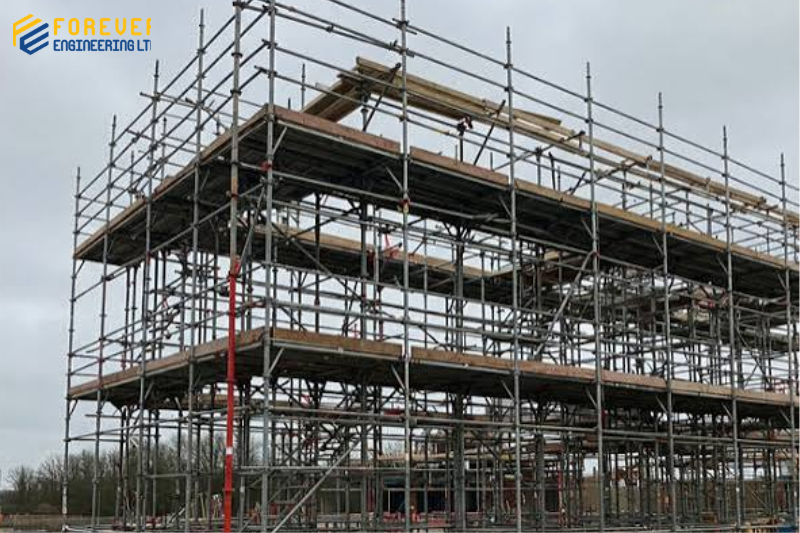
Contact Forever Engineering Ltd. for scaffolding rental requirements
Choosing the right scaffolding rental arrangement in Bangladesh requires careful planning of equipment type, quantity, rental duration, site access, and safety needs. A detailed quotation helps contractors understand the expected cost and the responsibilities included in the rental agreement.
If you are planning a residential, commercial, industrial, or infrastructure project, contact Forever Engineering Ltd. to discuss your construction equipment requirements and ask about available scaffolding solutions. Share your project details so the company can clarify availability, rental terms, and quotation requirements.
Conclusion
Scaffolding rental in Bangladesh can help construction companies access temporary working platforms without purchasing a complete equipment set. The right choice depends on project height, work type, load requirements, site conditions, equipment quantity, and rental duration. Contractors should compare detailed quotations, confirm delivery and collection arrangements, inspect equipment, and ensure that the scaffold is assembled and used safely. Proper planning can help control rental costs and reduce avoidable delays.
Forever Engineering Ltd. can be contacted to discuss construction equipment requirements and clarify available scaffolding solutions for your project in Bangladesh.
Frequently Asked Questions
1. What is scaffolding rental?
Scaffolding rental is the process of hiring temporary access equipment for construction, maintenance, painting, plastering, and other work at height. The rental period and equipment quantity depend on the project requirements.
2. How much does scaffolding rental cost in Bangladesh?
The cost depends on the scaffolding system, equipment quantity, rental period, delivery distance, installation requirements, and other applicable charges. Request a current quotation based on your project details to get an accurate estimate.
3. Which types of scaffolding can be rented?
Depending on supplier availability, options may include frame and brace, ringlock, cuplock, tube and coupler, and mobile scaffolding. The appropriate system depends on the work, site conditions, and required load capacity.
4. Is scaffolding rental better than buying?
Rental can be practical for short-term projects or occasional work because it reduces the need for a large initial purchase. Buying may be worth considering when a company uses compatible scaffolding equipment regularly across many projects.
5. What information is needed to request a scaffolding rental quotation?
Provide the project location, required working height, type of scaffolding, estimated equipment quantity, rental duration, delivery needs, and whether installation or dismantling is required. Drawings or site details can help clarify the requirements.
6. Does scaffolding rental include installation?
Not always. Some rental agreements cover equipment only, while others may include installation and dismantling. Confirm the included services and responsibilities before signing the agreement.
7. How long can scaffolding be rented?
The rental duration depends on the supplier’s terms and the project schedule. Confirm the minimum rental period, extension process, billing method, and any late-return charges before ordering.
8. What safety checks should be completed before using rented scaffolding?
Check the condition of the components, confirm that the scaffold has been assembled correctly, inspect the foundation and working platforms, and ensure that required edge protection and safe access are provided. A competent person should inspect the scaffold before use and as required during the project.
9. Can scaffolding be rented for high-rise construction?
Scaffolding may be used on high-rise projects when the system is properly designed for the required height, loads, access, and site conditions. The scaffold must be erected, inspected, and used according to the approved design and applicable safety requirements.
10. How can Forever Engineering Ltd. help with scaffolding rental?
You can contact Forever Engineering Ltd. to discuss your construction equipment requirements and ask about available scaffolding solutions. Confirm equipment availability, rental terms, services, and pricing directly with the company before making project arrangements.