
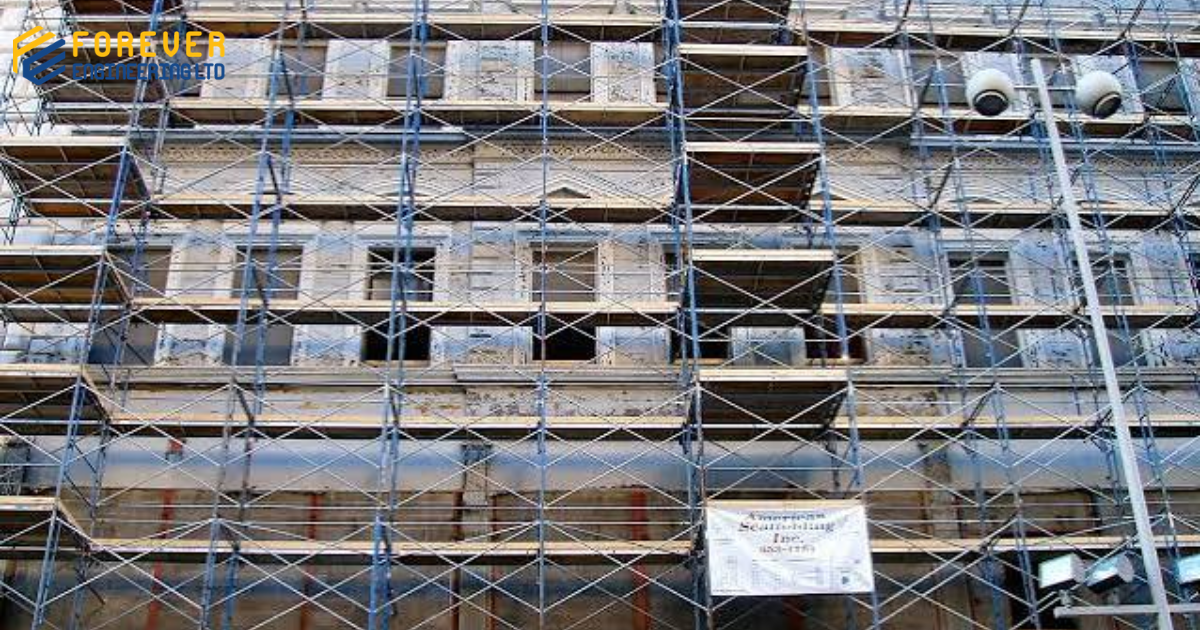
Choosing the right scaffolding supplier is important for construction projects that require safe working platforms, proper access, and reliable support systems. A good supplier should provide suitable scaffolding types, quality components, technical support, timely delivery, and safe solutions based on project requirements.
Before choosing a supplier, contractors should consider the project size, working height, load requirements, scaffolding type, rental or purchase needs, delivery, installation, and safety. Proper selection can help reduce delays, avoid unnecessary costs, and support safer construction work.
What Is a Scaffolding Supplier?
A scaffolding supplier provides scaffolding systems, components, accessories, and related services for construction projects. Depending on the supplier, services may include scaffolding sales, rental, delivery, installation, inspection, dismantling, and technical support.
Common scaffolding systems include frame, tube and clamp, cuplock, ringlock, kwikstage, suspended, and mobile scaffolding. The right system depends on the building type, working height, load, site conditions, and type of construction work.
Main Services Offered by a Scaffolding Supplier Include:
- Scaffolding Supply: Suppliers provide different scaffolding systems and components according to project requirements.
- Scaffolding Rental: Rental options are useful for temporary projects where buying the complete system may not be practical.
- Scaffolding Sales: Contractors can purchase scaffolding for long-term or repeated construction work.
- Delivery Service: Suppliers arrange transportation of scaffolding materials to the project site.
- Installation Support: Some suppliers provide trained workers for scaffolding erection and dismantling.
- Technical Support: Suppliers can help select suitable systems, quantities, components, and accessories.
- Safety Support: Reliable suppliers can provide safety components and guidance for proper scaffolding use.
Why Is Choosing the Right Scaffolding Supplier Important?
The quality and suitability of scaffolding can affect both worker safety and construction efficiency. A suitable supplier should understand the project’s working conditions and provide materials that match the required height, load, access, and work type.
Proper scaffolding selection also helps reduce the risk of using unsuitable components or missing important accessories. Bangladesh’s scaffolding training guidance includes planning, layout, material selection, engineering input, and load calculations as important parts of scaffolding work.
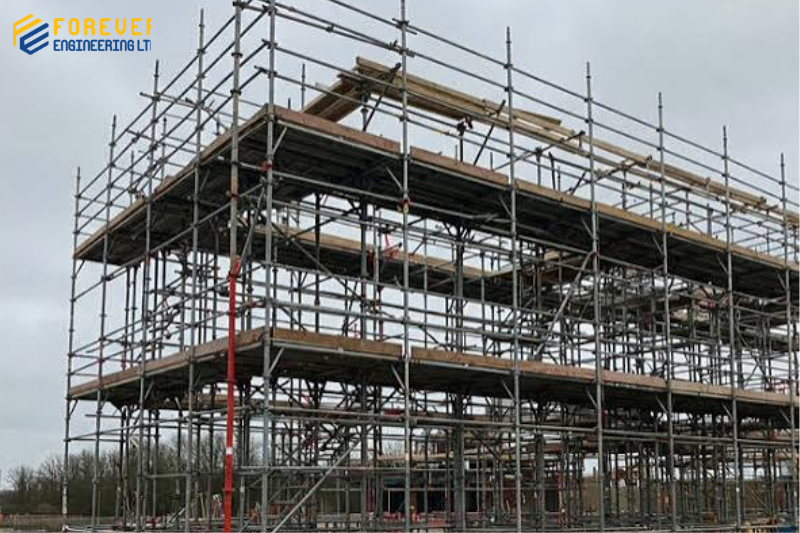
Proper Supplier Selection Helps With:
- Better Safety: Suitable scaffolding components provide a safer working platform when properly designed, erected, and used.
- Reliable Materials: A dependable supplier can provide properly selected and maintained scaffolding components.
- Project Efficiency: Having the right materials available on time can reduce construction delays.
- Better Cost Control: Proper planning helps prevent unnecessary purchases, rentals, and transportation costs.
- Technical Support: Experienced suppliers can help contractors understand their scaffolding requirements.
- Timely Delivery: Good supply planning helps keep construction activities on schedule.
- Correct System Selection: The supplier can help match the scaffolding system with the type of work and site conditions.
Scaffolding Solutions Offered by Forever Engineering Ltd.
Forever Engineering Ltd. provides scaffolding sales and rental solutions for construction projects in Bangladesh. The company supports different project requirements with scaffolding systems, accessories, technical assistance, and related services.
Forever Engineering focuses on selecting scaffolding according to project requirements rather than using one system for every construction site. The company’s scaffolding services include sales and rental solutions for different types of construction work.
What Types of Scaffolding Should a Supplier Provide?
A reliable supplier should have access to different scaffolding systems because construction projects have different requirements. The choice depends on building height, load, work type, site conditions, and project duration.
Common Scaffolding Types Include:
- Frame Scaffolding: Frame scaffolding is commonly used for building construction, plastering, painting, and other general work.
- Cuplock Scaffolding: Cuplock systems use connecting cups and components to create strong and flexible working structures.
- Ringlock Scaffolding: Ringlock systems provide flexible connections and can be used for complex construction structures.
- Tube and Clamp Scaffolding: Tube and clamp systems provide flexibility for projects with unusual shapes or difficult access areas.
- Kwikstage Scaffolding: Kwikstage systems are designed for quick assembly and can be used for different construction activities.
- Suspended Scaffolding: Suspended systems provide access to high-level building surfaces for activities such as painting, cleaning, and maintenance.
- Mobile Scaffolding: Mobile scaffolding uses wheels or casters and can be moved when work needs to be completed at different locations.
What Factors Should You Consider Before Choosing a Scaffolding Supplier?
Several factors should be checked before selecting a supplier. Comparing only the price may not provide the best result because scaffolding quality, availability, delivery, technical support, and safety also affect the overall project.
- Product Quality: Check whether the supplier provides strong and suitable scaffolding components for the required application.
- Scaffolding Types: Make sure the supplier can provide the type of system required for your project.
- Material Availability: Confirm that the required quantity and components are available when needed.
- Load Requirements: The supplier should understand the expected worker, material, and equipment loads.
- Project Height: Scaffolding requirements can change significantly with building height and access conditions.
- Site Conditions: Ground conditions, building layout, access, obstructions, and working areas should be considered.
- Supplier Experience: An experienced supplier may provide better support for complex construction requirements.
- Delivery Capacity: Check whether the supplier can deliver the required quantity to the project site on schedule.
- Installation Support: Ask whether the supplier provides erection, inspection, and dismantling support when required.
- Safety Components: Check the availability of guardrails, base plates, platforms, access systems, couplers, and other required accessories.
- Rental or Purchase Options: Choose a supplier that can provide the financial option that suits your project.
- Technical Support: Good technical support can help contractors select suitable scaffolding and avoid common planning problems.
What Should a Scaffolding Supplier Provide?
A reliable supplier should provide more than basic frames or tubes. A complete scaffolding system requires several components that work together to create a stable and usable structure.
Main Scaffolding Components Include:
- Standards: Vertical components transfer loads through the scaffolding structure.
- Ledgers: Horizontal members connect the vertical components and support the overall frame.
- Transoms: Transoms provide additional horizontal support for platforms and other components.
- Base Plates: Base plates help distribute loads at the bottom of the scaffolding.
- Couplers: Couplers connect tubes and other scaffolding members where required.
- Platforms: Platforms provide working areas for workers and materials.
- Guardrails: Guardrails help provide edge protection around working platforms.
- Access Ladders: Ladders or suitable access systems allow workers to safely reach different working levels.
- Braces: Bracing improves the stability of the scaffolding structure.
- Jacks: Adjustable jacks can help level and support suitable scaffolding systems.
How Can You Choose the Right Scaffolding Supplier?
Choosing a supplier should be based on your project requirements rather than price alone. First identify the work, then compare suppliers based on products, quality, availability, technical support, delivery, and overall service.
Follow These Steps:
- Define the Project: Identify the building type, work area, height, duration, and construction activities.
- Estimate the Load: Determine the expected weight of workers, tools, materials, and equipment that the scaffolding may need to support.
- Select the Scaffolding Type: Choose a suitable system based on the project design, working conditions, and access requirements.
- Check Supplier Products: Review the types, sizes, components, and accessories available from the supplier.
- Check Material Quality: Ask about the condition and quality of the scaffolding materials before placing an order.
- Compare Quantities: Make sure the supplier can provide enough components for the complete project.
- Ask About Delivery: Confirm the delivery schedule, transportation arrangements, and unloading requirements.
- Check Installation Support: Find out whether the supplier can provide trained workers for erection and dismantling.
- Review Safety Support: Confirm that the supplier can provide required safety components and technical guidance.
- Compare Pricing: Compare the total cost of materials, delivery, installation, rental duration, and other required services.
- Discuss Technical Requirements: Share drawings, measurements, working heights, and project details with the supplier.
- Confirm the Final Order: After checking all requirements, confirm the scaffolding type, quantity, delivery schedule, and service terms.
Scaffolding Supplier Applications in Construction
Scaffolding is used in many construction and maintenance activities. The required system depends on the type of work, height, load, building shape, and site conditions.
Common Applications Include:
- Building Construction: Scaffolding provides access for workers during different stages of building construction.
- High-Rise Construction: Suitable systems provide working access at greater heights.
- Brickwork: Scaffolding allows workers to reach elevated areas during brickwork.
- Plastering: Working platforms provide access to exterior and interior surfaces.
- Painting: Scaffolding provides stable access for painting walls and building surfaces.
- Formwork: Some scaffolding systems can support formwork and related construction activities.
- Industrial Construction: Scaffolding is used around factories, plants, warehouses, and industrial structures.
- Bridge Projects: Suitable systems can provide working access for bridge construction and maintenance.
- Building Maintenance: Scaffolding can support repair, cleaning, painting, and renovation work.
- Infrastructure Projects: Different scaffolding systems can support large civil construction activities.
- Temporary Access: Scaffolding can provide temporary working platforms and access areas where required.
How Can You Reduce Scaffolding Supply Costs?
Proper planning can help control scaffolding costs. Contractors should consider both the initial price and the complete project cost.
Consider These Factors:
- Select the Right System: Avoid choosing a system that is larger or more complex than the project requires.
- Calculate Quantity Carefully: Accurate quantity estimation helps prevent unnecessary purchases or rentals.
- Compare Suppliers: Compare product quality, delivery, technical support, and total pricing before making a decision.
- Plan Delivery: Proper delivery planning can reduce transportation delays and additional costs.
- Consider Rental: Rental may be suitable for short-term projects where purchasing is not economical.
- Consider Purchase: Buying can be useful for contractors who regularly use scaffolding on multiple projects.
- Avoid Unnecessary Accessories: Order accessories based on actual project requirements rather than buying unused components.
- Plan Storage: Proper storage reduces damage and helps maintain scaffolding components for future use.
- Coordinate Installation: Good coordination between delivery and erection can reduce idle time.
- Choose Durable Materials: Quality scaffolding can provide better long-term value and reduce replacement requirements.
How Does Forever Engineering Ltd. Support Scaffolding Projects?
Forever Engineering Ltd. provides scaffolding sales and rental services for construction projects. The company can help contractors identify suitable scaffolding solutions according to project requirements.
The right system depends on factors such as working height, construction activity, expected loads, site conditions, project duration, and access requirements. Proper planning helps ensure that the required components are available for the project.
Benefits of Choosing the Right Scaffolding Supplier
A reliable supplier can make scaffolding planning easier and help contractors maintain better control over their construction work.
Key Benefits Include:
- Quality Materials: Properly selected scaffolding can provide better performance during construction.
- Better Safety: Suitable components can support safer working conditions when properly designed and installed.
- Timely Supply: Reliable delivery helps reduce construction delays.
- Technical Assistance: Professional guidance can help contractors select suitable systems.
- Flexible Options: Sales and rental options can support different project budgets.
- Complete Components: A good supplier can provide the required accessories along with the main system.
- Cost Control: Better planning can reduce unnecessary material and transportation costs.
- Project Support: Supplier assistance can continue from selection through delivery and installation.
- Better Productivity: Proper working platforms can help workers complete tasks more efficiently.
- Long-Term Value: Quality scaffolding can be reused for future projects when properly maintained.
Safety When Working with a Scaffolding Supplier
Safety should be considered from the planning stage through installation, use, inspection, and dismantling. The scaffolding system should match the expected loads, work type, height, site conditions, and access requirements.
Important Safety Measures Include:
- Use Suitable Components: All components should match the selected scaffolding system and project requirements.
- Check Materials: Damaged, bent, cracked, or heavily corroded components should not be used.
- Prepare the Ground: The supporting surface should be suitable and stable for the scaffolding arrangement.
- Use Base Plates: Suitable base plates and supporting arrangements should be provided where required.
- Install Bracing: Proper bracing helps maintain scaffolding stability.
- Provide Guardrails: Working platforms should have suitable edge protection where required.
- Provide Safe Access: Workers should have safe and suitable access to each working level.
- Check Platforms: Platforms should be properly supported and arranged to reduce gaps and movement.
- Inspect Before Use: Scaffolding should be inspected after erection and before use according to project requirements.
- Control Loads: Do not place loads above the permitted capacity of the scaffolding system.
- Consider Weather: Strong wind, rain, or other weather conditions can affect scaffolding safety.
- Follow Safe Dismantling: Dismantling should be performed systematically by trained workers.
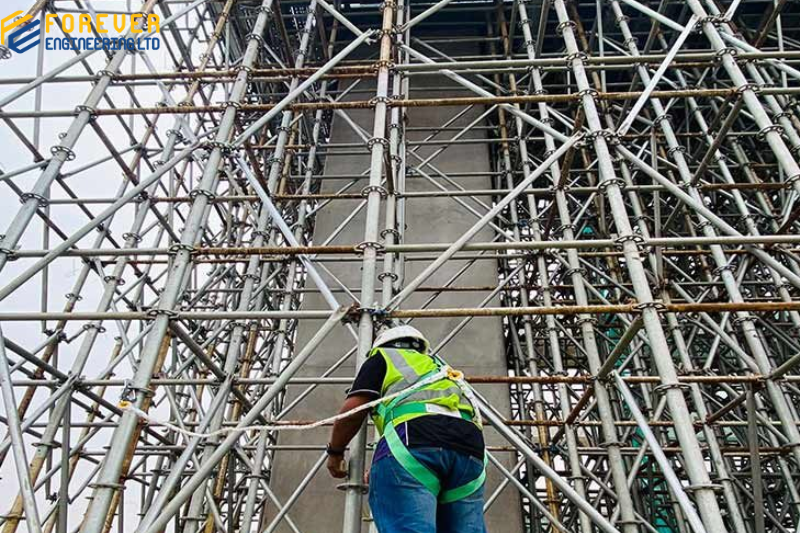
Why Choose Forever Engineering Ltd. as Your Scaffolding Supplier?
Forever Engineering Ltd. focuses on providing scaffolding solutions for construction requirements in Bangladesh. The company offers scaffolding sales and rental services and supports contractors with suitable solutions for different project needs.
Key Reasons to Consider Forever Engineering Ltd. Include:
- Scaffolding Sales and Rental: Flexible options are available for different project durations and requirements.
- Multiple Scaffolding Solutions: Different systems can be considered according to project needs.
- Technical Support: The company can help contractors understand scaffolding requirements.
- Safety Focus: Safety is considered an important part of scaffolding planning and use.
- Project-Based Solutions: Scaffolding can be selected according to project size, work type, and site conditions.
- Construction Experience: Experience with construction support systems helps with project planning.
- Reliable Service: Proper coordination can help contractors manage supply and delivery requirements.
Contact Forever Engineering Ltd. for a Reliable Scaffolding Supplier
If you are looking for a reliable scaffolding supplier for a construction project in Bangladesh, choosing the right materials and services is important. Forever Engineering Ltd. can help you discuss scaffolding sales, rental, project requirements, and suitable solutions.
Contact Forever Engineering Ltd. for project consultation, scaffolding requirements, pricing, and a free quotation.
Phone: +880 1894 615871 / +880 1894 615872
Email: info@foreverengineeringltd.com
Conclusion
Choosing the right scaffolding supplier is an important step for safe and efficient construction work. Contractors should consider scaffolding quality, system type, load capacity, working height, site conditions, availability, delivery, installation support, safety components, and total project cost before making a decision.
A reliable supplier should provide suitable scaffolding systems and support the project from material selection through delivery and installation. Proper planning can help reduce delays, improve worker access, control costs, and support safer construction.
Forever Engineering Ltd. provides scaffolding sales and rental solutions for construction projects in Bangladesh. Contractors can discuss their project requirements and select a suitable scaffolding solution based on the work conditions.
Frequently Asked Questions
1. What should I look for in a scaffolding supplier?
Look for product quality, suitable scaffolding types, material availability, delivery capacity, technical support, safety components, installation support, and reasonable total pricing.
2. Which type of scaffolding is best for construction?
The best type depends on the project height, load, work type, site conditions, building design, and project duration. Frame, cuplock, ringlock, tube and clamp, kwikstage, mobil