

Sheet pile installation is an important part of construction projects that require excavation support, soil retention, temporary ground support, or water control. Properly installed sheet piles help control soil movement, support excavation sides, and reduce risks to workers, nearby buildings, roads, utilities, and other structures.
The installation depends on several site conditions, including soil type, installation depth, groundwater level, underground obstructions, sheet pile section, installation equipment, pile length, and site access. Contractors and engineers must study these conditions before selecting the right sheet pile and installation method.
Forever Engineering Ltd. provides sheet pile solutions for excavation support and construction projects in Bangladesh. The company can support contractors and project owners with sheet pile supply, installation, driving, and project requirements.
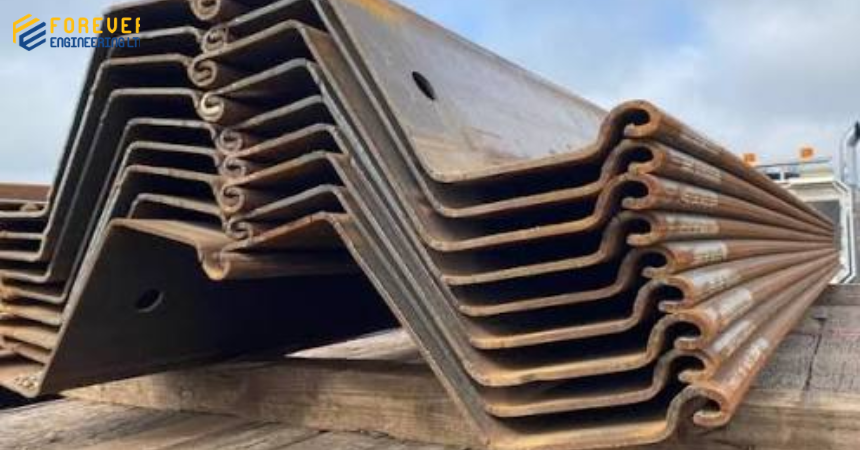
What Is Sheet Pile Installation?
Sheet pile installation is the construction process of driving or pressing sheet piles into the ground to create a continuous wall for soil retention, excavation support, or water control. Sheet piles are connected through interlocks to create a continuous barrier.
The installation process determines the final pile position, depth, alignment, interlock connection, and wall continuity. Contractors also need to consider driving resistance, equipment capacity, groundwater, vibration, nearby structures, and underground obstructions.
Main Factors That Affect Sheet Pile Installation Include:
- Soil Conditions: Soil type, density, strength, and layering affect the resistance encountered during pile installation. Different ground conditions may require different installation equipment and methods.
- Installation Depth: The required pile depth affects the equipment capacity and installation time. Longer piles may require additional planning for handling, lifting, positioning, and driving.
- Groundwater Level: Groundwater can affect soil behavior and create additional difficulties during installation. Water conditions should be reviewed before installation and monitored duringconstruction.
- Underground Obstructions: Concrete, old foundations, rocks, buried utilities, and other objects can stop pile installation. Potential obstructions should be identified through available site information before work begins.
- Installation Equipment: Vibratory hammers, impact hammers, and hydraulic presses have different installation capabilities. The equipment should be selected according to soil conditions, pile type, depth, and project requirements.
- Pile Alignment: Correct alignment helps maintain the planned position of the sheet pile wall. Poor alignment can affect interlocks, wall continuity, and the final excavation arrangement.
- Pile Condition: Damaged sheet piles or interlocks can create installation and connection problems. Piles should be inspected before installation to identify visible damage or deformation.
- Site Access: Limited working space can affect cranes, piling equipment, and material handling operations. Access conditions should be reviewed before selecting equipment and planning the installation sequence.
Why Is Proper Sheet Pile Installation Important?
Proper sheet pile installation helps create a stable and continuous wall before excavation or other construction activities begin. Contractors can identify possible installation difficulties, soil resistance, groundwater conditions, and site restrictions during the planning stage.
Sheet piles depend on proper penetration and interlock connection to perform as intended, while installation equipment and procedures must be selected according to actual site conditions.
Proper Planning Helps With:
- Reducing Installation Problems: Early planning helps identify difficult soil, underground obstructions, and equipment limitations. This can reduce unexpected delays and allow contractors to prepare suitable installation methods.
- Maintaining Wall Alignment: Proper guides and installation procedures help maintain the planned sheet pile wall line. Good alignment also helps adjacent piles connect properly through their interlocks.
- Achieving Required Depth: Suitable equipment and proper installation procedures help piles reach the required penetration. Monitoring installation depth helps confirm that the planned pile length is being achieved.
- Reducing Pile Damage: Proper handling and controlled driving can reduce damage to sheet pile sections and interlocks. Inspecting piles before installation can also help identify unsuitable sections early.
- Controlling Ground Movement: Appropriate installation methods can help manage disturbance to the surrounding ground. This is particularly important when sheet piles are installed close to existing structures.
- Protecting Nearby Structures: Installation planning should consider buildings, roads, utilities, and other nearby facilities. Suitable equipment and controlled installation can help manage vibration and ground movement.
- Managing Underground Obstructions: Reviewing available site information can help identify possible underground obstacles. Early identification allows the installation team to prepare appropriate procedures for difficult areas.
- Selecting Suitable Equipment: Equipment should match the sheet pile size, soil conditions, and required installation depth. Proper equipment selection can improve installation performance and reduce unnecessary delays.
- Improving Construction Efficiency: A planned installation sequence helps organize equipment, labor, materials, and working areas. This can help contractors complete installation activities more efficiently.
- Supporting Construction Safety: Proper planning establishes suitable procedures for lifting, driving, access, and working around piling equipment. It also helps workers understand their responsibilities during installation activities.
Sheet Pile Installation Solutions Offered by Forever Engineering Ltd.
Forever Engineering Ltd. provides sheet pile solutions for excavation support, foundation projects, retaining walls, cofferdams, marine works, and other construction requirements.
The company can help clients select suitable sheet piles according to project conditions, excavation requirements, soil conditions, and installation needs. Its services can include sheet pile supply, installation, driving, and technical support for construction projects. A suitable installation method should be based on actual project conditions rather than using the same equipment or installation procedure for every project.
What Factors Affect Sheet Pile Installation?
Several technical and site conditions can affect the installation of a sheet pile wall. Contractors and engineers need to review these factors before finalizing the installation method.
- Soil Type: Clay, sand, silt, gravel, and layered soil can produce different driving resistance during installation. Understanding the soil profile helps contractors select suitable equipment and installation procedures.
- Soil Strength: Dense or strong soil can increase resistance and make pile penetration more difficult. The expected soil resistance should be considered when selecting the installation equipment.
- Installation Depth: Deeper piles may require greater equipment capacity and longer installation time. The required penetration should be established before selecting pile length and installation equipment.
- Groundwater Level: Groundwater can affect soil behavior and create water flow around the installation area. Water conditions should be included in the installation plan and monitored throughout construction.
- Underground Obstructions: Rocks, concrete, old foundations, buried structures, and utilities can prevent piles from reaching the required depth. Available site records and investigations should be reviewed to identify potential obstructions.
- Sheet Pile Section: The profile, thickness, length, steel grade, and condition affect handling and installation requirements. The selected sheet pile should be suitable for both the project design and installation conditions.
- Installation Equipment: Vibratory hammers, impact hammers, hydraulic presses, and other equipment provide different installation capabilities. Equipment should be selected according to pile characteristics, soil conditions, and required depth.
- Pile Alignment: Incorrect positioning can cause deviation from the planned wall line and affect interlock connections. Guide frames and proper installation procedures can help maintain the required alignment.
- Interlock Condition: Damaged, blocked, or improperly connected interlocks can affect wall continuity. Interlocks should be inspected before installation and checked as adjacent piles are connected.
- Vibration and Noise: Pile driving can produce vibration and noise that may affect nearby buildings and sensitive facilities. The installation method should consider surrounding conditions and applicable project requirements.
- Site Restrictions: Limited working space, nearby structures, overhead utilities, and access limitations can affect installation arrangements. Equipment and material handling plans should be developed around the available site conditions.
- Installation Sequence: The order of pile positioning, guiding, driving, and connection can affect installation quality. A suitable sequence helps maintain alignment and reduce delays during sheet pile installation.
What Is Included in Sheet Pile Installation Planning?
A complete sheet pile installation plan can include several engineering and construction considerations.
Main Installation Planning Items Include:
- Site and Soil Condition Review: Review available soil information, groundwater conditions, and ground characteristics before installation. This information helps determine expected installation resistance and possible construction difficulties.
- Sheet Pile Section Assessment: Review the selected pile profile, length, thickness, and condition before mobilization. The pile should be suitable for the project requirements and installation method.
- Pile Length and Installation Depth Assessment: Determine the required pile length and penetration before installation begins. This helps ensure the piles can reach the required depth under expected ground conditions.
- Groundwater Assessment: Review groundwater levels and possible water movement around the installation area. Water conditions can affect soil behavior and should be included in construction planning.
- Underground Obstruction Review: Identify known utilities, old foundations, concrete, rocks, and other underground objects. This can help reduce unexpected refusal and installation delays.
- Installation Equipment Selection: Select suitable hammers, presses, cranes, and other equipment for the project. Equipment capacity should match the pile characteristics and expected soil resistance.
- Site Access Assessment: Review access routes, working areas, lifting zones, and equipment positioning. Adequate access helps maintain safe and efficient piling operations.
- Pile Handling and Lifting Planning: Establish suitable procedures for transporting, lifting, and positioning sheet piles. Proper handling helps reduce pile damage and supports safer installation.
- Pile Alignment Planning: Establish the required wall line and prepare suitable guides or templates. Accurate alignment helps maintain wall continuity and proper interlock connection.
- Installation Sequence Planning: Determine the order in which sheet piles will be positioned and installed. A planned sequence can help reduce deviation and improve installation efficiency.
- Vibration and Noise Assessment: Consider potential vibration and noise from the selected installation equipment. This is particularly important where buildings, roads, utilities, or sensitive facilities are nearby.
- Pile Depth and Position Monitoring: Monitor pile position, verticality, and final installation depth during construction. Regular checks help identify installation problems before they affect the entire wall.
- Safety and Construction Planning: Establish safe procedures for lifting, piling equipment, workers, access, and site operations. The installation should follow the approved construction and safety requirements.
The installation plan should consider both structural and construction requirements. For example, contractors need to confirm that the selected equipment has adequate capacity for the soil conditions and that the installation procedure can achieve the required pile depth and alignment.
How Can You Complete Sheet Pile Installation?
A systematic approach helps contractors develop a suitable installation process for the project.
Follow These Steps:
- Review the Project Requirements: Determine excavation size, depth, location, construction purpose, required pile length, and support period. This information provides the basis for selecting suitable sheet piles and installation procedures.
- Conduct a Soil Investigation: Study soil layers, groundwater, soil strength, hard layers, and available geotechnical information. The results help contractors understand expected driving resistance and possible installation problems.
- Check Underground Conditions: Identify potential utilities, old foundations, concrete, rocks, and other underground obstructions. Knowing these conditions in advance can help reduce unexpected pile refusal during installation.
- Select Sheet Pile Profile: Choose a suitable Z-type, U-type, or other sheet pile profile based on project requirements. The selected profile should be suitable for the design, handling requirements, and installation conditions.
- Select Installation Equipment: Determine whether a vibratory hammer, impact hammer, hydraulic press, or another method is appropriate. Equipment selection should consider soil resistance, pile size, installation depth, and site restrictions.
- Prepare the Working Area: Confirm that piling equipment, cranes, lifting operations, and workers have sufficient working space. The working platform should also provide suitable conditions for safe equipment operation.
- Set the Sheet Pile Alignment: Establish the required wall line and use suitable guides or templates to control pile position. Accurate positioning helps maintain wall alignment and proper interlock connection.
- Start Sheet Pile Installation: Position and drive or press the sheet piles according to the approved installation procedure. Installation should be controlled to maintain pile position, verticality, and interlock connection.
- Monitor Driving Resistance: Observe installation depth and resistance to identify hard layers or underground obstructions. Unexpected changes in resistance should be reviewed before continuing with excessive driving force.
- Check Pile Alignment: Review the position and verticality of each sheet pile during installation. Early correction can help prevent cumulative deviation along the completed sheet pile wall.
- Inspect Interlocks and Depth: Confirm that piles are properly connected and have reached the required installation depth. Regular checks help ensure wall continuity and compliance with project requirements.
- Prepare the Installation Records: Record pile position, installation depth, equipment used, and unusual ground conditions. Accurate records help contractors monitor progress and document installation activities.
Sheet Pile Installation Applications in Construction
Sheet pile installation is used in many projects where excavation, soil retention, water control, or temporary ground support requires a continuous wall.
Common Applications Include:
- Deep Building Excavations: Supports excavation for basement and deep foundation construction. Sheet piles can help retain surrounding soil where excavation depth and limited space require support.
- Basement Construction: Helps retain surrounding soil around basement excavations. The sheet pile wall can provide temporary support while foundation and basement work is carried out.
- Foundation Construction: Provides temporary support during foundation and structural work. Sheet piles can help maintain excavation stability where conventional sloped excavation is not practical.
- Bridge Projects: Supports excavations around bridge foundations, abutments, and related structures. Sheet piles can also be used for temporary works associated with bridge construction.
- Road Construction: Helps protect excavation areas near roads and traffic. Proper installation can help separate excavation activities from nearby road infrastructure.
- Utility Installation: Supports trenches for pipelines, drainage systems, cables, and underground services. Sheet piles can provide vertical excavation support where space for sloped sides is limited.
- Sewage Projects: Provides excavation support for treatment plants, pumping stations, and underground structures. Sheet piles can help maintain stable excavation sides during underground construction.
- Marine Construction: Supports construction work near rivers, ports, jetties, and waterfront areas. Sheet piles can be used for temporary or permanent soil retention in water-related projects.
- Cofferdam Construction: Creates temporary barriers for construction work in or near water. The sheet pile wall can help separate the work area from surrounding water where suitable.
- Retaining Structures: Helps retain soil where vertical space is limited. Sheet pile walls can provide a practical retaining solution for certain site conditions.
- Infrastructure Projects: Supports excavation for large civil construction and infrastructure works. Applications can include roads, bridges, drainage systems, utilities, and other major projects.
How to Improve Sheet Pile Installation Efficiency
A good installation process should achieve the required pile depth and alignment without unnecessary equipment use, material damage, or construction delays. Contractors can improve project efficiency by reviewing site conditions carefully before installation.
Consider These Factors:
- Use Accurate Soil Data: Reliable soil information helps contractors understand expected driving resistance and select suitable installation equipment. Accurate ground data can also help identify difficult layers and potential installation problems.
- Select the Right Sheet Pile: Avoid selecting a section based only on thickness or length. Project requirements, structural needs, handling conditions, and installation methods should guide the selection.
- Select Suitable Equipment: The installation equipment should have sufficient capacity for the sheet pile size and soil conditions. Proper equipment selection can improve installation performance and reduce unnecessary delays.
- Plan Installation Sequence: A suitable pile installation sequence can improve alignment and reduce installation problems. Planning the sequence in advance also helps organize labor, equipment, and material movement.
- Check Underground Conditions: Review available site information and identify potential obstructions before starting sheet pile installation. Early investigation can help contractors prepare suitable solutions for difficult ground conditions.
- Control Vibration: Consider nearby buildings, roads, utilities, and sensitive structures when selecting the installation method. Suitable equipment and monitoring can help manage potential effects from piling operations.
- Monitor Installation: Regular monitoring can help identify pile deviation, refusal, damaged interlocks, or unexpected ground conditions. Early identification allows the installation team to address problems before they affect more piles.
- Maintain Installation Records: Record pile depth, position, equipment, and installation conditions throughout the work. Accurate records help contractors monitor quality, progress, and unusual installation conditions.
How Is Sheet Pile Installation Supported by Forever Engineering Ltd.?
Forever Engineering Ltd. supports construction projects with sheet pile supply and installation solutions. The company can work with project requirements to identify suitable sheet pile options for excavation support and related construction work. The team can consider excavation depth, soil conditions, project requirements, installation methods, equipment needs, and other site factors when supporting sheet pile projects.
For projects that require sheet pile installation, proper planning before construction can help contractors manage sheet pile quantities, equipment, installation sequence, site access, and project requirements more effectively.
Benefits of Proper Sheet Pile Installation
A suitable installation process provides several benefits during excavation and construction.
Key Benefits Include:
- Better Wall Alignment: Proper installation procedures help maintain the planned sheet pile wall position. Accurate alignment also helps adjacent piles connect properly through their interlocks.
- Improved Excavation Support: Correctly installed sheet piles can provide the intended soil retention and excavation support. Proper installation helps the designed system perform according to project requirements.
- Reduced Soil Movement: A properly installed continuous wall can help control lateral soil movement where designed for this purpose. This can be important when excavation work is carried out near existing structures.
- Protection of Nearby Structures: Controlled installation can help reduce construction impacts on surrounding buildings, roads, utilities, and facilities. Site conditions and suitable installation methods should be considered before work begins.
- Better Groundwater Management: Sheet pile walls can also act as cut-off barriers where suitable for the site conditions. The actual groundwater control approach depends on soil conditions and project requirements.
- Reduced Pile Damage: Proper equipment and installation procedures can help reduce damage to sheet pile sections and interlocks. Inspection and controlled handling can further reduce material-related problems.
- Better Construction Planning: Engineers and contractors can plan equipment, installation stages, and excavation activities before work begins. This helps organize the project and reduce unexpected installation delays.
- Efficient Equipment Use: Suitable equipment selection can help reduce unnecessary installation time and equipment requirements. The equipment should match the pile size, soil conditions, and required installation depth.
- Suitable for Different Projects: Sheet pile installation can support buildings, bridges, marine works, utilities, cofferdams, and infrastructure projects. The appropriate pile type and installation method depend on each project’s actual conditions.
- Improved Project Control: Installation records and monitoring help contractors organize materials, equipment, labor, and construction activities. This provides better information for managing installation progress and project requirements.
Safety During Sheet Pile Installation
Safety should remain an important part of every sheet pile installation project. Proper equipment selection alone is not enough if the approved installation procedure and safety requirements are not followed.
Important Safety Measures Include:
- Conduct a Proper Site and Soil Investigation: Review ground conditions and available geotechnical information before installation. This helps identify potential soil, groundwater, and obstruction-related risks.
- Check Nearby Buildings, Roads, Utilities, and Structures: Identify surrounding facilities that may be affected by piling operations. Special attention should be given to sensitive structures and underground services.
- Confirm the Working Platform: Ensure the working area is suitable and stable for piling equipment. A suitable platform helps reduce equipment instability and operational risks.
- Inspect Sheet Piles and Interlocks: Check piles for visible damage before handling and installation. Damaged sections should be reviewed before being used in the wall.
- Use Suitable Lifting Equipment: Make sure cranes, lifting accessories, and handling equipment are suitable for the sheet pile sections. Proper lifting procedures help reduce the risk of dropped or uncontrolled loads.
- Install Sheet Piles According to the Approved Method: Follow the planned installation sequence and construction requirements. Changes to the installation method should be reviewed when unexpected conditions occur.
- Use Appropriate Alignment Guides: Maintain proper sheet pile position during installation.
Guides can help reduce deviation and improve interlock connection. - Keep Workers Away From Suspended Loads: Workers should not remain beneath or close to suspended sheet piles. A controlled lifting area should be maintained during pile handling.
- Monitor Vibration and Ground Movement: Monitor conditions where nearby structures or sensitive facilities may be affected. Unexpected movement or vibration should be investigated before continuing work.
- Do Not Exceed Equipment Capacity: Operate piling and lifting equipment within approved capacity limits. Overloading equipment can create serious risks to workers, piles, and surrounding property.
- Provide Safe Access and Exit Routes: Workers should have safe routes around the installation and excavation area. Access routes should remain clear and suitable throughout construction.
- Use Appropriate Personal Protective Equipment: Workers should use PPE suitable for the construction activities. Required PPE may include helmets, safety footwear, high-visibility clothing, gloves, and other project-specific equipment.
- Stop Work During Dangerous Conditions: Stop installation if unexpected ground movement, obstruction, equipment failure, or other dangerous conditions occur. Work should resume only after the condition has been assessed and appropriate controls are established.
Groundwater and difficult soil conditions can create additional risks during installation, so site conditions should be monitored and included in the construction assessment.
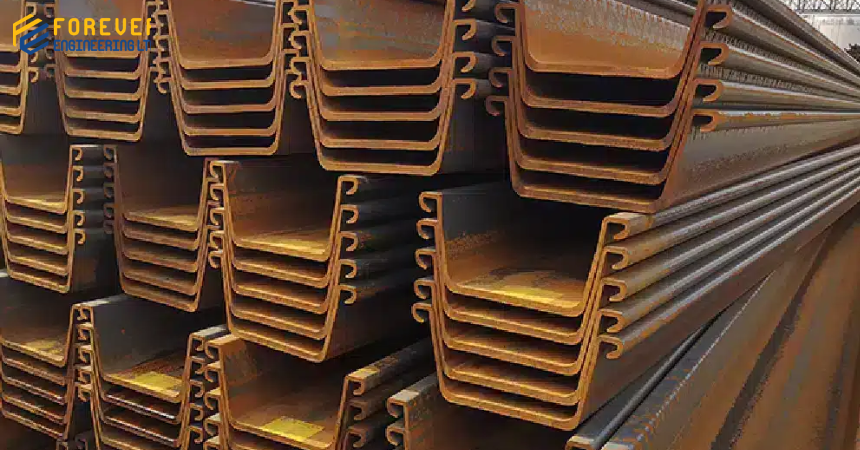
Why Choose Forever Engineering Ltd. for Sheet Pile Installation Solutions?
Forever Engineering Ltd. provides sheet pile supply and installation support for construction and excavation projects in Bangladesh. The company focuses on practical sheet pile solutions based on project requirements.
Key Reasons to Consider Forever Engineering Ltd. Include:
- Sheet Pile Supply: Sheet piles can be supplied for construction, excavation support, foundation, and retaining applications. The required sheet pile type and quantity can be considered according to project requirements.
- Sheet Pile Installation and Driving Support: The company provides support for sheet pile installation and driving activities. Installation requirements can be reviewed according to soil conditions and site requirements.
- Solutions for Excavation and Foundation Work: Sheet pile solutions can support excavation and foundation construction projects. The appropriate installation approach depends on excavation depth, soil, groundwater, and surrounding conditions.
- Support for Different Project Requirements: Project requirements can vary depending on location, soil, depth, access, and construction purpose. The company can consider these factors when supporting sheet pile projects.
- Technical Assistance for Sheet Pile Selection: Suitable sheet pile options can be considered based on project requirements. Selection should account for pile profile, length, structural needs, and installation conditions.
- Practical Installation Planning: Installation planning can consider equipment, pile sequence, site access, and construction requirements. This can help contractors organize installation activities more effectively.
- Support for Contractors and Project Owners: The company can support contractors and project owners with sheet pile-related requirements. This can include supply, installation, driving, and project-related assistance.
- Experience With Sheet Pile Construction Applications: Sheet piles are used for excavation, foundation, retaining, marine, cofferdam, and infrastructure applications. Project requirements should be reviewed before selecting the installation approach.
- Focus on Safe and Organized Installation: Proper planning helps organize lifting, equipment operation, pile driving, and worker activities. Site-specific safety requirements should always be followed during installation.
- Project-Specific Sheet Pile Solutions: Every project can have different soil, depth, access, groundwater, and installation requirements. Sheet pile solutions should therefore be developed according to actual project conditions.
Contact Forever Engineering Ltd. for Reliable Sheet Pile Installation Solutions
If your project requires sheet pile installation, excavation support, sheet pile supply, or driving services, contact Forever Engineering Ltd. to discuss your project requirements.
The company can help you review your sheet pile requirements and provide suitable solutions based on excavation conditions, project needs, soil conditions, and installation requirements. Contact Forever Engineering Ltd. for sheet pile supply, installation, driving, shoring support, project consultation, and a quotation for your construction project.
Conclusion
Sheet pile installation is an important part of safe and effective excavation support, foundation construction, retaining structures, cofferdams, marine works, and infrastructure projects. Contractors need to consider soil conditions, installation depth, groundwater, underground obstructions, sheet pile condition, equipment capacity, alignment, vibration, and installation sequence before starting the work. A properly planned installation process can help control soil movement, maintain wall alignment, reduce pile damage, protect nearby structures, and support efficient construction. The installation method should always match the actual site conditions and project requirements.
For sheet pile supply, installation, driving, and excavation support solutions, Forever Engineering Ltd. can support construction projects with practical sheet pile solutions in Bangladesh.
Frequently Asked Questions
- What are the common sheet pile installation problems?
Common problems include difficult soil conditions, pile refusal, underground obstructions, poor alignment, damaged interlocks, excessive vibration, insufficient installation depth, groundwater issues, and equipment limitations. Proper site investigation and installation planning can help contractors identify and manage these problems.
- What causes sheet pile installation problems?
Sheet pile installation problems can be caused by dense soil, hard layers, underground obstructions, unsuitable equipment, improper alignment, damaged interlocks, and limited site access. Unexpected groundwater or changes in ground conditions can also create installation difficulties.
- Why is sheet pile alignment important during installation?
Proper alignment helps maintain the planned sheet pile wall position and allows the interlocks between adjacent piles to connect correctly. Poor alignment can affect wall continuity and may create difficulties during excavation and construction.
- What should be done if a sheet pile cannot reach the required depth?
The installation team should investigate the cause of refusal, such as dense soil, hard layers, rocks, concrete, or other obstructions. The installation method or equipment should be reviewed according to the actual site conditions before continuing.
- Does groundwater affect sheet pile installation?
Yes. Groundwater can affect soil behavior, driving conditions, and excavation stability during construction. Water conditions should be considered during installation planning and monitored throughout the project.
- How can sheet pile vibration be controlled?
Vibration can be managed by selecting suitable installation equipment and methods and monitoring nearby structures. Site conditions, surrounding facilities, and project requirements should be considered before selecting the installation approach.
- Can sheet piles be installed near existing buildings?
Yes. Sheet piles can be installed near existing buildings when the installation method is suitable for the site conditions. Building foundations, soil conditions, vibration, ground movement, and available working space should be considered.
- What equipment is used for sheet pile installation?
Common equipment can include vibratory hammers, impact hammers, hydraulic pressing equipment, cranes, piling rigs, and guide systems. The suitable equipment depends on the pile type, soil conditions,