
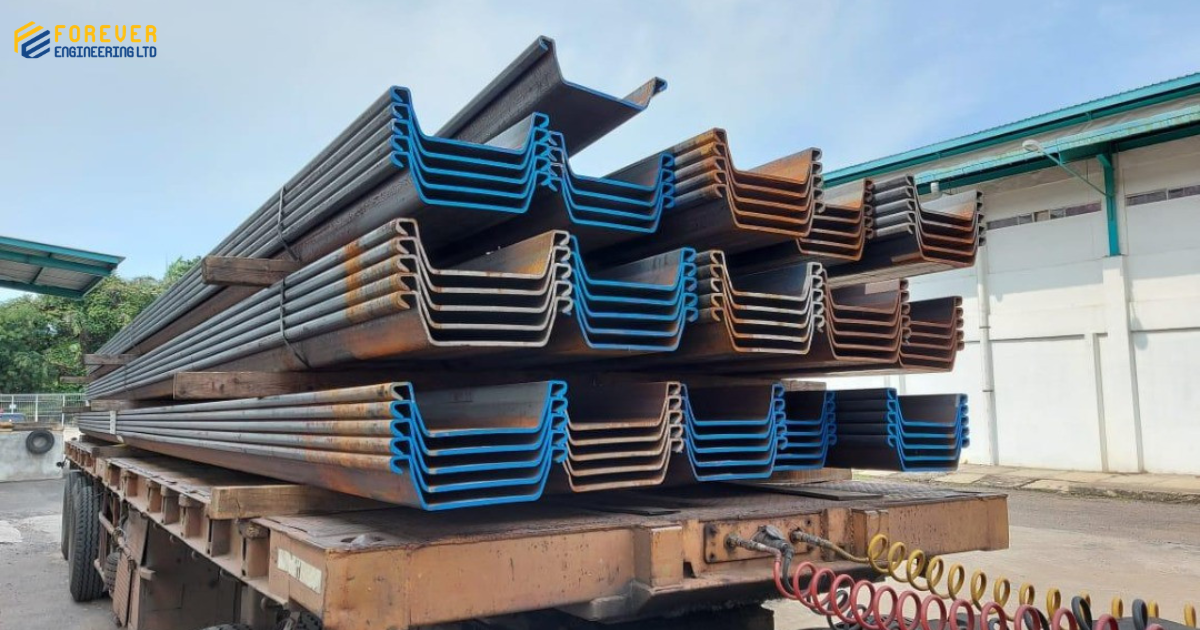
Sheet pile price depends on several factors, including pile type, size, thickness, length, steel grade, weight, quantity, supplier, transportation, and project requirements. Contractors need to consider these factors before selecting sheet piles for construction projects.
Steel sheet piles provide a practical solution for soil retention, excavation support, cofferdams, riverbank protection, basement construction, marine structures, and other infrastructure projects. Their interlocking design creates a continuous wall that can resist soil and water pressure. The market price can change based on steel prices, supply conditions, project location, and material specifications. Therefore, buyers should compare the complete project cost instead of looking only at the price of one sheet pile.
What Is Sheet Pile Price?
Sheet pile price refers to the cost of purchasing steel sheet piles for construction and civil engineering projects. Suppliers may quote sheet piles based on weight, length, section, quantity, or project requirements.
The final price depends on the specifications selected by the contractor or project owner. A heavier sheet pile section usually contains more steel and can cost more than a lighter section.
Buyers should check the following details before requesting a price:
- Sheet pile type
- Pile length
- Pile width
- Pile thickness
- Section profile
- Steel grade
- Weight per meter
- Total required quantity
- New or used condition
- Delivery location
- Installation requirements
A clear specification helps suppliers provide a more accurate quotation.
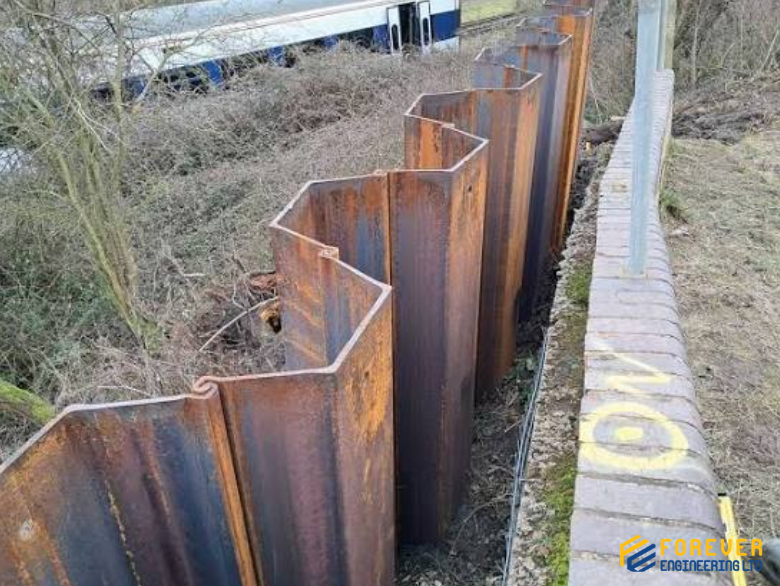
Why Is Sheet Pile Price Important?
Understanding sheet pile pricing helps contractors prepare realistic project budgets. The material cost can form an important part of a retaining wall, excavation support, or cofferdam project.
Benefits of Understanding Sheet Pile Costs
- Improves Budget Planning: Contractors can estimate material costs before starting construction.
- Supports Material Selection: Buyers can compare different pile profiles based on project requirements.
- Helps Control Project Costs: Proper planning can reduce unnecessary material and transportation expenses.
- Makes Supplier Comparison Easier: Buyers can compare quotations using the same specifications.
- Supports Better Project Decisions: Contractors can balance material quality, strength, quantity, and cost.
The lowest price does not always provide the best value. Buyers should select sheet piles that meet the structural and project requirements.
Types of Sheet Piles and Their Price Factors
Different sheet pile profiles have different weights, strengths, and applications. These differences can affect the final purchase price.
- U-Type Sheet Piles: U-type sheet piles have a U-shaped profile and commonly serve retaining walls, excavation support, cofferdams, and temporary works. Their price depends on the section size, thickness, length, steel grade, and total weight.
- Z-Type Sheet Piles: Z-type sheet piles have a Z-shaped profile and provide efficient structural performance. Contractors commonly use them for retaining walls, marine projects, bridge construction, and deep excavation support. The heavier section can increase the material cost, but it may also provide greater structural capacity for demanding projects.
- Flat Sheet Piles: Flat sheet piles have a relatively flat profile and can support specific applications such as cellular structures and special retaining systems. The project design determines whether this type provides the required performance.
Factors That Affect Sheet Pile Price
Several factors can change the total cost of sheet piles. Contractors should review these factors before placing an order.
- Pile Size: Larger sheet pile sections usually contain more steel, which can increase their price. The required size depends on wall height, soil pressure, and project requirements.
- Pile Thickness: Thicker sheet piles use more steel and usually cost more than thinner sections. Engineers select the required thickness based on strength and site conditions.
- Pile Length: Longer sheet piles require more steel, so they generally have a higher material cost. The required length depends on wall height and the required embedment depth.
- Steel Grade: Steel grade affects the strength and performance of a sheet pile. Higher-strength steel grades may cost more depending on the specification and supplier.
- Weight Per Meter: Suppliers may calculate sheet pile prices based on weight per meter. Heavier sections contain more steel and can increase the total material cost.
- Quantity: The total quantity directly affects the overall order value. Large projects may require hundreds or thousands of meters of sheet piles, increasing the total material cost.
- New or Used Condition: New sheet piles usually cost more because they provide unused material with consistent condition. Suitable used sheet piles can reduce costs, but buyers should check their interlocks, straightness, corrosion, and structural condition.
- Transportation: Transportation costs depend on delivery distance, pile length, truck requirements, loading, and unloading. Difficult site access can also increase handling and delivery expenses.
- Market Steel Price: Steel market prices can change the cost of sheet piles because steel forms the main material of the product. Buyers should request a current quotation instead of relying on an old price.
- Project Location: The project location can affect transportation and handling costs. Projects in different areas of Bangladesh may have different delivery costs based on distance, road conditions, and site accessibility.
Sheet Pile Price Per Ton
Many suppliers and contractors consider steel sheet pile cost according to weight. This approach helps buyers estimate the total steel requirement for a project.
The basic calculation can follow this formula:
Total Material Cost = Total Sheet Pile Weight × Price Per Ton
For example, if a project requires a certain quantity of sheet piles, the contractor can first calculate the total weight and then use the current quoted price per ton. However, the final quotation may include other costs such as transportation, loading, unloading, handling, and installation. Buyers should therefore ask suppliers whether the quoted price covers only the material or includes additional services.
Sheet Pile Price Per Meter
Some projects may compare sheet pile costs based on the installed or supplied length.
The basic calculation is
Total Material Cost = Total Sheet Pile Length × Price Per Meter
The price per meter depends on the weight and profile of the selected sheet pile.
A wider or thicker sheet pile can cover more wall area or provide greater structural performance, but its material cost may also increase. Contractors should compare the cost per square meter of completed wall, not only the price of one meter of pile. This approach can provide a better understanding of the actual material requirement.
New vs. Used Sheet Pile Price
New and used sheet piles can serve different project requirements.
- New Sheet Piles: New sheet piles provide consistent material condition and are suitable for projects that require specific specifications and long service life.
Buyers can select the required:
- Profile
- Thickness
- Length
- Steel grade
- Quantity
- Section weight
- Used Sheet Piles: Used sheet piles can reduce material costs for suitable temporary projects. Contractors should inspect them carefully before use.
Important inspection points include:
- Interlock condition
- Corrosion
- Bending
- Cracks
- Section damage
- Thickness loss
- Straightness
- Previous driving damage
A low purchase price does not provide good value if the used sheet piles require major repair or cannot achieve the required performance.
Sheet Pile Installation Cost
The purchase price represents only one part of the total sheet pile project cost. Installation can create additional expenses.
Installation costs can depend on:
- Soil conditions
- Pile length
- Required embedment depth
- Number of piles
- Crane requirements
- Hammer type
- Site access
- Groundwater conditions
- Nearby structures
- Working hours
- Project location
Contractors may use vibratory hammers, impact hammers, or hydraulic press-in equipment depending on site conditions.
Vibratory hammers can provide efficient installation for suitable ground conditions. Impact hammers can provide higher driving energy for difficult conditions, but they can create greater noise and vibration. Hydraulic press-in systems can provide controlled installation where vibration and noise need closer control.
How to Calculate Sheet Pile Cost
Contractors can follow a simple process to estimate the material cost.
Step 1 – Determine the Wall Length: Measure the total length of the proposed sheet pile wall.
Step 2 – Determine the Required Wall Height: Identify the exposed wall height and required embedment depth.
Step 3 – Select the Sheet Pile Profile: Choose the suitable U-type, Z-type, or other profile according to the engineering requirements.
Step 4 – Check the Weight: Find the weight per meter of the selected section.
Step 5 – Calculate the Total Weight: Multiply the required pile length by the section weight and account for the total number of piles.
Step 6 – Request a Current Quotation: Ask the supplier for a quotation based on the exact specifications and delivery location.
Step 7 – Add Other Project Costs: Consider transportation, handling, equipment, installation, extraction, and other applicable project costs. This process helps contractors develop a more practical project budget.
Step-by-Step Guide to Buying Sheet Piles
- Identify the Project Application: Determine whether the project requires sheet piles for excavation, basement construction, a cofferdam, riverbank protection, marine work, or another application.
- Review Site Conditions: Check soil type, groundwater level, excavation depth, nearby structures, and available working space.
- Confirm Engineering Requirements: Review the required pile profile, length, thickness, steel grade, and embedment depth.
- Determine the Quantity: Calculate the required wall length and number of sheet piles.
- Compare New and Used Options: For suitable temporary projects, compare the cost and condition of new and used sheet piles.
- Request Supplier Quotations: Provide complete specifications so suppliers can prepare accurate quotations.
- Check Transportation Requirements: Confirm delivery location, pile length, loading method, and site access.
- Inspect the Material: Check the sheet pile condition, dimensions, interlocks, and visible damage before installation.
- Plan Installation: Select suitable piling equipment and prepare the work area before driving begins.
- Start Installation: Install the sheet piles according to the approved construction plan and monitor alignment throughout the work.
Common Applications of Steel Sheet Piles
Steel sheet piles support many construction and infrastructure projects.
- Basement Construction: Contractors use sheet piles to retain soil around basement excavations. The wall can help control soil movement and create a safer excavation area.
- Cofferdam Construction: Contractors use sheet piles to create enclosed areas in rivers, canals, and other water environments. Workers can remove water from the enclosed area and complete foundation work.
- Riverbank Protection: Sheet pile walls can protect riverbanks from erosion and soil movement. Contractors install the wall along the river edge based on the project design.
- Bridge Construction: Contractors can use sheet piles around bridge foundations and abutments. They can also create temporary cofferdams for bridge pier construction.
- Marine Construction: Sheet piles can support docks, ports, seawalls, waterfront structures, and other marine projects. Engineers should consider water pressure, corrosion, waves, and soil conditions.
- Road and Infrastructure Projects: Contractors can use sheet piles for road widening, drainage construction, underground structures, and other projects where working space remains limited.
How Soil Conditions Affect Sheet Pile Selection and Cost
Soil conditions can affect both material selection and installation cost.
- Soft Clay: Soft clay may allow easier pile penetration, but contractors still need to control soil movement and wall stability.
- Stiff Clay: Stiff clay can create greater driving resistance and may require suitable piling equipment.
- Dense Sand: Dense sand can create high friction around the pile and increase driving resistance.
- Loose Sand: Loose sand can move during installation and excavation, so contractors should monitor ground conditions.
- Gravel: Gravel can make sheet pile installation difficult and may require specialized equipment.
- Mixed Soil: Different soil layers can create changing driving resistance during installation.
A proper site investigation helps contractors select suitable sheet piles and equipment.
Common Challenges When Buying Sheet Piles
Buyers can face several challenges when selecting sheet piles.
- Unclear Specifications: Incomplete pile specifications can lead to inaccurate quotations.
- Changing Steel Prices: Market changes can affect the material price.
- Transportation Issues: Long or heavy piles require suitable transportation arrangements.
- Material Quality: Buyers need to verify pile condition and specifications.
- Wrong Profile Selection: An unsuitable profile can increase project risk and cost.
- Used Pile Damage: Used piles may have damaged interlocks, bends, corrosion, or thickness loss.
- Limited Site Access: Difficult access can increase handling and transportation costs.
Proper planning can help contractors avoid many of these problems.
Best Practices for Reducing Sheet Pile Costs
Contractors can use several practices to control project costs without compromising required performance.
- Select the Right Profile: Choose a sheet pile profile that matches the project requirements instead of selecting an unnecessarily heavy section.
- Confirm the Required Length: Avoid ordering piles with unsuitable lengths that create unnecessary material waste.
- Compare Supplier Quotations: Request quotations from reliable suppliers using the same specifications.
- Consider Suitable Used Piles: Used sheet piles can provide a cost-effective option for suitable temporary applications when their condition meets project requirements.
- Plan Transportation: Proper delivery planning can reduce unnecessary handling and transportation expenses.
- Select Suitable Equipment: The right hammer and crane can improve installation efficiency and reduce delays.
- Maintain Accurate Installation: Proper alignment and interlock connection can reduce installation problems.
- Plan the Installation Sequence: A clear installation sequence can improve productivity and reduce equipment downtime.
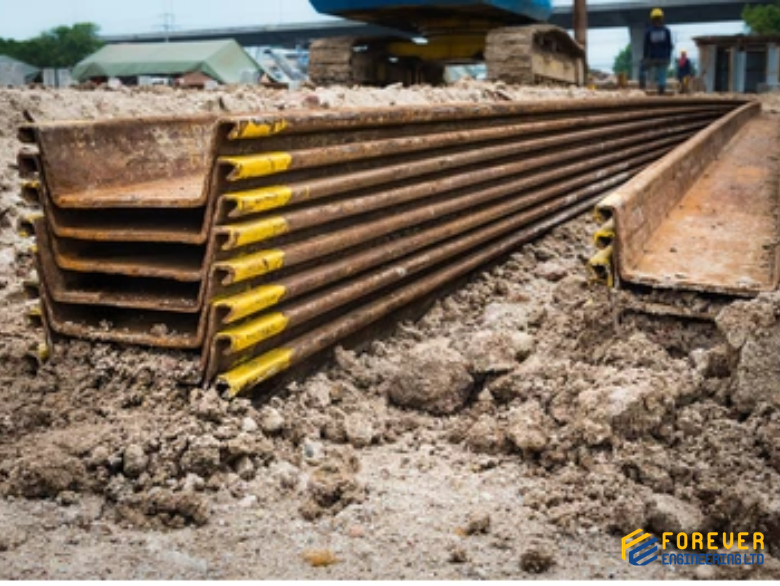
How Forever Engineering Ltd. Supports Sheet Pile Projects
Forever Engineering Ltd. provides sheet pile solutions for construction projects in Bangladesh. The company supports requirements for excavation support, retaining structures, cofferdams, riverbank protection, basement construction, marine works, and other construction applications.
- Sheet Pile Supply: Forever Engineering Ltd. provides steel sheet pile supply solutions based on project requirements. The team can help clients consider suitable pile specifications and quantities.
- Project Requirement Support: The company considers important project information such as pile size, length, application, and site conditions when supporting sheet pile requirements.
- Installation Equipment Support: Suitable piling equipment can improve installation efficiency. Project conditions help determine the appropriate equipment for the work.
- Construction Support: Forever Engineering Ltd. provides project-focused support for sheet pile applications and helps clients coordinate material and construction requirements.
Benefits of Choosing Forever Engineering Ltd.
Selecting an experienced sheet pile supplier can help contractors manage their material requirements more effectively.
- Reliable Sheet Pile Supply: Forever Engineering Ltd. provides steel sheet pile supply solutions for different construction projects.
- Project-Based Solutions: Each project has different soil conditions, excavation depths, wall heights, and site limitations. The team considers these factors when supporting sheet pile requirements.
- Professional Support: The company provides project-focused assistance and clear communication to help clients understand their material and construction requirements.
- Construction Application Support: Forever Engineering Ltd. supports sheet pile requirements for excavation, retaining walls, basement construction, cofferdams, marine works, riverbank protection, and other construction projects.
Contact Forever Engineering Ltd.
Need a reliable sheet pile price for your construction project?
Contact Forever Engineering Ltd. to discuss your sheet pile requirements, specifications, quantity, delivery location, installation needs, and project conditions. The team can help you understand the factors that affect sheet pile cost and provide a project-based quotation based on your requirements.
Conclusion
Sheet pile price depends on pile type, profile, length, thickness, steel grade, weight, quantity, condition, transportation, and installation requirements. Contractors should review these factors before selecting sheet piles for a construction project.
New and used sheet piles can serve different applications. Buyers should check material condition, interlocks, dimensions, and structural requirements before choosing an option. Installation also affects the total project cost. Soil conditions, pile depth, equipment, site access, groundwater, and nearby structures can influence installation expenses.
Proper planning helps contractors control costs and select suitable sheet piles for their projects. Buyers should provide complete specifications when requesting quotations and compare suppliers based on material quality, project support, delivery, and overall value.
Forever Engineering Ltd. provides sheet pile supply and project support for different construction applications in Bangladesh. The company helps clients understand their sheet pile requirements and plan suitable solutions based on project conditions and construction needs.
Frequently Asked Questions
- What affects sheet pile price ?
Sheet pile price depends on profile, size, thickness, length, steel grade, weight, quantity, material condition, transportation, and market steel prices.
- How is sheet pile price calculated?
Suppliers may calculate sheet pile prices based on weight, length, section, quantity, or project requirements. Buyers should confirm the pricing method when requesting a quotation.
- Is sheet pile price the same for all types?
No. Different profiles, sizes, thicknesses, weights, and steel grades can have different prices.
- Are used sheet piles cheaper than new sheet piles?
Used sheet piles can cost less than new piles. However, buyers should inspect their interlocks, thickness, straightness, corrosion, and overall condition before purchasing.
- Does sheet pile length affect the price?
Yes. Longer sheet piles normally require more steel, which can increase the material cost.
- Does sheet pile thickness affect the price?
Yes. Thicker sheet piles generally contain more steel and can cost more than thinner sections.
- Does transportation affect sheet pile cost?
Yes. Delivery distance, pile length, loading, unloading, transportation method, and site access can affect the total project cost.
- What is included in sheet pile installation cost?
Installation cost can include piling equipment, crane operation, labor, transportation, handling, and other project-specific expenses. The exact cost depends on site and project conditions.
- Where are steel sheet piles commonly used?
Contractors use steel sheet piles for basement construction, cofferdams, riverbank protection, bridge construction, marine structures, retaining walls, and infrastructure projects.
- Can Forever Engineering Ltd. provide sheet piles in Bangladesh?
Yes. Forever Engineering Ltd. provides sheet pile supply and project support for different construction applications in Bangladesh. The company can help clients discuss pile specifications, quantities, delivery requirements, and project needs.