
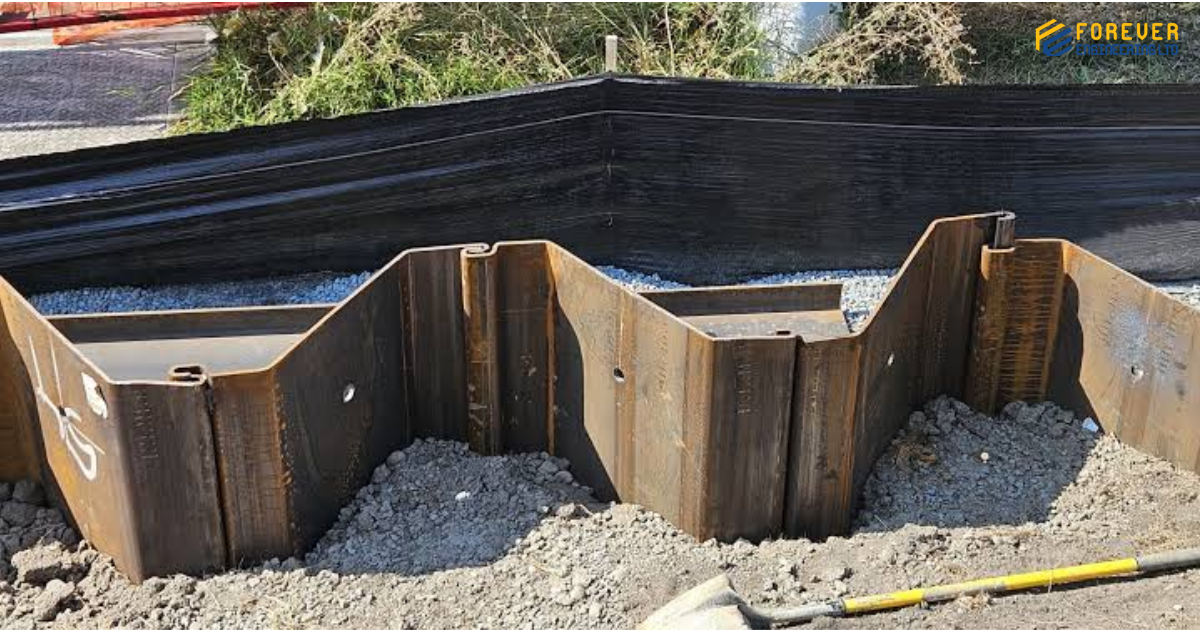
Sheet pile driving depth plays an important role in the stability and performance of sheet pile walls. Contractors need to drive sheet piles to the correct depth to provide proper support for soil, water, and excavation areas. The required depth depends on several project conditions, including soil type, excavation depth, groundwater level, wall height, loading conditions, and sheet pile design.
Forever Engineering Ltd. provides professional sheet pile supply and driven services for construction projects in Bangladesh. The company supports projects that require excavation support, retaining walls, riverbank protection, cofferdams, marine construction, and other sheet piling applications. Its sheet pile services include vibratory, impact, and vibration-free installation methods based on project requirements.
What Is Sheet Pile Driving Depth?
Sheet pile driving depth refers to the depth to which a sheet pile is driven into the ground during installation. The pile has an exposed section above the ground or excavation level and an embedded section below the ground. The embedded section provides resistance against soil and water pressure. It helps the sheet pile wall remain stable and reduces unwanted soil movement around the excavation area. The required driving depth can vary from one project to another. Contractors should not use one fixed depth for every project because soil conditions, excavation levels, water pressure, and structural requirements can change.

Why Is Sheet Pile Driving Depth Important?
Sheet Pile Driving Depth directly affects the stability and performance of a sheet pile wall. Proper depth helps the wall resist soil pressure, water pressure, and other forces during construction.
Benefits include:
- Improves Wall Stability: Proper embedment helps the sheet pile wall resist lateral soil pressure. It also reduces the risk of excessive movement or rotation during excavation.
- Controls Soil Movement: A properly installed sheet pile wall helps control soil movement around an excavation. This becomes especially important when contractors work near buildings, roads, and underground services.
- Supports Excavation Work: Correct pile depth helps provide support while workers remove soil from an excavation. It creates a more controlled working area when engineers design and install the wall correctly.
- Helps Resist Water Pressure: Groundwater and surface water can create pressure against the sheet pile wall. Proper embedment helps the wall handle these conditions.
- Reduces Unnecessary Costs: Engineers can calculate the required depth instead of driving piles deeper than necessary. This approach can help control material, equipment, labor, and installation costs.
Common Uses of Sheet Pile Driving Depth
Sheet piles support many types of construction projects in Bangladesh. Contractors select the required driving depth based on soil conditions, excavation requirements, water conditions, structural loads, and project design.
- Deep Excavation: Sheet piles provide support around deep excavation areas. They help control soil movement and protect nearby structures when engineers design and install them correctly.
- Basement Construction: Contractors use sheet piles to support soil during basement excavation. Proper sheet pile depth helps maintain excavation stability and provides a controlled working area.
- Riverbank Protection: Sheet piles can protect riverbanks from soil movement and erosion. Engineers consider river levels, soil conditions, water pressure, and possible scour when determining the required depth.
- Cofferdam Construction: Sheet piles can create temporary walls around construction areas in or near water. Proper driving depth helps the cofferdam resist soil and water pressure during construction.
- Marine Construction: Contractors use sheet piles for marine structures, retaining walls, and other water-related construction works. Proper depth helps the wall perform under changing water and ground conditions.
- Bridge Projects: Sheet piles can support temporary works during bridge construction. Contractors may use them for cofferdams, excavation support, and retaining structures based on project requirements.
Forever Engineering Ltd. provides sheet pile supply and driven services for applications such as bridges, buildings, retaining walls, and other construction projects in Bangladesh.
Step-by-Step Guide to Determine Sheet Pile Driving Depth
- Study the Soil Report: The first step is to understand the soil conditions at the project site. Engineers review soil layers, soil strength, groundwater levels, and other available geotechnical information. Soil conditions directly affect pile resistance and wall stability. A proper site investigation gives engineers useful information before they select the required depth.
- Determine the Excavation Depth: The project team identifies the required excavation level. This information helps engineers understand the height of soil that the sheet pile wall needs to retain. Deeper excavations normally require more careful analysis because the wall can experience greater lateral pressure.
- Check Groundwater Conditions: Engineers review the groundwater level and expected water pressure before determining the required depth. High groundwater can increase pressure against the wall and can also affect soil behavior. Contractors need to consider these conditions during design and installation.
- Identify External Loads: The design team identifies nearby buildings, roads, vehicles, construction equipment, stored materials, and other loads. These loads can increase pressure on the sheet pile wall. Engineers include important external loads in their calculations.
- Select the Sheet Pile Profile: Engineers select a suitable sheet pile profile based on project requirements. They consider pile width, thickness, steel grade, strength, stiffness, length, and application. Forever Engineering Ltd. supplies different sheet pile options for construction projects and provides sheet pile solutions for temporary and permanent applications.
- Calculate Required Embedment: Engineers calculate the required embedded portion of the sheet pile. They consider soil resistance, lateral earth pressure, water pressure, surcharge loads, and wall stability. The calculation determines how deep workers need to drive the pile into the ground.
- Select Installation Equipment: Contractors select suitable equipment based on the soil conditions and pile specifications. Vibratory hammers, impact hammers, and press-in systems can suit different projects. The equipment should provide enough force to achieve the required depth without causing unnecessary pile damage.
- Drive the Sheet Piles: Workers drive the sheet piles according to the approved drawings and installation method. The team monitors pile alignment, position, and depth during the work. Proper installation helps the interlocks connect correctly and creates a continuous sheet pile wall.
- Check the Final Depth: The installation team checks the final pile level against the project requirements. Workers should report significant deviations to the responsible engineer before continuing with the next stage.
Factors That Affect Sheet Pile Driving Depth
Several factors can affect the required sheet pile driving depth. Contractors should review these factors before starting installation.
- Soil Conditions: Soil type strongly affects pile resistance and wall stability. Soft clay, stiff clay, loose sand, dense sand, gravel, and mixed soil layers can create different installation conditions.
- Excavation Depth: A deeper excavation can increase lateral pressure on the retaining wall. Engineers need to consider the final excavation level when determining the required pile embedment.
- Groundwater Level: Groundwater can increase pressure against the wall and change soil behavior. Engineers need to understand groundwater conditions before selecting the pile depth.
- Water Pressure: River, canal, marine, and cofferdam projects can experience significant water pressure. Engineers need to consider water levels and pressure differences when calculating the required depth.
- Wall Height: A higher retained soil level can create greater pressure on the sheet pile wall. Engineers consider wall height along with soil properties and other loads.
- Surcharge Loads: Construction equipment, vehicles, stored materials, roads, and nearby buildings can create additional pressure. Engineers should include these loads in the design.
- Sheet Pile Profile: Different sheet pile profiles provide different levels of strength and stiffness. The selected profile can affect the required depth and overall wall performance.
- Nearby Structures: Buildings and other structures near an excavation require careful planning. Engineers need to control ground movement and consider the effect of installation vibration.
How Soil Conditions Affect Sheet Pile Driving Depth
Soil conditions have a major influence on both the required depth and the installation process.
- Soft Clay: Soft clay can provide lower resistance than dense soil. Engineers need to consider soil strength, wall movement, and stability when determining the required embedment.
- Dense Sand: Dense sand can provide greater resistance to pile movement. However, it can also make pile driving more difficult and may require suitable installation equipment.
- Loose Sand: Loose sand can move more easily during excavation. Engineers need to consider possible soil movement, groundwater, and stability when determining the sheet pile depth.
- Stiff Clay: Stiff clay can provide strong resistance but can also make pile driving more difficult. Contractors may need suitable equipment to reach the required depth.
- Gravel: Gravel and hard soil layers can create high driving resistance. Contractors should assess these conditions before selecting the installation equipment and method.
Sheet Pile Driving Equipment
The correct equipment helps contractors achieve the required sheet pile driving depth efficiently.
- Vibratory Hammer: A vibratory hammer uses vibration to reduce soil resistance around the pile. Contractors commonly use this method for sheet pile installation.
- Impact Hammer: An impact hammer drives the pile through repeated impacts. Contractors may select this method when the ground creates greater driving resistance.
- Press-In System: A press-in system pushes sheet piles into the ground using static force. This method can suit sensitive areas where contractors need to reduce noise and vibration.
Challenges in Sheet Pile Driving Depth
Sheet pile installation can create several challenges when contractors do not plan properly.
- Hard Ground: Hard soil or gravel can increase driving resistance. Contractors may need suitable equipment or predrilling to reach the required depth.
- Pile Misalignment: Poor alignment can make interlocking difficult. Workers should monitor the pile position during installation to maintain a straight wall.
- Excessive Vibration: Some sites contain sensitive buildings or structures. Contractors may need a lower-vibration installation method in these areas.
- Pile Damage: Excessive driving force can damage sheet piles or their interlocks. Contractors should select suitable equipment and monitor the installation process.
- Unexpected Soil Layers: Actual ground conditions can differ from initial expectations. Contractors should communicate with the engineering team when they encounter unexpected resistance.
Best Practices for Sheet Pile Driving Depth
Following proper practices helps contractors achieve the required installation depth and maintain better project control.
- Plan the Installation Early: Contractors should review the project requirements before bringing equipment and materials to the site. Early planning helps identify possible soil, access, and equipment challenges.
- Confirm Technical Specifications: Always confirm the required pile length, thickness, width, profile, and steel grade. Accurate specifications help prevent material and installation problems.
- Conduct Proper Site Investigation: A reliable soil investigation provides useful information about ground conditions. Engineers can use this information to develop a suitable sheet pile design.
- Select Suitable Equipment: The installation team should choose equipment based on soil conditions, pile specifications, site access, and nearby structures.
- Monitor Pile Alignment: Workers should monitor the vertical alignment and position of each pile during driving. Proper alignment helps the interlocks connect correctly.
- Monitor Driving Depth: The team should record the installation depth of the piles. Regular monitoring helps identify deviations from the approved design.
- Inspect Interlocks: Workers should inspect the interlocks before and during installation. A good interlock condition supports proper wall formation.
- Follow the Engineering Design: Contractors should follow the approved drawings and specifications. They should not change the required pile depth without proper engineering review.
Safety Considerations During Sheet Pile Installation
Sheet pile installation involves heavy steel sections, cranes, hammers, and other equipment. Contractors need to follow proper safety procedures throughout the work. Safety measures include:
- Inspect lifting and installation equipment before use.
- Keep unauthorized workers away from the pile driving area.
- Use trained equipment operators.
- Maintain a safe working zone around heavy machinery.
- Check ground stability before positioning equipment.
- Maintain safe distances from power lines and nearby structures.
- Monitor pile movement during lifting and driving.
- Follow the approved construction method and site safety plan.
Proper safety planning helps reduce risks and supports smoother sheet pile installation.
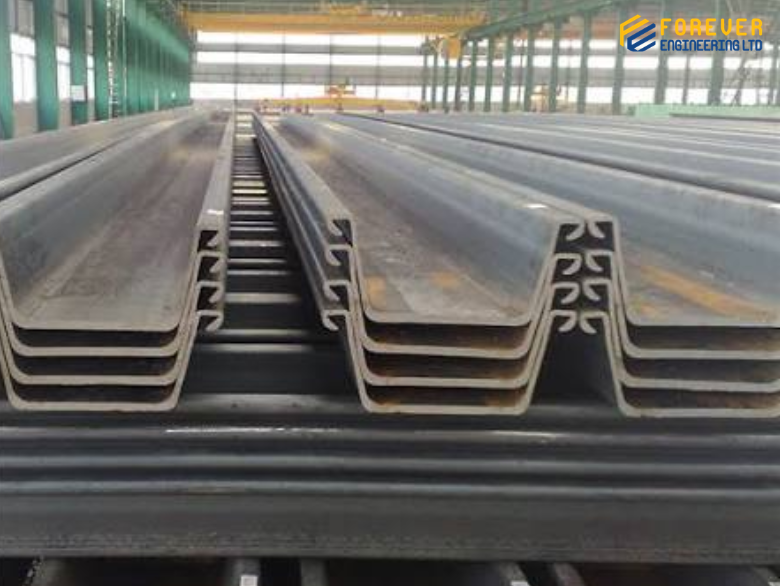
How Forever Engineering Ltd. Supports Sheet Pile Projects
Forever Engineering Ltd. provides professional sheet pile supply and driven services for construction projects in Bangladesh. The company has experience with sheet piling, driving, vibrating, and predrilling based on project requirements. The company supports both temporary and permanent sheet pile applications and provides solutions for different construction and excavation requirements.
Our services include:
- Sheet Pile Supply: Forever Engineering Ltd. supplies steel sheet piles for different construction requirements. The team helps clients identify suitable products based on project specifications.
- Sheet Pile Driving: The company provides sheet pile driving services using suitable installation methods. The team focuses on proper positioning, alignment, and installation according to project requirements.
- Excavation Support: Forever Engineering Ltd. provides sheet piling solutions for excavation projects. Properly installed sheet piles help control soil movement and support safer construction.
- Cofferdam Construction: The company supports sheet pile requirements for cofferdam projects. Sheet piles can create temporary barriers that protect construction areas near or in water.
- Riverbank and Waterfront Protection: Sheet piles can support riverbank stabilization and water-related construction. Engineers select the required depth based on site conditions and project requirements.
Benefits of Choosing Forever Engineering Ltd.
Selecting an experienced sheet pile company can help contractors manage installation more effectively.
1. Reliable Sheet Pile Supply: Forever Engineering Ltd. supplies sheet piles for a wide range of construction applications. The company focuses on product quality, project requirements, and suitable material selection.
2.Professional Installation Support: The company provides sheet pile driven services using different installation methods. This allows the team to select an approach based on site and project conditions.
3. Complete Sheet Pile Solutions: Forever Engineering Ltd. supports sheet pile supply and installation for applications such as retaining walls, cofferdams, excavation support, riverbank protection, and marine construction.
4. Experienced Project Support: The company states that its team uses in-house design capabilities, equipment resources, and project experience to develop cost-effective solutions for different sheet piling requirements.
Contact Forever Engineering Ltd.
Need professional sheet pile driving Depth planning and installation support for your construction project?
Contact Forever Engineering Ltd. to discuss your sheet pile requirements, project conditions, installation depth, material specifications, and construction needs.
Phone: +880 1894 615871, +880 1894 615872
Website: Forever Engineering Ltd.
Conclusion
Sheet Pile Driving Depth directly affects the stability and performance of a sheet pile wall. Engineers need to consider soil conditions, excavation depth, groundwater, water pressure, surcharge loads, wall height, sheet pile profile, and nearby structures before determining the required depth. Contractors should not select one standard depth for every project. Each construction site has different ground and loading conditions. Engineers need to use proper site information and design calculations to determine the required embedment. Proper equipment selection, accurate alignment, installation monitoring, and professional construction practices can help contractors achieve the required sheet pile depth.
Forever Engineering Ltd. provides sheet pile supply and driven services for excavation, basement, riverbank, cofferdam, marine, bridge, and other construction projects in Bangladesh.
Frequently Asked Questions
- What is Sheet Pile Driving Depth?
Sheet pile driving depth refers to the depth to which a sheet pile enters the ground during installation. Engineers determine the required depth based on soil, water, excavation, loading, and structural conditions.
- How deep should sheet piles be driven?
The required depth depends on the project. Engineers consider excavation depth, soil conditions, groundwater, water pressure, surcharge loads, wall height, pile profile, and support conditions before determining the required depth.
- What factors affect sheet pile driving depth?
Important factors include soil type, excavation depth, groundwater level, water pressure, surcharge loads, wall height, sheet pile profile, nearby structures, and the selected support system.
- Does deeper sheet pile installation always provide better stability?
No. Engineers should calculate the required depth based on project conditions. Driving piles deeper than necessary can increase material, equipment, and installation costs.
- Can sheet piles be driven into hard soil?
Yes. Contractors can install sheet piles in many soil conditions, but hard soil can increase driving resistance. The team may need suitable equipment and installation techniques.
- How does groundwater affect sheet pile driving depth?
Groundwater can increase pressure against the wall and change soil behavior. Engineers consider groundwater conditions when determining the required embedment.
- Which company provides sheet pile driving services in Bangladesh?
Forever Engineering Ltd. provides sheet pile supply and driven services in Bangladesh. The company offers installation using vibratory, impact, and vibration-free methods depending on project requirements.
- How can I contact Forever Engineering Ltd. for sheet pile services?
You can contact Forever Engineering Ltd. at +880 1894 615871 or +880 1894 615872 to discuss your sheet pile requirements and request project support.