
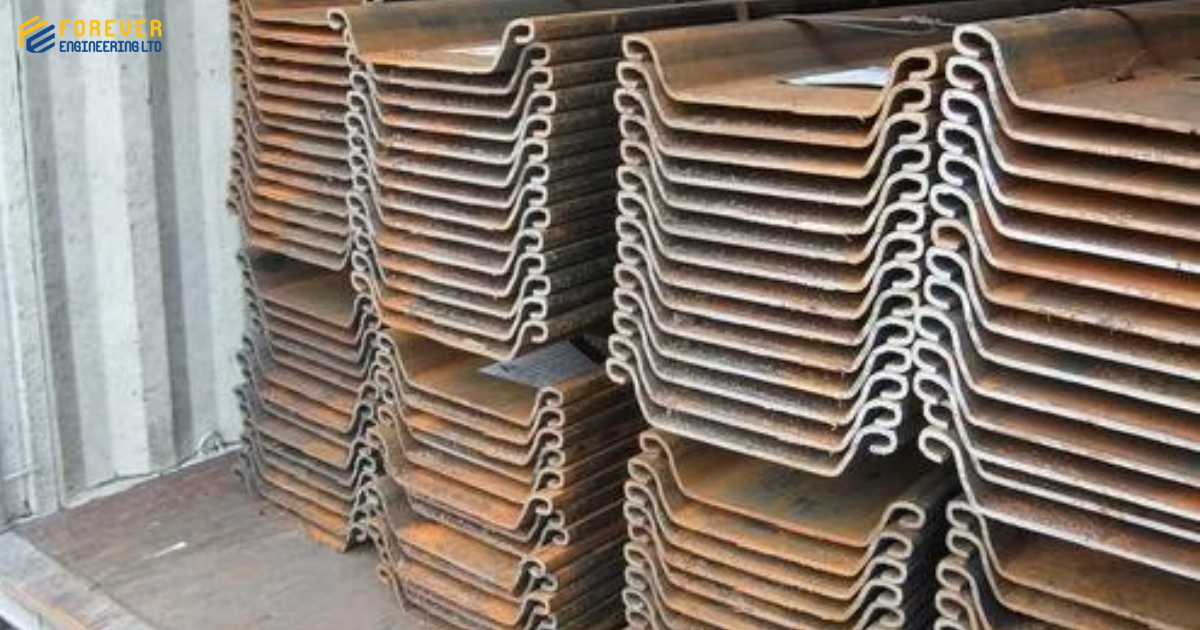
Sheet pile testing is an important part of every construction project that uses steel sheet piles. It helps engineers confirm that the sheet piles meet quality standards before installation. Proper testing also ensures that the sheet piles have the required strength, durability, and performance to support excavation, retaining walls, bridge foundations, riverbank protection, and marine structures. In Bangladesh, many construction projects take place in areas with soft soil and high groundwater levels. These conditions require high-quality steel sheet piles that can safely resist soil pressure and water pressure. If contractors install damaged or poor-quality sheet piles, the retaining wall may become unstable and increase the risk of project delays, costly repairs, and safety problems.
Forever Engineering Ltd. understands the importance of quality in every project. We supply premium-quality steel sheet piles and follow proper testing and inspection procedures to ensure every product meets industry standards. Our experienced engineers carefully inspect each sheet pile before installation to help clients achieve safe and long-lasting construction results. This guide explains everything you need to know about sheet pile testing, including its importance, testing methods, quality inspection process, and how it helps improve construction safety and performance.
What Is Sheet Pile Testing?
Sheet pile testing is the process of checking the quality, strength, dimensions, and condition of steel sheet piles before, during, and after installation. The purpose of testing is to make sure that every sheet pile meets the project specifications and performs safely under expected loads.
Engineers inspect the sheet piles for defects such as cracks, bends, damaged interlocks, corrosion, and incorrect dimensions. They also verify that the steel quality matches the required engineering standards. Proper sheet pile testing reduces construction risks and improves the overall performance of retaining structures.
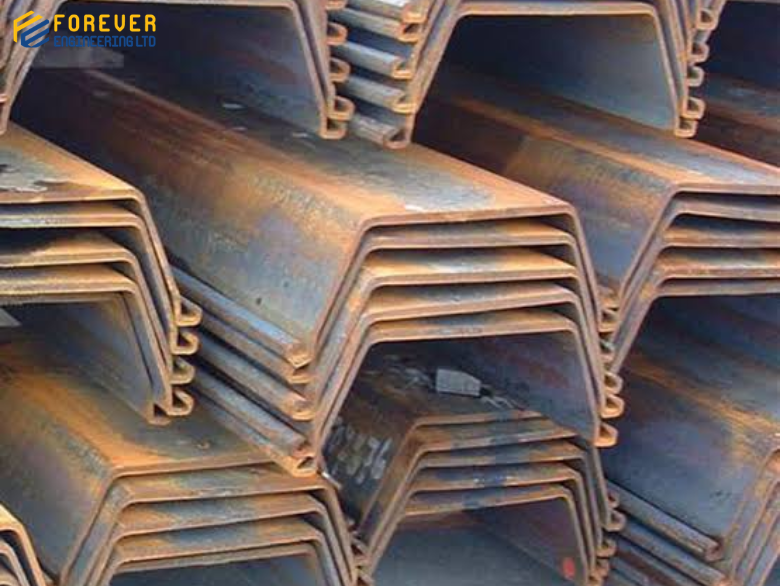
Why Is Sheet Pile Testing Important?
Every construction project depends on strong and reliable materials. Sheet pile testing helps engineers identify problems before installation begins. Early inspection saves time, reduces repair costs, and improves project safety.
Improves Structural Strength
Testing confirms that each sheet pile has enough strength to resist soil pressure, groundwater pressure, and structural loads. Strong sheet piles provide better support for retaining walls and deep excavations.
Increases Construction Safety
Quality testing reduces the risk of wall movement, soil collapse, and water leakage. Safe sheet piles create a secure working environment for construction workers and protect nearby structures.
Prevents Installation Problems
Damaged interlocks or bent sheet piles can create difficulties during installation. Proper testing identifies these issues before construction starts, allowing contractors to replace defective materials.
Reduces Project Costs
Finding defects before installation prevents expensive repairs and project delays. Quality inspection also reduces material waste and improves construction efficiency.
Supports Long-Term Performance
Well-tested sheet piles remain strong for many years. They perform better under changing soil conditions and require less maintenance throughout their service life.
Types of Sheet Pile Testing
Different testing methods help engineers evaluate the quality and performance of steel sheet piles.
Visual Inspection
Visual inspection is the first step in sheet pile testing. Engineers carefully examine each sheet pile for visible defects such as the following:
- Cracks
- Rust
- Bent sections
- Surface damage
- Welding defects
- Damaged interlocks
This simple inspection helps identify problems before installation.
Dimensional Inspection
Dimensional inspection checks whether the sheet pile matches the required project specifications. Engineers measure:
- Width
- Height
- Thickness
- Length
- Profile shape
Accurate dimensions ensure proper interlocking and structural performance.
Steel Material Testing
Material testing verifies the quality of the steel used to manufacture the sheet piles. Engineers check:
- Steel grade
- Yield strength
- Tensile strength
- Chemical composition
High-quality steel improves durability and load-bearing capacity.
Interlock Inspection
Interlocks connect one sheet pile to another and create a continuous retaining wall. Engineers inspect the interlocks to ensure the following:
- Smooth connection
- Proper alignment
- No deformation
- No cracks
Good interlocks reduce water leakage and improve wall stability.
Coating Inspection
Protective coatings help prevent corrosion. During coating inspection, engineers check:
- Coating thickness
- Surface coverage
- Damage or peeling
- Uniform application
Proper coatings increase the service life of steel sheet piles.
Installation Inspection
Inspection continues during installation. Engineers monitor:
- Vertical alignment
- Driving depth
- Installation sequence
- Interlock engagement
- Equipment performance
Continuous inspection ensures the retaining wall follows the approved engineering design.
How Sheet Pile Testing Improves Construction Quality
Sheet pile testing plays an important role in improving the overall quality of a construction project. Every construction site has different soil conditions, groundwater levels, and structural requirements. Engineers cannot rely only on the appearance of a sheet pile. They must verify that it has the required strength, dimensions, and quality before installation. Proper testing ensures that every sheet pile performs as expected under heavy soil pressure and water pressure. It also helps contractors avoid unexpected problems during construction. When engineers identify defects early, they can replace damaged sheet piles before installation begins. This saves both time and money.
Quality testing also improves communication between engineers, contractors, and project owners. Everyone can work with confidence because they know the supplied materials meet the required standards. This reduces disputes, improves project planning, and helps complete construction on schedule.
Standards Used for Sheet Pile Testing
Professional sheet pile testing follows internationally recognized engineering standards. These standards ensure that every sheet pile meets strict quality requirements before it is used in construction. Some common standards include:
JIS Standards
Japanese Industrial Standards (JIS) are widely used for steel sheet piles. These standards define the required dimensions, steel grade, strength, and manufacturing quality.
ASTM Standards
ASTM standards provide guidelines for testing steel materials, mechanical properties, and quality inspection. Many international construction projects follow ASTM requirements.
EN Standards
European standards specify quality requirements for steel sheet piles used in infrastructure, marine, and commercial construction projects.
Following these standards helps engineers maintain consistent quality and ensures reliable structural performance.
Equipment Used for Sheet Pile Testing
Engineers use different tools and equipment to inspect steel sheet piles accurately. Modern equipment improves measurement accuracy and helps identify defects quickly. Common equipment includes:
- Measuring tape
- Vernier caliper
- Steel ruler
- Ultrasonic thickness gauge
- Coating thickness meter
- Welding inspection tools
- Laser alignment equipment
- Total station
- Leveling instruments
Using professional equipment allows engineers to collect accurate data and maintain high construction quality.
Quality Inspection Before Installation
Quality inspection should begin before the sheet piles arrive at the construction site. Early inspection helps prevent delays and ensures that only approved materials are used. Before installation, engineers usually check:
Material Certificates
The manufacturer provides certificates showing the steel grade, manufacturing process, and quality standards. Engineers review these documents before approving the materials.
Surface Condition
Every sheet pile should have a clean surface without severe rust, cracks, dents, or deformation.
Interlock Condition
The interlocks should fit together smoothly without damage. Proper interlocking improves wall stability and reduces water leakage.
Dimensions
The width, height, thickness, and length should match the approved engineering drawings.
These inspections reduce the possibility of installation problems later in the project.
Quality Inspection During Installation
Inspection continues while the sheet piles are being driven into the ground. Engineers monitor the installation process to ensure the retaining wall follows the project design. Important inspection activities include:
- Checking vertical alignment
- Monitoring driving depth
- Inspecting interlock engagement
- Observing equipment performance
- Recording installation progress
- Identifying damaged piles during driving
Continuous monitoring allows engineers to solve problems immediately and maintain construction quality.
Quality Inspection After Installation
After installation is complete, engineers perform a final inspection of the retaining wall. The final inspection normally includes:
Alignment Check
The completed wall should remain straight and properly aligned according to the engineering drawings.
Wall Stability
Engineers inspect the wall to confirm that it remains stable without excessive movement.
Joint Inspection
Every sheet pile connection should remain fully engaged to maintain water resistance.
Surface Inspection
The completed wall should not contain visible damage or excessive deformation. A successful final inspection confirms that the retaining wall is ready for long-term service.
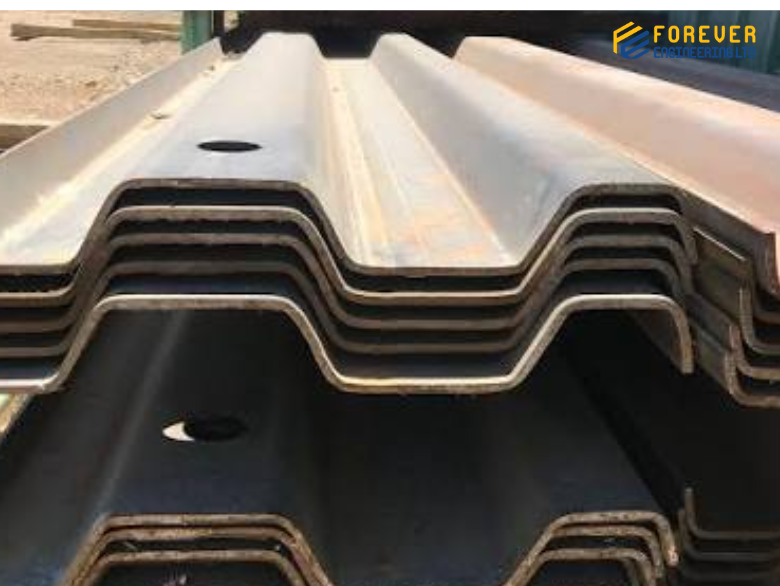
Why Choose Forever Engineering Ltd. for Sheet Pile Testing?
Forever Engineering Ltd. is one of the trusted names for steel sheet pile supply and installation services in Bangladesh. We understand that quality is the foundation of every successful construction project. That is why we follow strict inspection procedures before and during every project.
Our experienced engineers carefully inspect every steel sheet pile to ensure it meets project specifications and industry standards. We verify dimensions, steel quality, interlocks, and surface condition before installation. During construction, we monitor the installation process to maintain proper alignment and structural stability. We use modern equipment, skilled professionals, and proven engineering practices to deliver reliable sheet pile solutions. Whether your project involves basement construction, bridge foundations, riverbank protection, marine structures, or industrial developments, Forever Engineering Ltd. provides quality products and dependable technical support across Bangladesh.
Get a Free Quotation from Forever Engineering Ltd.
If you are planning a construction project and need reliable steel sheet pile solutions, Forever Engineering Ltd. is ready to help. Our experienced team will evaluate your project requirements and recommend the best sheet pile products and testing procedures for safe and successful construction.
Contact Forever Engineering Ltd. for professional consultation, high-quality steel sheet piles, expert quality inspection, and reliable installation services across Bangladesh. Request your free quotation and let our experts help you complete your project with confidence.
Conclusion
Sheet pile testing plays a vital role in ensuring the safety, strength, and durability of retaining structures. Proper testing helps engineers identify defects, verify material quality, and confirm that every sheet pile meets the required engineering standards. Careful inspection before, during, and after installation reduces construction risks, improves project efficiency, and extends the service life of the structure.
Forever Engineering Ltd. is committed to delivering high-quality steel sheet pile solutions for projects throughout Bangladesh. Our experienced team follows strict quality inspection procedures and provides professional guidance from project planning to final installation. With our expertise and commitment to quality, clients can build strong, safe, and long-lasting retaining structures.
Frequently Asked Questions (FAQs)
1. What is sheet pile testing?
Sheet pile testing is the process of inspecting steel sheet piles to verify their quality, dimensions, strength, and condition before, during, and after installation.
2. Why is sheet pile testing important?
Sheet pile testing helps ensure construction safety, improves structural performance, prevents installation problems, and reduces future repair costs.
3. What does a quality inspection include?
A quality inspection includes visual inspection, dimensional checks, material verification, interlock inspection, coating inspection, installation monitoring, and final project inspection.
4. When should sheet pile testing be performed?
Sheet pile testing should be carried out before installation, during the driving process, and after the retaining wall has been completed to ensure consistent quality.
5. What are the most common defects found during sheet pile inspection?
Common defects include bent sheet piles, damaged interlocks, surface corrosion, welding defects, and incorrect dimensions.
6. Why choose Forever Engineering Ltd. for sheet pile testing?
Forever Engineering Ltd. provides high-quality steel sheet piles, professional quality inspections, experienced engineering support, and reliable installation services for construction projects across Bangladesh.