
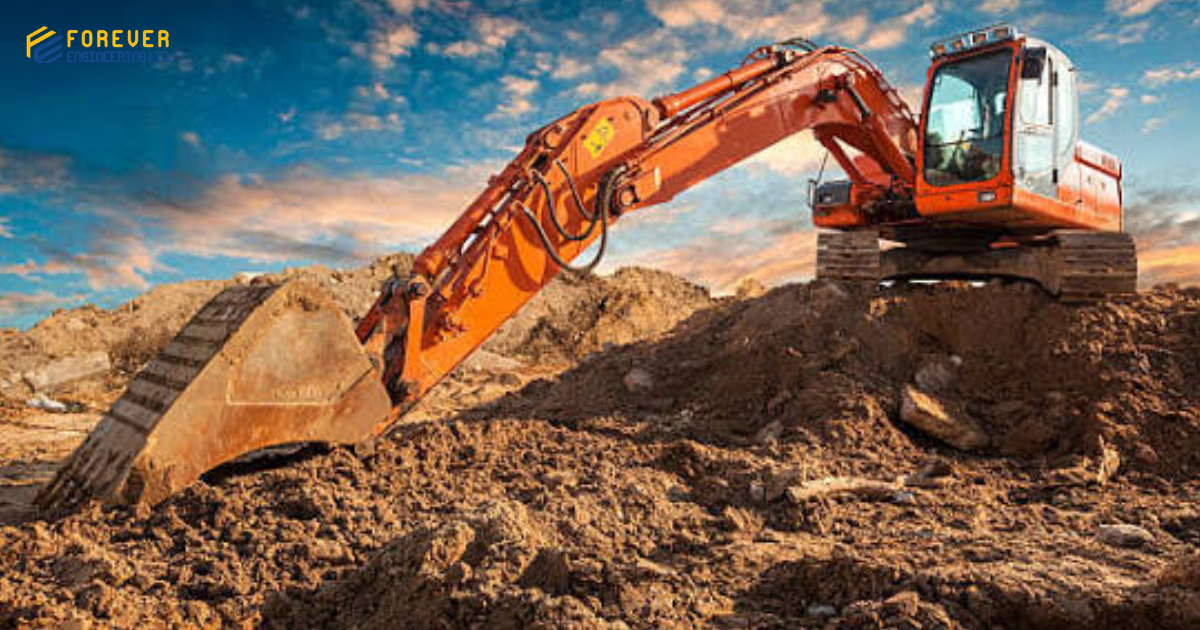
What Is the Sand Pile Construction Process?
The sand pile construction process is a ground improvement method that strengthens weak soil before foundation work begins. Engineers install compacted sand columns into soft ground to improve its bearing capacity, reduce settlement, and increase soil stability.
Many construction sites in Bangladesh have soft clay, loose sand, or filled soil. These soil conditions cannot safely support heavy buildings without ground improvement. The sand pile construction process solves this problem by replacing part of the weak soil with compacted sand. Unlike concrete or steel piles, sand piles do not carry the building load to deep hard soil. Instead, they improve the existing ground so that it can safely support the foundation. The process follows several carefully planned steps. Engineers first investigate the soil, prepare the site, install the piles, compact the sand, and inspect the completed work before foundation construction starts. A properly completed sand pile construction process creates a stronger foundation, improves drainage, and increases the safety of the entire structure.

Why Is the Sand Pile Construction Process Important?
The strength of every building depends on the soil below it. Weak soil can settle under heavy loads, causing cracks in walls, uneven floors, and foundation damage.
The sand pile construction process improves weak soil before construction starts. It increases soil density and helps the ground carry heavier loads safely. Another major benefit is settlement control. Soft soil naturally compresses over time. If engineers do not improve the soil, buildings may experience uneven settlement. The process also improves drainage. Water can move more easily through compacted sand than through soft clay. Better drainage reduces excess pore water pressure and increases soil stability. In earthquake-prone areas, dense soil performs better than loose soil. Sand piles reduce the risk of soil liquefaction and improve the overall performance of the ground.
Some important benefits include:
- Improves weak soil
- Increases bearing capacity
- Reduces foundation settlement
- Improves drainage
- Increases ground stability
- Supports heavy structures
- Improves earthquake performance
- Extends foundation life
- Reduces maintenance costs
- Provides a cost-effective ground improvement solution
Because of these advantages, engineers use the sand pile construction process in many residential, commercial, and industrial projects throughout Bangladesh.
How Does the Sand Pile Construction Process Work?
The sand pile construction process strengthens weak ground by creating compacted sand columns below the foundation.
The work starts with a detailed soil investigation. Engineers collect soil samples and study the soil profile, groundwater level, and bearing capacity. After preparing the design, workers mark every pile location according to the approved drawings. A piling rig then drives a steel casing or uses vibration equipment to reach the required depth. Workers remove the weak soil from inside the casing and fill the hole with clean coarse sand. They compact the sand layer by layer using vibration or ramming equipment. As the sand becomes denser, the surrounding soil also becomes compacted. This process improves the overall strength of the ground and creates a stable base for construction. After all sand piles are completed and inspected, foundation work can begin safely.
Types of Sand Pile Construction Methods
Different projects require different installation methods. Engineers select the most suitable method based on soil conditions, groundwater level, and project requirements.
Driven Sand Pile Construction
This is one of the most common methods in Bangladesh. Workers drive a steel casing into the ground using a piling rig. After removing the soil, they fill the hole with compacted sand. This method performs well in soft clay and loose soil.
Vibratory Sand Pile Construction
This method uses a vibratory hammer or vibrating probe. The vibration helps the equipment penetrate the soil while compacting both the sand and surrounding ground. Engineers often use this method for large projects.
Replacement Sand Pile Construction
Workers remove weak soil completely before filling the hole with compacted sand. This method is suitable for very soft ground.
Vibratory Replacement Method
This method combines vibration with coarse sand or crushed stone. It provides strong ground improvement for industrial buildings, highways, ports, and bridge foundations.
Planning Before the Sand Pile Construction Process
Proper planning is essential before construction begins. Engineers review the soil report, structural drawings, and project requirements before preparing the final design.
Important planning activities include:
- Reviewing the geotechnical report
- Selecting the pile diameter
- Determining the pile depth
- Calculating pile spacing
- Choosing the installation method
- Selecting construction equipment
- Preparing the construction schedule
- Arranging quality control procedures
Good planning reduces construction delays and improves project quality.
Sand Pile Construction Process Step by Step
The sandpile construction process follows a planned sequence. Every step is important because each stage improves the soil and prepares it to support the building safely. Experienced engineers supervise the work to ensure the construction follows the approved design and engineering standards.
Step 1: Soil Investigation
The first step in the sandpile construction process is the soil investigation. Engineers drill boreholes at different locations across the construction site. They collect soil samples from different depths and test them in a laboratory.
The soil report provides valuable information, including:
- Soil type
- Bearing capacity
- Groundwater level
- Soil strength
- Thickness of weak soil
- Recommended pile depth
The report helps engineers prepare a safe and cost-effective sand pile design.
Step 2: Site Preparation
After completing the soil investigation, workers prepare the construction site. They remove debris, trees, old foundations, and any obstacles that may affect construction. The ground is then levelled so that the piling machine can move safely across the site. Engineers also prepare temporary access roads if heavy equipment cannot reach the working area. Good site preparation helps reduce delays and improves safety.
Step 3: Survey and Pile Marking
Survey engineers carefully mark the exact location of every sand pile. They use surveying equipment to match the approved engineering drawings. Correct pile spacing is very important because it ensures that the building load spreads evenly across the improved ground. Before construction begins, engineers check every marked location.
Step 4: Positioning the Piling Rig
The piling rig moves to the first marked location. The operator carefully positions the machine so that the steel casing remains vertical during installation. A properly positioned piling rig helps create straight and uniform sand piles. Engineers inspect the alignment before driving begins.
Step 5: Driving the Steel Casing
The piling rig drives a steel casing into the ground. Depending on the project, the machine may use impact force or vibration. The casing continues until it reaches the design depth.
During installation, engineers monitor:
- Vertical alignment
- Installation depth
- Soil condition
- Equipment performance
Maintaining proper alignment improves the quality of the completed sand pile.
Step 6: Removing Weak Soil
After the casing reaches the required depth, workers remove the loose soil from inside it. Removing weak soil creates space for the compacted sand. This step is important because weak soil cannot support heavy structural loads. Workers carefully remove the soil without disturbing the surrounding ground.
Step 7: Filling the Hole with Sand
Workers fill the empty casing with clean and well-graded coarse sand. The quality of the sand plays a major role in the success of the sandpile construction process.
The sand should:
- Be clean
- Be free from clay
- Be free from organic materials
- Have proper grain size
- Allow good compaction
High-quality sand creates stronger sand columns.
Step 8: Compacting the Sand
Workers compact the sand in small layers. They use vibratory equipment or rammers to increase the density of the sand. Proper compaction also compresses the surrounding soil.
This step increases:
- Bearing capacity
- Soil density
- Ground stability
- Drainage performance
Good compaction is one of the most important parts of the construction process.
Step 9: Removing the Steel Casing
As workers continue compacting the sand, they slowly withdraw the steel casing. This allows the compacted sand column to remain in place. Workers repeat the filling and compaction process until the entire pile is completed.
Step 10: Final Inspection
After all sand piles are installed, engineers inspect the completed work.
They verify:
- Pile depth
- Pile diameter
- Pile spacing
- Installation records
- Construction quality
Only after passing the inspection can foundation work begin.
Equipment Used in the Sand Pile Construction Process
Modern equipment improves construction speed, quality, and safety. The equipment selected depends on the project size and soil condition.
Pile-Driving Rig
The piling rig drives the steel casing into the ground. It provides the force needed for installation.
Vibratory Hammer
A vibratory hammer uses high-frequency vibration to drive the casing through soft soil. It is suitable for loose sand and soft clay.
Steel Casing
The casing creates the hole where workers place the compacted sand. It also protects the surrounding soil during construction.
Excavation Equipment
Workers use excavation equipment to remove weak soil from inside the casing.
Sand Hopper
The hopper stores clean sand before installation. It provides a continuous supply during construction.
Compaction Equipment
Compaction equipment increases the density of the sand. Proper compaction improves the strength of the ground.
Survey Equipment
Survey instruments ensure accurate pile locations and spacing. Correct positioning improves overall ground performance.
Applications of the Sand Pile Construction Process
The sand pile construction process is suitable for many construction projects.
Residential Buildings
Sand piles strengthen soft soil before house and apartment construction.
Commercial Buildings
Shopping malls, office buildings, and hotels require stable foundations.
Sand piles improve ground performance for these structures.
Industrial Buildings
Factories contain heavy equipment that places large loads on the foundation.
Sand piles improve soil strength and reduce settlement.
Roads and Highways
Weak soil beneath roads can lead to uneven settlement.
Sand piles improve road stability and extend pavement life.
Bridge Approaches
Bridge approaches often settle because of soft ground.
Sand piles reduce settlement and improve long-term performance.
River Embankments
Engineers use sand piles to improve embankment stability and reduce erosion risks.
Warehouses and Container Yards
Heavy storage facilities require stronger ground.
Sand piles help support large loads safely.
Advantages of the Sand Pile Construction Process
The sand pile construction process offers many benefits for construction projects built on weak soil. It is one of the most reliable and cost-effective ground improvement methods used in Bangladesh.
Some of the main advantages include:
- Improves weak soil
- Increases soil bearing capacity
- Reduces foundation settlement
- Improves soil drainage
- Increases ground stability
- Reduces the risk of soil liquefaction
- Supports residential, commercial, and industrial buildings
- Speeds up foundation preparation
- Requires less maintenance
- Provides a cost-effective solution
- Improves long-term foundation performance
- Extends the life of the structure
These benefits make the sandpile construction process a preferred choice for many construction projects.

Factors That Affect the Sand Pile Construction Process
Several factors influence the quality and performance of the completed sand pile system.
Soil Condition
The type of soil determines whether sand piles are suitable. Soft clay, loose sand, and reclaimed land respond well to this construction method.
Sand Quality
Workers should always use clean and well-graded coarse sand. Poor-quality sand reduces compaction and decreases the strength of the pile.
Compaction Quality
Proper compaction is essential. Loose sand cannot provide the required ground improvement.
Pile Diameter
The diameter of each sand pile affects the amount of soil that can be improved. Larger piles improve more ground but increase construction costs.
Pile Spacing
Correct spacing allows the building load to spread evenly. Improper spacing creates weak zones beneath the foundation.
Groundwater Level
High groundwater levels may affect installation and compaction. Engineers consider groundwater conditions before selecting the construction method.
Construction Supervision
Experienced engineers inspect every stage of the work. Proper supervision reduces errors and improves construction quality.
Quality Control During the Sand Pile Construction Process
Quality control ensures that every sand pile meets the project requirements. Engineers inspect the work throughout the construction process.
Some important quality checks include:
- Reviewing the soil investigation report
- Checking pile locations
- Measuring pile depth
- Inspecting pile diameter
- Verifying pile spacing
- Checking vertical alignment
- Using approved sand materials
- Monitoring compaction quality
- Recording installation details
- Inspecting completed sand piles
Strong quality control improves safety and increases the life of the foundation.
Common Mistakes During the Sand Pile Construction Process
Construction mistakes can reduce the effectiveness of the ground improvement system.
Some common mistakes include:
Skipping Soil Investigation
Without a proper soil report, engineers cannot design the correct sand pile system.
Using Poor-Quality Sand
Sand containing clay, silt, or organic matter cannot achieve proper compaction.
Poor Compaction
Loose sand provides poor ground improvement. Workers should compact every layer carefully.
Incorrect Pile Spacing
Improper spacing reduces the overall performance of the improved ground.
Poor Equipment Maintenance
Construction equipment should remain in good working condition throughout the project.
Lack of Engineering Supervision
Experienced engineers should monitor every construction stage to maintain quality.
Sand Pile Construction Process vs Concrete Pile Construction
Although both methods improve foundation performance, they serve different purposes.
| Sand Pile Construction Process | Concrete Pile Construction |
| Improves weak soil | Transfers load to deep, hard soil |
| Uses compacted sand | Uses reinforced concrete |
| Improves drainage | Does not improve drainage |
| Reduces settlement | Supports heavy structural loads |
| Suitable for ground improvement | Suitable for deep foundations |
Engineers select the most suitable method after studying the soil condition and structural load.
Maintenance After Sand Pile Construction
The completed sand pile system requires very little maintenance. However, engineers should monitor the site during the early stages of construction.
Recommended maintenance includes:
- Inspect foundation settlement regularly.
- Check for ground movement.
- Maintain proper site drainage.
- Avoid placing loads greater than the design capacity.
- Follow the approved engineering design.
Regular monitoring helps maintain a safe and stable foundation.
Why Choose Forever Engineering Ltd.?
Choosing an experienced contractor is important for a successful sand pile construction process. At Forever Engineering Ltd., we provide professional ground improvement and piling solutions for projects across Bangladesh. Our experienced engineers carefully study the soil report before starting construction. We use modern piling equipment, quality materials, and proven construction methods to deliver reliable results.
Our services include:
- Soil investigation support
- Sand pile construction
- Ground improvement
- Cast in situ piling
- PHC pile installation
- Foundation engineering
- Quality control inspection
- Engineering supervision
- Modern construction equipment
- On-time project completion
We are committed to delivering safe, durable, and cost-effective foundation solutions for every project.
Conclusion
The sand pile construction process is one of the most effective methods for improving weak soil before foundation construction. It increases bearing capacity, reduces settlement, improves drainage, and creates a stronger foundation for buildings and infrastructure.
This method is widely used in Bangladesh because many construction sites have soft clay, loose soil, and high groundwater levels. A properly designed and executed sand pile system improves soil performance and helps buildings remain stable for many years. The success of every project depends on proper planning, soil investigation, quality materials, experienced workers, and careful supervision. Every construction stage should follow approved engineering standards to achieve the best results. Whether you are building a residential house, commercial building, factory, warehouse, road, bridge, or embankment, the sand pile construction process provides a reliable and cost-effective ground improvement solution. Working with Forever Engineering Ltd. ensures professional engineering support, modern construction methods, and high-quality workmanship from the beginning of the project to its successful completion.
Frequently Asked Questions
1. What is the Sand Pile Construction Process?
The sand pile construction process is a ground improvement method that strengthens weak soil by installing compacted sand columns before foundation construction.
2. Why is the sand pile construction process important?
It improves soil strength, increases bearing capacity, reduces settlement, and creates a stable foundation for buildings.
3. What type of sand is used in the sand pile construction process?
Engineers use clean, coarse, and well-graded sand that is free from clay, silt, and organic materials.
4. Where is the sand pile construction process used?
It is commonly used for residential buildings, commercial buildings, factories, warehouses, roads, bridges, and embankments.