
What is the load-carrying capacity of a sheet pile?
Sheet Pile Load Bearing Capacity is one of the most important factors in the design and performance of sheet pile walls.. Designers use this value to ensure the safety and stability of the sheet pile wall during the construction.
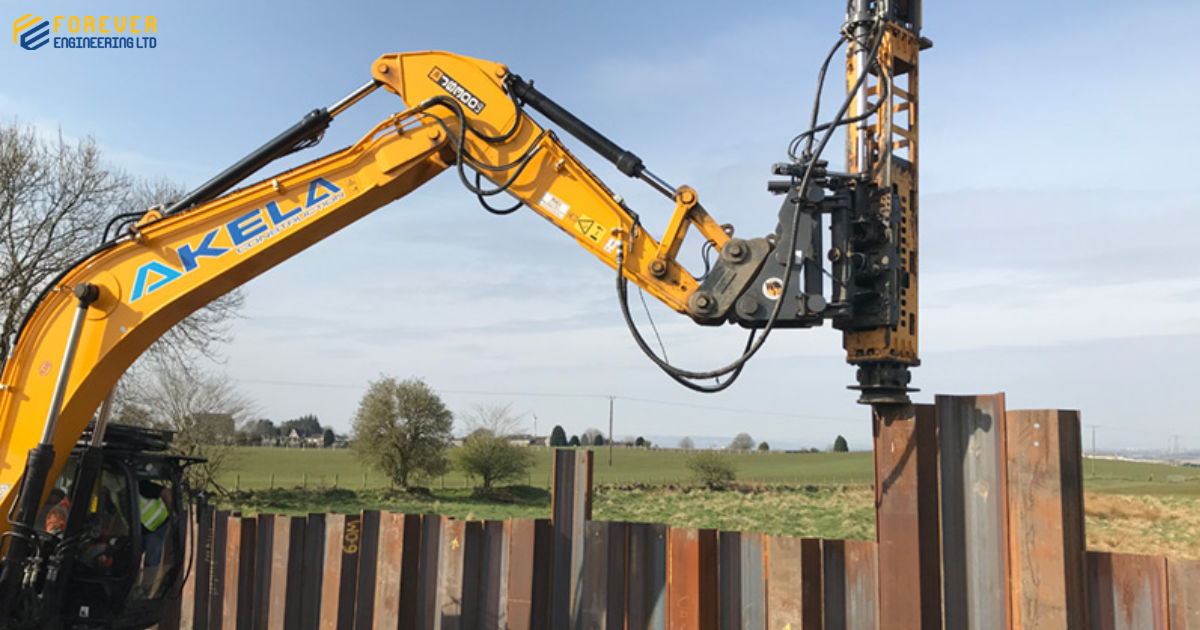
Sheet piles are really pieces of steel that fit together to make a wall. Construction workers drive these sheet piles into the ground to stop the soil, water, and other things from moving. The load-bearing capacity of a sheet pile is important because it helps engineers know how much pressure a sheet pile wall can handle before it starts to bend, move, or break.
The bearing capacity of sheet piles is of great importance for the safety of construction projects. A sheet pile wall can be strong enough to carry heavy loads and stable for many years.
Why is Load-Bearing Capacity of Sheet Piles Important?
The sheet pile load-bearing capacity is an important aspect of the safety and success of construction projects. The sheet pile wall can not carry the required load; the structure may be unsafe.
The benefits of proper sheet pile load-bearing capacity include the following:
- Better wall stability
- Improved safety for workers
- Better resistance to soil pressure
- Better resistance to water pressure
- Longer service life
- Lower maintenance costs
- Better project performance
Engineers always calculate sheet pile load bearing capacity before construction begins.
What Affects Sheet Pile Load Bearing Capacity?
Many factors affect sheet pile load-bearing capacity. Engineers study these factors carefully before selecting a sheet pile system.
1. Soil Condition
Soil type plays a major role in the load bearing capacity of sheet piles. Some soils are firm and supportive, while others are less so. The following soil types are present:
- Clay.
- Sandy loam
- Soil, gravel
- Loose soil
- Soil mix
Sheet piles generally take more load with strong soil.
2. Water Level
The performance of sheet piles can be affected by groundwater. High water levels are putting further pressure on the wall. Engineer check:
- Ground water level
- River level
- Water level of sea
- Seasonal water changes
The load-bearing capacity of sheet piles is determined by these factors.
3. Length of Sheet Piles
The longer the sheet pile, the deeper it will go into the ground and the better the support. The benefits of using longer sheet piles are:
- More stability
- More difficulty with movement
- More room for your stuff
- Improved performance on soft soil
4. She-sea water level
Different sheet pile types provide different levels of strength. Common sheet pile types include:
- Type Z Sheet Pile
- Sheet Piles: U-Pile
- Straight Web Sheet Piling
- Omega – Sheet Piles
- Cold-Formed Sheet Piling
Different types have different load-bearing capacities.
5. Quality of Steel
The sheet pile load-bearing capacity is directly impacted by the steel quality.
The wall is made of quality steel. This means it has power. The wall is also very durable. It can resist bending well. The wall will last for a time. The quality steel is very helpful because it allows the wall to handle loads without any problems. This is because high-quality steel is very strong and safe. The quality steel makes the wall stronger. It can take higher loads safely.
How Do Engineers Calculate Sheet Pile Load Bearing Capacity?
Engineers use engineering calculations to determine sheet pile load-bearing capacity. They study site conditions and project requirements before making a design.
They consider:
- Soil strength
- Water pressure
- Wall height
- Expected loads
- Sheet pile dimensions
- Steel strength
After reviewing these factors, engineers select the appropriate sheet pile system.
What Types of Loads Act on Sheet Pile Walls?
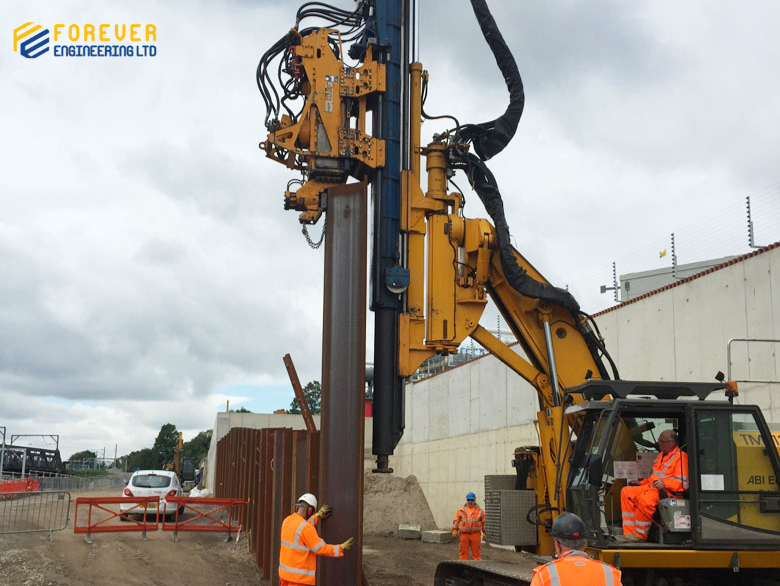
Sheet pile walls face different types of loads during their service life.
1. Soil Pressure
Soil pushes against the sheet pile wall. This pressure increases as the wall becomes deeper.
Soil pressure is one of the most important factors in sheet pile design.
2. Water Pressure
Water also pushes against the sheet pile wall.
Water pressure is common in:
- Riverbank projects
- Seawalls
- Ports
- Harbors
- Cofferdams
Engineers must include water pressure in their calculations.
3. Loading Traffic
Roads and highways often bring additional loads near sheet pile walls. Larger vehicles exert more strain on the surrounding earth.
Some examples are
- Trucks, Buses
- Construction machinery
- Crane
4. Building Loads
Buildings near sheet pile walls can transfer loads into the soil. These loads increase the demand on the sheet pile system.
5. Equipment Loads
Construction equipment can also create temporary loads.
Examples include:
- Excavators
- Pile driving machines
- Concrete pumps
- Material storage areas
Engineers account for these loads during the design process.
Which sheet pile types have higher load-bearing capacity?
Different sheet pile types offer different levels of load-bearing capacity.
1. Z-Type Sheet Piles
Z-type sheet piles provide very high strength and excellent load-bearing capacity.
Benefits include:
- High bending strength
- Strong interlocks
- Excellent stability
- Good performance in deep excavations
Applications include:
- Seawalls
- Ports
- Flood protection systems
- Bridge construction
2. U-Type Sheet Piles
U-Type sheet piles provide reliable performance for many construction projects.
Benefits include:
- Easy installation
- Good strength
- Cost effectiveness
- Flexible design options
Applications include:
- Retaining walls
- Basements
- Cofferdams
- Riverbank protection
3. Straight Web Sheet Piles
Straight web sheet piles are designed mainly for water retaining structures.
Benefits include:
- Strong water resistance
- Good sealing performance
- High tensile strength
Applications include:
- Marine structures
- Circular cofferdams
- Water containment systems
4. Omega Sheet Piles
Omega sheet piles provide moderate load bearing capacity.
Benefits include:
- Lightweight design
- Easy transportation
- Quick installation
Applications include:
- Temporary structures
- Shoreline protection
- Residential projects
How Can Engineers Increase Sheet Pile Load Bearing Capacity?
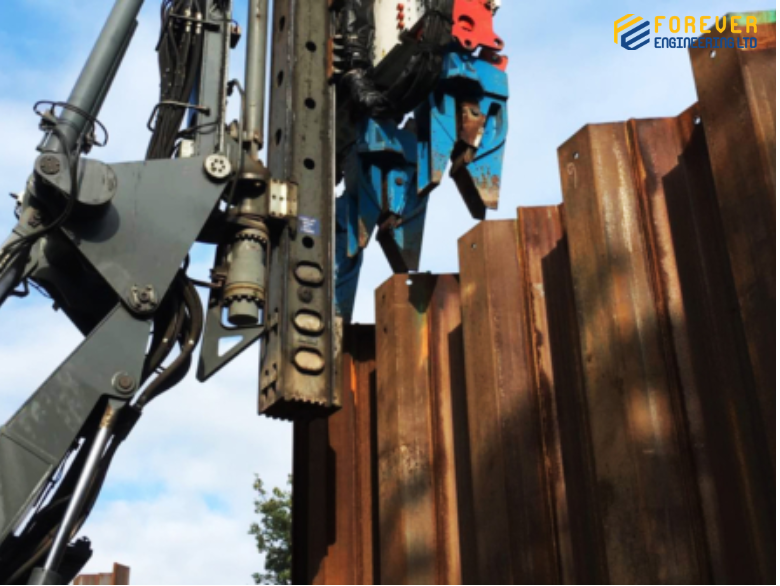
Engineers use several methods to improve sheet pile load-bearing capacity.
Increase Sheet Pile Length
Longer sheet piles provide deeper support and greater stability.
Use Stronger Steel
Higher-strength steel improves the ability of sheet piles to carry loads.
Add Anchors
Anchors help support the wall and reduce movement.
Improve Soil Conditions
Engineers sometimes improve weak soil before installation.
Common methods include:
- Soil compaction
- Soil replacement
- Grouting
Choose the Right Sheet Pile Type
Selecting the correct sheet pile type helps achieve the required load bearing capacity.
What Are the Benefits of High Sheet Pile Load Bearing Capacity?
High sheet pile load-bearing capacity provides many advantages.
These benefits include:
- Better project safety
- Improved wall performance
- Reduced risk of failure
- Longer service life
- Better resistance to soil movement
- Better resistance to water pressure
- Lower repair costs
Strong sheet pile walls help construction projects remain safe and stable for many years.
Where Are High-Load-Bearing Sheet Piles Used?
Projects that require high sheet pile load-bearing capacity include:
- Seawalls
- Retaining walls
- Cofferdams
- Bridge foundations
- Ports and harbors
- Flood protection systems
- Basement construction
- Riverbank protection projects
- Industrial facilities
- Infrastructure projects
These applications often involve heavy loads and challenging ground conditions.
Reliable Sheet Pile Supply by Forever Engineering Ltd.
At Forever Engineering Ltd., we provide high-quality steel sheet piles for construction projects throughout Bangladesh. We help contractors, engineers, and project owners select sheet pile solutions that meet their load-bearing requirements.
Our team supports projects involving retaining walls, cofferdams, riverbank protection, marine structures, bridge foundations, and infrastructure development.
For more information, visit our website: https://foreverengineeringltd.com/
FAQ About Sheet Pile Load Bearing Capacity
1. What is sheet pile load-bearing capacity?
Sheet pile load-bearing capacity is the maximum load or pressure that a sheet pile wall can safely support.
2. What affects sheet pile load bearing capacity?
Soil conditions, water levels, sheet pile length, steel quality, and wall design all affect sheet pile load bearing capacity.
3. Which sheet pile type has the highest load-bearing capacity?
Z-type sheet piles usually provide the highest load-bearing capacity for heavy construction projects.
4. Why is sheet pile load-bearing capacity important?
It helps ensure safety, stability, and long-term performance in construction projects.
5. Can engineers increase sheet pile load-bearing capacity?
Yes. Engineers can increase load-bearing capacity by using longer sheet piles, stronger steel, anchors, and improved soil conditions.